Table of Contents >> Show >> Hide
- Fig vs. Date at a Glance
- They May Sit Side by Side, but They Are Different Fruits
- Fresh vs. Dried Matters More Than People Think
- Nutrition Comparison: Figs vs. Dates
- Flavor and Texture: This Is Where the Breakup Happens
- Blood Sugar and Energy: Which Fruit Fits Better?
- Health Benefits of Figs
- Health Benefits of Dates
- Cooking With Figs vs. Dates
- Which Is Better: Fig or Date?
- Shopping Tips: How to Choose Good Figs and Dates
- Real-Life Experiences With Figs and Dates
- Final Verdict
If figs and dates had a reality show, they would absolutely be cast as the sweet cousins who look similar in family photos but have wildly different personalities once the cameras roll. Both are naturally sweet, chewy, nutrient-dense, and very comfortable hanging out on a charcuterie board like they pay rent there. But they are not interchangeable twins. Not botanically. Not nutritionally. And definitely not in taste.
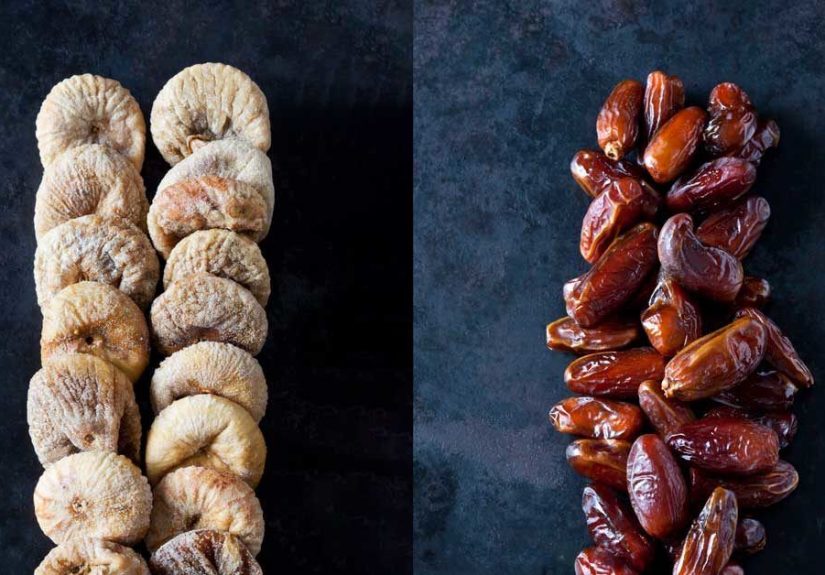
So what is the real difference between figs and dates? In simple terms, figs come from the fig tree, dates come from the date palm, and while both are often sold dried in the United States, they bring different textures, flavors, mineral profiles, and uses to the table. Figs are seedier, softer, and often slightly jammy with a gentle crunch. Dates are denser, stickier, and sweeter, with a caramel-like richness that can make dessert blush.
This guide breaks down fig vs. date from every angle that matters: botany, flavor, texture, nutrition, blood sugar considerations, cooking uses, and real-life shopping experiences. So whether you are standing in the grocery store squinting at dried fruit packets or trying to decide which fruit deserves a spot in your oatmeal, this article has you covered.
Fig vs. Date at a Glance
The quickest way to understand the difference is this: a date is the fruit of the date palm, while a fig is a unique flower structure called a syconium that we eat like fruit. Yes, figs are out here being dramatic and botanical at the same time.
| Category | Figs | Dates |
|---|---|---|
| Plant source | Fig tree (Ficus carica) | Date palm (Phoenix dactylifera) |
| Botanical type | Syconium, an inverted flower structure | One-seeded drupe |
| Typical flavor | Honeyed, floral, mildly earthy | Rich, caramel-like, deeper sweetness |
| Texture | Soft with many tiny seeds and a light crunch | Dense, sticky, smooth, chewy |
| Common U.S. form | Fresh in season, dried year-round | Often sold semi-dried or dried year-round |
| Nutrition edge | More fiber and much more calcium | More sugar, slightly more calories, lower GI in many cases |
They May Sit Side by Side, but They Are Different Fruits
What is a fig?
Figs come from the common fig tree and are one of the oldest cultivated foods on the planet. The edible part is not a standard fruit in the usual sense. It is a fleshy structure containing many tiny flowers inside, which later become those tiny crunchy seeds people either adore or pretend not to notice while nodding politely.
Fresh figs vary in color from greenish gold to deep purple-black. In the United States, popular fig varieties include Black Mission, Brown Turkey, Kadota, Sierra, and Tiger figs. Flavor can range from berry-like and earthy to buttery and floral depending on the variety.
What is a date?
Dates are the fruit of the date palm, a tall palm tree associated with hot, dry climates. Botanically, a date is a drupe, meaning it has a single seed surrounded by sweet flesh. If you have eaten Medjool dates, you already know they are basically nature’s caramel chews with better PR.
Common date varieties in U.S. stores include Medjool and Deglet Noor. Medjool dates are larger, softer, and richer. Deglet Noor dates are firmer, lighter in color, and a little less indulgent, like the sensible cousin who still orders dessert but says it is “just to share.”
Fresh vs. Dried Matters More Than People Think
One reason people get confused comparing figs and dates is that they are often not comparing the same form. Fresh figs are juicy, delicate, and much lower in sugar concentration than dried figs. Dates, meanwhile, are often sold in a naturally dried or semi-dried state, especially Medjool and Deglet Noor varieties.
That means a side-by-side nutrition comparison should usually be dried figs versus dried dates, because that is how most shoppers encounter them in real life. Once water is removed, both fruits become more concentrated in calories, carbohydrates, and natural sugars. The upside is that they also become portable, shelf-stable, and suspiciously easy to overeat while claiming it is “just fruit.”
Nutrition Comparison: Figs vs. Dates
When you compare dried figs and dried dates per 100 grams, you get a clearer picture of how they differ nutritionally.
| Nutrient per 100g | Dried Figs | Dried Dates |
|---|---|---|
| Calories | 249 | 282 |
| Carbohydrates | 64g | 75g |
| Sugars | 48g | 63g |
| Fiber | 10g | 8g |
| Protein | 3g | 2.5g |
| Fat | 1g | 0.4g |
| Standout mineral | Much higher in calcium | Often prized for potassium and natural energy |
Here is the practical takeaway. Dates are a little higher in calories, carbs, and sugar. Figs are slightly lower in sugar and higher in fiber, and they clearly win on calcium. Both offer potassium, magnesium, antioxidants, and a lot more nutritional value than candy, even though they can taste alarmingly dessert-like.
Which is higher in fiber?
Figs win here. Dried figs generally provide about 10 grams of fiber per 100 grams, compared with about 8 grams in dates. That difference may not sound huge, but it is enough to matter if your goal is digestive support or feeling fuller longer.
Which is sweeter?
Dates, usually. They contain more natural sugar and tend to taste richer and more concentrated. Medjool dates in particular can taste like caramel, brown sugar, and toffee got together and decided to become a fruit.
Which has more calcium?
Figs, by a mile. Dried figs are especially notable for calcium content, making them a smart choice for people looking to add more bone-friendly foods to their diet.
Flavor and Texture: This Is Where the Breakup Happens
If nutrition labels were the whole story, grocery shopping would feel like tax prep. Taste and texture matter, and figs and dates are not the same experience.
How figs taste
Figs are sweet, but their sweetness is usually softer and more nuanced. They often have floral, honeyed, and lightly berry-like notes. Fresh figs can be lush and delicate, while dried figs become more concentrated and earthy. The tiny seeds add crunch, which gives figs a pleasant contrast between soft flesh and subtle bite.
How dates taste
Dates are deeper, darker, and more dessert-like in flavor. They often bring notes of caramel, molasses, brown sugar, or toffee. Their texture is smooth, sticky, and dense, with less crunch and more chew. If figs are a linen shirt on a summer afternoon, dates are a velvet jacket in candlelight.
Blood Sugar and Energy: Which Fruit Fits Better?
Both fruits contain natural sugars, and both can fit into a balanced eating pattern. Still, they behave a little differently.
Dried dates are higher in sugar overall, but several nutrition sources note that dates often have a low to moderate glycemic index, which means they may not spike blood sugar as sharply as their sweetness suggests. Figs also contain fiber and antioxidants, but dried figs may have a somewhat higher glycemic impact than many common date varieties.
That does not make dates “better” or figs “worse.” It means portion size matters. If you are eating either fruit on its own by the handful, your snack can go from wholesome to accidental sugar festival very quickly. Pairing figs or dates with nuts, yogurt, or cheese can slow digestion and make the snack more satisfying.
Health Benefits of Figs
Figs bring several advantages to the table, especially if you want more fiber and minerals from naturally sweet foods.
1. They support digestion
Because figs are rich in fiber, they are often associated with digestive regularity. Dried figs especially can help add bulk to the diet and keep things moving without turning breakfast into a chemistry experiment.
2. They offer more calcium than dates
Figs are a standout dried fruit for calcium, which supports bones, muscles, and nerve function. They are not a replacement for all calcium-rich foods, but they are a surprisingly strong supporting actor.
3. They provide helpful minerals
Figs also contain potassium, magnesium, copper, manganese, and some iron. That makes them useful for people who want sweet snacks with a little more nutritional ambition.
4. They work beautifully in savory food
Fresh or dried figs pair especially well with goat cheese, blue cheese, prosciutto, nuts, balsamic glaze, and roasted meats. They are one of the rare foods that can show up in salad and dessert without confusing anyone.
Health Benefits of Dates
Dates earn their popularity honestly. They are sweet, portable, and surprisingly useful beyond the snack drawer.
1. They are a quick source of energy
Dates are higher in carbohydrates and natural sugars, so they make sense before exercise, during long hikes, or as a fast energy bite when lunch is nowhere in sight and your patience has left the building.
2. They provide fiber and antioxidants
Dates contain fiber as well as polyphenol-rich plant compounds linked with antioxidant activity. That combination makes them more than just sugary fruit candy impersonators.
3. They are easy to use as a natural sweetener
Blended dates can add sweetness and body to smoothies, energy bites, bars, sauces, and baking. Their sticky texture makes them especially useful in recipes where you want sweetness without refined sugar.
4. They are convenient and filling
Dates require almost no prep. Remove the pit, stuff them with nut butter or cheese, and you suddenly look like someone who has their life together.
Cooking With Figs vs. Dates
Use figs when you want
A fruit that feels elegant, slightly tangy, and textured. Figs are great in oatmeal, baked goods, salads, grain bowls, cheese boards, compotes, and roasted vegetable dishes. Dried figs can also be chopped into muffins, breads, and homemade granola.
Use dates when you want
Maximum sweetness, chew, and binding power. Dates shine in smoothies, no-bake bars, stuffed appetizers, sticky sauces, cookies, and energy balls. If a recipe wants caramel vibes without actual caramel, dates are ready to audition.
Which Is Better: Fig or Date?
This is the wrong question, but a very human one.
The better question is: better for what?
If you want a fruit with more fiber, more calcium, and a seedier texture, figs are a smart pick. If you want sweeter flavor, a lower glycemic index in many cases, and a soft, sticky texture that works in desserts and snack bites, dates often make more sense.
For many people, the answer is not choosing one forever. It is choosing the right fruit for the right moment. Figs for the cheese board. Dates for the blender. Figs for the salad. Dates for the snack drawer. Peace has been restored.
Shopping Tips: How to Choose Good Figs and Dates
When buying figs
Fresh figs should feel tender but not collapsed, with smooth skin and no sour smell. Dried figs should be soft and pliable, not rock-hard or overly dusty. A light white coating can be normal and is often just natural sugar crystallization, not a sign the fruit has started a side career in geology.
When buying dates
Look for plump fruit with glossy to lightly matte skin and no signs of fermentation. Medjool dates are usually larger and softer. Deglet Noor dates are firmer and better for chopping. Check whether the dates are pitted unless you enjoy surprise encounters with hard seeds while chewing.
Real-Life Experiences With Figs and Dates
In real kitchens, the fig vs. date debate is rarely about scientific charts alone. It usually starts with a craving, a grocery store decision, or an overly ambitious snack board that somehow became dinner. That is where the differences between these fruits become unmistakably clear.
Take breakfast, for example. When people add chopped dried figs to oatmeal, they often notice a more balanced sweetness and a chewy texture with tiny pops from the seeds. The fruit does not melt into the background. It stays present, giving each bite a little character. Dates behave differently. Stir chopped dates into hot oats and they soften into sticky, almost caramel-like pockets. The bowl becomes richer and sweeter fast. That can be wonderful, but it also means dates can take over the stage if the rest of the ingredients are shy.
Cheese boards tell a similar story. Figs tend to feel sophisticated without trying too hard. Their floral sweetness works with brie, goat cheese, blue cheese, and salty cured meats. They add contrast without becoming the loudest item on the plate. Dates, meanwhile, are charming but intense. Stuff a Medjool date with almond butter or soft cheese and suddenly guests act like you performed culinary magic, when in reality you just removed a pit and showed a little confidence.
Bakery experiments reveal even more. Figs chopped into quick breads and muffins give a gentle sweetness and a pleasant bite. The crumb stays interesting. Dates, however, bring moisture and richness. They can make bars, cakes, and snack bites taste almost dessert-like without much added sugar. If figs are subtle supporting actors, dates are absolutely trying to win Best Lead Performance.
Even snack habits change depending on which fruit you choose. People who keep dried figs around often describe them as satisfying in a steady, old-school way. You eat a few, chew for a while, and feel like you had a real snack. Dates can feel more indulgent. One turns into two, and two turns into a tiny philosophical discussion about self-control. Their sweetness is deeper, and that can be either delightful or dangerous depending on your level of hunger.
Fresh figs also create a very different experience than dates. Fresh figs feel fragile and special, almost like a fruit you need to appreciate quickly. They are seasonal, soft, and best when eaten at just the right moment. Dates feel dependable. They wait patiently in the pantry, not judging anyone, ready to rescue a smoothie, a lunchbox, or a late-afternoon energy crash.
That is why many shoppers end up keeping both. Figs bring texture, subtle sweetness, and savory versatility. Dates bring richness, convenience, and natural candy-bar energy. Once you experience both in everyday cooking, the comparison becomes less about crowning a winner and more about recognizing that these two fruits are playing different positions on the same delicious team.
Final Verdict
Figs and dates are both nutritious, naturally sweet fruits, but they are not the same food wearing different jackets. Figs are floral, seedy, and higher in fiber and calcium. Dates are stickier, sweeter, and often better suited for natural sweetening and quick energy. One is a syconium. The other is a drupe. One crunches a bit. The other clings like a dessert with commitment issues.
If your goal is digestive support, mineral intake, and a more nuanced sweetness, figs may be the better choice. If you want intense flavor, sticky texture, and easy energy for snacks or recipes, dates are hard to beat. Either way, both can absolutely earn a place in a balanced diet.
So the next time you ask, “Fig vs. date: what’s the difference?” the answer is simple: quite a lot, actually. And thankfully, most of those differences are delicious.