Table of Contents >> Show >> Hide
- What Is the Rektangel Floor Clock?
- A Modern Grandfather Clock Without the Grandfather Costume
- Why Concrete Makes This Clock Special
- Quartz Clockwork: Quiet, Practical, and Modern
- How to Style a Rektangel Floor Clock
- Who Is the Rektangel Floor Clock Best For?
- Buying Considerations Before Choosing a Rektangel Floor Clock
- Care and Maintenance Tips
- The Design Meaning of Rektangel
- Experience Section: Living With a Rektangel Floor Clock
- Conclusion
- SEO Tags
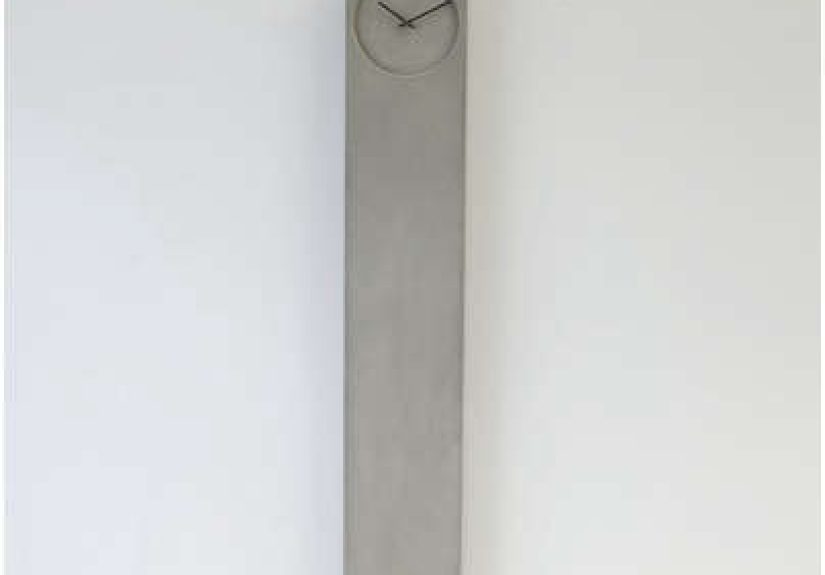
The Rektangel Floor Clock is not the kind of clock that politely hides behind a lamp and whispers, “Don’t mind me.” No, this is a timepiece with architectural confidence. It is tall, slim, concrete, minimalist, and wonderfully serious in the way only Scandinavian design can be serious while still looking effortlessly cool. Designed by Johan Forsberg of Forsberg Form, Rektangel takes the old idea of the grandfather clock and removes nearly everything except the height, the presence, and the quiet authority of time itself.
At first glance, the Rektangel Floor Clock may look like a sleek concrete panel leaning against the wall. Then the clock face reveals itself, and suddenly the object becomes both sculpture and function. It is not merely a modern floor clock; it is a conversation starter, a design statement, and possibly the most stylish reminder that you are late for dinner.
For homeowners, collectors, designers, and anyone obsessed with minimalist interiors, the Rektangel Floor Clock offers a rare blend of raw material, precise timekeeping, and gallery-worthy restraint. It belongs to the world of concrete furniture, Scandinavian floor clocks, modern grandfather clocks, and collectible design objects that make a room feel intentional instead of simply “decorated.”
What Is the Rektangel Floor Clock?
The Rektangel Floor Clock is a concrete grandfather clock produced by Forsberg Form. Unlike traditional grandfather clocks with carved wooden cases, pendulums, brass details, and dramatic chimes that make every living room feel like a detective novel, Rektangel is radically simple. It uses a long rectangular concrete body, quartz clockwork, and a minimal visual language.
The name “Rektangel” is fitting because the clock is essentially a rectangle refined into an object of time. It measures approximately 200 x 35 x 3.5 centimeters, giving it the height of a classic longcase clock but the visual slimness of a modern wall sculpture. It can be leaned against a wall or fixed vertically with a wall mount, which makes it flexible for contemporary homes, lofts, galleries, offices, and boutique hospitality spaces.
One of the most important details is that Rektangel is a signed and limited edition design, produced in a series of 180 pieces. That limitation matters. This is not a mass-market clock you toss into an online cart between dish soap and replacement batteries. It is a collectible design object, closer to functional art than ordinary home accessory.
A Modern Grandfather Clock Without the Grandfather Costume
Traditional grandfather clocks, also known as longcase clocks, are usually tall freestanding clocks with pendulum movements enclosed in wooden cases. Historically, they often stood between six and seven and a half feet tall and were built to display both mechanical skill and social status. They announced time with presence, sound, and craftsmanship.
The Rektangel Floor Clock borrows the vertical drama of the grandfather clock but skips the ornamental wardrobe. There are no carved columns, no glass door, no swinging pendulum, and no “haunted mansion at midnight” energy. Instead, it delivers a flat, calm, concrete silhouette that feels modern, industrial, and almost meditative.
This makes the clock especially appealing for interiors where traditional grandfather clocks would feel too heavy. In a minimalist apartment, a classic wooden longcase clock might look like it wandered in from someone else’s century. Rektangel, however, feels right at home beside a linen sofa, a black steel lamp, pale oak flooring, or a large abstract painting.
Why Concrete Makes This Clock Special
Concrete is one of the reasons the Rektangel Floor Clock feels so different. Most people associate concrete with sidewalks, buildings, bridges, and perhaps that one parking garage where they definitely lost their car. But in modern interior design, concrete has become a sophisticated material for furniture, lighting, countertops, planters, and decorative objects.
Concrete brings weight, texture, and honesty. It does not pretend to be delicate. It has pores, subtle variations, and a grounded personality. In the Rektangel Floor Clock, concrete turns timekeeping into something physical. The passing hours are not shown on a dainty plastic circle; they are held within a tall slab that feels permanent.
This material choice also gives the clock visual tension. A clock is usually associated with movement, precision, and measurement. Concrete is associated with stillness, mass, and endurance. Put them together and you get a beautiful design contradiction: a heavy object dedicated to something as invisible as time.
Concrete and Minimalism: A Natural Match
Minimalist design often works best when simple forms are supported by strong materials. If an object has very few decorative details, every surface matters. Concrete is ideal for this because it has enough natural character to avoid looking boring. It can be smooth, raw, pigmented, polished, or subtly imperfect.
The Rektangel Floor Clock uses this advantage beautifully. Its rectangular shape is plain, but the material gives it depth. The clock does not need elaborate decoration because the concrete itself provides visual interest. In the right light, the surface can look soft, cool, architectural, and slightly mysterious. That is a lot of personality for something shaped like a very disciplined plank.
Quartz Clockwork: Quiet, Practical, and Modern
Another defining feature of the Rektangel Floor Clock is its quartz clockwork. Quartz movements are widely used because they are accurate, reliable, and low-maintenance compared with traditional mechanical movements. In simple terms, a quartz clock uses the steady vibration of a quartz crystal to regulate time.
For a modern concrete clock, quartz makes sense. A mechanical pendulum movement would introduce more maintenance, more internal complexity, and probably a lot more fuss. The Rektangel Floor Clock is not trying to recreate the engineering romance of an antique clock. It is trying to reinterpret the floor clock as a clean, sculptural object for contemporary living.
That does not make it less interesting. In fact, the contrast is part of the charm. The clock has the monumental height of a grandfather clock, the material language of brutalist sculpture, and the practical heartbeat of a modern quartz movement. It is old-world scale with new-world simplicity.
How to Style a Rektangel Floor Clock
The Rektangel Floor Clock is visually strong, so the best styling approach is to let it breathe. This is not an object that wants to be crowded by side tables, baskets, fake plants, and a nervous army of decorative candles. Give it wall space, clean lines, and a little respect.
1. Place It in a Minimalist Living Room
A modern living room is one of the easiest places to use the Rektangel Floor Clock. Position it near a sofa, beside a bookshelf, or against a clean wall where its vertical shape can create balance. It works especially well in rooms with neutral tones such as white, gray, beige, black, and warm wood.
For example, imagine a low cream sofa, a black metal coffee table, a wool rug, and the concrete clock leaning in the corner. The room instantly feels more curated. Not “I bought everything in one afternoon” curated, but “an architect might live here and drink excellent coffee” curated.
2. Use It as an Entryway Statement
An entryway is another smart location. Because the clock is tall and slim, it can create impact without requiring the footprint of a cabinet or console table. It also gives guests an immediate sense of the home’s design personality.
In a narrow hallway, the Rektangel Floor Clock can act like functional artwork. Pair it with a simple bench, a single framed print, or a small wall hook system. Avoid clutter around the base so the clock’s vertical shape remains clear.
3. Pair It With Natural Materials
Concrete can feel cool, so it often looks best when paired with warmer textures. Oak, walnut, leather, wool, linen, and handmade ceramics all soften the look. This balance prevents the room from feeling like a fashionable bunker.
A concrete grandfather clock beside a warm wooden chair or woven rug creates contrast. The concrete feels architectural; the natural materials feel human. Together, they make a space that is modern but still comfortable.
4. Let It Stand Near Art
Because the Rektangel Floor Clock has sculptural qualities, it works beautifully near artwork. A large abstract canvas, a monochrome photograph, or a small gallery wall can make the clock feel part of a broader visual composition.
The key is restraint. Do not place too many competing vertical objects beside it. The clock already has strong lines. If everything around it is also tall, narrow, and dramatic, the room may start to look like a meeting of very stylish doorframes.
Who Is the Rektangel Floor Clock Best For?
The Rektangel Floor Clock is not for everyone, and that is part of its appeal. It is best suited for people who appreciate collectible design, Scandinavian minimalism, concrete furniture, and objects that blur the line between utility and sculpture.
It is ideal for modern homes, design studios, architectural offices, boutique hotels, galleries, and interiors where one strong piece is better than ten forgettable accessories. It is also a strong choice for collectors who enjoy limited-edition design objects with a clear maker, material identity, and visual point of view.
However, it may not be the right choice for someone who wants a traditional chiming grandfather clock, ornate woodwork, or a highly decorative antique look. Rektangel is calm, stripped-back, and modern. It does not perform nostalgia. It performs confidence.
Buying Considerations Before Choosing a Rektangel Floor Clock
Because the Rektangel Floor Clock is a limited design object, buyers should think carefully before purchasing. The first consideration is space. At around two meters tall, it needs enough vertical room to look intentional. A low-ceilinged room can still work, but the clock should not feel squeezed.
The second consideration is surface and installation. Since the clock can lean against the wall or be fixed vertically with a wall mount, owners should decide which approach best fits their household. In homes with children, pets, or high-traffic areas, a secure wall-mounted installation may be the wiser choice.
The third consideration is style compatibility. Rektangel works best in interiors that welcome minimalism, industrial accents, or sculptural design. It can also create a beautiful contrast in older homes, but it needs breathing room and a thoughtful setting.
Care and Maintenance Tips
A concrete floor clock should be treated as a design object, not a garage floor. For routine cleaning, use a soft dry cloth or a lightly damp microfiber cloth. Avoid harsh chemicals, acidic cleaners, abrasive pads, and anything that sounds like it belongs in a crime-scene cleanup kit.
Because concrete can be porous depending on finish and treatment, spills should be handled quickly. Do not soak the surface. Do not scrub aggressively. If the clock has a specific finish or sealer, follow the maker’s care guidance. When in doubt, gentle cleaning is the safest path.
For the quartz movement, the main maintenance task is usually battery replacement. Check the movement periodically and replace the battery before it leaks. A luxury concrete clock deserves better than being defeated by a forgotten battery from 2019.
The Design Meaning of Rektangel
The Rektangel Floor Clock is interesting because it challenges what a clock should look like. Most clocks are designed to disappear into daily life. They sit on walls, shelves, phones, microwaves, laptops, and car dashboards. We check them constantly but rarely notice them as objects.
Rektangel asks us to notice time again. Its height gives time a body. Its concrete gives time weight. Its minimal dial gives time clarity. In a world where most people glance at screens for the hour, a floor clock like this becomes almost poetic. It slows the room down.
That is the real beauty of the piece. It is not just about knowing whether it is 2:15 or 2:16. It is about bringing ritual, presence, and materiality back into timekeeping. The clock becomes part of the atmosphere of the home.
Experience Section: Living With a Rektangel Floor Clock
Living with a Rektangel Floor Clock would be less like owning a regular clock and more like sharing your home with a quiet architectural guest. It does not demand attention with noise or decoration. Instead, it slowly changes how the room feels. The first experience is visual: you notice its height immediately. It draws the eye upward, making the wall feel taller and the space more composed.
The second experience is tactile, even if you are not constantly touching it. Concrete has a psychological texture. You can sense its weight from across the room. In a home filled with soft fabrics, glowing screens, and lightweight furniture, that grounded quality feels refreshing. The clock seems to say, “Relax. I am not going anywhere.” Honestly, in a world of wobbly flat-pack shelves, that is deeply comforting.
Guests would likely ask about it. Some might think it is art before realizing it tells time. Others might ask if it is heavy, which is a fair question because concrete does not exactly have a reputation for being dainty. This is where the clock becomes a conversation piece. You can explain that it is a modern concrete grandfather clock, a limited design from Forsberg Form, and a minimalist reinterpretation of the longcase clock tradition. Suddenly, checking the time becomes a small design lecture, but in a charming way.
In daily use, the quartz movement makes the experience practical. There is no winding ritual, no pendulum adjustment, and no dramatic chime interrupting your video call. The clock simply does its job. That quiet reliability is important because an object this visually strong should not be annoying. It should improve the room, not turn every hour into a theatrical announcement.
The best placement experience would probably come from testing a few locations before committing. Leaning it casually against a wall can look relaxed and gallery-like, while mounting it vertically gives it a more permanent architectural quality. In a living room, it might anchor an empty corner. In an entryway, it might become the first thing visitors remember. In a home office, it could add seriousness without making the space feel corporate.
Over time, the Rektangel Floor Clock would likely become one of those pieces you stop actively noticing but would immediately miss if it disappeared. That is the mark of strong design. It becomes part of the rhythm of the room. It is not trendy in the disposable sense. It is simple enough to age well, unusual enough to remain interesting, and functional enough to justify its presence.
The only real challenge is that it may raise your standards. Once a concrete Scandinavian floor clock is calmly leaning in your room, ordinary plastic wall clocks start to look a bit embarrassed. Even your phone may feel less elegant. That is the danger of good design: it quietly ruins mediocre objects for you.
Conclusion
The Rektangel Floor Clock is a rare example of a modern floor clock that respects tradition without dressing up in the past. It takes the height and presence of a grandfather clock, combines them with concrete minimalism, and finishes the idea with reliable quartz clockwork. The result is a striking Scandinavian design object that feels architectural, collectible, and surprisingly calm.
For anyone looking for a concrete grandfather clock, a minimalist floor clock, or a sculptural statement piece for a modern interior, Rektangel is worth serious attention. It is not just a way to tell time. It is a way to give time a place in the room.
SEO Tags
Note: This article is written as original SEO content based on verified product details, design context, and general timekeeping information. It contains no copied source text, no unnecessary reference placeholders, and no raw source links for publication cleanliness.