Table of Contents >> Show >> Hide
- Why Anonymous Crime Reporting Matters
- The 10 Steps
- Step 1: Decide Whether It Is an Emergency or a Tip
- Step 2: Match the Report to the Right Agency
- Step 3: Use a Local Anonymous Tip Line First When the Crime Is Local
- Step 4: Try Crime Stoppers for a Stronger Anonymous Buffer
- Step 5: Use the FBI When the Crime May Be Federal or High-Risk
- Step 6: Use Specialized Hotlines for Specialized Crimes
- Step 7: Write Down the Facts Before You Report
- Step 8: Protect Your Privacy Without Hiding the Truth
- Step 9: Know What Happens After You Submit
- Step 10: Know When Not to Stay Anonymous
- Common Mistakes to Avoid
- What People Often Experience When Reporting a Crime Anonymously
- Final Thoughts
- SEO Tags
Sometimes the hardest part of reporting a crime is not finding the phone number. It is getting past the nervous little voice in your head that says, “What if I get dragged into this?” That fear is real, and it is one reason anonymous reporting exists. In the United States, many local agencies accept anonymous tips, and several national organizations and federal agencies do too. The trick is knowing which option fits the situation, what details actually help, and where anonymity ends and formal reporting begins.
This guide breaks the process into 10 practical steps. It also explains the difference between anonymous and confidential, because those two words are cousins, not twins. If you are dealing with suspected drug activity, gun crime, human trafficking, child exploitation, fraud, civil rights violations, or suspicious conduct that simply does not pass the smell test, there are smart ways to report it without turning your life into a courtroom drama.
One quick reality check before we start: if someone is in immediate danger, this is not the moment to be poetic or strategic. Get emergency help first. Anonymous tip lines are valuable, but they are not a substitute for urgent response when a situation is happening right now.
Why Anonymous Crime Reporting Matters
Anonymous reporting gives people a way to share useful information without putting their name on center stage. That matters in neighborhoods where retaliation is a real concern, in workplaces where misconduct feels risky to report, and in cases where a witness knows something important but does not want repeated contact from investigators.
It also helps law enforcement and support organizations collect leads they might otherwise never receive. Plenty of people are willing to speak up once they know they do not have to introduce themselves, give a life story, and sign a guest book on the way out. Anonymous reporting lowers the barrier. It does not make the report less important. It just makes it easier to start.
The 10 Steps
Step 1: Decide Whether It Is an Emergency or a Tip
Start with the most important question: Is someone in immediate danger right now? If the answer is yes, call emergency services. That includes active violence, threats happening in real time, serious injuries, child endangerment, or a situation that could turn critical in minutes. Waiting to file a neat anonymous online tip while an emergency unfolds is like trying to alphabetize the pantry while the kitchen is on fire.
If the crime is not actively happening, or you are sharing information about a suspect, pattern, location, vehicle, online account, or past incident, an anonymous tip line or web form may be the better route. Anonymous systems are especially useful for non-emergency reporting, follow-up leads, and suspicious activity that needs review rather than flashing lights.
Step 2: Match the Report to the Right Agency
Not every crime belongs in the same inbox. Local police or sheriff’s departments are usually the right choice for neighborhood crime, vandalism, assault, theft, drug dealing at a known location, and recurring suspicious activity. If the issue happened on a campus, a transit system, or public housing property, there may be a dedicated police unit with its own reporting line.
Federal agencies come into play when the subject matter is more specialized. The FBI handles many federal crimes and threats. ATF focuses on firearms, explosives, arson, and certain violent crime tips. DEA is the right lane for suspected drug trafficking and controlled-substance violations. ICE tip channels are used for certain immigration-related criminal activity and related public-safety concerns. NCMEC’s CyberTipline is built for child sexual exploitation. The National Human Trafficking Hotline is designed for trafficking tips and support. Picking the correct agency saves time and gives your report a better chance of reaching the people who can actually act on it.
Step 3: Use a Local Anonymous Tip Line First When the Crime Is Local
If the crime happened in your town, start local. Many police departments now offer anonymous online forms, text-a-tip tools, or dedicated non-emergency phone lines for tips. This is often the simplest option for reporting neighborhood crime because local investigators already know the area, the recurring trouble spots, and the suspects who keep making terrible life choices before breakfast.
When you contact a local anonymous tip system, include the basics: what happened, when it happened, where it happened, who may be involved, and why you think the information matters. If you know the apartment number, vehicle make, license plate, social media handle, or routine schedule involved, say so. Specifics move a tip from “interesting rumor” to “actionable lead.”
Step 4: Try Crime Stoppers for a Stronger Anonymous Buffer
Crime Stoppers exists for exactly the kind of person who wants to help but does not want their identity in circulation. In many communities, a local Crime Stoppers program acts as a buffer between tipsters and law enforcement. Some programs assign a code number instead of using your name, and some offer cash rewards if the information leads to an arrest or case clearance.
This makes Crime Stoppers especially useful if you are worried about retaliation or simply want a formal anonymous channel with a long track record. It is commonly used for fugitive tips, violent crimes, theft cases, felony activity, and ongoing criminal conduct that neighbors see but do not love discussing at the mailbox.
One tip for using Crime Stoppers well: be factual and concise. “I think something shady is going on” is not useless, but it is not exactly detective fuel. “Blue pickup, backs into the alley behind 214 Cedar every Thursday around 10:30 p.m., short exchanges through driver window, same two men” is better.
Step 5: Use the FBI When the Crime May Be Federal or High-Risk
If the matter involves federal crime, public corruption, terrorism concerns, cybercrime connected to broader criminal conduct, organized activity crossing state lines, or a threat that clearly feels bigger than one neighborhood dispute, the FBI may be the right destination. The FBI accepts tips online and allows anonymous submissions.
This route is useful when you are reporting a pattern that sounds serious, coordinated, or interstate in nature. It is also appropriate when you are unsure whether the conduct is federal but believe it involves public safety on a larger scale. The FBI does not require you to write like a legal brief. Plain language works. Focus on what you observed, how you know it, and what can be checked.
Step 6: Use Specialized Hotlines for Specialized Crimes
Some categories of crime are best reported through organizations that deal with them every day. That is not bureaucracy for the sake of bureaucracy. It is specialization, and sometimes specialization is glorious.
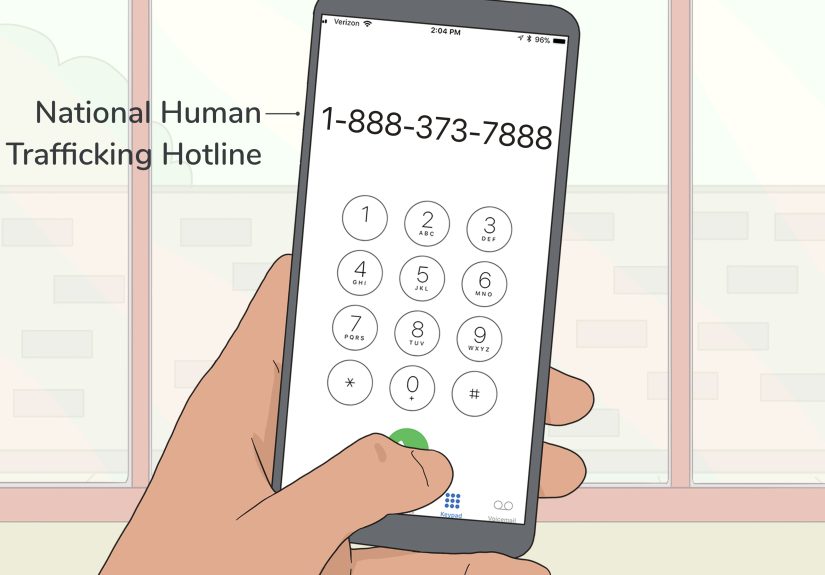
For human trafficking, the National Human Trafficking Hotline offers phone, text, chat, and anonymous online reporting. For child sexual exploitation or online abuse involving minors, NCMEC’s CyberTipline is a key reporting route. For sexual assault, RAINN offers anonymous support and guidance, which can be especially helpful if a survivor is deciding whether and how to report. For gun crime, explosives, or arson, ATF has anonymous tip options. For drug trafficking, DEA accepts tips and allows anonymous submissions. For certain civil rights violations, DOJ’s reporting system may let you proceed without providing contact information.
The big benefit of specialized reporting is that the questions are usually better. A trafficking hotline will ask about control, coercion, movement, housing, and work conditions. A child exploitation portal will ask about platforms, usernames, images, messages, and victim safety. Better questions lead to better reports.
Step 7: Write Down the Facts Before You Report
Before you call or submit anything, make a quick fact list. You do not need a dramatic witness statement. You need useful details. Think in buckets:
- Who: names, nicknames, usernames, physical description, employer, gang or group affiliation if known
- What: suspected crime, behavior pattern, threats, transactions, exploitation, fraud, weapons, or online content
- When: dates, times, routines, recurring patterns
- Where: address, intersection, apartment, school, business, website, app, account, or vehicle route
- Evidence: screenshots, plate numbers, photos, video, receipts, messages, public posts, witness names
Stick to things you observed or can reasonably describe. Avoid turning guesses into facts. “I saw boxes moved into the garage every Friday night” is useful. “It is definitely an international crime empire” is probably a little ambitious unless you have unusually strong garage-related insight.
Step 8: Protect Your Privacy Without Hiding the Truth
If you want to stay anonymous, do not volunteer personal details that are not required. Use official anonymous reporting systems instead of posting on social media, where your tip may spread faster than the facts. Avoid gossip chains, neighborhood rumor mills, and the classic “I told one person but made them swear not to repeat it” strategy, which has never once defeated human nature.
If you are uploading files, double-check that the files are relevant and do not unnecessarily reveal your identity. If a form says contact information is optional, leave it blank if that is your goal. If a hotline is described as confidential rather than anonymous, understand the difference. Confidential systems protect your information, but they may still collect it, and some have narrow reporting exceptions involving minors, immediate danger, or legal mandates.
Step 9: Know What Happens After You Submit
Most anonymous tips do not result in a live play-by-play update. Investigators may review the information, compare it with other reports, assign it to a local unit, or save it until more evidence appears. That can feel frustrating, but it does not mean your tip vanished into a digital swamp.
Anonymous reporting systems also make follow-up harder. If investigators cannot ask clarifying questions, they may have to work only with what you submitted. That is why details matter so much. The more checkable your report is, the more useful it becomes.
If the system gives you a tip number, code, or reference number, save it. Some programs allow follow-up messages through the same anonymous channel. That can be the sweet spot: you stay unnamed, but the case still gets a breadcrumb trail.
Step 10: Know When Not to Stay Anonymous
Anonymous reporting is valuable, but it is not always the best tool. Some crimes, especially identity theft, financial fraud, and certain cybercrimes, are often easier to investigate or recover from when the victim files a documented complaint with personal details. Formal recovery systems may need your name, contact information, and records to restore accounts, reverse damage, or connect your complaint to a larger investigation.
That means the smartest approach is not always “stay anonymous forever.” Sometimes it is “start anonymously, then decide later whether a formal complaint makes sense.” If you are a direct victim and need legal protection, restitution, credit repair, or case updates, a named report may ultimately serve you better. Anonymous tips are excellent for sharing information. Formal complaints are better for building a case around harm done to you personally.
Common Mistakes to Avoid
People trying to report a crime anonymously often make the same avoidable mistakes. First, they wait too long because they think they need perfect proof. You do not. Reasonable, specific information is enough to submit a tip. Second, they send a vague message with no time, place, or identifiers. Third, they blast the accusation publicly online, which can muddy the facts and create legal trouble. Fourth, they confuse support hotlines with emergency response systems, or they do the reverse and use emergency lines for non-urgent suspicions.
The best anonymous report is calm, specific, and boring in the best possible way. Investigators love boring details. Boring details solve cases.
What People Often Experience When Reporting a Crime Anonymously
Reporting a crime anonymously can be emotionally strange, even when you know it is the right thing to do. Many people expect the hard part to be finding the correct hotline or online form. In reality, the harder part is usually internal. People second-guess themselves. They worry they are overreacting. They worry they are underreacting. They worry about being wrong, being noticed, being asked questions they cannot answer, or somehow becoming the accidental star of a situation they desperately wanted to keep at arm’s length.
A common experience is hesitation followed by relief. Someone may sit on a tip for days, replaying what they saw and arguing with themselves like a tiny courtroom exists in their head. Then they submit the information in five minutes and immediately feel lighter. Nothing magical happened. No confetti cannon goes off. But they often feel relief because the burden is no longer sitting entirely on their shoulders.
Another common feeling is frustration. Anonymous reporting is not a movie. There may be no dramatic confirmation, no thank-you parade, and no detective calling back to say, “Excellent work, citizen.” In fact, silence is normal. Many people report feeling uneasy after they submit because they do not know whether anyone read it, acted on it, or connected it to a larger pattern. That uncertainty can be uncomfortable, especially if the conduct they reported seemed serious.
Some people also feel guilt, particularly when the person they are reporting is a relative, coworker, neighbor, or romantic partner. They may know the person has children, financial problems, addiction issues, or a history that makes the situation more complicated. Anonymous reporting can feel like betraying someone, even when the true betrayal is the criminal behavior itself. That emotional conflict is common, and it does not mean the report was wrong.
Victims and witnesses of trafficking, sexual abuse, child exploitation, or coercive control often describe another layer: fear mixed with confusion. They may not be fully sure what they witnessed. They may only know that something felt deeply off. In those cases, specialized hotlines can be especially helpful because the experience of reporting is not just about handing over information. It is also about being guided through what matters, what options exist, and what can happen next.
There is also the practical experience of learning that anonymity has limits. Some people discover that “anonymous” means they can withhold their name, but not that the system can produce updates, legal advice, or personalized recovery help. Others learn that “confidential” support services may protect their privacy while still having narrow mandatory-reporting rules in high-risk situations. That can surprise people, which is why it helps to read the form or hotline language carefully before submitting.
Even with all that, many people later say the same thing: they are glad they spoke up. Not because it was comfortable, but because silence started to feel worse. Anonymous reporting gives people a middle path between doing nothing and stepping fully into an investigation. For many witnesses, that middle path is exactly what makes action possible.
Final Thoughts
If you need to report a crime anonymously in the U.S., you have more options than most people realize. Local police tip systems, Crime Stoppers, the FBI, ATF, DEA, trafficking hotlines, child-exploitation portals, and civil-rights reporting tools all exist for a reason: information matters, even when the person sharing it wants distance and safety.
The key is simple. Use the right channel, be specific, protect your privacy, and understand what anonymity can and cannot do. You do not need a detective badge, a perfect memory, or a dramatic speech. You just need to pass along useful facts to the right place. Sometimes that is enough to start something important.