Table of Contents >> Show >> Hide
- What Is a Skandi Desk, Exactly?
- Why the Skandi Desk Style Works So Well
- Key Design Features of a Great Skandi Desk
- How to Style a Skandi Desk Without Ruining It
- Skandi Desk Meets Ergonomics
- Who Should Choose a Skandi Desk?
- How to Shop for the Right Skandi Desk
- The Real Appeal of the Skandi Desk
- Experience: What It Feels Like to Live With a Skandi Desk
- Conclusion
If your dream workspace looks like it belongs in a sunlit apartment with oat-milk energy, a soft wool throw, and exactly one very disciplined pencil cup, you are probably thinking about a Skandi desk. The phrase can point to the actual Skandi Desk sold in the U.S. by Danish Design Store, but it also works as shorthand for the broader Scandinavian desk look: light wood, clean lines, quiet confidence, and a refusal to become visual chaos.
That is the real charm here. A Skandi desk does not scream for attention. It just shows up, looks impossibly calm, and makes your overworked laptop seem slightly more emotionally stable. In a world full of bulky office furniture and cable spaghetti, that is not a small thing.
This style has become especially appealing as more people try to build home offices that feel productive without looking like a cubicle escaped into the living room. Scandinavian-inspired workspaces tend to balance simplicity, comfort, natural materials, and thoughtful function. In other words, they do the rare thing modern furniture is always promising and not always delivering: they make a room feel better and work better.
What Is a Skandi Desk, Exactly?
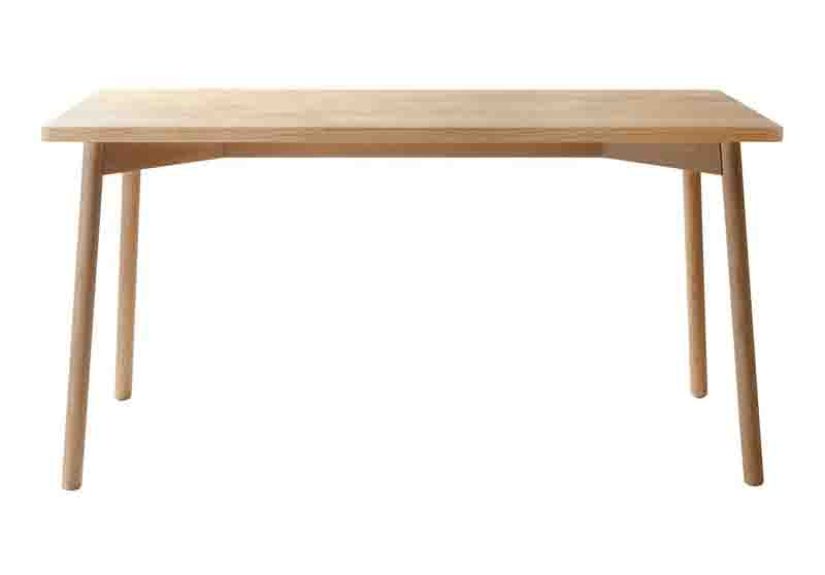
At the most literal level, the Skandi Desk is a real wood desk from Nikari, offered in ash or oak with a natural oil finish and sized for compact spaces. It is light in appearance, intentionally minimal, and proportioned to fit rooms that do not have the square footage of a tech founder’s loft. That matters, because many of today’s home offices are carved out of bedrooms, hallways, dining corners, or those mysterious “nooks” real estate listings love so much.
At the broader style level, though, a Skandi desk represents a design philosophy. Scandinavian interiors are typically associated with functionality, clean lines, natural materials, neutral colors, natural light, and quality craftsmanship. The desk is not supposed to dominate the room. It is supposed to support the way you live and work, while still looking warm and human.
That distinction is useful. You do not need to buy the exact Nikari piece to create a Skandi desk setup. You just need to understand what makes the look work: restraint, proportion, texture, and enough practicality to survive a real Tuesday.
Why the Skandi Desk Style Works So Well
1. It brings warmth without clutter
One reason Scandinavian desks are so popular is that they avoid the cold, corporate vibe of traditional office furniture. Natural wood adds warmth immediately. Light oak, ash, or wood-look finishes can make even a small workspace feel more open and less heavy. Instead of trying to impress you with flashy details, the desk lets the grain, shape, and craftsmanship do the talking.
2. It fits modern homes
Many people do not have a dedicated office anymore. They need a desk that can live in a bedroom, sit beside a window in the living room, or tuck into a hallway without making the whole house feel like tax season. A Skandi desk works because it is visually lighter than bulky executive furniture. Slim legs, a simple top, and minimal storage make the piece easier to integrate into multifunctional rooms.
3. It supports the “calm but not boring” aesthetic
Minimalism gets blamed for being sterile, but the best Scandinavian-inspired spaces are not cold at all. They are warm minimalism at its best: soft neutrals, wood tones, layered textures, and just enough personality to feel lived in. A Skandi desk acts like the anchor. It keeps the room grounded while giving you room to add a chair, lamp, art, or plant that reflects your taste.
4. It encourages better habits
There is something quietly persuasive about a tidy desk with a clear surface. It invites you to sit down and focus. A chaotic desk says, “Good luck, brave warrior.” A Skandi desk says, “Let’s answer three emails, drink water, and maybe become the person who finally labels folders.” That psychological effect is part of the appeal. Clean design makes it easier to maintain a clean workflow.
Key Design Features of a Great Skandi Desk
Natural wood or wood-look finishes
Wood is the hero material. It adds warmth, texture, and visual softness. Scandinavian-style spaces often lean on natural materials because they keep minimalist rooms from feeling flat. Light wood tones are especially effective because they bounce light around the room and support that bright, airy feeling people want from a home office.
Clean, unfussy lines
A true Skandi desk avoids decorative clutter. No dramatic carvings. No giant hardware trying to audition for a period drama. The best pieces are straightforward and intentional. Every curve, edge, and leg shape should feel deliberate.
Compact proportions
The actual Skandi Desk is a good example here. It is sized for smaller rooms, and that scale is a major part of its appeal. Scandinavian desks often prioritize footprint discipline. They give you enough surface to work without swallowing the room whole.
Functional simplicity
Simplicity does not mean uselessness. It means every feature earns its place. Some Scandinavian desks stay ultra-clean with a flat top and open legroom. Others add one drawer, a shelf, or cable access. The point is to make work easier, not busier.
Quality over gimmicks
Scandinavian design has long emphasized craftsmanship. That is why a Skandi desk often feels timeless instead of trendy. It is not trying to win the week. It is trying to stay beautiful for years.
How to Style a Skandi Desk Without Ruining It
Yes, it is possible to style a beautiful desk into oblivion. A Skandi desk looks best when you resist the urge to turn it into a tiny home decor gift shop.
Keep the desktop edited
Start with the basics: laptop, lamp, notebook, and one organizer. House Beautiful’s organizing advice gets the mood right here: a tidy desk really can help a space feel more focused. You do not need nineteen matching accessories. You need a few useful things that look intentional.
Use vertical space wisely
If your room is small, go up instead of out. Real Simple highlights the value of wall-mounted storage in compact work areas, and it is especially helpful with a Scandinavian desk setup. A floating shelf, peg rail, or slim wall organizer can free the desk surface without making the space feel crowded.
Add texture, not clutter
Scandinavian rooms become cozy through texture. Think linen curtains, a wool rug, a ceramic mug, a paper shade lamp, or a soft seat cushion. These details warm up a minimal desk area without making it look busy. Texture is how you keep “minimal” from drifting into “suspiciously unlived in.”
Let natural light do some of the work
One of the defining qualities of Scandinavian interiors is the emphasis on natural light. Place the desk near a window when possible. The wood will look richer, the room will feel brighter, and your video calls will stop making you look like you are broadcasting from a cave.
Bring in one living thing
A small plant, a branch in a vase, or even a restrained little bunch of greenery can help reinforce the nature-inspired feel that suits a Skandi desk so well. It adds softness and breaks up the geometry of the furniture.
Skandi Desk Meets Ergonomics
Now for the truth nobody wants to hear while admiring a gorgeous desk: if the setup hurts your neck, it is not a good workspace. Beauty matters, but so does the ability to stand up after a long afternoon without feeling like a folded lawn chair.
A well-designed desk should leave enough room for your legs and feet, and your keyboard and mouse should sit where your shoulders can stay relaxed and your wrists remain straight. A good ergonomic setup also puts the screen at a comfortable height and distance, generally around arm’s length away, with the top portion of the display near eye level. If your desk is fixed-height, the chair, monitor stand, footrest, and keyboard position become even more important.
This is where the Skandi desk style actually shines. Because the design is visually simple, it pairs well with ergonomic add-ons that do not overwhelm the look. A slim laptop riser, a discreet footrest, a supportive chair in wood, boucle, or neutral upholstery, and a clean task light can keep the aesthetic intact while making the space far more comfortable.
If you love the look of a minimalist wood desk, do not sabotage it with a dining chair you “borrowed” because it looked cute. Your back has opinions. Listen to them.
Who Should Choose a Skandi Desk?
Remote workers in small homes
If you need a desk that works hard but does not make your home feel like a startup annex, this style is a smart fit. Compact Scandinavian desks are especially strong in apartments, shared rooms, and blended spaces.
People who want timeless design
Trends come and go. One year every desk has ribbed edges, the next year everything is glossy black and vaguely spaceship-adjacent. A Skandi desk stays relevant because it leans on proportion, craftsmanship, and natural materials rather than novelty.
Anyone building a calmer workspace
If clutter stresses you out or visual noise kills your focus, a Scandinavian-style desk can help reset the mood of your office. It creates a cleaner backdrop for work and makes organization feel less like punishment.
Design lovers who still need practicality
Some desks are beautiful but useless. Others are useful but look like they were approved by an accounting department. A good Skandi desk meets in the middle. It feels intentional, but it still understands what a workday demands.
How to Shop for the Right Skandi Desk
Before buying, measure the room and think beyond the desktop alone. You need clearance for your chair, legroom underneath, and enough space to move around comfortably. A desk that looks dainty in a product photo can still overwhelm a tight room if the layout is wrong.
Then think about your actual work style. Do you need room for one laptop and a notebook, or are you juggling two monitors, a microphone, and enough cables to confuse a pilot? Do you want hidden storage, or do you prefer a clean slab top with everything filed elsewhere? There is no universally perfect Skandi desk. There is only the one that fits your room, your posture, and your weirdly specific habit of keeping three pens and using only one.
Pay attention to finish, too. A natural oil finish can feel richer and more organic, while lighter sealed surfaces may be easier for some households to maintain. If longevity matters, prioritize quality materials and construction over trendy extras.
The Real Appeal of the Skandi Desk
Ultimately, the Skandi desk is not just about furniture. It is about atmosphere. It represents a way of working that feels lighter, calmer, and a little more intentional. It says your workspace can be useful without looking harsh, and stylish without becoming exhausting.
That is why this desk style continues to resonate. It is practical enough for real life, beautiful enough for design lovers, and adaptable enough for the strange modern reality where the home office may also be a bedroom corner, dining room edge, or a highly committed section of the hallway.
And frankly, if a desk can make you feel more organized before you have actually done anything organized, that is a pretty impressive trick.
Experience: What It Feels Like to Live With a Skandi Desk
Living with a Skandi desk is different from owning a desk that simply fills a wall. It changes the rhythm of a room. The first thing most people notice is visual quiet. Because the desk is usually lighter in tone and simpler in form, it does not create that heavy “office block” feeling that some larger desks bring into a home. Even when the room is small, the space feels more breathable. That alone can make a workspace feel less like a chore zone and more like a place you willingly return to.
There is also a subtle psychological effect. A Skandi desk tends to encourage cleaner habits because clutter looks more obvious on it. That sounds harsh, but it is actually useful. On a bulky desk with dark finishes and a million compartments, mess can hide. On a minimal Scandinavian desk, an extra stack of papers suddenly looks like it wandered in uninvited. You become more selective. The desktop stays clearer. Focus comes a little faster.
Another experience people often report is that the desk blends into daily life better than expected. In a mixed-use room, that matters. A Skandi desk can serve as a workstation during the day, a writing spot in the evening, and a surface for reading, sketching, or planning on the weekend. It does not demand to be treated like a “serious office desk” all the time. It has a softer presence. That flexibility makes it especially appealing for people who want their homes to feel like homes first.
Then there is the tactile side of the experience. Wood changes everything. Running your hand across a natural or matte wood surface feels warmer and more grounded than touching cold laminate or glass. The material adds a kind of low-key comfort that is hard to quantify until you use it every day. A mug, a notebook, a lamp, and a laptop somehow look better on wood. Even your to-do list seems less hostile.
Of course, real life still happens. A Skandi desk will not magically answer your emails, fix bad Wi-Fi, or stop you from opening twelve tabs and calling it research. But it does create an environment that supports better work. When paired with a supportive chair, good lighting, and a few thoughtful accessories, it becomes the kind of setup that feels steady. Calm. Dependable. Not flashy, not fussy, just quietly excellent.
That may be the best way to describe the overall experience: a Skandi desk grows on you. It is not always the loudest piece in the room, but it is often the one that makes the whole room make sense. Over time, that balance of beauty, comfort, and usefulness becomes the thing you appreciate most. It is less about owning a fashionable desk and more about living with a workspace that makes everyday life feel a little more composed.
Conclusion
A Skandi desk earns its popularity because it solves more than one problem at once. It looks refined without being cold, compact without being flimsy, and practical without falling into office-furniture gloom. Whether you are drawn to the actual Nikari Skandi Desk or simply want a Scandinavian-inspired workspace, the formula is clear: natural wood, clean lines, thoughtful proportions, warm minimalism, and ergonomic common sense.
Get that mix right, and your desk stops being just another surface. It becomes the calm center of your workday, which is honestly more than most furniture can say.