Table of Contents >> Show >> Hide
- What Is Somatics?
- What Is Somatic Therapy?
- How Somatic Exercises Work
- Benefits of Somatics
- Beginner Somatic Exercises to Try
- What Does the Evidence Say?
- Who Might Benefit From Somatics?
- Who Should Be Careful?
- How to Start a Somatic Practice
- Common Myths About Somatics
- Somatics in Daily Life
- Experience Section: What Practicing Somatics Can Feel Like
- Conclusion
Somatics sounds like the kind of word you might hear in a yoga studio, a psychology office, or from a friend who has recently become very serious about breathing through their left nostril. But behind the trendy name is a practical idea: your body is not just a vehicle that carries your brain from coffee to meetings. It is also a source of information, emotion, memory, tension, and healing.
In simple terms, somatics is a body-based approach to awareness, movement, and well-being. Instead of pushing harder, stretching farther, or trying to “win” exercise, somatic practices ask you to slow down and notice what is happening inside your body. That might include your breathing, muscle tension, posture, heartbeat, balance, pain signals, or the quiet way your shoulders creep toward your ears when an email begins with “Just following up.”
This guide explains what somatics means, how somatic exercises work, what the evidence says, who may benefit, and how to practice safely. You will also find beginner-friendly examples and a practical experience section at the end for readers who want to understand what somatics actually feels like in real life.
What Is Somatics?
Somatics refers to practices that use internal body awareness as a starting point for movement, relaxation, emotional regulation, or therapeutic work. The word comes from “soma,” meaning the living body as experienced from within. That “from within” part matters. A regular workout often asks, “How many reps did you do?” Somatics asks, “What did you notice?”
Somatic practices may include gentle movement, breathing, body scans, grounding exercises, mindful stretching, trauma-informed therapy, yoga-inspired movement, tai chi, qigong, Feldenkrais-inspired lessons, Alexander Technique principles, or simple awareness exercises. While these methods are not identical, they share a common thread: the body and mind are deeply connected.
Somatics vs. Regular Exercise
Traditional fitness often focuses on external goals: speed, strength, flexibility, calories burned, or how heroic you look in moisture-wicking clothing. Somatic movement focuses more on internal feedback. The goal is not to force your body into a perfect shape. The goal is to sense, soften, coordinate, and restore choice.
For example, in a normal hamstring stretch, you might reach toward your toes and hold until your leg complains. In a somatic version, you may slowly bend and straighten your knee while noticing where the movement begins, whether your breath changes, and if your jaw tries to join the workout for no reason.
What Is Somatic Therapy?
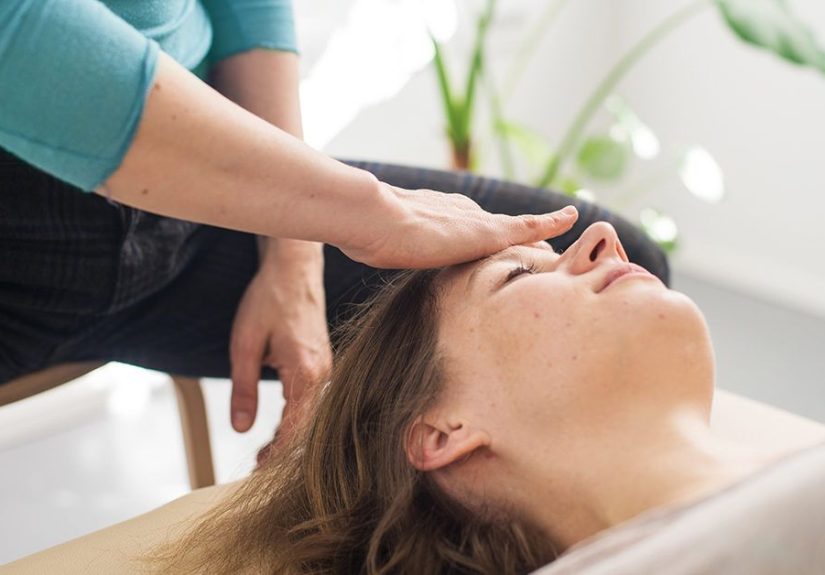
Somatic therapy is a body-centered form of mental health support that explores how emotions, stress, and trauma may show up physically. Instead of relying only on thoughts and words, somatic therapy may involve tracking sensations, noticing tension, practicing grounding, using breathwork, or gently working with movement.
This does not mean the body “stores trauma” in a magical or cartoonish way, as if your left hip has a locked filing cabinet labeled “2016.” A more careful explanation is that stress and trauma can affect the nervous system, muscle tone, breathing patterns, sleep, digestion, posture, and how safe or unsafe a person feels in their own body. Somatic therapy aims to help people become aware of these patterns and build a greater sense of regulation.
It is important to say this clearly: somatic therapy is not a replacement for medical care, trauma-focused psychotherapy, medication, or emergency support when those are needed. It may be used as a complementary approach, ideally with a licensed, trauma-informed professional when trauma, PTSD, panic, chronic pain, or significant mental health symptoms are involved.
How Somatic Exercises Work
Somatic exercises are usually slow, gentle, and awareness-based. They often work through three major pathways: attention, movement, and nervous system regulation.
1. Attention: Learning to Listen to the Body
Many people live mostly “above the neck.” They think, plan, analyze, worry, scroll, compare, and occasionally remember they have a body when their back hurts. Somatic exercises bring attention back to internal sensations. This skill is related to interoception, which means sensing signals from inside the body, such as breathing, heartbeat, hunger, fullness, temperature, pain, or tension.
2. Movement: Rebuilding Ease and Coordination
Somatic movement often uses small, repeated motions to help the brain and body rediscover easier patterns. Instead of yanking a tight muscle into submission, somatics may invite you to contract gently, release slowly, and notice the difference. This can help reduce unnecessary bracing and improve body awareness.
3. Regulation: Helping the Nervous System Shift Gears
Stress can put the body into a high-alert state. Breathing becomes shallow, muscles tighten, and the mind scans for danger like a security guard with too much coffee. Somatic exercises may support relaxation by encouraging slower breathing, grounded attention, and gentle movement. For many people, that creates a feeling of settling, though results vary.
Benefits of Somatics
Somatics is not a miracle cure, but it may offer several practical benefits when used consistently and safely.
Improved Body Awareness
One of the clearest benefits of somatic practice is learning to notice what your body is doing before it has to yell. You may catch shoulder tension earlier, recognize shallow breathing sooner, or realize that your lower back tightens during long work sessions.
Stress Relief
Somatic exercises often include slow breathing, mindful attention, and relaxation techniques. These elements may help reduce perceived stress and create a calmer physical state. Think of it as giving your nervous system a polite memo: “The tiger is actually just a calendar notification.”
Support for Pain Management
Some somatic approaches, such as Feldenkrais-style movement, Alexander Technique lessons, gentle yoga, and mindful movement, have been studied for pain-related outcomes. Evidence varies by method and condition, but many people use somatics to explore movement options, reduce guarding, and improve comfort. Anyone with chronic or severe pain should work with a qualified health professional.
Better Movement Quality
Somatics can help people move with less force and more awareness. This may be useful for dancers, athletes, desk workers, older adults, and anyone who has ever stood up from a chair while making a sound normally associated with antique furniture.
Emotional Grounding
Because emotions often have physical signatures, somatic techniques may help people identify and manage feelings. Anxiety may appear as chest tightness, grief as heaviness, anger as heat, and overwhelm as numbness or restlessness. Naming these sensations can make emotions feel less mysterious and more workable.
Beginner Somatic Exercises to Try
These exercises are gentle examples for general wellness. Stop if you feel pain, dizziness, panic, numbness, or worsening symptoms. If you have a medical condition, injury, pregnancy-related concerns, trauma history, or severe anxiety, ask a qualified professional before beginning.
1. The Body Scan
Lie down or sit comfortably. Close your eyes if that feels safe, or keep them softly open. Slowly move your attention from your feet to your head. Notice temperature, pressure, tingling, tension, or ease. Do not try to fix anything. Just observe.
Try this: Ask, “Where do I feel the most contact with the chair or floor?” This simple question can bring you back into the present moment.
2. Gentle Pandiculation
Pandiculation is the natural contract-and-release action you see when a cat stretches after a nap. To practice, gently tighten your shoulders toward your ears as you inhale. Hold for a second. Then slowly release as you exhale. Notice the after-effect.
Why it helps: Instead of forcing tight muscles to stretch, you briefly contract them and then let them soften. It is like reminding your shoulders that they are not legally required to live next to your eyebrows.
3. Somatic Breathing
Place one hand on your chest and one on your belly. Breathe naturally. Notice which hand moves more. Then invite the breath to widen gently into the ribs and belly without forcing it. Try five slow breaths.
Tip: The goal is not the world’s deepest breath. The goal is a smoother, easier breath.
4. Grounding Through the Feet
Stand or sit with both feet on the floor. Notice the contact points: heels, balls of the feet, toes, and outer edges. Slowly shift your weight forward and back, then side to side. Keep the movement small.
Use it when: You feel scattered, nervous, or stuck in your head.
5. Pelvic Clock
Lie on your back with knees bent and feet flat. Imagine your pelvis is resting on a clock. Gently tilt your pelvis toward 12 o’clock, then toward 6 o’clock. Move slowly. After a few repetitions, try 3 o’clock and 9 o’clock.
Why it helps: This exercise can improve awareness of the lower back, hips, and core without aggressive stretching.
6. Neck Release With Awareness
Sit comfortably. Slowly turn your head a few inches to the right, then back to center. Repeat to the left. Keep it easy. Notice whether one side feels smoother. Then reduce the effort by half and repeat.
Somatic rule: Smaller and slower often teaches the nervous system more than bigger and harder.
What Does the Evidence Say?
The evidence for somatics is promising in some areas but not equally strong across all claims. This is where we put on our sensible shoes and avoid turning wellness into a fireworks show.
There is growing interest in body-based and mind-body approaches for stress, trauma, pain, and emotional regulation. Research on yoga, tai chi, meditation, relaxation techniques, and physical activity is broader than research on “somatics” as one single category. Some of these practices show benefits for stress, sleep, mood, balance, and certain pain conditions.
Specific research on Somatic Experiencing, a trauma-focused body-oriented therapy, has shown encouraging results in some studies, including randomized controlled research for PTSD symptoms. However, experts generally agree that more high-quality studies are needed to confirm who benefits most, how long improvements last, and how somatic methods compare with established treatments.
Research on related methods such as the Alexander Technique and Feldenkrais Method suggests possible benefits for back pain, movement awareness, and function, but the strength of evidence depends on the condition and study quality. In short: somatics has real potential, but it should be presented honestly. It is not magic. It is not useless. It lives in the practical middle, where most helpful things live.
Who Might Benefit From Somatics?
Somatic exercises may be useful for people who want to improve body awareness, manage everyday stress, move more gently, or reconnect with their bodies after long periods of tension or inactivity.
Somatics may especially appeal to:
- People who feel disconnected from their bodies
- Desk workers with recurring tension
- People who find intense workouts overwhelming
- Older adults looking for gentle movement options
- Performers, athletes, or dancers wanting refined movement awareness
- People using mind-body practices as part of a broader stress management plan
- People in therapy who want to explore body-based emotional regulation
Who Should Be Careful?
Somatics is usually gentle, but gentle does not always mean appropriate for everyone at every moment. If you have recent surgery, unexplained pain, dizziness, neurological symptoms, severe trauma responses, panic attacks, joint instability, osteoporosis, pregnancy complications, or a major medical condition, talk with a clinician first.
People with trauma histories may also want to work with a trained somatic therapist rather than practicing intense body awareness alone. For some, closing the eyes or focusing inward can feel calming. For others, it can feel unsafe. A good practitioner will respect pacing, consent, boundaries, and choice.
How to Start a Somatic Practice
You do not need expensive equipment, a perfect mat, or leggings with a philosophical mission statement. Start small. Five minutes is enough.
Start With Curiosity
Before you move, pause and ask, “What do I notice?” You might notice tension, comfort, boredom, impatience, warmth, cold, or absolutely nothing. “Nothing” is still information.
Use Less Effort
Somatic movement often works best below your maximum range. Move at 30 to 60 percent of your effort. Your nervous system learns better when it is not being bullied.
Go Slowly
Speed can hide sensation. Slowness reveals it. Move as if you are trying to feel the beginning, middle, and end of each motion.
Pause Often
After each exercise, rest and notice what changed. This pause is not laziness. It is where your brain updates the map.
Practice Consistently
A few minutes most days may be more helpful than one dramatic weekly session where you attempt to become a spiritually awakened pretzel.
Common Myths About Somatics
Myth 1: Somatics Is Just Stretching
Stretching focuses on lengthening tissues. Somatics focuses on sensing and organizing movement from the inside. Stretching can be somatic, but not all stretching is somatic.
Myth 2: Somatics Can Cure Trauma Alone
Somatic practices may support trauma recovery, but trauma care often requires professional therapy, social support, safety, and sometimes medical treatment. Be cautious of anyone promising instant healing.
Myth 3: If It Is Gentle, It Cannot Be Powerful
Gentle work can be surprisingly effective because the nervous system responds well to safety, repetition, and attention. You do not always have to suffer to make progress. Shocking, but delightful.
Myth 4: You Have to Be Flexible
Nope. Somatics is not a flexibility contest. In fact, it may be especially useful for people who feel stiff, guarded, or awkward in movement.
Somatics in Daily Life
The best part of somatics is that it does not have to stay on a mat. You can bring somatic awareness into daily routines.
While brushing your teeth, notice whether you lock your knees. While typing, notice whether your shoulders are working harder than your fingers. While walking, feel how your feet meet the ground. While waiting in line, unclench your jaw and breathe as if the checkout process is not a personal attack.
These tiny moments add up. Somatics becomes less of an “exercise program” and more of a relationship with your body. And like any relationship, it improves when you stop ignoring the other party until something goes wrong.
Experience Section: What Practicing Somatics Can Feel Like
The first experience many people have with somatics is surprise. They expect exercise, but what they get is a conversation. Not an out-loud conversation, of course. That would make the yoga mat nervous. It is more like a quiet exchange between attention and sensation.
Imagine sitting at your desk after three hours of focused work. Your inbox is multiplying like a science experiment, your neck feels like a rusty hinge, and your breathing has moved into the upper chest as if your belly went on vacation. A typical response might be to stretch aggressively, crack your neck, grab more coffee, and continue typing with the intensity of someone defusing a bomb. A somatic response is different.
You pause. You feel your feet on the floor. You notice one shoulder is higher than the other. You do not judge it. You do not immediately yank it down like a broken window shade. You simply notice. Then you slowly lift both shoulders toward your ears, feel the contraction, and release them with an exhale. The first release may be tiny. The second may feel warmer. By the third, you might notice your breath dropping lower.
This is the heart of somatics: change through awareness, not force.
Another common experience happens during a body scan. At first, it may seem boring. Your mind may complain, “We are just lying here? Fantastic. Very athletic.” But after a minute or two, details appear. The right side of your back may feel heavier than the left. Your forehead may be tight. Your hands may feel warm. You may notice that your stomach tightens every time you think about tomorrow’s meeting. These observations are not problems to solve immediately. They are signals.
For people who are used to ignoring their bodies, somatics can feel unfamiliar or even emotional. Some people feel relief. Some feel frustration because slowing down is harder than expected. Some feel sleepy. Some feel restless. All of these responses can be normal. The practice is not about performing calmness. It is about building tolerance for noticing.
Over time, somatic practice may change how you move through ordinary life. You may catch yourself gripping the steering wheel and soften your hands. You may notice that your jaw tightens during difficult conversations. You may realize that shallow breathing is your early warning sign for overwhelm. These are small discoveries, but they are useful. They give you options.
One of the most valuable experiences in somatics is learning that comfort does not always come from doing more. Sometimes it comes from doing less with more attention. Smaller movements, slower breathing, and brief pauses can reveal patterns that effort alone misses. For anyone who has spent years treating the body like a stubborn machine, this can feel almost radical.
Somatics is not always dramatic. Most sessions do not end with thunder, enlightenment, or a choir of emotionally available dolphins. More often, the result is subtle: your neck turns a little easier, your breath feels wider, your feet feel more present, or your nervous system feels less like it is running twelve browser tabs at once. That subtlety is the point. The body often changes through repeated signals of safety and awareness, not one heroic breakthrough.
A practical way to begin is to choose one daily anchor. Before opening your laptop, feel your feet for three breaths. Before sleep, scan your body from head to toe. Before a difficult call, place a hand on your chest and notice your breathing. These small rituals help somatics become part of life rather than another wellness chore waiting on your to-do list.
The experience of somatics is ultimately personal. For one person, it may be a way to ease tension. For another, it may support therapy. For someone else, it may improve movement, balance, or self-trust. The common thread is attention. When you learn to listen to the body earlier, you often do not have to wait until it screams.
Conclusion
Somatics is a practical, body-centered approach to awareness, movement, and self-regulation. It invites you to slow down, notice internal sensations, and move with curiosity instead of force. Somatic exercises may support stress relief, body awareness, movement quality, emotional grounding, and pain management when practiced safely and consistently.
The evidence is strongest for related mind-body practices such as yoga, tai chi, relaxation training, physical activity, and certain structured methods. Research on specific somatic therapies, including Somatic Experiencing, is promising but still developing. That means somatics should be treated as a helpful tool, not a universal cure.
If you are curious, start gently. Try a body scan, grounding through the feet, slow breathing, or a small movement practice. Pay attention to what changes. Your body may not speak in full sentences, but it has been sending memos for years. Somatics helps you finally open the inbox.