Table of Contents >> Show >> Hide
- Why Brown Is Back in Home Design
- The New Brown Is Not the Old Brown
- Trending Shades of Brown Designers Love
- How to Use Brown Without Making a Room Feel Dark
- Best Rooms for the Brown Color Trend
- Colors That Pair Beautifully With Brown
- Materials That Make Brown Look Expensive
- Common Mistakes to Avoid With Brown Decor
- Budget-Friendly Ways to Try the Brown Home Color Trend
- Is Brown a Trend or a Timeless Neutral?
- Experience-Based Tips: What Living With Brown Really Feels Like
- Conclusion
For years, brown was treated like the quiet cousin at the color family reunion: dependable, a little serious, and usually sitting politely in the form of a leather sofa. Then something changed. Designers, paint brands, decorators, and homeowners started looking at brown againnot as a dated leftover from heavy 1970s dens, but as a rich, grounding, surprisingly elegant color that makes a home feel warmer the second it walks through the door.
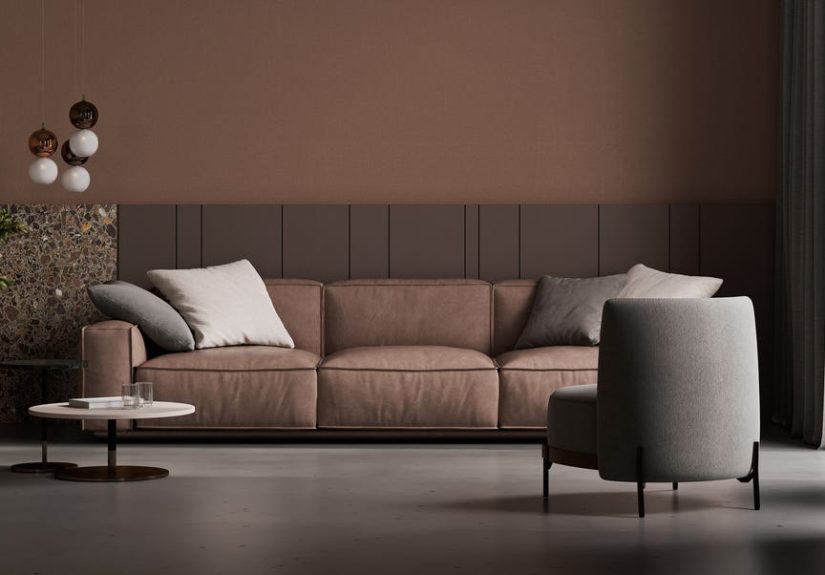
The brown home color trend is not about turning your living room into a cave or painting every wall the color of instant coffee. The new brown is layered, refined, and deeply livable. Think mocha walls, chocolate velvet chairs, walnut cabinetry, espresso trim, caramel accents, terracotta-brown textiles, and soft mushroom undertones that make a room feel collected instead of staged. It is cozy without being sleepy, sophisticated without being snobby, and neutral without being boring. Beige had a long run. Gray had a very long run. Brown has entered the chat wearing a cashmere sweater and excellent boots.
Across recent interior design forecasts, brown has been connected to comfort, nature, timelessness, and a growing desire for rooms that feel personal rather than sterile. Pantone’s 2025 Color of the Year, Mocha Mousse, helped push warm brown into the spotlight. Sherwin-Williams included a calming brown called Grounded in its 2025 Color Capsule. Benjamin Moore selected Cinnamon Slate, a plum-brown shade, for 2025 and followed with Silhouette, an espresso-brown neutral, for 2026. Dunn-Edwards chose Caramelized, a terracotta brown, as its 2025 Color of the Year. In other words, brown did not just wander into the design conversation. It arrived with receipts.
Why Brown Is Back in Home Design
The biggest reason brown is trending is simple: people want homes that feel like homes again. After years of cool gray walls, bright white kitchens, minimalist furniture, and spaces that sometimes looked more like phone-screen backgrounds than places where humans eat soup, brown brings back warmth. It adds visual weight, texture, and emotional comfort.
Designers often describe brown as grounding because it connects naturally to wood, soil, leather, stone, clay, coffee, chocolate, and dried grasses. These are materials and colors people instinctively understand. A brown room can feel calm because it borrows from the outdoors without shouting, “Look at me, I am nature!” It is less literal than green and less bright than yellow, yet it still gives a space a sense of life.
Brown also works beautifully with the current movement toward layered interiors. Instead of buying one matching furniture set and calling it a personality, homeowners are mixing old and new pieces: vintage tables, handmade ceramics, linen curtains, woven rugs, brass lamps, dark wood cabinets, and art with history. Brown acts as a bridge between all those elements. It can make a modern room feel warmer and a traditional room feel fresher.
The New Brown Is Not the Old Brown
Let’s be honest: brown has baggage. Some people hear “brown interior” and immediately picture a basement with wall-to-wall paneling, a plaid sofa, and lighting that makes everyone look like they are being interviewed for a documentary about mysterious disappearances. That is not the brown designers are celebrating now.
The modern brown home color trend is softer, more flexible, and more intentional. Instead of flat, muddy brown, today’s popular shades have undertones that make them feel complex. Mocha brown may lean creamy and soft. Chocolate brown may feel dramatic and luxurious. Espresso brown can replace black when a room needs depth but not harshness. Caramel brown brings golden warmth. Terracotta brown adds a clay-like glow. Taupe-brown and mushroom shades are perfect for people who want warmth but still prefer quiet neutrals.
The trick is choosing a brown with personality. A good brown should feel like a material, not just a color. It should remind you of walnut, cocoa, leather, coffee, cinnamon, clay, or aged bronze. If it reminds you of cardboard left in the rain, keep walking.
Trending Shades of Brown Designers Love
Mocha Brown
Mocha brown is the approachable star of the trend. It sits between beige, cocoa, and soft coffee, making it warm enough to feel cozy but light enough for everyday rooms. This shade works especially well in bedrooms, living rooms, breakfast nooks, and bathrooms. Pair it with cream, warm white, brushed brass, walnut, linen, and soft black for a look that feels calm and expensiveeven if your side table came from a very emotional late-night online shopping session.
Chocolate Brown
Chocolate brown is deeper, richer, and more dramatic. It is the color equivalent of dim lighting at a great restaurant. Designers like it because it brings instant depth to walls, built-ins, upholstery, and cabinetry. Chocolate brown can make a dining room feel intimate, a library feel classic, or a powder room feel glamorous. It pairs beautifully with ivory, deep red, olive green, dusty pink, ochre, and antique gold.
Espresso Brown
Espresso brown is the sophisticated alternative to black. It has the same ability to sharpen a space, but it feels warmer and softer. Use espresso on doors, trim, kitchen islands, bathroom vanities, fireplace surrounds, or accent furniture. In rooms with a lot of natural light, espresso brown looks crisp and tailored. In darker rooms, it creates a cocoon effect that feels moody in the best way.
Caramel and Toffee Brown
Caramel brown is friendly, golden, and easy to live with. It looks especially good in leather, wood, woven shades, velvet pillows, and area rugs. If your home already has warm oak floors, brass hardware, or creamy white walls, caramel is a natural fit. It adds warmth without making the room feel heavy.
Terracotta Brown
Terracotta brown is where brown meets clay, rust, and sunbaked earth. It is a strong choice for anyone who loves Mediterranean, Southwestern, organic modern, or vintage-inspired interiors. Use it on an accent wall, in tile, through throw pillows, or in artwork. It pairs well with plaster whites, olive green, natural wood, black metal, and woven textures.
Mushroom Brown
Mushroom brown is the quiet luxury member of the family. It is muted, earthy, and often sits between taupe, gray, and brown. This is the shade for homeowners who are nervous about going too warm but tired of cool gray. Mushroom brown is excellent for whole-room paint, upholstery, curtains, and cabinetry because it feels neutral while still having depth.
How to Use Brown Without Making a Room Feel Dark
Brown can be gorgeous, but it needs balance. The goal is warmth, not visual heaviness. If you are using a deep brown on walls, bring in contrast through lighter textiles, reflective finishes, and natural textures. Cream curtains, ivory lampshades, pale stone, linen bedding, light oak, glass, and brass all help lift the look.
Lighting also matters. A brown paint color can look rich and velvety in warm light but dull in cold light. Before painting an entire room, test large samples on different walls and look at them in the morning, afternoon, and evening. Brown has undertones, and those undertones are not shy. A shade that looks like soft cocoa in the store may turn purple, red, green, or gray at home depending on your lighting.
If you are nervous, start small. Try brown through a rug, throw blanket, lamp base, side table, picture frame, or pillow. A little brown can warm up a white room quickly. A medium amount can make the space feel layered. A lot of brown can be stunning, but only when the room has enough contrast and texture to keep it alive.
Best Rooms for the Brown Color Trend
Living Room
The living room is the easiest place to experiment with brown because it already welcomes cozy textures. A chocolate velvet sofa, caramel leather chair, walnut coffee table, mocha wall color, or brown patterned rug can make the room feel instantly more grounded. For a modern look, pair brown with cream, black, and sculptural lighting. For a traditional look, add plaid, brass, books, framed art, and darker wood tones. For an organic look, mix brown with linen, stone, jute, and greenery.
Bedroom
Brown is excellent in bedrooms because it creates a restful, cocoon-like atmosphere. Mocha walls, espresso nightstands, cinnamon-brown bedding, or mushroom-colored curtains can make the room feel calm and intimate. Unlike bright colors, brown does not demand attention when you are trying to sleep. It whispers, “Relax.” Your phone screams, “One more video.” Choose wisely.
Kitchen
Brown has always belonged in kitchens through wood cabinets, butcher block, and stone, but now it is becoming more intentional. Designers are using walnut cabinetry, espresso islands, brown-veined marble, bronze hardware, and warm clay tile. Brown works especially well in kitchens because it makes white counters and stainless appliances feel less cold. If a full cabinet renovation is too much, painting only the island in a deep brown can create a custom, designer-level focal point.
Bathroom
Bathrooms are a surprisingly good place for brown. A mid-tone mocha vanity, bronze mirror, terracotta tile, or chocolate wall color can make a small bathroom feel polished rather than plain. Brown also works well with stone, cream tile, unlacquered brass, and soft white towels. In a powder room, a dark brown wall color can feel dramatic and jewel-box-like, especially with warm lighting.
Dining Room
If there is one room where deep brown can show off, it is the dining room. Chocolate, espresso, and oxblood-brown tones create intimacy and drama. Add a wood dining table, upholstered chairs, candles, art, and a warm metal chandelier, and suddenly weeknight pasta feels like a reservation. Brown is also forgiving in dining rooms because it hides minor scuffs better than pale walls.
Colors That Pair Beautifully With Brown
Brown is more versatile than many people think. It can act as a neutral, a statement color, or a supporting shade depending on how it is paired.
Cream and warm white: This is the safest and most timeless combination. Cream keeps brown from feeling too dark and makes the room look soft and elegant.
Olive green: Brown and olive create a natural, earthy palette that feels relaxed and mature. This pairing is perfect for living rooms, kitchens, and bedrooms.
Dusty pink: Pink softens brown and gives it a romantic, vintage-inspired edge. Choose muted blush, rose, or clay-pink shades rather than bubblegum tones.
Navy blue: Navy adds structure and contrast. With brown, it feels classic, tailored, and slightly preppy.
Oxblood and burgundy: These red-brown shades create a luxurious, layered look. Use them in textiles, artwork, or accents if you want warmth with drama.
Mustard and ochre: Golden yellows bring out the richness in caramel and chocolate brown. This pairing can lean retro, so use it with clean lines if you want a more modern result.
Black: Brown and black can absolutely work together. The secret is intention. Add cream, brass, wood, or stone so the palette looks designed rather than accidental.
Materials That Make Brown Look Expensive
The brown trend is strongest when color and material work together. Brown paint is beautiful, but brown in texture is even better. Walnut, oak, leather, suede, velvet, wool, rattan, jute, clay, bronze, and natural stone all bring brown to life.
A mocha wall looks richer beside linen curtains. A brown leather sofa feels softer with a wool rug. Espresso cabinets look more elegant with marble or quartz counters. Terracotta-brown tile feels fresher with plaster walls and modern black fixtures. The goal is to create contrast between smooth and rough, matte and shiny, light and dark.
This is why brown fits so well with today’s love of organic modern interiors. It supports natural materials rather than competing with them. It also helps newer homes feel less builder-basic. A single warm brown accent can make a white-box room feel more architectural.
Common Mistakes to Avoid With Brown Decor
Choosing a Brown That Is Too Flat
Flat brown can feel dull. Look for shades with depth, such as red-brown, plum-brown, coffee-brown, golden brown, or clay-brown. Undertones make brown feel designed.
Using Too Many Heavy Pieces
A brown sofa, brown rug, brown wall, brown curtains, and brown furniture can become overwhelming if everything is dark and solid. Mix in lighter colors, open-leg furniture, mirrors, metal, glass, and soft fabrics.
Ignoring the Floor Color
Your floors matter. Brown walls next to orange-toned wood floors may look too warm unless balanced with cream, black, green, or blue. Brown furniture on dark floors may disappear unless you add a lighter rug.
Forgetting About Undertones
Some browns lean red, some lean yellow, some lean gray, and some lean purple. Always test samples. Brown is charming, but it is also sneaky.
Budget-Friendly Ways to Try the Brown Home Color Trend
You do not need a full renovation to embrace brown. In fact, the easiest brown updates are often the most stylish. Start with textiles: a chocolate throw blanket, mocha pillow covers, a caramel wool rug, or brown linen curtains. These pieces can change the mood of a room without requiring a paint roller or a weekend of regret.
Next, try small furniture. A walnut side table, espresso bookshelf, vintage wood chair, or leather ottoman can add warmth instantly. Thrift stores and vintage marketplaces are excellent places to find brown wood pieces with character. The small dents and scratches are not flaws; they are “patina,” which is design language for “this has lived a little.”
For a bigger change, paint trim, doors, a fireplace mantel, a powder room, or a kitchen island. Brown paint on a smaller surface can feel bold without taking over the house. If you love the result, move to larger walls. If you do not, at least you did not paint the whole living room espresso after one inspiring cup of coffee.
Is Brown a Trend or a Timeless Neutral?
Brown is trending, but it is not new. That is why designers like it. Unlike neon accents or ultra-specific microtrends, brown has always existed in interiors through wood, leather, stone, baskets, books, and textiles. What is new is the way people are using it more intentionally as a paint color, upholstery choice, and whole-room palette.
Because brown is tied to natural materials, it has staying power. A walnut table does not suddenly become irrelevant because an app says chrome is having a moment. A mocha bedroom can feel current now and still restful years later. A chocolate dining room can look classic with traditional furniture or edgy with modern art.
The key is choosing brown in a way that fits your home rather than copying a trend exactly. If your style is minimalist, use mushroom brown and espresso accents. If your style is traditional, lean into chocolate, leather, brass, and wood. If your style is bohemian, try terracotta brown, woven textures, and warm whites. If your style is modern, use brown as a sharp contrast against cream, stone, black, and sculptural shapes.
Experience-Based Tips: What Living With Brown Really Feels Like
In real homes, brown tends to work best when it is treated less like a paint-chip decision and more like a mood-setting tool. The first experience many people notice after adding brown is that the room feels warmer even before anything else changes. A white room with a brown rug, a wood table, and a caramel throw suddenly feels less echoey. It feels like someone turned the visual temperature up a few degrees.
One of the most practical lessons is that brown is forgiving. In busy homes, especially ones with pets, kids, guests, or snack-loving adults who pretend crumbs are invisible, brown textiles and wood finishes are easier to live with than stark white. A medium brown sofa can hide daily wear better than a pale beige one. A walnut coffee table can handle life better than a glossy black surface that shows every fingerprint like it is collecting evidence.
Another experience homeowners often discover is that brown changes dramatically with lighting. A mocha wall in morning light can look creamy and soft. At night, under warm lamps, it may become deeper and cozier. This is why layered lighting is essential. Brown rooms love table lamps, sconces, candles, and shaded bulbs. Harsh overhead lighting can make brown look flat, while warm side lighting gives it dimension.
Brown also encourages better decorating habits. Because it is grounded and material-friendly, it naturally pushes a room toward texture. Once you add a brown velvet pillow, you may want linen curtains. Once you bring in a walnut table, you may want a ceramic lamp. Once you paint a powder room chocolate, you may suddenly care about the mirror frame, the hand towel, and whether the soap bottle is ruining the vibe. Brown has a way of making small details look important.
There is also a comfort factor that is hard to measure but easy to feel. Brown rooms often feel settled. They do not chase attention. They invite people to sit down, talk longer, read a book, or linger after dinner. This makes brown especially good for rooms where you want connection: living rooms, dining rooms, bedrooms, dens, and kitchens with seating areas.
The best personal rule for using brown is to combine it with at least three different textures. For example, in a living room, you might use a chocolate sofa, a jute rug, a walnut side table, cream linen curtains, and a brass lamp. In a bedroom, try mocha walls, white bedding, a leather bench, wool pillows, and dark wood nightstands. In a bathroom, pair a brown vanity with stone tile, a bronze mirror, cotton towels, and a small woven basket. Texture keeps brown from feeling heavy.
Finally, brown works best when it feels intentional. One random brown item may look accidental. Three or four brown moments across a room look designed. Repeat the color in small ways: a frame, a chair leg, a vase, a pillow, a wood bowl, or a lampshade. That repetition creates rhythm. The room feels pulled together without looking too matched. And that is the real magic of the brown home color trend: it makes a space feel warm, layered, and lived-in, not decorated in a hurry five minutes before guests arrive.
Conclusion
The brown home color trend designers say is in makes perfect sense for the way people want to live now. Homes are becoming warmer, more personal, more textured, and less afraid of depth. Brown offers all of that while still behaving like a neutral. It can be soft as mocha, bold as espresso, rich as chocolate, earthy as terracotta, or subtle as mushroom. It works with modern, traditional, rustic, vintage, organic, and minimalist spaces because it is rooted in materials we already love.
If you want to try the trend, start with one layer: a rug, a pillow, a wood table, a painted vanity, or a warm brown accent wall. If you are ready for drama, go deeper with chocolate walls, espresso trim, or color-drenched rooms. Just remember the golden rule: brown needs texture, contrast, and good lighting. Give it those three things, and it will reward you with a home that feels calm, elegant, cozy, and quietly expensive.
Note: This article is an original, web-ready synthesis based on current U.S. interior design trend reporting, paint color forecasts, designer commentary, and home color guidance. No source links are included per the publishing request.