Table of Contents >> Show >> Hide
- Why Tortoise General Store Has Such a Strong Design Reputation
- What Makes a Tortoise General Store Carafe Stand Out
- How a Carafe Like This Changes the Table
- Why Japanese Design Principles Matter Here
- Best Ways to Use a Tortoise General Store Carafe
- What to Consider Before Buying
- Care Tips for Keeping It Beautiful
- Why This Kind of Piece Has Lasting Appeal
- The Experience of Living with a Carafe Like This
- Conclusion
- SEO Tags
Some tabletop pieces are loud. They arrive like a brass band, demanding compliments before anyone has even taken off their coat. A carafe from Tortoise General Store is the opposite kind of charmer. It does not yell. It does not glitter at unsafe levels. It simply sits there looking calm, useful, and quietly superior, like the one person at the dinner party who actually remembered to bring good olives.
That is part of the magic. Tortoise General Store has built its reputation around Japanese goods that balance utility, craft, and restraint, so a carafe from the shop is rarely just a vessel for water. It is a small lesson in how daily objects can make life feel slower, better, and far less cluttered. On a bedside table, it reads as thoughtful. On a breakfast table, it looks elegant without trying too hard. On a dinner table, it says, “Yes, we do care about the details,” but in a cool way, not a fussy way.
If you are searching for a tabletop carafe that feels both practical and design-forward, this category of piece from Tortoise General Store deserves a long look. It blends handcraft, Japanese design sensibility, and real-world usefulness in a way that many home accessories talk about but never quite pull off.
Why Tortoise General Store Has Such a Strong Design Reputation
Before getting to the carafe itself, it helps to understand why Tortoise General Store matters. The Los Angeles shop has long been admired for curating Japanese home goods that are simple, well made, and meant to be lived with rather than merely admired from a safe decorative distance. In other words, this is not a store built around throwaway trends. It is built around objects with staying power.
That philosophy changes the way you read a product. A carafe from a random mass retailer might be attractive for a season. A carafe from Tortoise General Store feels like it was chosen because it earns its place through daily use. That difference matters on the tabletop, where the best pieces need to perform a double act: they have to work beautifully and look good while doing it.
In design terms, this is the sweet spot between minimalism and warmth. The shapes are restrained, but they are not cold. The materials are honest, but they are not boring. The finish may be smooth, hand-blown, clear, tinted, or softly irregular, yet the overall impression is consistent: this object was made to age gracefully. Which, frankly, is more than most of us can say after a week of bad sleep and too much iced coffee.
What Makes a Tortoise General Store Carafe Stand Out
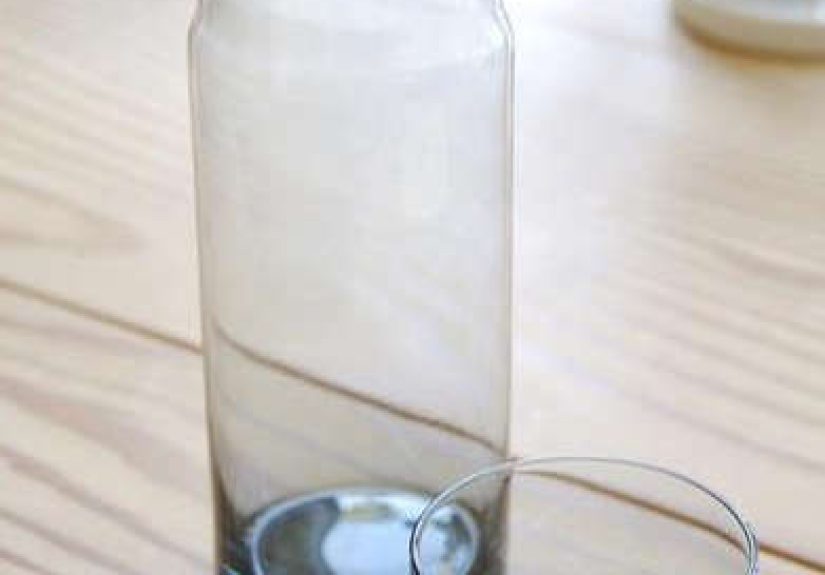
When people talk about a Tortoise General Store carafe, they are often talking about a piece that does more than pour water. Many of the shop’s most memorable options fall into the night-carafe family: a two-piece design where the glass sits on top as a lid. It is clever, sculptural, and wonderfully efficient.
1. It turns function into form
A standard pitcher does the job. A well-designed Japanese glass carafe turns that job into an experience. The lid-as-cup design is a perfect example. It keeps water cleaner, saves space, and creates a neat silhouette when the two pieces are stacked together. On a tabletop, that stacked shape gives the object visual presence without bulk.
2. Handmade details make it feel alive
One of the pleasures of hand-blown glass is that it does not look machine-stamped into submission. Slight variations in shape, color, and tone create character. That tiny bit of irregularity is often what makes a carafe feel special instead of sterile. It has the human touch, which is increasingly rare in a world full of products that look like they were designed by a spreadsheet.
3. It works in more than one room
Yes, a bedside carafe is the obvious use. But the best ones do not stay there. The same piece can move to a breakfast tray, a guest room, a dining table, a reading nook, or a home office. Fill it with water and lemon slices, cold-brew tea, or even a small batch cocktail. When a tabletop object is versatile, it earns permanent-citizenship status instead of becoming one more “special occasion only” purchase.
How a Carafe Like This Changes the Table
Good tabletop styling is not about stuffing every square inch with candles, flowers, coasters, mini bowls, and whatever else your inner maximalist found on sale at 1:00 a.m. It is about rhythm. Height, texture, transparency, and negative space all matter. A hand-blown glass carafe contributes to that rhythm in a very specific way.
First, it adds height without heaviness. That matters because a table full of low objects can look flat and sleepy. A carafe lifts the composition while keeping it visually airy, especially in glass. Second, it reflects light. Natural daylight, candlelight, even that slightly rude overhead kitchen light all play differently across glass, giving the table a more layered look. Third, it introduces a useful focal point. Guests know what it is, how to use it, and where to look when they need water. That kind of intuitive functionality is underrated.
A tabletop carafe also encourages a more relaxed style of hosting. Instead of hopping up every six minutes to refill glasses, you can place the carafe within reach and let the table take care of itself. The room feels more casual, the host feels less frantic, and everyone gets to pretend the evening is effortlessly chic. We love a useful illusion.
Why Japanese Design Principles Matter Here
Part of the appeal of a carafe from Tortoise General Store is that it reflects larger Japanese design values: restraint, utility, craftsmanship, and attention to daily rituals. These values may sound lofty, but they show up in very practical ways.
The silhouette is usually clean. The proportions are thoughtful. The object does not include extra flourishes just because someone in product development got bored. That simplicity is what allows it to move between settings so easily. It can look right at home on a minimalist oak table, beside crisp white bedding, or next to a more collected, layered tablescape with linen napkins and ceramic plates.
There is also a quiet respect for ritual. Pouring water before bed. Setting out a drink for a guest. Starting the morning with a glass of water before coffee hijacks the entire nervous system. These are tiny acts, but design that honors them makes the home feel more intentional.
Best Ways to Use a Tortoise General Store Carafe
On the bedside table
This is the classic use for a night carafe, and for good reason. The lid keeps the water protected, the cup is built in, and the object looks composed instead of cluttered. It turns nighttime hydration into something a little more graceful and a lot less “I am drinking from a mismatched mug next to three books and a phone charger.”
On a breakfast table
At breakfast, a carafe feels lighter than a full pitcher and more polished than serving directly from a carton or bottle. Water, juice, infused water, or cold tea all look better in glass. The table instantly feels calmer and more considered.
On a dinner table
If you entertain, a hand-blown glass carafe is one of the easiest upgrades you can make. It works especially well on smaller tables where a bulky pitcher would dominate the scene. It keeps service flexible while adding that one extra design note that makes the whole setup feel complete.
In a guest room
This may be the most charming use of all. A carafe and glass by the bed signals care. It is a boutique-hotel move, but warmer. Guests notice this kind of thing. They may not say, “Wow, your hydration strategy is impeccable,” but they will feel looked after.
What to Consider Before Buying
Not every carafe is right for every home, so here is the practical reality check.
If you want something indestructible, a delicate handmade glass carafe may not be your soulmate. This is not the item to hand to a toddler, a large excitable dog, or that one relative who somehow breaks a water glass every holiday. But if you value beauty, tactile quality, and the pleasure of using thoughtful objects, it offers far more than a generic vessel from a discount shelf.
You should also consider scale. A smaller Tortoise General Store bedside carafe is ideal for personal use, while a larger tabletop version may work better for entertaining. Think about whether you want it to live mainly in the bedroom, the kitchen, or the dining area. The best purchase is the one that fits your actual habits, not your fantasy life where every breakfast includes fresh flowers and handwritten menus.
Care Tips for Keeping It Beautiful
A beautifully made carafe deserves a little respect. Hand washing is often the safest route for artisanal glass, especially if the form is delicate or the finish is distinctive. Dry it with a soft cloth to avoid water spots, and store the cup-lid carefully so you are not balancing glass on glass like a daredevil.
For daily use, rinse it often and refill with fresh water rather than letting it sit indefinitely. On the table, use a linen napkin or coaster beneath it if condensation is likely. These are small habits, but they help preserve both the object and the surface underneath. Your table will appreciate not being turned into a ring-shaped memory board.
Why This Kind of Piece Has Lasting Appeal
Trends in home decor come and go with impressive speed. One year everything is checkerboard. The next year everything is squiggles. Then suddenly every object in America is scalloped. A carafe from Tortoise General Store sidesteps that cycle because its appeal comes from function and craft, not novelty.
That is what makes it a smart buy. It is beautiful without being loud, useful without being dull, and refined without feeling precious. It belongs to a category of home objects that quietly improve daily life, which is often the best kind of luxury. Not the kind that screams, but the kind that keeps earning its keep.
The Experience of Living with a Carafe Like This
What does the experience actually feel like once the carafe is no longer a product photo and is simply part of your home? Surprisingly intimate. That may sound dramatic for a water vessel, but stay with me. Some objects become background noise the minute you bring them in. A well-made carafe does the opposite. It slips into your routine and gently improves it.
In the evening, the ritual starts small. You fill the carafe at the sink, set the glass-lid on top, and place it on the bedside table. Suddenly the area looks more composed. Not “magazine stylist with a hidden crew” composed, but calm enough that the room feels intentional. The carafe catches a little light from the lamp, maybe a little moonlight if the universe is being generous, and your nightstand stops looking like a charging station with emotional damage.
Then there is the practical joy. You wake up thirsty at 2:13 a.m., and instead of stumbling to the kitchen with the coordination of a confused raccoon, the water is right there. The glass is already waiting. The motion is simple: lift, pour, drink, sleep again. It is one of those tiny conveniences that seems minor until you live with it, and then you wonder why you spent so many years doing bedtime hydration on hard mode.
By morning, the carafe changes character. It no longer reads as a sleep accessory; it becomes part of the room’s visual rhythm. On a tray with a book and a small bowl, it looks elegant. On a breakfast table, it feels fresh and generous. Filled with lemon water or cold tea, it gives the impression that you have your life together, even if your email inbox is a haunted forest and one sock remains missing.
Guests notice it, too. They may ask where it came from. They may pick it up and comment on the shape, the weight, or the way the cup fits over the top. That interaction matters because it reveals what good design does: it invites use. The carafe is not merely decoration pretending to have a purpose. It is an active participant in daily life.
Over time, the object gathers emotional texture. You begin to associate it with quiet mornings, late-night reading, weekend breakfasts, and the small kindness of setting out water for someone staying over. It becomes less about “owning a beautiful tabletop accessory” and more about building a home that supports gentle routines. That is where Tortoise General Store’s design point of view really lands. The value is not just in appearance. It is in the way an object makes ordinary moments feel more settled, more thoughtful, and a little more human.
And that, in the end, is why a carafe like this sticks around. Not because it is trendy. Not because it looks good in a photo, though it certainly does. It stays because it becomes useful in a deeply satisfying way. It turns water into a ritual, the table into a calmer place, and the home into a setting where practical things can still feel special. For a humble carafe, that is a pretty heroic résumé.
Conclusion
A carafe from Tortoise General Store is more than a container. It is a compact example of what great tabletop design should do: solve a real problem, elevate everyday rituals, and make the room look better without demanding applause. Whether you use it as a bedside water set, a breakfast-table staple, or a sculptural accent for relaxed entertaining, it brings together Japanese craftsmanship, clean form, and lived-in practicality.
If your goal is to build a home filled with objects that are useful, beautiful, and capable of aging gracefully, this kind of tabletop carafe is exactly the sort of piece worth bringing in. Quietly stylish, thoughtfully made, and refreshingly versatile, it proves that even a simple drink of water can come with better design.