Table of Contents >> Show >> Hide
- What Makes a Great Bathroom Plant?
- The Best Bathroom Plants That Thrive in Humidity
- Easy Placement Ideas (So Your Bathroom Doesn’t Become a Jungle Gym)
- Bathroom Plant Care: Small Habits That Make a Big Difference
- Pet and Kid Safety (Quick, Practical Notes)
- How to Build a Bathroom Plant Setup in 15 Minutes
- Common Mistakes (and How to Avoid Them Without Becoming a Plant Scientist)
- Real-Life Bathroom Plant Experiences (The Fun Part, The Oops Part, and the “Wow” Part)
- Conclusion
- SEO Tags
Your bathroom is basically a tiny weather system. It has fog (showers), warm air (baths),
and sometimes a dramatic “monsoon season” when everyone gets ready at once. While most rooms
make houseplants beg for a sip of moisture, bathrooms often hand it out like free samples at Costco.
The trick is choosing plants that don’t just tolerate humiditythey love it. Below you’ll find
humidity-happy bathroom plants (including options for low light and even windowless bathrooms), plus
practical placement and care tips so your new green roommates don’t turn into “compost with feelings.”
What Makes a Great Bathroom Plant?
A good bathroom plant handles three common “bathroom realities”: fluctuating humidity, inconsistent light,
and occasional temperature swings (hello, winter tile shock). Most bathrooms also have tighter airflow,
so plants that hate stagnant conditions need a little extra strategy.
Bathroom reality check: humidity helps, but airflow matters
Steam can keep tropical plants from getting crispy leaf edges, but a constantly damp, poorly ventilated bathroom
can also encourage fungus and mildew. Your goal is a healthy middle ground: let humidity rise during showers,
then help the room dry out afterward (exhaust fan, cracked door, or a small window).
Light is the dealbreaker (but you have options)
“Low light” does not mean “no light.” If your bathroom has a windoweven a frosted oneyou’re in business.
If it’s truly windowless, pick the toughest low-light plants and consider a simple grow bulb or rotate plants
in and out from a brighter room every week or two. Think of it as a plant vacation schedule.
Golden rule: drainage or drama
Humidity-loving plants still hate sitting in soggy soil. Use pots with drainage holes and a saucer,
or keep nursery pots inside decorative cachepots and empty excess water. In bathrooms, overwatering happens fast
because the air already feels “wet,” which can trick you into watering like it’s your love language.
The Best Bathroom Plants That Thrive in Humidity
These picks are popular for a reason: they enjoy moisture in the air, they look great in small spaces, and they
won’t act offended if your bathroom light is more “vibe” than “sun.”
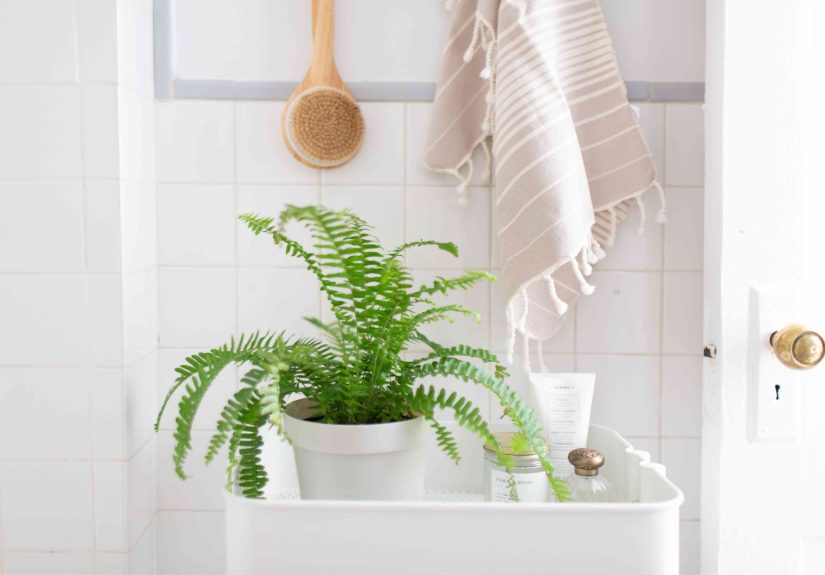
1) Boston Fern (and other ferns)
If bathrooms had an official mascot plant, ferns would be campaigning hard. Many ferns naturally grow in
humid, shaded environments, so bathroom steam feels like home. Boston fern is a classic, and smaller ferns
like lemon button fern can be great if you’re short on counter space.
- Light: Bright, indirect is ideal; tolerates medium light
- Water: Keep soil evenly moist, not swampy
- Placement: On a shelf near a window, or hanging to show off the fronds
- Pro tip: If frond tips brown, it’s often dryness or inconsistent wateringbathroom humidity can help, but don’t skip the basics.
2) Bird’s Nest Fern
Bird’s nest fern has bold, wavy fronds that look like a leafy fountain. It’s a humidity fan and tends to do well
in bathrooms where the air stays a bit more moist than the rest of the house. Unlike some ferns, it has a
sturdier look that reads “modern spa” instead of “Victorian conservatory.”
- Light: Medium to bright indirect
- Water: Water the soil; avoid pouring water into the center “nest”
- Placement: Countertop away from direct sun, or a stool near a frosted window
- Pro tip: Aim for gentle consistencythis plant likes routine more than surprises.
3) Golden Pothos (and Neon Pothos)
Pothos is the easygoing friend who shows up in sweatpants and still looks great. It tolerates lower light,
bounces back from missed waterings, and loves trailing from shelves or hanging baskets. In humid bathrooms,
pothos often grows faster and keeps its leaves looking lush.
- Light: Low to bright indirect (variegated types need more light to stay patterned)
- Water: Let the top inch or two of soil dry, then water thoroughly
- Placement: High shelf, shower-adjacent ledge (not in direct spray), or hanging near a window
- Pro tip: Trim long vines above a node to encourage fullnesslike a haircut that actually improves your life.
4) Heartleaf Philodendron
Similar vibe to pothostrailing, tolerant, and happy in humiditybut with its own heart-shaped charm. It’s a great
“green curtain” plant for shelves, and it generally enjoys warm, moist air. If your bathroom is bright enough,
it can grow into a pretty dramatic statement without demanding a dramatic level of effort.
- Light: Medium to bright indirect; tolerates lower light
- Water: Water when the top layer dries out
- Placement: Hanging basket, shelf, or trailing from a cabinet top
- Pro tip: Wipe leaves occasionallybathroom “product haze” is real, and plants like clean leaves for photosynthesis.
5) Peace Lily
Peace lilies are famous for doing well indoors, including in lower light, and they appreciate humidity. They’re also
wonderfully honest: when thirsty, they droop like they’ve just read an emotional novel. Water them, and they perk up
with a “never mind, I’m fine” recovery.
- Light: Low to bright indirect (more light = better blooming)
- Water: Keep soil lightly moist; don’t let it stay soaked
- Placement: Floor pot near a window, or a vanity corner with consistent indirect light
- Pro tip: If leaves yellow, it can be overwateringhumidity does not mean “daily watering.”
6) Spider Plant
Spider plants are the friendly overachievers of the houseplant world: adaptable, forgiving, and likely to produce
little “pups” when they’re happy. Bathrooms can help them look extra perky, and they’re excellent in hanging
baskets where their arching leaves can do their thing.
- Light: Bright indirect is best; tolerates medium light
- Water: Water when the top couple inches dry
- Placement: Hanging by a window, or on a high shelf for cascading “pup” potential
- Pro tip: In very low light, spider plants may lose some striping and grow slowerstill alive, just less “runway.”
7) Moth Orchid (Phalaenopsis)
Want your bathroom to feel like a boutique hotel? Add a moth orchid. Orchids naturally enjoy humidity, and bathrooms
can be a great place for them as long as they get bright, indirect light. The key is not drowning the rootsorchids
like moisture in the air more than they like soggy media.
- Light: Bright, indirect (near a window, filtered light)
- Water: Water sparingly; let the potting medium approach dryness between waterings
- Placement: Vanity or shelf near a window, away from direct sun and direct shower spray
- Pro tip: If roots look silvery, it’s usually time to water; if they’re constantly dark and mushy, you’re overdoing it.
8) Bromeliads
Bromeliads bring tropical color and structurealmost like living decor. Many have a central “cup” formed by the rosette of leaves,
and they enjoy warm, humid air. They’re excellent when you want a bold look without needing a giant plant.
- Light: Bright indirect; some tolerate medium light
- Water: Keep the potting mix lightly moist; some types like water in the central cup (depending on species)
- Placement: Bright bathroom shelf, ideally near a window
- Pro tip: Don’t let water sit stale foreverrefresh periodically to avoid funky smells (bromeliads should not smell like regret).
9) Air Plants (Tillandsia)
Air plants are the minimalists of the plant world: no soil, no potting drama, lots of styling potential. Bathrooms can be a sweet spot
because humidity helps them stay hydrated. They still need light and occasional soaking or misting, but they’re great for small ledges,
wall mounts, or cute trays.
- Light: Bright, indirect
- Water: Soak or rinse regularly, then let them dry completely
- Placement: Near a window or on a shelf where air can circulate
- Pro tip: Let them dry within a few hours after soakingconstantly wet air plants can rot.
10) Calathea or Prayer Plant (Maranta)
If you want leaves that look like they were painted by someone with excellent taste, calatheas and prayer plants are your people.
They often prefer higher humidity than the average houseplant, which makes bathrooms appealing. They can be a bit picky about watering
consistency, but humidity helps keep their edges from browning.
- Light: Medium to bright indirect
- Water: Keep soil evenly moist; avoid letting it dry out completely
- Placement: Shelf near a frosted window, away from direct sun
- Pro tip: If leaf tips brown, it can be low humidity, inconsistent watering, or mineral-heavy watertry filtered water if you notice repeated issues.
11) ZZ Plant
For bathrooms with limited natural light, ZZ plants are a top-tier survivalist. They store water in thick rhizomes, tolerate low light,
and generally don’t mind if you treat them like a background character. Humidity won’t hurt them, but the real reason they shine in
bathrooms is their low-light tolerance.
- Light: Low to medium; bright indirect speeds growth
- Water: Let soil dry significantly between waterings
- Placement: Floor corner, shelf, or vanity area where light is minimal
- Pro tip: Overwatering is the #1 way to annoy a ZZ plant. If in doubt, wait a few days.
12) Snake Plant
Snake plants are famously tough and can handle low light, making them another strong pick for bathrooms that aren’t exactly sunlit.
They’re not “humidity-demanding,” but they tolerate it wellespecially if you keep watering conservative. They also add nice vertical lines,
which makes small bathrooms look more styled with almost no effort.
- Light: Low to bright indirect (slower in low light)
- Water: Allow soil to dry out fully between waterings
- Placement: Floor pot by the tub, corner near a vanity, or a sturdy shelf
- Pro tip: If you’re a chronic over-waterer, use a gritty, well-draining mix so the roots don’t sit damp.
Bonus: Lucky Bamboo
Lucky bamboo (often sold in water with pebbles) is a classic “bathroom-friendly” option because it tolerates lower light and doesn’t require soil
if grown hydroponically. If you like clean lines and a spa feel, it’s hard to beat.
- Light: Low to medium; avoid harsh direct sun
- Water: If grown in water, keep roots covered and refresh regularly
- Placement: Vanity, shelf, or a spot that stays warm
- Pro tip: Use filtered or distilled water if you notice browning tips from mineral buildup.
Easy Placement Ideas (So Your Bathroom Doesn’t Become a Jungle Gym)
Near the shower (but not in the splash zone)
Humidity is great; constant soaking is not. Place plants on shelves or hooks near the shower where they’ll enjoy steam
without getting blasted daily. Air plants, pothos, and ferns often do well here when they have airflow.
On the vanity
Vanity plants work best when they can handle occasional water droplets and product residue. Orchids, bromeliads,
and smaller ferns can look polished herejust wipe leaves once in a while.
Hanging baskets and high shelves
Trailing plants (pothos, philodendron, spider plant) make excellent use of vertical space. Hanging also helps keep leaves
away from curious pets or little hands, if that’s a factor in your home.
Bathroom Plant Care: Small Habits That Make a Big Difference
1) Ventilation is your plant’s best friend (and your bathroom’s, too)
Plants love humidity spikes, but bathrooms shouldn’t stay constantly damp. Run the exhaust fan during showers and for a bit afterward,
or crack the door to help the room dry. This reduces the chance of mildew on walls and fungus on plant leaves.
2) Water less than you think (especially in steamy months)
In a humid room, soil dries more slowly. Before watering, touch the soildon’t guess based on vibes. Many bathroom plant problems are
simply “too much love in liquid form.”
3) Clean leaves = happier plants
Bathrooms can leave a fine film on foliage (hair spray, soap residue, “mystery mist”). Wipe broad leaves gently with a damp cloth.
For ferns, a light rinse in the sink works better than leaf-by-leaf negotiations.
4) Watch for sneaky stress signals
- Brown leaf tips: often inconsistent watering, low humidity (less likely in bathrooms), or mineral-heavy water
- Yellowing leaves: frequently overwatering or poor drainage
- Leggy growth: not enough lightmove closer to a window or add a small grow light
Pet and Kid Safety (Quick, Practical Notes)
If pets or younger siblings have access to your bathroom plants, check toxicity before you buy. Several popular choices
(like pothos, philodendron, peace lily, snake plant, and ZZ plant) can cause irritation if chewed. The simplest fix is placement:
hang plants, use tall shelves, or choose pet-safer options (like many ferns and spider plants) when possible.
No plant is meant to be eaten, thoughso even “safer” plants can still cause an upset stomach if someone treats them like salad.
When in doubt, keep plants out of reach.
How to Build a Bathroom Plant Setup in 15 Minutes
- Choose your zone: bright window, medium light shelf, or low-light corner.
- Pick 2–3 plants: one trailing (pothos), one statement (fern or bromeliad), one “insurance” plant (ZZ or snake plant).
- Pot smart: drainage holes, saucer, and a well-draining indoor mix.
- Set a simple reminder: check soil weekly, water only when needed.
- After-shower routine: fan on, door crackedyour plants get steam, your bathroom avoids swamp mode.
Common Mistakes (and How to Avoid Them Without Becoming a Plant Scientist)
Mistake: assuming humidity replaces watering
Humidity helps leaves, not roots. Plants still need properly watered soiljust usually less often in bathrooms.
Mistake: “windowless” doesn’t mean “plantless,” but it does mean “strategic”
If your bathroom has no natural light, choose tough low-light plants (ZZ, snake plant) and consider rotating a pothos
in from a brighter room periodically. If you want a plant to truly grow (not just survive), add a small grow bulb.
Mistake: trapping plants in constant dampness
If towels never dry and mirrors always fog, the room is staying too wet. Run the fan longer, crack the door, and avoid
leaving plants with wet leaves overnight. Humidity is good; perpetual damp is not.
Real-Life Bathroom Plant Experiences (The Fun Part, The Oops Part, and the “Wow” Part)
Adding plants to a bathroom sounds like an aesthetic decisionand it isbut it also changes how the room feels.
People often describe their first week with a bathroom plant the same way they describe a new candle: “Why didn’t I do this sooner?”
There’s something about brushing your teeth next to a fern that makes adulthood feel slightly more put-together, even if your laundry
basket is doing its best impression of Mount Everest in the other room.
The first “aha” moment is usually how quickly humidity-lovers respond. A fern that looked a little tired in a living room corner
often perks up in a bathroom like it just got a spa membership. Leaf edges can look smoother, new growth pops out faster, and
trailing plants like pothos may start throwing longer vinesespecially if they’re near a window. The bathroom becomes a tiny
greenhouse, and your plant is basically saying, “Yes, finally, the air has texture.”
Then comes the classic learning curve: overwatering. Bathrooms feel wet, so it’s easy to assume the soil is dry because you
feel dry (or because the plant looks dramatic). Many new bathroom plant owners water on a schedule instead of checking the soil,
and that’s when the yellow leaves show up like tiny caution flags. The fix is simple: touch the soil first. If the top is still
damp, step away from the watering can like it’s a microphone you’re about to drop.
Another common experience is discovering “microclimates” within the same bathroom. A plant on the windowsill might dry out faster,
while a plant on a shelf near the shower stays damp longer. You might find yourself moving pots a few inches like you’re a plant
interior designer: “What if you lived here… with better light… and less shampoo mist?” This is normal. Plants don’t mind a
little furniture rearranging. (Okay, they mind, but they can’t file complaints.)
People also report that bathroom plants change their routines in surprisingly positive ways. Wiping down a mirror becomes a two-second
leaf check. Running the exhaust fan becomes a “plant health” habit, not just a “please don’t let the ceiling look questionable” habit.
And once you’ve watched an orchid bloom next to your sink, you start treating the space less like a utility closet and more like a room
you actually live in.
The biggest “wow” moment is when guests notice. Someone will walk in, pause, and say, “Your bathroom is… calming.” That’s the plant effect.
It’s not that plants magically solve life, but they do make daily routines feel less mechanical. Even on chaotic mornings, a pothos vine
draping off a shelf gives the room a soft, lived-in vibelike your home is gently whispering, “We have it together,” even if you’re
wearing mismatched socks and running on caffeine.
Finally, there’s the long-term experience: once you’ve kept a bathroom plant alive for a few months, you’ll start picking plants for
function and mood. Ferns for lushness. Snake plants for “I forgot to water.” Orchids for hotel energy. Air plants for tiny
shelf styling. It becomes less about having plants and more about building a little ecosystem that makes your bathroom feel fresh, warm,
and quietly impressivelike a mini retreat that happens to contain a toothbrush.