Table of Contents >> Show >> Hide
- Why a Dietitian Wanted a Backyard Farm
- The Foundation: Sun, Space, and a Plan (Not Just a Seed Haul)
- How She Built It: A Backyard-Farm Blueprint You Can Steal
- 1) Repurpose materials (save money, save landfill space)
- 2) Plant food and flowers
- 3) Start seeds indoors (a greenhouse is nice, not required)
- 4) Water smarter with drip irrigation (or soaker hoses)
- 5) Grow what you’ll actually eat
- 6) Design for pests before pests design for you
- 7) Make it pollinator-friendly
- 8) Want chickens? Treat it like food production, not a pet trend
- Plan Like a Dietitian: Build a Farm That Matches Your Life
- What a Dietitian Grows First: A Nutrition-Forward Starter List
- A Low-Drama Maintenance Routine
- Common Beginner Mistakes (And Quick Fixes)
- The Payoff: Food, Mood, and a Full Basket
- Conclusion
- Extra: of Real-Life Backyard Farm Experience (The Stuff You Don’t Post)
- SEO Tags
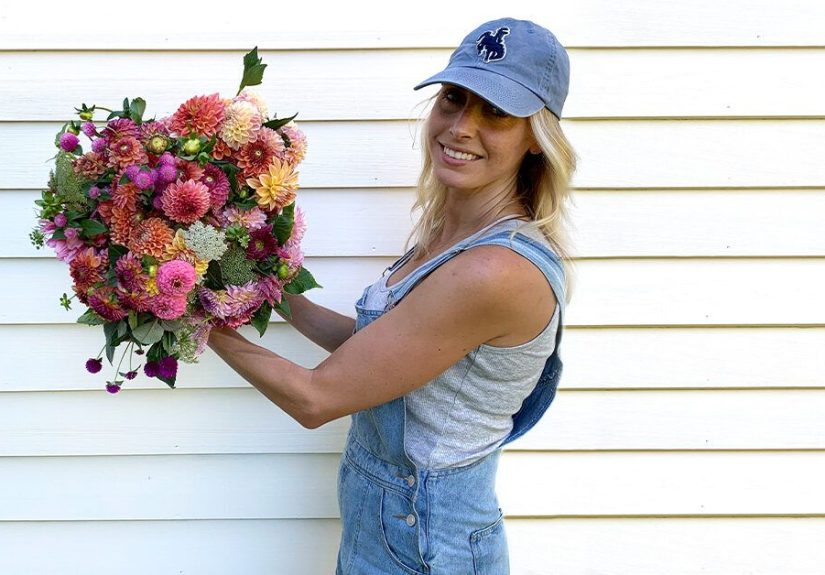
Picture this: a registered dietitian looks at her backyard and thinks, “You know what would improve my life? More vegetables… and less of this sad, broken pool.” That’s essentially what happened for Jillian Kubala, MS, RD, who documented how she and her husband transformed part of their Long Island, New York property into a thriving backyard farm: vegetables, fruit, flowers, and a setup designed to welcome pollinators (plus a chicken coop).
This isn’t a fairy tale where you buy 40 acres and a tractor. It’s a practical blueprint for backyard farming that you can scale to a suburban yard, a city patio, or even a few containers. Let’s break down what she did, what she learned, and how you can copy the strategywithout copying the mistakes.
Why a Dietitian Wanted a Backyard Farm
Dietitians talk about eating more plants for a living. A backyard farm makes that advice hilariously convenient. For Jillian, the motivations stacked up:
- Health and flavor: produce picked at peak ripeness tastes better and makes “eat your veggies” feel less like homework.
- Sustainable living: growing food at home can reduce waste and cut some grocery-store dependency.
- Habitat: she wanted a space that supported bees, butterflies, and birdsnot just a lawn you mow and forget.
The Foundation: Sun, Space, and a Plan (Not Just a Seed Haul)
Claim your sunniest spot
Most vegetables thrive with about 6+ hours of sun. Jillian’s “sunny spot” required major workshe removed a failing pool and deck, leveled the area, and created a clean slate. Your version might be simpler: clearing brush, pruning shade-casting branches, or relocating that “temporary” patio furniture you’ve been moving since 2019.
Choose raised beds, in-ground beds, or both
Jillian began with about 10 raised beds and later shifted much of the farm to in-ground beds to stretch space. Here’s the quick decision guide:
- Raised bed garden: ideal for poor soil, better drainage, earlier spring warm-up, easier access, cleaner rows.
- In-ground beds: cheaper to expand, often need less frequent watering, great for sprawling crops.
If you’re new, start with one bed or a few containers. Your first season is mainly researchexcept it’s wet, muddy research that sometimes gets eaten.
Build soil like it’s the main character
Backyard farms succeed or fail in the soil. A simple routine keeps it manageable:
- Test your soil so you’re not guessing at pH and nutrients.
- Add compost to improve structure and fertility.
- Mulch to hold moisture and reduce weeds (future-you will send a thank-you note).
Quick soil-sampling tip: take small scoops from several spots in the same bed area, mix them in a clean bucket, and send a composite sample to a local lab. Your results will usually come with straightforward amendment recommendations. It’s one of the few “adulting” moves in gardening that pays off immediately.
Composting at home: the easiest upgrade you’ll ever make
If you want a backyard farm that stays verdant year after year, composting is the not-so-secret weapon. The basic formula is simple: mix “greens” (food scraps, fresh plant trimmings) with “browns” (dry leaves, shredded paper, straw). Keep it slightly moist, turn it occasionally, and let microbes do the heavy lifting.
What not to toss in a typical backyard compost pile: meat, dairy, large amounts of oil, pet waste, and diseased plants. Those invite pests and pathogens and can turn your wholesome compost bin into a neighborhood rumor.
How She Built It: A Backyard-Farm Blueprint You Can Steal
1) Repurpose materials (save money, save landfill space)
One of Jillian’s best moves was using what she already had: old decking became garden-bed material, and some wood from the property was milled for additional beds. Your “repurpose win” could be as simple as fabric grow bags, food-safe buckets, or reclaimed bricks for edging.
2) Plant food and flowers
Jillian didn’t separate “productive” from “pretty.” She grew vegetables alongside flowers to attract beneficial insects and pollinators. Easy farm-friendly blooms include zinnias, marigolds, nasturtium, sunflowers, lavender, and borageplus native flowers if you can find them locally.
3) Start seeds indoors (a greenhouse is nice, not required)
Jillian starts many plants from seed. You can do it on a shelf with a light. A practical split:
- Direct sow: peas, beans, carrots, many greens, cucumbers, squash.
- Start indoors: peppers and slower crops you want to transplant after frost.
Label everything. Otherwise you’ll play “Guess That Seedling” for weeks. Spoiler: they all look like tiny green commas.
4) Water smarter with drip irrigation (or soaker hoses)
As her beds expanded, Jillian installed drip irrigation. It’s efficient because it delivers water at the soil level, reducing waste and keeping leaves drier (which can help with disease). If you’re hand-watering more than a couple beds, consider drip or soaker hoses, plus mulch to slow evaporation.
5) Grow what you’ll actually eat
Jillian admits she initially grew vegetables just because they were “pretty.” Later, she focused on crops her household used constantly. Try planning by meals:
- Taco garden: tomatoes, cilantro, jalapeños, onions, lettuce.
- Pasta garden: basil, cherry tomatoes, garlic, zucchini.
- Snack patch: strawberries, sugar snap peas, cherry tomatoes.
6) Design for pests before pests design for you
Backyard farming includes pests, weather, and the occasional fungal plot twist. Prevention is cheaper than panic:
- Barriers: fencing for deer/rabbits, netting for birds, row cover for seedlings.
- Diversity: mixed plantings and flowers can reduce pest pressure.
- Observation: a 5-minute daily walk-through catches problems early.
7) Make it pollinator-friendly
“Verdant” isn’t just green leavesit’s a functioning ecosystem. Add flowering plants across the season, lean into native plants when possible, provide shallow water (a birdbath counts), and go light on pesticides. Your harvest often improves when pollinators feel welcome.
8) Want chickens? Treat it like food production, not a pet trend
Jillian keeps chickens, and she emphasizes that animals require daily care. They’re also a food safety responsibility. Public-health guidance recommends hygiene around backyard poultry and eggs (handwashing, keeping coop gear outside, collecting eggs often, refrigerating promptly, and cooking eggs thoroughlyespecially for higher-risk groups).
Plan Like a Dietitian: Build a Farm That Matches Your Life
Jillian’s biggest “pro move” is mindset: she treats the garden like a supportive system, not a second job. Before you expand, answer three questions:
- Time: Can you realistically check the garden most days for 5–10 minutes?
- Budget: Do you need fencing or irrigation right away, or can you start smaller and add those later?
- Eating habits: Which vegetables do you buy every week? Those are your best first crops.
Use succession planting so harvests don’t hit all at once
A common beginner surprise is the “everything ripens on the same Tuesday” phenomenon. Succession planting fixes that: sow small batches of greens every couple weeks, stagger bush beans, and plan a second round of cool-weather crops (like lettuce and spinach) for late summer or early fall. The result is steadier harvests and less pressure to cook 14 cucumbers before they turn into pickles on their own.
Stretch the season with simple tools
You don’t need a greenhouse to extend your growing season. Lightweight row covers, low tunnels, or cloches can protect seedlings from chilly nights and keep pests off young plants. In many regions, that’s the difference between “my tomatoes are fine” and “my tomatoes are a cautionary tale.”
What a Dietitian Grows First: A Nutrition-Forward Starter List
If your goal is better eating, start with crops that make weeknight meals easier:
- Leafy greens: lettuce, spinach, kale, chard (fast, frequent harvests).
- Herbs: basil, parsley, cilantro, chives (high flavor per square inch).
- Tomatoes and peppers: huge taste upgrade from store-bought.
- High-yield staples: cucumbers, green beans, zucchini (share with neighbors or accept your new zucchini-based identity).
A Low-Drama Maintenance Routine
Backyard farms get overwhelming when they rely on “big weekend energy.” Instead, use small, repeatable habits:
- Most days: a quick check for moisture, pests, and ripe produce.
- Once or twice a week: trellis, prune lightly, weed while they’re tiny.
- Weekly: harvest, add compost, reset mulch, replant a short-season crop.
Common Beginner Mistakes (And Quick Fixes)
Planting for vibes instead of meals
If you don’t like eating beets, don’t plant six rows of beets. Grow what you truly use, then experiment with one “fun” crop.
Scaling up before you have a system
Big gardens are amazing until watering becomes your evening hobby. Nail soil + watering + a simple schedule first, then expand.
Ignoring the off-season
Fall cleanup, compost, mulch, and a little planning make spring dramatically easier. The farm you want in July is built in October.
The Payoff: Food, Mood, and a Full Basket
A backyard farm changes your relationship with food. You waste less because you’ve watched it grow. You eat more plants because they’re right there. And gardening can support physical activity and stress reductionbenefits that show up in research and, honestly, in the way you exhale when you step outside and see something thriving.
Conclusion
Jillian Kubala didn’t build a verdant backyard farm by being perfect. She built it by being consistent: making space, improving soil, watering efficiently, planting food and flowers together, and learning from the inevitable messiness of nature.
If you copy only one idea, copy this: start smaller than your enthusiasm wants. Build one bed, choose a few high-use crops, add compost, invite pollinators, and let the first season teach you what your backyard can do. The garden will humble you, feed you, and occasionally surprise you with a tomato that tastes like sunlight.
Extra: of Real-Life Backyard Farm Experience (The Stuff You Don’t Post)
The first time you decide to “start a backyard farm,” you’ll feel wildly optimistic. That optimism is usefuljust don’t let it buy 40 seed packets.
In the beginning, everything feels like possibility. You prep a bed, sprinkle seeds, and imagine yourself casually harvesting dinner like you’re starring in a wholesome cooking show. Reality arrives around week three, usually wearing the face of a weed that grew overnight and the attitude of a squirrel who has chosen violence.
This is when experience kicks in. You learn that the daily five-minute walk-through isn’t optional; it’s the difference between “wow, a few aphids” and “why is my kale sticky and haunted?” You learn to water consistently instead of dramatically. Gardens don’t need grand gestures. They need regular ones.
You also learn that soil work is what makes everything else easier. Compost isn’t glamorous, but it’s the quiet hero. Mulch is even less glamorous, yet it saves you from weekend-long weed battles. By mid-season, you stop chasing perfection and start chasing systems: a reliable watering setup, a compost routine, a place for tools, and a habit of harvesting before things get overripe and weird.
Harvesting has a learning curve. You discover which plants need frequent picking to keep producing, and you learn that “a few zucchini” is never a few zucchini. Sharing becomes a skill.
Eventually, you get practical: you keep a bowl on the counter for “eat today” produce, you freeze herbs in olive oil cubes, and you learn a couple no-drama preservation tricks (quick pickles, a simple tomato sauce, greens sautéed and frozen). Not because you’re trying to be a pioneerbecause you’d like to stay friends with your refrigerator.
If you add chickens, you’ll learn two truths immediately: they’re charming, and they don’t care about your schedule. Routines matterclean coop habits, handwashing, prompt refrigeration, and proper cooking.
The biggest surprise is emotional. You start noticing weather and seasons. You waste less, eat more plants, and feel oddly proud of the lopsided ones. Care for it, and it cares back.