Table of Contents >> Show >> Hide
- Why a Bird Feeder That Accepts Bottle Caps Works So Well
- The Real Story Behind the Bottle Cap Magpie Feeder
- Why Magpies Are the Perfect Birds for This Experiment
- How the Bottle Cap Bird Feeder Actually Trains the Bird
- Is This Really Recycling?
- What This Teaches Us About Backyard Wildlife
- Why the Internet Loves This Story
- The Design Genius: Simple Task, Clear Reward
- Could Other Birds Learn This?
- The Bigger Lesson: Technology Can Make Us Notice Nature
- Experience Notes: What It Feels Like to Watch a Magpie Use a Bottle Cap Feeder
- Conclusion
Some backyard inventions make you smile. Others make you stare at your screen and whisper, “Wait… the birds have a rewards program now?” The bottle cap bird feeder built for magpies lands proudly in the second category. It is part wildlife experiment, part recycling machine, part snack dispenser, and part proof that corvids are the feathered engineers of the neighborhood.
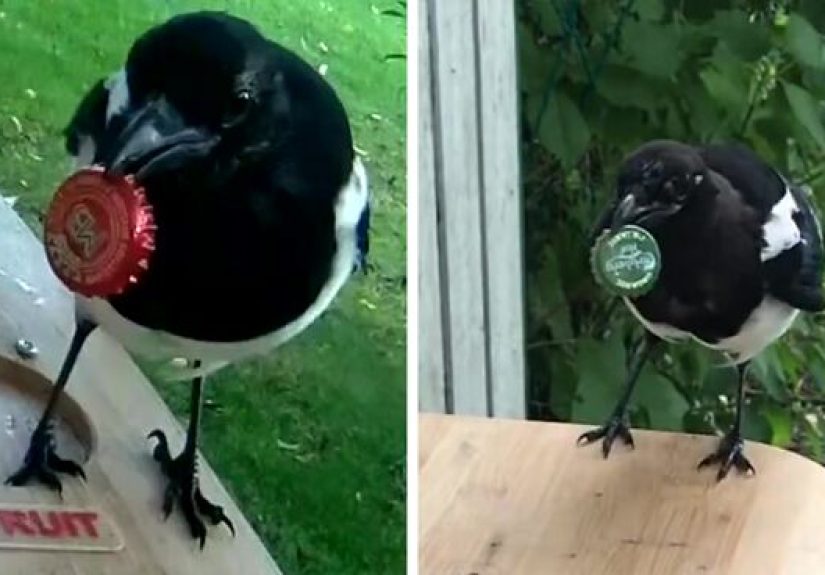
The idea is wonderfully simple: a magpie brings a bottle cap, drops it into a machine, and receives food in return. In human terms, it is a vending machine. In magpie terms, it is probably a very respectable business opportunity with excellent margins and no paperwork.
This clever concept became widely known through Hans Forsberg’s BirdBox project, a DIY system designed to encourage wild magpies to trade litter for treats. The machine uses mechanical design, electronics, software, sensors, and 3D-printed parts to reward birds when they deposit bottle caps. It sounds like science fiction, but it is rooted in something very real: magpies are smart, curious, observant, and unusually good at learning patterns.
Why a Bird Feeder That Accepts Bottle Caps Works So Well
At first glance, a bird feeder that accepts bottle caps seems like a novelty. Look a little closer, and it becomes a fascinating example of animal learning. Magpies are members of the corvid family, the same brainy club that includes crows, ravens, and jays. These birds are famous for problem-solving, remembering locations, watching other animals, and investigating objects that most creatures would ignore.
A normal bird feeder says, “Here is food.” This bottle cap bird feeder says, “Here is food, but first, please complete a small assignment.” That extra step is the magic. Instead of passively feeding birds, the system creates a clear exchange: object goes in, reward comes out.
The Reward Loop
The feeder works because it creates a reliable reward loop. The magpie finds or receives a bottle cap. It carries the cap to the feeder. It drops the cap into a designated opening. A sensor or trigger detects the cap. Food is dispensed. The bird eats. Then the bird, being no fool, remembers the deal.
This is not “recycling” in the human moral sense. The magpie is not standing on a branch thinking about municipal waste policy. But it is learning a task that produces a benefit. That is still impressive. Frankly, many humans struggle with recycling even when there are giant signs and color-coded bins involved.
The Real Story Behind the Bottle Cap Magpie Feeder
The most famous version of this idea comes from Hans Forsberg, who built a machine often referred to as BirdBox. Forsberg had experience with robotics and artificial intelligence in industrial applications, and he noticed magpies visiting his garden. Like many corvids, they were curious, bold, and very interested in objects around the yard.
Instead of simply watching them poke around, he wondered whether their curiosity could be channeled into a useful behavior. Could wild magpies learn to collect small pieces of litter and trade them for food? After years of tinkering, observing, adjusting, and training, the answer appeared to be yes.
The machine was not just a wooden box with snacks inside. It involved a dispenser, detection system, moving parts, software, and a structure designed so the bird could interact with it safely. Some versions included a Raspberry Pi and camera setup to monitor visits and behavior. In other words, this was not a weekend “hot glue and optimism” project. It was a serious maker experiment wearing a very funny hat.
Why Magpies Are the Perfect Birds for This Experiment
Magpies are not random backyard visitors. They are among the most behaviorally flexible birds people regularly encounter. In North America, the black-billed magpie lives across parts of the American West, often near open areas, grasslands, ranches, stream corridors, and human development. They do not avoid people completely; in fact, they often do quite well around farms, yards, and places where food opportunities appear.
That comfort around human spaces matters. A shy bird would not be ideal for a feeder that requires landing on a platform, inspecting a hole, manipulating an object, and trusting a machine that makes mechanical noises. A magpie, however, may look at the same device and think, “Suspicious. Interesting. Possibly edible. I will investigate immediately.”
Magpie Intelligence Is Not Just Internet Hype
Research into magpie cognition has produced some remarkable findings. European magpies have shown evidence of mirror self-recognition in scientific experiments, a rare ability among animals. Other research on black-billed magpies suggests they can perform sophisticated abstract-concept learning tasks, such as understanding relationships like “same” and “different.”
That does not mean every magpie is secretly doing calculus behind your garage. But it does mean these birds have the mental flexibility needed to notice patterns, test behaviors, remember outcomes, and adapt. Those are exactly the abilities required for a bottle cap reward feeder.
How the Bottle Cap Bird Feeder Actually Trains the Bird
The most important ingredient is not the sensor, the food tube, or the 3D-printed parts. It is patience. Training wild animals works best when it respects the animal’s pace. The bird has to discover that the feeder is safe, that the object matters, and that a specific action produces a reward.
In practical terms, the training process may begin by simply making the feeder attractive. Food appears there. The birds visit. They become familiar with the platform and surroundings. Later, bottle caps are introduced near the reward area. Eventually, the bird accidentally moves or drops a cap in the right place and receives food. That accidental success becomes a clue.
Once the bird repeats the action and receives another reward, the connection strengthens. Over time, the behavior becomes deliberate. The bird is no longer randomly knocking things around. It is operating the machine.
Young Magpies May Learn Faster
One interesting pattern reported in stories about the project is that younger magpies may be bolder and quicker to experiment, while adults can be more cautious. That makes sense. Young animals often explore more aggressively because they are still learning the rules of their environment. Adult birds may be wiser, but they also know that strange boxes can be risky.
In a backyard setting, this can create hilarious social drama. One bird does the work. Another bird tries to steal the snack. A third bird watches from a branch like a tiny unpaid supervisor. If you have ever worked on a group project, the situation may feel familiar.
Is This Really Recycling?
Yes and no. The magpies are not sorting plastics by resin code or checking local curbside rules. They are trading objects for food. However, the concept highlights an important environmental truth: small litter adds up. Bottle caps are easy to lose, easy to overlook, and easy for wildlife to encounter.
In normal recycling systems, rules vary by material and location. Metal caps, plastic caps, and mixed-material caps may be handled differently depending on local facilities. The safest human habit is still to follow local recycling guidance, keep caps out of nature, and prevent small items from becoming litter in the first place.
The BirdBox idea is not a replacement for responsible waste management. It is a brilliant demonstration of behavioral design. It turns a tiny environmental problem into a visible, memorable story. People may forget a lecture about litter. They will not forget a magpie running a bottle cap vending machine.
What This Teaches Us About Backyard Wildlife
The magpie bottle cap feeder is fun, but it also raises a serious point: feeding wild birds comes with responsibility. Audubon and other bird-care organizations emphasize that feeders should be kept clean and safe. Dirty feeders can spread disease, especially when many birds gather in one place. Food should stay dry and fresh, and feeder surfaces should be cleaned regularly.
That applies even more strongly to experimental feeders. A machine with tubes, trays, sensors, and moving parts needs regular inspection. Food should not jam, rot, mold, or attract pests. The feeding platform should not trap feet, pinch toes, or expose birds to sharp edges. Wildlife engineering is adorable only when it is safe.
Safety Tips for Anyone Inspired by the Idea
If you are tempted to build your own bottle cap bird feeder, start with safety rather than spectacle. Use non-toxic materials. Avoid exposed wires. Keep food portions small. Do not create dependency by making the feeder the only food source in the area. Clean the device often. Watch for signs of crowding, aggression, illness, or stress.
Also, think carefully about the objects you ask birds to handle. Bottle caps can have sharp edges, residue, or choking risks if they are too small or damaged. A controlled setup using clean, safe training tokens may be better than expecting birds to collect random trash. The goal is enrichment and observation, not turning wildlife into unpaid sanitation workers.
Why the Internet Loves This Story
The internet has a soft spot for clever animals, especially when they appear to beat humans at our own game. A magpie depositing a bottle cap and collecting a reward feels like a miniature heist movie, except the thief is helping clean up and the getaway vehicle is wings.
The story also hits several emotional buttons at once. It is cute. It is smart. It involves recycling. It features a backyard inventor. It shows technology doing something delightful instead of merely asking us to update our passwords again. Most importantly, it makes nature feel close. You do not need a rainforest expedition to witness intelligence in the wild. Sometimes it lands on a garden platform with a bottle cap in its beak.
The Design Genius: Simple Task, Clear Reward
Great design often looks obvious after someone else invents it. The bottle cap feeder works because the task is concrete and the reward is immediate. There is no confusion. The bird does not have to wait ten minutes, solve a maze, or read a tiny instruction manual printed in six languages. Cap in. Snack out.
That clarity is useful for animals and humans alike. In behavior design, immediate feedback is powerful. It tells the learner exactly which action mattered. The same principle appears in dog training, classroom teaching, fitness apps, and yes, apparently, magpie snack machines.
Why Bottle Caps Make Sense as Tokens
Bottle caps are small, portable, visually distinct, and easy for a bird with a strong beak to pick up. They also make a detectable object for a machine, especially if the system is designed around metal detection or a physical trigger. In the controlled setting of a garden experiment, caps become tokens.
That said, the token matters less than the consistency. A bird can learn many object-based tasks if the object is safe and the reward is predictable. The bottle cap simply gives the project its unforgettable charm. “Magpie trades token for peanut” is interesting. “Magpie recycles bottle caps for snacks” is headline gold.
Could Other Birds Learn This?
Possibly. Crows, ravens, jays, and other corvids are strong candidates because they share many of the cognitive traits that make magpies so successful: curiosity, memory, object manipulation, and social learning. Some parrots might also understand similar tasks, though backyard setups depend heavily on location and species.
However, not every bird should be encouraged to interact with machines. Some species are too small, too shy, too vulnerable to stress, or too likely to be harmed by poorly designed mechanisms. A magpie-sized feeder is not automatically safe for finches, sparrows, or hummingbirds. Wildlife projects should always match the species, environment, and local regulations.
The Bigger Lesson: Technology Can Make Us Notice Nature
The best part of the magpie bottle cap bird feeder is not that it makes birds do tricks. It is that it makes people pay attention. We notice the bird’s choices. We notice how learning develops. We notice litter. We notice how quickly a wild animal can understand a pattern when the reward is clear.
In a world full of overly complicated gadgets, this project uses technology as a bridge to the living world. The machine is clever, but the bird is the star. The electronics simply reveal what was already there: a sharp mind wrapped in black-and-white feathers.
Experience Notes: What It Feels Like to Watch a Magpie Use a Bottle Cap Feeder
Watching a magpie interact with a bottle cap bird feeder is not like watching an ordinary bird feeder. With a regular feeder, birds arrive, eat, argue briefly, and leave. It is pleasant, but familiar. With a bottle cap feeder, every visit feels like a tiny episode of wildlife television. There is suspense. Will the bird land? Will it bring a cap? Will it drop the cap correctly? Will another bird swoop in and steal the reward like a feathered tax collector?
The first thing you notice is the inspection phase. Magpies rarely behave like mindless snack missiles. They look. They hop. They tilt their heads. They test angles. A cautious bird may stand near the feeder for several minutes before touching anything. This is the part where humans watching from the window begin narrating in whispers, as if the bird has signed a reality show contract.
Then comes the breakthrough. A magpie picks up the cap, moves it toward the opening, and drops it. The machine responds. Food appears. For a second, the bird may seem surprised. Then it grabs the reward. If the reward is good enough, the mood changes instantly. The feeder is no longer a strange object. It is a place where effort becomes lunch.
After repeated visits, the behavior can become smoother. The bird lands with more confidence. It spends less time hesitating. It may even appear impatient when the dispenser takes a moment. That impatience is oddly charming. Nothing says “advanced cognition” quite like a magpie standing beside a homemade robot wondering why customer service is so slow today.
One of the most memorable experiences is watching social learning unfold. A second magpie may observe from a nearby fence, not participating yet but clearly paying attention. Another bird may follow the successful one and try to intercept the food. Younger birds may experiment boldly, while older birds keep their distance until they are convinced the contraption is not secretly a trap. The backyard becomes a classroom, cafeteria, and comedy stage all at once.
There is also a practical lesson for the human observer: the machine must be maintained. Food dust collects. Weather interferes. Curious birds peck at parts you did not expect them to notice. Ants may arrive. Rain may make surfaces slippery. A project like this teaches patience not only to the birds but also to the builder. You learn that wildlife does not follow your schedule, your design assumptions, or your preferred camera angle.
The best experience is not simply seeing a magpie “recycle.” It is seeing intelligence become visible. The bird is not performing for applause. It is solving a practical problem in its own world. It wants food. The feeder offers a rule. The bird tests the rule, learns the rule, and uses the rule. That moment feels small and enormous at the same time.
For anyone who loves birds, the bottle cap feeder is a reminder that backyard wildlife is never boring when we slow down enough to watch carefully. A magpie is not just a noisy visitor. It is an opportunist, investigator, strategist, and occasional snack thief. Give it a safe puzzle with a fair reward, and it may surprise you. Give it a bottle cap economy, and it might just become the most entertaining recycler on the block.
Conclusion
The magpie bird feeder that accepts bottle caps is more than a viral curiosity. It is a clever blend of animal behavior, backyard engineering, recycling awareness, and responsible wildlife observation. Hans Forsberg’s BirdBox project captured attention because it made a complex idea easy to understand: smart birds can learn meaningful object-based tasks when the reward is clear and the setup is safe.
Magpies are ideal stars for this kind of experiment because they are curious, adaptable, and cognitively impressive. But the project also reminds us to be thoughtful. Feeding wild birds should never be careless. Clean equipment, safe materials, small rewards, and respect for natural behavior matter just as much as the “wow” factor.
In the end, the bottle cap bird feeder succeeds because it turns an ordinary backyard into a place of discovery. It proves that innovation does not always need to be massive to be meaningful. Sometimes it is a bird, a bottle cap, a homemade machine, and a peanut dropping down a tube while the rest of us applaud like proud interns in the magpie recycling department.
Note: This article is written for web publication and synthesizes real information about the BirdBox project, magpie intelligence, responsible bird feeding, and recycling practices. Anyone attempting a similar feeder should follow local wildlife rules and prioritize bird safety.