Table of Contents >> Show >> Hide
- The Short Answer: There Is No Universally “Most Attractive” Face Shape
- Why People Think One Face Shape Is “Best”
- What Actually Influences Facial Attractiveness?
- Common Face Shapes and What Makes Each Appealing
- Most Attractive Face Shape for Women: The Realistic Answer
- Most Attractive Face Shape for Men: The Realistic Answer
- How to Figure Out Your Face Shape
- How to Look Your Best Without Chasing a “Perfect” Face Shape
- The Problem With Ranking Face Shapes
- So, What Is the Most Attractive Face Shape for Men and Women?
- Experiences and Perspectives: What People Notice in Real Life
- Conclusion
If you have ever stared into a mirror and wondered whether your face shape is secretly the VIP pass to attractiveness, welcome to one of the internet’s favorite rabbit holes. Somewhere between beauty forums, celebrity photos, and “golden ratio” content, a simple question keeps popping up: what is the most attractive face shape for men and women?
Here is the honest answer: there is no single face shape that wins every time. Not for men. Not for women. Not for people who wake up looking red-carpet ready, and definitely not for the rest of us who sometimes meet our own reflection before coffee and think, “Well, that is a face.”
While popular beauty advice often praises oval faces for women and square or well-defined faces for men, research on facial attractiveness points to something more nuanced. People tend to respond to overall facial harmony, relative symmetry, healthy-looking skin, expressive features, and proportions that feel balanced. Face shape matters, but it is only one ingredient in a much larger recipe.
This article breaks down what science, styling experts, and real-world experience suggest about facial attractiveness, why face shape is often oversimplified, and how different face shapes can look equally striking in their own ways.
The Short Answer: There Is No Universally “Most Attractive” Face Shape
If you came here hoping for one magical word like oval, heart, or square, sorry to be the bearer of mildly inconvenient truth. Human attraction is not a vending machine. You do not insert one face shape and receive universal admiration in return.
What many people actually find attractive is balance. A face can be round, square, heart-shaped, diamond-shaped, or oblong and still be seen as very attractive when the features work well together. In other words, harmony often matters more than geometry.
That is why two people with the same face shape can create completely different impressions. One may look soft and youthful. Another may look dramatic and editorial. Another may look confident and classic. Face shape sets the frame, but the details inside the frame do a lot of the heavy lifting.
Why People Think One Face Shape Is “Best”
The idea that one face shape is superior usually comes from beauty traditions, celebrity culture, fashion styling, and old-school makeover advice. In those spaces, certain shapes are called “ideal” because they are easy to style. That is not the same thing as being universally more attractive.
For Women: Why Oval Often Gets the Crown
In beauty media, the oval face is often described as the most versatile or balanced face shape for women. It is not necessarily because oval faces are objectively more beautiful. It is because many hairstyles, glasses shapes, and makeup placements tend to work easily with that structure. Stylists love versatility. Beauty editors love versatility. Hairdressers really love versatility.
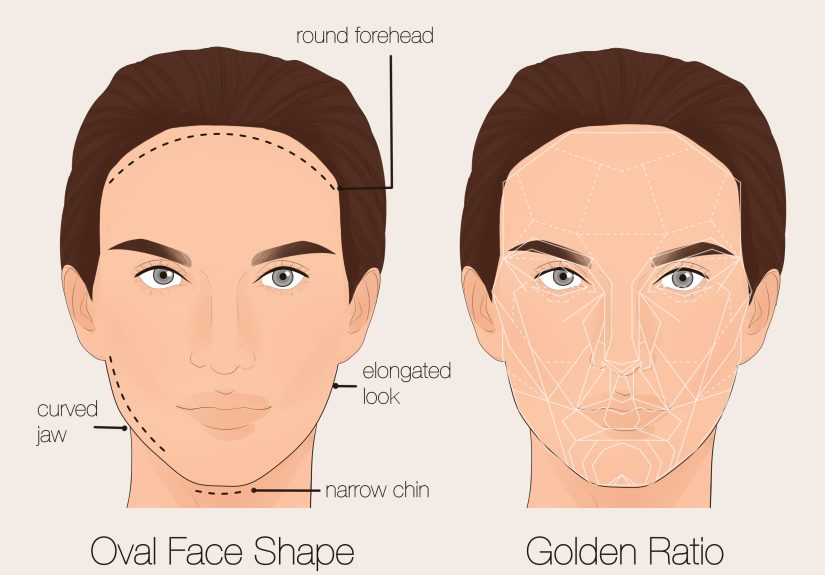
An oval face is generally a bit longer than it is wide, with gentle curves and a jawline that is narrower than the cheekbones. Because it sits near the middle of many styling guidelines, it often gets labeled “ideal.” But that label is more about flexibility than superiority.
For Men: Why Square Faces Get So Much Attention
For men, square faces are often praised because a broad forehead and strong jawline can read as structured, defined, and conventionally masculine. That is why many articles describe square or rectangular faces as especially attractive on men.
Still, the same caution applies. A square face is not automatically more attractive than an oval, diamond, or heart-shaped face. Strong bone structure may stand out, but attractiveness also depends on skin, expression, grooming, facial hair, confidence, and how the features fit together overall.
What Actually Influences Facial Attractiveness?
Now we get to the part that matters more than internet rankings.
1. Facial Harmony
Facial harmony means the features look proportionate together. A person may not have a textbook oval or square face, yet their eyes, nose, lips, cheekbones, and jawline can still create a very appealing overall look.
This is why people often struggle to explain why someone is attractive. They may say, “I do not know, their face just works.” That is harmony talking.
2. Relative Symmetry
Faces that appear more symmetrical are often rated as more attractive. That does not mean anyone needs perfect symmetry. In fact, almost nobody has it. Tiny asymmetries are normal and can even be charming. But when the face feels balanced from one side to the other, people often perceive it as more pleasing.
3. Averageness, in the Best Possible Sense
The word averageness sounds like an insult, but in facial research it is not. It refers to proportions that are close to the average of many faces within a population. Those blended, balanced proportions are often perceived as attractive. So yes, science has basically suggested that sometimes your face wins by not trying too hard. Iconic.
4. Skin Quality and Healthy Appearance
Clear, even-looking skin can strongly affect how attractive a face seems. Healthy-looking skin reflects light better, softens shadows, and often makes features appear more vibrant. This matters for every face shape.
5. Expression and Energy
A warm expression, relaxed eyes, and a genuine smile can dramatically change how a face is perceived. That may sound cheesy, but it is true. A face is not a still-life painting. Movement, emotion, and personality change everything.
6. Cultural and Personal Preferences
Beauty is influenced by culture, trends, and individual taste. Some people love angular faces. Others prefer softer features. Some find high cheekbones unforgettable. Others are drawn to full cheeks or gentle jawlines. Attraction includes shared patterns, but it also includes strong personal preference. That is why one person’s “perfect face” is another person’s “cool, but not my type.”
Common Face Shapes and What Makes Each Appealing
Let us retire the idea that only one face shape deserves applause. Every major face shape has traits that can read as beautiful, handsome, distinctive, or memorable.
Oval Face Shape
Often described as balanced and adaptable, the oval face tends to suit a wide range of hairstyles, glasses, and makeup looks. Its appeal usually comes from soft proportions and flexibility. It can look elegant, polished, and timeless.
Round Face Shape
Round faces often have fuller cheeks, soft contours, and a youthful look. Their attractiveness is frequently tied to warmth, freshness, and approachability. A round face can look sweet, glamorous, or fashion-forward depending on styling.
Square Face Shape
Square faces are known for stronger angles and a defined jawline. They can appear bold, confident, and striking. On women, the look may read as sculpted and high-fashion. On men, it often reads as classic and strong.
Heart-Shaped Face
Heart-shaped faces are wider at the forehead and cheek area and narrower at the chin. They often stand out because they combine softness with definition. Many people find this shape expressive, lively, and photogenic.
Diamond Face Shape
Diamond faces are often widest at the cheekbones, with a narrower forehead and jawline. This shape can look dramatic and memorable, especially because prominent cheekbones catch light beautifully in photos.
Oblong or Rectangular Face Shape
Longer face shapes often create an elegant, refined impression. They can look sophisticated, sleek, and editorial. With the right haircut or styling balance, oblong faces can be incredibly striking.
Most Attractive Face Shape for Women: The Realistic Answer
If you force beauty culture to pick one, many publications would point to the oval face for women. But the more realistic answer is this: the most attractive face shape for women is the one whose features appear balanced, healthy, and expressive.
A woman with a square face can look powerful and glamorous. A woman with a round face can look fresh and luminous. A woman with a heart-shaped face can look playful and elegant. A woman with a diamond face can look stunningly photogenic. No single face shape owns beauty.
That is important because many women waste time trying to “correct” a face shape that was never a problem in the first place. Face shape is not a flaw report. It is a styling clue, nothing more.
Most Attractive Face Shape for Men: The Realistic Answer
For men, square and oval face shapes usually get the most praise in mainstream style advice. A square face is often associated with a strong jaw and traditional masculine structure, while an oval face is admired for balance and versatility.
But again, there is no universal winner. A round-faced man can look charismatic and youthful. A diamond-faced man can look intense and distinctive. An oblong face can appear refined and model-like. A heart-shaped face can look expressive and memorable.
The most attractive male face shape is usually the one supported by good grooming, healthy skin, a flattering haircut, and features that feel consistent together. A great barber and enough sleep can do more for attractiveness than obsessing over whether your face is technically rectangular.
How to Figure Out Your Face Shape
If you are curious about your face shape, keep it simple. Pull your hair back and look at the outline of your face in the mirror, or take a straight-on photo in good light.
Ask These Questions
- Is my face longer than it is wide?
- What is the widest part: forehead, cheekbones, or jaw?
- Is my jawline soft, pointed, or angular?
- Does my face look evenly curved or more sharply structured?
You can also measure your forehead, cheekbones, jawline, and face length. But do not treat the result like a final exam. Many people sit between categories. Faces are not always neat little shapes drawn with a geometry compass.
How to Look Your Best Without Chasing a “Perfect” Face Shape
This is where face shape becomes genuinely useful. Not as a beauty score, but as a styling tool.
Choose Haircuts That Create Balance
Round faces often look great with styles that add height or length. Square faces may benefit from movement that softens angles. Heart-shaped faces can look balanced with volume near the jaw or chin. Oblong faces often suit width on the sides rather than too much height on top. Oval faces usually have the easiest time experimenting.
Use Glasses Strategically
Frames can create contrast or harmony. Angular frames can sharpen softer faces. Rounded frames can soften more structured faces. This is one of the fastest ways to complement your natural shape.
Think About Facial Hair
For men, facial hair can visually lengthen, widen, soften, or sharpen the face. A beard can add structure to a rounder face or soften a strong jaw depending on the shape and length. It is basically contouring, but with more commitment.
Let Skin and Expression Do Their Job
Hydrated skin, decent sleep, posture, and expression affect facial attractiveness more than most people realize. A person with average features and great energy often reads as more attractive than someone with “ideal” structure and zero spark.
The Problem With Ranking Face Shapes
Ranking face shapes sounds neat, but it often creates unnecessary insecurity. It encourages people to compare themselves to edited photos, celebrity styling teams, and beauty standards that change constantly. One decade praises super-angular faces. Another loves softness. Another discovers “natural beauty” and acts like it invented mirrors.
The healthiest way to think about face shape is this: it helps you understand styling choices, not your worth. It can guide haircut decisions, makeup placement, or glasses shopping. It should not decide whether you feel attractive.
That matters even more now, when filtered images and social media trends can make people feel like they are competing with algorithm-approved bone structure. Real faces are not supposed to look airbrushed, perfectly symmetric, or permanently posed. They are supposed to look human.
So, What Is the Most Attractive Face Shape for Men and Women?
The best final answer is not a single shape. It is facial balance paired with healthy, expressive, well-presented features.
If you want the beauty-industry answer, oval often gets named for women and square or oval often gets named for men. If you want the more truthful answer, every face shape can be attractive when it is supported by harmony, confidence, grooming, and personality.
Attractiveness is not a math problem with one correct solution. It is more like great music: there are patterns people respond to, but there is also taste, context, and that hard-to-define quality that makes one person unforgettable.
So if your face is round, square, heart-shaped, diamond, oval, or somewhere in the wonderfully uncategorizable middle, congratulations. You still qualify as potentially very attractive. The mirror can stand down now.
Experiences and Perspectives: What People Notice in Real Life
In real life, people rarely walk around labeling faces like judges at a geometry contest. They notice the overall vibe first. One person remembers a bright smile. Another remembers intense eyes. Someone else notices a calm expression, a great haircut, or the way a face becomes more attractive when the person starts talking and suddenly seems funny, warm, and comfortable in their own skin.
Many people who become fixated on finding the “best” face shape are often surprised by this. They expect attractiveness to be decided by a jawline diagram, but social experience tells a different story. Friends do not usually say, “You know what makes her stunning? Impeccable forehead-to-chin ratios.” They say things like, “She has amazing energy,” or “He looks great when he smiles,” or “There is something really striking about that face.”
That difference matters. It shows the gap between beauty content online and human perception offline. Online, faces are frozen, measured, filtered, and debated. In person, faces move. They react. They communicate. They become more or less attractive through emotion, confidence, and familiarity.
There is also the styling factor. Someone with a face they once considered “too round” might find a haircut that adds shape and suddenly feel transformed. Someone with a strong square jaw may stop trying to soften it and realize it is the very feature that makes them memorable. A person with a longer face may change their glasses or hairstyle and discover a more balanced look without changing a single thing about their actual bone structure.
Another common experience is realizing that what felt like a flaw was often just a mismatch in styling. A haircut can exaggerate length. The wrong frames can make the forehead seem wider. Flat lighting can erase definition. Bad angles can make almost anyone wonder whether their phone camera is conducting a personal vendetta. When the styling changes, the story changes too.
There is also a confidence effect that is hard to ignore. People who stop apologizing for their face shape often appear more attractive almost immediately. Not because the face changed, but because the tension left. Their expression relaxes. Their posture improves. Their grooming becomes more intentional instead of corrective. They stop trying to hide and start trying to present themselves well.
And then there is simple familiarity. Many features that are initially seen as unusual become beautiful precisely because they are distinctive. A broad jaw, fuller cheeks, a narrow chin, high cheekbones, a long face, or a softer facial outline can all become signature traits. Some of the most recognizable attractive faces are not “perfect.” They are memorable.
That is why the smartest approach is not asking, “How do I get the most attractive face shape?” It is asking, “How do I make the most of the face I already have?” That question leads to better answers: better haircuts, better skincare, better grooming, better photos, better self-presentation, and usually a much better relationship with the mirror.
In the end, lived experience tends to support a very simple truth: face shape influences style, but it does not dictate attractiveness. The people who stand out are usually the ones whose features feel cohesive, whose presentation feels intentional, and whose face actually looks like it belongs to a real, expressive human being. Which, thankfully, is a much easier standard to meet than becoming a perfect oval.
Conclusion
So, what is the most attractive face shape for men and women? There is no universal champion. Beauty trends may favor oval faces for women and square or oval faces for men, but real attractiveness is broader than that. Facial harmony, symmetry, skin quality, expression, grooming, and personal style all shape how a face is perceived.
The good news is that this makes attractiveness far more flexible than the internet often suggests. Instead of chasing one “ideal” face shape, it is smarter to understand your own shape, style around it well, and let your strongest features do what they were born to do.