Table of Contents >> Show >> Hide
- What Exactly Is White Truffle Oil?
- What Is a White Truffle, Anyway?
- Why Does White Truffle Oil Smell So Strong?
- Does White Truffle Oil Contain Real Truffles?
- What Does White Truffle Oil Taste Like?
- White Truffle Oil vs. Black Truffle Oil
- How Should You Use White Truffle Oil?
- When Not to Use White Truffle Oil
- How to Choose a Good White Truffle Oil
- How to Store White Truffle Oil
- Is White Truffle Oil Worth It?
- Experiences With White Truffle Oil in Real Kitchens
- Final Thoughts
- SEO Tags
If you have ever ordered truffle fries at a restaurant and suddenly felt like your side dish had dressed up for a black-tie event, there is a good chance white truffle oil was involved. It is one of those ingredients that can make a plate of pasta, eggs, popcorn, mashed potatoes, or pizza smell wildly luxurious with just a few drops. It is also one of the most misunderstood ingredients in the pantry. Some people adore it. Some chefs groan at the mere mention of it. And some bottles cost enough to make you stare at the shelf for a solid minute before whispering, “Do I really need to become this fancy today?”
So, what is white truffle oil exactly? Is it made from real white truffles? Why does it smell so strong? Why do people say a little goes a very long way? And how do you use it without turning dinner into a full-blown truffle ambush?
This guide breaks it all down in plain English. We will cover what white truffle oil is, how it is made, what it tastes like, how it differs from fresh truffles, and the best ways to use it at home. By the end, you will know whether this trendy finishing oil deserves a place in your kitchen or whether it should remain a once-a-year fling with your French fries.
What Exactly Is White Truffle Oil?
White truffle oil is a flavored oil designed to capture the aroma associated with white truffles. In most cases, the base is olive oil, though some products use another neutral or blended oil. That base is then flavored to create the signature earthy, garlicky, musky, savory scent people associate with white truffles.
Here is the important part: white truffle oil is not always made by steeping real white truffles in oil. Some premium products contain real truffle, truffle extract, or pieces of truffle. Many others rely mostly on flavor compounds or “natural flavors” that are meant to mimic the truffle experience. That is why the bottle can smell impressively intense even when there is little or no actual truffle inside.
In other words, white truffle oil is less like a fresh truffle in a bottle and more like a truffle-inspired shortcut. That does not automatically make it bad. It just means you should think of it as its own ingredient, not a perfect substitute for shaved fresh white truffle.
What Is a White Truffle, Anyway?
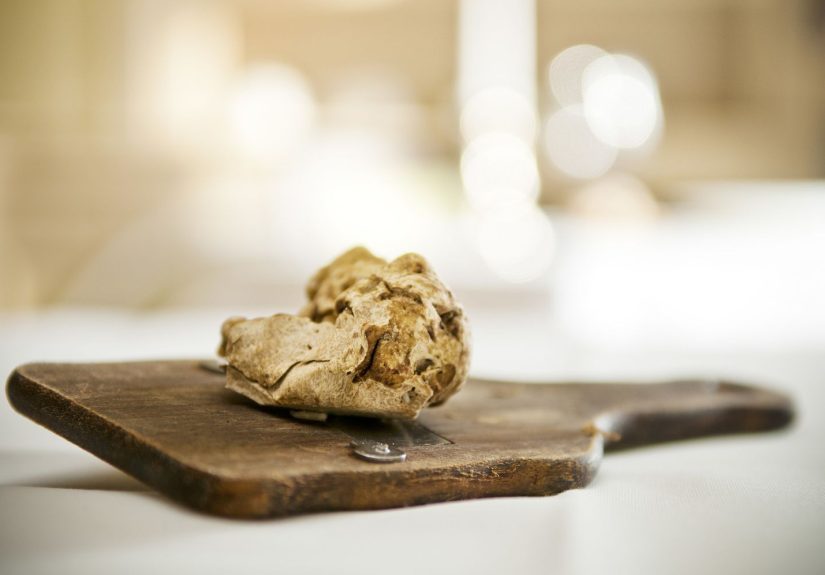
To understand white truffle oil, it helps to understand the real thing. White truffles are rare underground fungi, most famously associated with Italy, especially the Alba region. They are prized for their intense aroma, high cost, short season, and culinary prestige. White truffles are usually served raw or shaved over warm food rather than cooked aggressively, because their fragrance is delicate, fleeting, and best appreciated at the very end.
Fresh white truffles have a deeply complex aroma that can suggest garlic, shallots, earth, nuts, cheese, and forest floor all at once. Yes, that is a dramatic description, but truffles are dramatic ingredients. They are expensive, seasonal, hard to harvest, and celebrated precisely because they smell like nothing else.
White truffle oil tries to echo that seductive aroma in a much more affordable and shelf-stable format. It cannot fully recreate the complexity of a fresh white truffle, but it can deliver a bold, recognizable truffle-like punch.
Why Does White Truffle Oil Smell So Strong?
If you open a bottle of white truffle oil and the aroma rushes out like it paid rent, that is normal. White truffle oil is intensely aromatic because it is all about volatile flavor compounds. One compound often discussed in relation to truffle oil is 2,4-dithiapentane, which is associated with the garlicky sulfur notes people recognize in truffle aroma.
Fresh white truffles contain a whole orchestra of aroma molecules. Truffle oil usually highlights just a few of the loudest instruments. The result is a smell that can feel immediate, punchy, and unmistakable. Some people interpret that as luxurious and irresistible. Others think it can smell synthetic, perfumey, or overpowering. Both reactions are valid. White truffle oil is not a shy ingredient.
Does White Truffle Oil Contain Real Truffles?
Sometimes yes, sometimes barely, and sometimes not really. This is where labels matter.
Common types of white truffle oil
1. Flavored oil: These bottles use flavor compounds, natural flavors, or truffle aroma to create the effect. They are often the most affordable and the most intense.
2. Infused oil: Some products are made with actual truffle pieces, truffle extract, or truffle concentrate, often alongside added flavoring.
3. Premium finishing oils: A few higher-end versions emphasize real truffle ingredients and a more restrained flavor profile.
The takeaway is simple: do not assume “white truffle oil” means the bottle contains loads of shaved white truffle. Read the ingredient list. If you care about authenticity, transparency matters. If you only care that your risotto tastes amazing, flavor and balance may matter more than culinary philosophy.
What Does White Truffle Oil Taste Like?
White truffle oil tastes earthy, savory, garlicky, and deeply aromatic. It can also feel buttery, musky, and slightly peppery depending on the brand and the oil base. The flavor is often more direct and forceful than fresh truffle. Instead of subtle complexity, you get a concentrated truffle-like hit.
The best versions taste rich and elegant. Poorly balanced versions can taste harsh, artificial, or one-note. That is why one bottle may make scrambled eggs taste like a little luxury vacation, while another may make them taste like the eggs accidentally wandered into a perfume counter.
If you are new to white truffle oil, the smartest approach is to use less than you think you need. Then taste. Then add a tiny bit more if necessary. This is not a “glug glug from the bottle” ingredient. This is a “one careful drizzle while feeling powerful” ingredient.
White Truffle Oil vs. Black Truffle Oil
Both oils aim to deliver truffle aroma, but they are not identical. White truffle oil is often described as lighter, sharper, and more garlicky. Black truffle oil usually reads as deeper, darker, and more earthy. In practice, the difference depends on the product, but many cooks prefer white truffle oil for delicate foods and black truffle oil for heartier dishes.
White truffle oil often pairs well with:
Eggs, creamy pasta, risotto, mashed potatoes, mild cheeses, popcorn, seafood, cauliflower soup, white pizza, and simple vegetable dishes.
Black truffle oil often suits:
Mushroom dishes, red meat, stronger cheeses, roasted potatoes, burgers, and richer sauces.
That said, rules in cooking are more like good suggestions than strict laws. If your favorite use for white truffle oil is on fries during a Friday-night movie, nobody from the Truffle Police is going to knock on your door.
How Should You Use White Truffle Oil?
The best way to use white truffle oil is as a finishing oil. That means you add it at the end, after cooking, just before serving. Heat can dull or flatten its aroma, which is the whole point of using it in the first place.
Best ways to use white truffle oil
Drizzle over fries: The classic. Add Parmesan and chopped parsley if you want to feel extra accomplished.
Finish scrambled eggs or omelets: Eggs are mild, creamy, and excellent at carrying truffle aroma.
Add to mashed potatoes: A tiny drizzle can turn simple potatoes into dinner-party potatoes.
Use on pasta or risotto: Especially creamy, cheesy, or buttery versions that act like a soft landing pad for the aroma.
Top pizza: Best on white pizza, mushroom pizza, or pizza with mild cheeses.
Enhance soup: Cauliflower soup, potato soup, or a silky mushroom soup can benefit from a delicate finish.
Upgrade popcorn: This is the easiest way to feel oddly glamorous on a Tuesday.
Pair with seafood: A careful amount can work with scallops or mild fish, especially in cream-based or butter-based preparations.
When Not to Use White Truffle Oil
White truffle oil is powerful, and that means it is easy to overdo. There are a few situations where it can be more trouble than treasure.
Avoid these common mistakes
Do not cook it hard over high heat. You will lose much of the aroma, and the flavor can become flat.
Do not pour it on everything. Not every dish needs a truffle plot twist.
Do not pair it with very strong flavors. Heavy smoke, aggressive spice, or sharp acid can fight with it.
Do not use too much. One of the biggest truffle oil disasters is overapplication. A few drops may be plenty.
Do not assume expensive means better for your taste. Some people prefer a cleaner, more restrained bottle. Others like a loud, bold truffle aroma. Personal preference matters.
How to Choose a Good White Truffle Oil
If you are shopping for white truffle oil, start by checking the ingredient list and product description. Ask yourself what you actually want.
Look for these details
Oil base: Olive oil is common and adds body. A neutral oil may let the truffle aroma dominate more clearly.
Ingredient transparency: If the label mentions white truffle, truffle extract, or natural flavor, that tells you more than the front label alone.
Intended use: Some bottles are clearly marketed as finishing oils. That is usually what you want.
Bottle size: Smaller can be smarter. Because you use so little at a time, a giant bottle may outlast its best flavor window.
Reviews and brand reputation: These can help, especially because flavor preference is so personal with truffle products.
The best white truffle oil for you is the one that fits your palate and your cooking style. If you love a dramatic aroma, you may enjoy a more assertive bottle. If you want something refined and subtle, seek a brand that emphasizes balance over brute force.
How to Store White Truffle Oil
White truffle oil should be stored in a cool, dark place, away from light and heat. Once opened, some cooks prefer to refrigerate delicate flavored oils, especially if the label suggests it. Either way, the goal is the same: protect the aroma and slow oxidation.
Because the flavor is the star, freshness matters. If your white truffle oil starts smelling tired, stale, or oddly muted, it has probably lost the magic that made you buy it in the first place. This is not the bottle to save for a someday that never comes. Use it while it still smells exciting.
Is White Truffle Oil Worth It?
That depends on what you expect from it. If you want an exact replica of shaved fresh white truffle, no bottle is likely to satisfy you completely. Fresh truffles are more nuanced, more delicate, and more complex. White truffle oil is a shortcut, not a clone.
But if you want an easy way to add a luxurious, savory, restaurant-style finish to everyday food, white truffle oil can absolutely be worth it. It is especially appealing for home cooks who want big aroma without the eye-watering price of fresh truffles.
Think of it this way: white truffle oil is not pretending to be the whole concert. It is the greatest-hits remix. Maybe not subtle, maybe not pure, but sometimes exactly what the moment calls for.
Experiences With White Truffle Oil in Real Kitchens
The first time many people try white truffle oil, it happens in a restaurant, usually on fries. That first bite often creates one of two reactions. Reaction one: “Wow, this tastes expensive.” Reaction two: “Wow, this tastes like someone sprayed the fries with luxury cologne.” That split reaction tells you almost everything you need to know. White truffle oil is memorable. It does not tiptoe into a dish. It arrives like it owns the place.
In home kitchens, the experience is usually more educational. A cook buys a bottle with big hopes, gets home, twists the cap, and suddenly the whole kitchen smells like a fancy bistro opened inside the pantry. Then comes the first experiment: scrambled eggs, pasta, popcorn, roasted potatoes, or mashed potatoes. The first lesson arrives quickly. One teaspoon may be too much. Half a teaspoon may still be too much. A few drops may be perfect. White truffle oil teaches restraint in the most aromatic way possible.
There is also the surprise factor. People often assume truffle oil belongs only in formal dinner-party food, but some of the best experiences are the most casual. A little drizzle over hot popcorn during movie night can make an ordinary evening feel playful and indulgent. Added to fries, it can turn frozen-aisle convenience into “I definitely meant to do that” hosting energy. Mixed lightly into warm mashed potatoes, it can make a weeknight chicken dinner seem far more thought-out than it really was.
Another common experience is learning that white truffle oil works best when the rest of the dish stays simple. It shines on foods that are creamy, starchy, buttery, or mild because those ingredients give the aroma room to speak. Put it on a chaotic dish with too many bold flavors and it can feel confused, or worse, wasted. But drizzle it over soft eggs with salt and black pepper, or over a bowl of risotto with Parmesan, and suddenly you understand why people keep a bottle around for special meals.
There is also a social side to white truffle oil. Serve it to a group, and somebody will almost always say, “I love truffle,” while somebody else makes a face that politely says the opposite. It is one of those ingredients that sparks opinions fast. That can actually be part of the fun. Cooking with white truffle oil becomes less about universal approval and more about knowing your audience. If your family loves rich, earthy, savory flavors, the bottle may disappear quickly. If they are skeptical, you learn to keep the drizzle light and optional.
Over time, experienced cooks often develop the same relationship with white truffle oil: respect, caution, and a small grin. They know it can be wonderful, but only when it is used with purpose. It is not everyday olive oil. It is not something to splash into a skillet without thinking. It is the finishing touch you reach for when you want to make a simple dish feel a little more elegant, a little more aromatic, and a little more fun. Used well, white truffle oil creates the kind of food experience people remember. Used poorly, it creates the kind they definitely also remember, just for different reasons.
Final Thoughts
So, what is white truffle oil? It is a highly aromatic finishing oil made to evoke the flavor and scent of white truffles, often through added flavor compounds, sometimes with real truffle ingredients, and almost always with a much lower price tag than fresh truffles. It is bold, divisive, useful, and undeniably effective when used with care.
If you enjoy earthy, garlicky, umami-rich flavors, white truffle oil can be a fun and luxurious addition to your pantry. The key is using it sparingly, pairing it with the right foods, and understanding what it is and what it is not. It is not a magic potion. It is not a perfect stand-in for fresh truffle. But it is a flavorful shortcut that can make humble ingredients feel dressed up for the occasion.
And honestly, if a tiny drizzle can make popcorn feel fancy, that is a pretty decent return on investment.