Table of Contents >> Show >> Hide
- Why Green Wall Paint Keeps Winning
- Green Acts Like a Color and a Neutral
- The Best Green Wall Paint Looks by Room
- What Colors and Materials Look Best With Green Walls?
- Common Green Wall Paint Mistakes to Avoid
- How to Choose the Right Green Wall Paint
- So, What’s Not To Love?
- 500 More Words on the Experience of Living With Green Wall Paint
Note: Clean, publish-ready body-only HTML in standard American English. Unwanted citation artifacts have been removed.
Some paint colors walk into a room and immediately start shouting. Green is not usually one of them. Green wall paint tends to stroll in like it owns the place, put on a cashmere sweater, water the plants, and somehow make your house feel calmer, richer, fresher, and more expensive at the same time. It is the overachiever of interior color, and frankly, it deserves the praise.
If you have ever stared at a paint deck and thought, “Do I want sage, olive, moss, eucalyptus, pistachio, or the mysterious shade that looks soft in one room and like a moody forest in another?” welcome to the club. Choosing green wall paint can feel like speed dating with leaves. But once you understand why green works so well, and how to choose the right version for your room, it becomes much easier to see why this color keeps winning fans in living rooms, bedrooms, kitchens, offices, and even tiny powder rooms that are begging for a personality transplant.
The truth is simple: green wall paint hits a rare sweet spot. It can feel natural without being boring, stylish without being fussy, and bold without acting like it needs constant applause. That is a pretty impressive résumé for one color family.
Why Green Wall Paint Keeps Winning
Green has a built-in advantage over many other wall colors because it already feels familiar. We see it in trees, gardens, herbs, houseplants, and every “let’s escape to the cabin” fantasy mood board on the internet. That connection to nature gives green a grounded, comfortable quality that makes rooms feel settled instead of staged.
But green is not just relaxing. It is also incredibly adaptable. Soft gray-greens can read almost like neutrals. Yellow-leaning greens feel warmer and sunnier. Blue-greens can feel coastal, fresh, and slightly more polished. Deep greens bring drama, depth, and that “yes, I absolutely do own fancy books” energy. In other words, green wall paint can shape-shift to match a wide range of styles, from cottage and farmhouse to modern, traditional, vintage, and clean-lined contemporary spaces.
That versatility is exactly why green keeps showing up in designer favorites. It can whisper or it can wear a velvet cape. Not many colors can do both.
Green Acts Like a Color and a Neutral
One of the best things about green wall paint is that it often behaves like a neutral while still giving a room more personality than beige, plain white, or standard gray. That is the magic trick. A muted sage or dusty olive can hold a space together the same way a classic neutral does, but with more warmth, character, and visual texture.
This is why homeowners who are tired of all-white walls often land on green. It feels safer than bright coral, less chilly than some grays, and more interesting than off-white. You still get color, but you do not feel like you have committed to living inside a lime popsicle.
Undertones Are the Whole Game
Here is where green gets sneaky. Two green paints can look almost identical on a swatch and then behave like complete strangers on your wall. That usually comes down to undertones.
A green with yellow undertones tends to feel warmer, earthier, and friendlier. These shades often work beautifully in kitchens, family rooms, and spaces where you want comfort and softness. A green with blue undertones usually feels cooler, cleaner, and more tranquil. These greens can look especially elegant in bedrooms, bathrooms, and rooms with strong natural light. Then there are gray-green blends, which are the peacemakers of the group. They are subdued, adaptable, and easy to pair with wood, stone, linen, and white trim.
If you choose green wall paint without noticing undertones, you may end up asking why your “soft sage” suddenly looks minty, muddy, or vaguely like a vintage refrigerator. The answer is almost always undertones.
Lighting Has Opinions Too
Paint is never just paint. It is paint plus daylight, lamplight, ceiling height, flooring, trim color, and the emotional chaos of making decisions at 9:30 p.m. under one lonely lightbulb. Green wall paint can change dramatically depending on the room.
In bright, sun-filled spaces, greens often show more of their complexity. Cooler greens may appear crisp and airy. Warmer greens may glow a little more golden. In darker rooms, deep greens can become deliciously moody, while some pale greens may flatten out or turn grayer than expected. That is why sample testing matters. A color that looks dreamy in a paint brochure can look completely different at breakfast, at sunset, and under warm LED bulbs.
If a room is naturally dark, you do not necessarily have to avoid green. You just have to choose intentionally. Lighter greens can help a room feel more open, while richer greens can make the low light feel cozy instead of gloomy. The goal is not to fight the room. The goal is to work with it.
The Best Green Wall Paint Looks by Room
Living Rooms
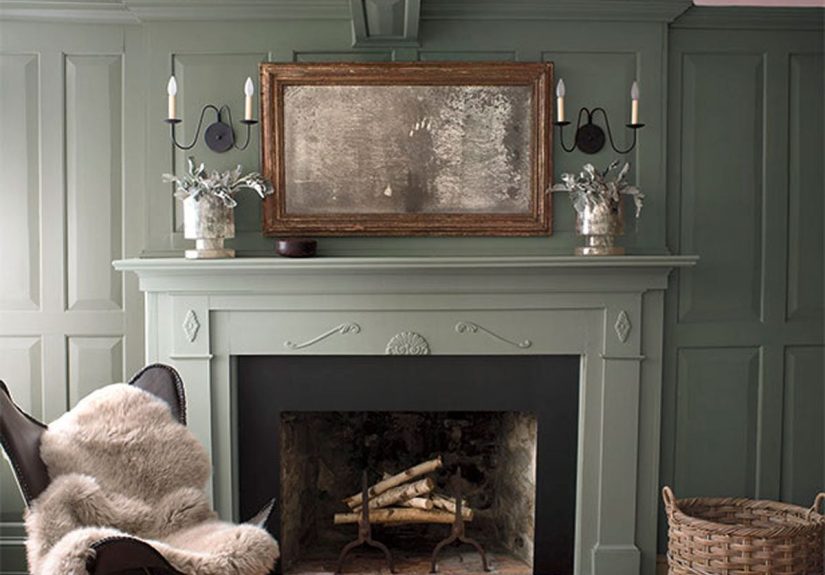
Green living room walls can go in several directions, which is part of the fun. Soft sage and muted eucalyptus feel calm, friendly, and easy to live with every day. Olive and moss tones bring depth and a more layered, collected look. If you love drama, darker greens can make a living room feel grounded and sophisticated, especially when paired with warm wood, creamy upholstery, and brass or black accents.
Green works especially well in living rooms because it plays nicely with so many materials. Leather, walnut, oak, linen, jute, stone, marble, rattan, and velvet all seem to understand the assignment when green is on the walls.
Bedrooms
Bedrooms and green wall paint are a natural match. Gentle greens can make a room feel restful without feeling sleepy or bland. Blue-green shades often create a softer, serene mood, while gray-green colors feel subtle and grown-up. Darker greens also work in bedrooms, particularly if you want a cocoon effect. Pair them with pale bedding, natural wood, and soft white trim so the room feels enveloping, not heavy.
Green bedrooms can be minimal, romantic, tailored, rustic, or luxurious. That range is part of the appeal. The color is supportive rather than bossy.
Kitchens
Green in kitchens feels fresh for a reason. It echoes herbs, produce, gardens, and all those aspirational scenes where someone casually chops parsley in perfect sunlight. Pale sage walls can make a kitchen feel airy and timeless. Richer olive or deeper green tones add character and look especially good with white cabinets, butcher block, unlacquered brass, or matte black hardware.
If you are nervous about going all in, green works beautifully on a breakfast nook wall, pantry area, or kitchen-adjacent mudroom. Even a smaller hit of green can wake up a space that feels too plain.
Bathrooms and Powder Rooms
Bathrooms are one of the easiest places to take a color risk, and green usually rewards bravery. Soft green makes a bathroom feel clean and spa-like. Deep green can turn a plain powder room into a jewel box. Because bathrooms often have a fixed set of finishes, green can also be a lifesaver. It works with white tile, marble-look surfaces, brushed brass, polished nickel, black accents, and warm wood vanities.
If there is one room where you can try a moodier green and pretend you are in a boutique hotel, this is the one.
What Colors and Materials Look Best With Green Walls?
Green is unusually generous when it comes to pairings. It can be earthy, elegant, playful, or classic depending on what you put around it. Some of the strongest combinations include:
- Creamy whites and soft off-whites: These keep green feeling fresh instead of stark.
- Warm wood tones: Oak, walnut, and medium woods make green feel grounded and natural.
- Brass and gold accents: These bring warmth and a little polish.
- Black details: Great for adding contrast and sharpening the look.
- Stone, clay, and linen textures: These help green feel organic and layered.
- Blush, tan, rust, navy, and muted blue: These can create a richer palette without fighting the walls.
In many homes, the smartest move is to let green be the color that bridges everything else. It can connect warm and cool finishes more easily than a lot of other paint families.
Common Green Wall Paint Mistakes to Avoid
Skipping the Sample Stage
This is the classic mistake. Green is heavily influenced by lighting and surrounding finishes, so you need to test samples on multiple walls and check them throughout the day. Morning light, afternoon light, lamplight, and overhead bulbs can all tell a different story.
Ignoring Existing Finishes
Your floor, countertops, tile, rug, trim, and furniture all matter. A green that looks gorgeous with cool marble may clash with orange-toned wood floors. A warm olive can sing next to cream cabinetry but feel muddy beside icy white trim. Green wall paint is cooperative, but it still wants the rest of the cast to know their lines.
Choosing the Trendiest Shade Instead of the Right Shade
Yes, sage has had a big moment. Yes, earthy greens are everywhere. But a trend should never outrank your room’s light, size, and finishes. The best green wall paint is not the one with the cutest name or the loudest social media fan club. It is the one that actually works in your house.
How to Choose the Right Green Wall Paint
If you want a practical shortcut, ask yourself these questions before committing:
- Does the room get lots of natural light or very little?
- Do I want the space to feel airy, grounded, dramatic, or cozy?
- Are my fixed finishes warm, cool, or mixed?
- Do I want green to read like a neutral or like a statement color?
- Am I painting the whole room, one accent wall, trim, or built-ins too?
For a safer choice, start with muted green-gray shades. For a warmer, more lived-in feeling, lean olive. For a fresher, lighter look, try soft blue-green. For drama, go deeper and commit. Green usually rewards confidence.
So, What’s Not To Love?
Honestly, not much. Green wall paint can calm a room down, warm it up, freshen it, deepen it, or make it feel more connected to the natural world outside. It is one of the few color families that can satisfy people who want something subtle and people who want a room with actual presence. It looks collected without trying too hard. It feels stylish without becoming exhausting. And unlike some trendy colors that burn bright and then vanish, green has enough range to stay relevant for years.
If your walls have been feeling flat, cold, too safe, or just weirdly joyless, green may be the answer. Not because it is trendy, but because it is useful. It gives you beauty, flexibility, atmosphere, and personality all at once. That is a lot to get from a can of paint.
500 More Words on the Experience of Living With Green Wall Paint
Living with green wall paint is different from merely admiring it in photos. In real life, green tends to reveal itself slowly. At first, you notice the obvious things: the room feels softer, the edges seem less harsh, and the furniture you already own somehow looks more intentional. Then, over time, you start noticing the subtler experience of it. Morning light might make the walls look misty and gentle. By late afternoon, the same color may feel earthier, richer, and more grounded. At night, under lamps, it can feel surprisingly intimate. Green does not sit still, and that is part of its charm.
One of the most satisfying parts of using green wall paint is how well it supports everyday life. It does not demand perfect styling. A room with green walls can still look good when there is a folded blanket on the sofa, a stack of mail on the table, and a dog toy under the chair. Some colors need a spotless room to look their best. Green is more forgiving. It tends to make a space feel lived in rather than messy, collected rather than crowded.
There is also a sensory quality to green that is hard to ignore. Even when there are no plants in the room, green walls suggest life, freshness, and a connection to the outdoors. In a city apartment, that can be a big deal. In a suburban home, it can help blur the line between the inside and the yard beyond the windows. In a bedroom, green often feels quieter than blue and less predictable than beige. In a living room, it feels friendlier than gray and more flexible than navy. It has presence without becoming a performance.
Another real-life advantage is that green tends to flatter other elements over time. Houseplants look happier against it. Art feels more considered. Wood furniture gains depth. White trim looks cleaner. Brass looks warmer. Even bookshelves seem smarter, which is wonderful news for people who judge themselves by the attractiveness of their hardcover collection. Green gives a room a backdrop that makes almost everything in it look a little better, like good lighting for your furniture.
Emotionally, green wall paint often lands in a sweet middle ground. It is not as sleepy as some pale neutrals, not as sharp as black and white, and not as loud as brighter colors. That balance is why people often keep loving it long after the paint dries. The room feels designed, but it still feels comfortable. It feels calm, but not dull. It feels stylish, but not fragile. That is a hard balance to achieve in home design, and green does it with remarkable ease.
Perhaps that is the best answer to the question in this title. What is not to love about green wall paint? Very little. It is practical without being plain, beautiful without being precious, and expressive without taking over the room. You get color, atmosphere, versatility, and warmth in one move. That is not just good decorating. That is efficient happiness.