Table of Contents >> Show >> Hide
- What Is Wheat Germ Oil, Exactly?
- Why Wheat Germ Oil Gets So Much Beauty Buzz
- Wheat Germ Oil Benefits for Skin
- Wheat Germ Oil Benefits for Hair
- How to Use Wheat Germ Oil for Skin and Hair
- Who Should Be Careful With Wheat Germ Oil?
- What Wheat Germ Oil Cannot Do
- Real-World Experiences With Wheat Germ Oil for Skin and Hair
- Final Thoughts
Note: This article is for general informational purposes only and is not a substitute for medical advice, diagnosis, or treatment.
If wheat germ oil sounds like something your grandmother kept next to a jar of cold cream and a very strong opinion about hand lotion, you are not entirely wrong. This golden, nutrient-dense oil has been quietly hanging around the wellness and beauty world for years. Lately, though, it has started getting more attention from people looking for simple, ingredient-focused skin care and hair care options that do more than just sit on the shelf looking pretty.
The appeal is easy to understand. Wheat germ oil is rich, moisturizing, and loaded with vitamin E, which is one of the reasons it shows up in products meant to soften skin, smooth hair, and support a healthy-looking glow. But here is the important part: like many beauty ingredients, wheat germ oil works best when you understand what it can realistically do. It can help condition dry skin and thirsty strands. It can add softness and shine. It may support the skin barrier and help reduce that rough, sandpaper feeling on areas that have clearly been through a lot. What it cannot do is perform cosmetic magic tricks worthy of a late-night infomercial.
So, let’s talk about the real wheat germ oil benefits for skin and hair, who may love it, who may want to tread carefully, and how to use it without turning your face into a slip-and-slide or your hair into an oil slick with ambitions.
What Is Wheat Germ Oil, Exactly?
Wheat germ oil is pressed from the germ of the wheat kernel, which is the nutrient-rich part that helps the plant grow. Because this tiny part of the grain is so concentrated, the oil made from it is also concentrated. It contains vitamin E, fatty acids, and other naturally occurring compounds that make it attractive in beauty formulas and DIY routines.
Texture-wise, wheat germ oil is usually thicker and heavier than lightweight oils such as grapeseed or squalane. It has a richer feel, which is excellent news for dry elbows, flaky cuticles, and ends of hair that have survived hot tools, color treatments, bad weather, and questionable life choices. On the flip side, that same richness can feel too heavy for some skin types, especially oily or acne-prone skin.
Why Wheat Germ Oil Gets So Much Beauty Buzz
It is naturally high in vitamin E
One of the biggest reasons wheat germ oil gets attention is its vitamin E content. Vitamin E is widely known for its antioxidant role, which means it helps protect cells from oxidative stress. In beauty language, that translates to support against environmental wear and tear. Skin care products containing vitamin E are often used to help moisturize, soften, and support healthier-looking skin.
It acts like an emollient
Wheat germ oil also contains fatty acids that help it function as an emollient. Emollients soften and smooth the surface of skin and hair. That matters because dry skin is not just a cosmetic issue. When skin loses moisture, it can look dull, feel tight, and become rough or flaky. Hair behaves the same way. When it is dry, it looks frizzy, feels coarse, and breaks more easily. An oil that helps coat and soften the surface can make a noticeable difference in how both skin and hair feel day to day.
Wheat Germ Oil Benefits for Skin
1. It helps moisturize dry, rough skin
This is wheat germ oil’s strongest and most believable beauty claim. If your skin is dry, flaky, or feels tight after cleansing, a rich oil can help lock in moisture and reduce that uncomfortable parched feeling. Wheat germ oil is especially useful on body areas that tend to get rough, such as knees, heels, elbows, and hands.
Think of it as a comfort blanket for skin that is asking for backup. It is not the only moisturizer in the world, obviously, but it is one that can leave skin feeling softer and more cushioned. People with mature skin may also enjoy it because skin tends to become drier over time and often benefits from richer textures.
2. It can make skin feel softer and look smoother
When the outer layer of your skin is dry, everything looks crankier. Fine lines can appear more obvious. Texture can look uneven. Makeup may cling to random dry patches like it is staking a claim. By helping soften the surface, wheat germ oil can improve the look and feel of the skin, especially when used consistently as part of a moisturizing routine.
That does not mean it erases wrinkles or reverses aging. It means well-moisturized skin tends to look plumper, calmer, and more comfortable. Sometimes the “glow” people are chasing is not a miracle serum. Sometimes it is just skin that is no longer thirsty.
3. It offers antioxidant support
Because wheat germ oil is rich in vitamin E, it may help support skin that faces everyday environmental stress. Antioxidants are valuable in skin care because pollution, ultraviolet exposure, and normal metabolic processes can all contribute to oxidative stress. That said, wheat germ oil is not a replacement for sunscreen, and it should not be treated like one. If you want actual sun protection, use sunscreen. Your wheat germ oil cannot file that paperwork for you.
4. It may be useful for targeted areas more than all-over facial use
One of the smartest ways to use wheat germ oil is strategically. Instead of slathering it all over your face and hoping for the best, many people get better results applying it to cuticles, dry patches, around the lips, or rough body areas. It can also work nicely as an overnight hand oil under cotton gloves if your hands are perpetually dry from washing, weather, or keyboard-related overachievement.
5. It can support a skin barrier-focused routine
Healthy-looking skin depends heavily on a healthy barrier. When the barrier is compromised, skin can lose water more easily and become more reactive. Wheat germ oil will not single-handedly fix every barrier issue under the sun, but as part of a gentle routine with a mild cleanser and a good moisturizer, it can contribute to a more nourished, less stripped feeling.
Wheat Germ Oil Benefits for Hair
1. It helps dry hair feel softer and look shinier
Hair that is dry or damaged often benefits from oils because they help coat the strand, smooth the cuticle, and reduce that frazzled, fluffy look. Wheat germ oil can add softness and shine to hair that feels brittle, frizzy, or rough from coloring, heat styling, or overwashing.
It is particularly appealing for thick, coarse, curly, or textured hair types that can handle richer oils. Applied in a small amount to the ends, it can make hair look more polished and less like it fought with a hair dryer and lost.
2. It may reduce the appearance of breakage
Let’s be precise here. Wheat germ oil does not glue split ends back together in a dramatic cinematic reunion. What it can do is help lubricate and condition the hair shaft, which may reduce friction, improve flexibility, and make breakage less likely over time. Hair that is better conditioned generally tangles less, snaps less, and behaves better during styling.
3. It can help tame frizz
Frizz is often just dry hair asking for moisture and protection in a very loud voice. A small amount of wheat germ oil can help smooth flyaways and calm frizz, especially in humid weather or after heat styling. The key phrase there is small amount. One drop can make you look glossy. Ten drops can make you look like you lost a bet with a deep fryer.
4. It may feel soothing on a dry scalp, but it is not for every scalp
Some people with a dry, tight scalp like oils because they can make the scalp feel less uncomfortable. But scalp oiling is not universally helpful. If your scalp is oily, acne-prone, or prone to dandruff or seborrheic dermatitis, applying a heavy oil may make matters worse. In other words, a dry scalp and a flaky scalp are not always the same thing, and your scalp may not want the spa treatment you have planned.
5. It is more of a conditioning oil than a proven hair-growth miracle
This is where honesty deserves a standing ovation. Wheat germ oil may support healthier-looking hair by reducing dryness, minimizing breakage, and improving manageability. Those things can make hair seem fuller or healthier over time. But strong evidence for dramatic hair regrowth from applying wheat germ oil alone is limited. If you are dealing with significant hair loss, it is better to think beyond beauty oils and talk with a qualified healthcare professional.
How to Use Wheat Germ Oil for Skin and Hair
For skin
Start small. Wheat germ oil is rich, so you do not need to pour it on like pancake syrup.
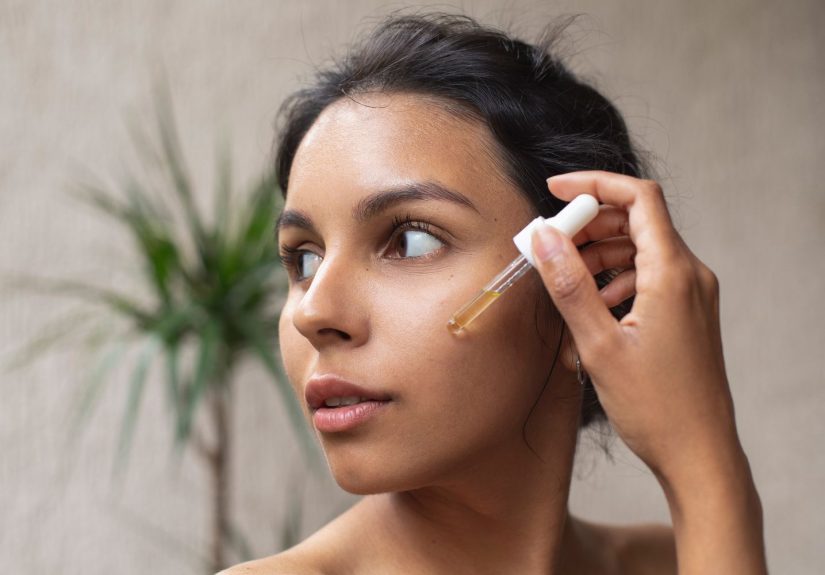
- Apply 1 to 3 drops to damp skin after moisturizer to help seal in hydration.
- Use it on dry areas such as elbows, knees, heels, and cuticles.
- Mix a drop with a basic cream if you want the benefits without the full heaviness.
- Use it at night if daytime wear feels too rich under makeup or sunscreen.
For hair
- Warm a tiny amount between your palms and smooth it over dry ends.
- Use it as a pre-shampoo treatment on mid-lengths and ends for 20 to 30 minutes.
- Add a drop to a leave-in conditioner for extra softness.
- Avoid overapplying near the roots unless you know your scalp tolerates oils well.
Patch testing matters
As with any new ingredient, patch test first. Apply a small amount to a discreet area and wait 24 to 48 hours. That tiny bit of patience can save you from turning your “natural beauty upgrade” into a “why is my skin angry” situation.
Who Should Be Careful With Wheat Germ Oil?
Wheat germ oil is not automatically a match for everyone. You may want to be cautious if:
- You have oily or acne-prone skin and tend to break out from rich products.
- You have fine, straight hair that gets greasy easily.
- You have a known wheat allergy or a history of sensitivity to botanical ingredients.
- You are considering high-dose oral vitamin E supplements rather than topical use.
It is also worth noting that topical wheat-containing beauty products are not the same thing as eating gluten. However, people can still react to ingredients on the skin, especially if they have allergies or sensitivities. So “natural” does not mean “risk-free,” and your face does not automatically trust every plant-derived ingredient with a nice label.
What Wheat Germ Oil Cannot Do
Good beauty writing should include a little myth-busting, so here we go. Wheat germ oil is not a substitute for sunscreen. It is not guaranteed to erase scars. It is not a medically proven cure for eczema, psoriasis, dandruff, or hair loss. It may help some people feel more moisturized and comfortable, which is valuable, but it should not be confused with a medical treatment for persistent skin or scalp conditions.
If your skin is severely irritated, your scalp is inflamed, or you are experiencing major shedding, widening part lines, or sudden hair loss, that is a good time to bring in a professional rather than more oil.
Real-World Experiences With Wheat Germ Oil for Skin and Hair
One reason wheat germ oil keeps showing up in beauty conversations is that people often have very specific, practical experiences with it. Not glamorous marketing-copy experiences. Real ones. The kind that start with, “My hands were so dry they felt like old notebook paper,” or, “My hair looked fine until winter arrived and turned it into a static-filled hedge.”
For people with dry skin, one of the most common experiences is simply relief. Wheat germ oil tends to feel richer than many lightweight facial oils, so users with flaky cheeks, rough hands, or cracked cuticles often say it gives their skin a more cushioned feel. This is especially true in colder months when indoor heating and wind seem personally offended by your moisture barrier. A few drops over a cream at night can leave skin feeling less tight by morning. It is not dramatic in the “new face, who dis?” sense. It is dramatic in the “my skin finally calmed down and stopped acting offended” sense.
Another common experience involves targeted use rather than head-to-toe use. Plenty of people find wheat germ oil too heavy for the entire face but love it on dry patches around the nose, on lips, on knuckles, or on heels. That pattern makes sense. Rich oils often shine when they are used where skin is thick, rough, or chronically dry. They are not always the best pick for shiny T-zones or breakout-prone chins plotting their next rebellion.
Hair experiences tend to vary by texture. People with curly, coily, thick, or processed hair often describe wheat germ oil as a “finisher” oil. They use a drop or two on the ends to reduce frizz, add shine, and make hair feel less crunchy after styling. On textured hair, richer oils can feel nourishing and protective, especially when hair has been color-treated or heat-styled. In those cases, wheat germ oil is less about making hair grow overnight and more about helping it behave, bend, and reflect light like it has had some sleep and a glass of water.
On the other hand, people with fine hair often report a very different experience: too much weight, too quickly. Instead of silky movement, they get limp strands that look like they accidentally leaned too close to a pizza. This does not mean the oil is bad. It means product choice and hair type matter. Fine hair usually needs far less product, and often only on the ends.
Scalp experiences are equally mixed. Some people with dry-feeling scalps like a short pre-wash treatment because it reduces that tight, uncomfortable sensation. Others discover that putting oil directly on the scalp makes flakes, buildup, or itchiness worse. That is an important lesson because “dry scalp” and “dandruff” are often treated like they are identical twins when they are really more like distant cousins who do not always get along.
There are also users who enjoy wheat germ oil less for a dramatic makeover and more for routine maintenance. They mix one drop into body lotion, smooth a trace amount over brows, or use it as a cuticle treatment before bed. Those low-key experiences matter because beauty ingredients do not always need to transform your life to earn a place on the shelf. Sometimes being dependable is enough.
The most consistent real-world lesson is this: wheat germ oil tends to work best when expectations are realistic. It is a rich conditioning oil, not a miracle potion. People who use it with that mindset are usually happier with the results. Their skin feels softer. Their hair feels smoother. Their dry patches stop announcing themselves to the world. And honestly, in a beauty market full of exaggerated promises, that kind of practical success is refreshing.
Final Thoughts
Wheat germ oil benefits for skin and hair are most convincing when we keep them grounded in reality. This oil can be a strong choice for dry skin, rough patches, frizzy ends, and hair that needs extra softness and shine. Its vitamin E content and rich emollient texture make it especially appealing for people who prefer simple, nutrient-dense beauty ingredients. At the same time, it is not a one-size-fits-all product. Oily skin, acne-prone skin, and some scalps may find it too heavy.
If you use it thoughtfully, wheat germ oil can be one of those understated beauty staples that quietly earns its place in your routine. Not flashy. Not trendy in a “sold out for no reason” kind of way. Just genuinely useful when your skin is dry, your hair is frizzy, and your current products are doing a lot of talking and not enough helping.