Table of Contents >> Show >> Hide
- Why Radiator Performance Drops Over Time
- 1. Bleed, Vent, and Maintain the System
- 2. Improve Airflow Around the Radiator
- 3. Reduce Heat Loss and Balance the System
- Common Mistakes That Hurt Radiator Performance
- Quick Seasonal Checklist for Better Radiator Heat
- Real-World Experiences: What Homeowners Notice After Improving Radiator Performance
- Conclusion
Radiators are wonderfully stubborn pieces of home heating equipment. They do not need Wi-Fi, they do not ask for software updates, and they can keep a room cozy for decades. But when a radiator stops performing well, it can also become the most dramatic object in the house: one room feels like Florida in July, another feels like a walk-in freezer, and the radiator itself starts making noises that belong in a haunted hotel.
The good news? You usually do not need a whole new heating system to get better comfort. In many homes, radiator performance drops because of trapped air, poor heat circulation, blocked airflow, dirty surfaces, unbalanced valves, weak maintenance habits, or heat escaping into exterior walls instead of into the room where actual humans are shivering.
This guide breaks down 3 proven ways to boost radiator performance using practical, homeowner-friendly steps. Whether you have hot water radiators, steam radiators, cast-iron radiators, or baseboard-style hydronic heat, these tips can help improve radiator efficiency, reduce cold spots, and make your heating system work smarternot louder.
Why Radiator Performance Drops Over Time
Before grabbing a radiator key like a tiny sword of domestic victory, it helps to understand what is going wrong. A radiator is a heat exchanger. In a hot water system, heated water circulates through the radiator and transfers warmth into the room. In a steam system, steam enters the radiator, condenses, and releases heat. Simple idea. Many opportunities for mischief.
Radiator performance often suffers when air gets trapped inside a hot water radiator. Air blocks hot water from filling the radiator properly, which can leave the top cold while the bottom gets warm. Steam radiators have their own issues: clogged or failed air vents, incorrect pitch, bad valves, or water trapped where it should not be. Add dust, curtains, furniture, and a sofa parked directly in front of the radiator like it paid rent, and the room never gets the heat it deserves.
Another common problem is imbalance. One radiator may heat quickly while another lags behind because water or steam is not moving evenly through the system. Sometimes the boiler is working fine, but the distribution system is not playing nicely. Think of it as a family road trip where one passenger gets all the snacks and another gets one broken pretzel.
Fortunately, improving radiator heat output is often about restoring flow, improving circulation, and keeping heat where it belongs.
1. Bleed, Vent, and Maintain the System
If your radiator is cold at the top, gurgling, hissing, slow to heat, or randomly dramatic, trapped air may be the culprit. Bleeding a hot water radiator releases unwanted air so hot water can circulate more effectively. For many homeowners, this is the single fastest way to boost radiator performance.
How Bleeding Improves Radiator Efficiency
In a hydronic heating system, hot water needs room to move through the radiator. Air pockets act like invisible traffic cones. They reduce circulation, create cold spots, and force the boiler to work harder for less comfort. When you bleed the radiator, that trapped air escapes through the bleed valve. Once water reaches the valve, the radiator is full again and can heat more evenly.
Most hot water radiators should be checked at the beginning of the heating season. If the system has been off all summer, air may have collected inside. Signs you may need to bleed a radiator include:
- The radiator is warm at the bottom but cold at the top.
- You hear gurgling, bubbling, or knocking sounds.
- Some rooms take much longer to warm than others.
- The boiler seems to run often, but comfort is inconsistent.
Basic Steps for Bleeding a Hot Water Radiator
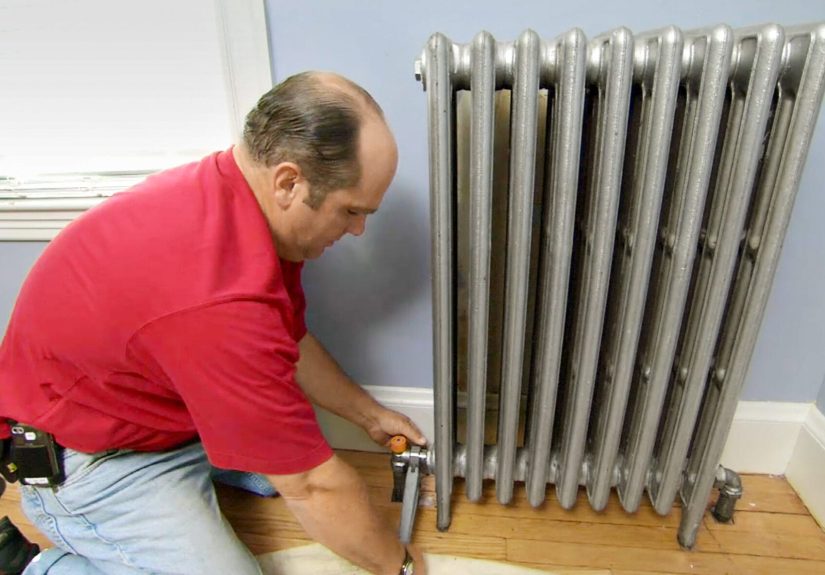
Always let the radiator cool before working on it. Turn off the heating system, place a small cup or towel under the bleed valve, and use a radiator key or flathead screwdriver if your valve accepts one. Open the valve slowly. You may hear air hiss out. When a steady trickle of water appears, close the valve firmly but gently. Do not crank it like you are sealing a submarine hatch.
After bleeding radiators, check the boiler pressure if your system has a visible pressure gauge. Some systems may need water added after air is removed. If you are unsure, call a qualified heating professional. Boilers, pressure, hot water, and guesswork are not a charming combination.
Steam Radiators Need Venting, Not Traditional Bleeding
Steam radiators work differently from hot water radiators. They usually have an air vent that lets air escape as steam enters. If the vent is clogged, damaged, painted shut, or installed incorrectly, the radiator may heat unevenly or not at all. A steam radiator that bangs loudly may also be pitched the wrong way, trapping condensate instead of letting it drain back toward the boiler.
For steam systems, check that the radiator valve is fully open. Steam radiator valves are generally not meant to be used halfway. If the radiator heats poorly, whistles constantly, spits water, or hammers like a tiny construction crew lives inside, the air vent or radiator pitch may need attention.
Schedule Boiler Maintenance
Radiator performance is only as good as the system feeding it. A dirty heat exchanger, sediment buildup, improper pressure, failing controls, or neglected burner can reduce heating efficiency. An annual boiler service before winter can help catch small problems before they turn into expensive mid-January emergencies.
A professional can inspect the boiler, test safety controls, look for leaks, clean components, check combustion, and confirm that the system is operating safely. This is especially important for older homes with cast-iron radiators and aging boiler equipment. Radiators may last a very long time, but even the toughest old system appreciates a little professional attention now and then.
2. Improve Airflow Around the Radiator
A radiator cannot warm a room properly if the heat has nowhere to go. Many homeowners accidentally sabotage radiator performance with furniture, curtains, decorative covers, dust, rugs, and storage bins. The radiator is trying to heat the room. The recliner is intercepting the warmth like a very smug goalie.
Keep Furniture Away From Radiators
One of the easiest ways to boost radiator heat output is to create open space around it. Large furniture placed directly in front of a radiator absorbs or blocks heat before it circulates into the room. Sofas, beds, cabinets, and heavy chairs should be moved several inches away from the radiator whenever possible.
This does not mean you need to redesign your entire living room around a cast-iron heater. But even a small gap helps. More space allows warm air to rise and circulate. If your radiator sits under a window, avoid pushing furniture tight against it. That setup traps heat behind the furniture and leaves the rest of the room feeling chilly.
Use Curtains Carefully
Curtains can help reduce drafts, but long curtains that hang over a radiator may redirect heat straight toward the window. That is not home heating; that is donating warmth to the glass. Use shorter curtains, tiebacks, or blinds when radiators are running. If you love long drapes, keep them open while the heat is on and close them after the radiator cycles down.
Clean the Radiator Surface
Dust is not just ugly. It can reduce heat transfer and create that faint burnt-dust smell when the system first starts. Clean radiator fins, columns, and surfaces at the start of the heating season. Use a vacuum brush attachment, microfiber cloth, or long radiator brush to remove dust between sections.
For cast-iron radiators, pay attention to the spaces between columns. For baseboard radiators, remove the front cover if it is designed to come off and vacuum the fins gently. Bent fins can reduce airflow, so straighten them carefully with a fin comb or call a professional if the unit is delicate.
Be Smart With Radiator Covers
Radiator covers can make a room look cleaner and protect people from hot surfaces, but they need proper ventilation. A badly designed cover can trap heat inside the enclosure and reduce room comfort. Choose covers with open fronts, vented tops, and enough clearance around the radiator.
A cover with a reflective backing can help push heat into the room, but avoid fully boxing in the radiator. If the room got colder after installing a cover, the cover is not “decor.” It is a heat prison.
3. Reduce Heat Loss and Balance the System
Once the radiator is clean, vented, and unobstructed, the next step is to make sure the heat goes where you want it. This means reducing heat loss through exterior walls and balancing the heating system so rooms warm more evenly.
Install Heat-Resistant Radiator Reflectors
Radiators mounted on exterior walls can lose heat through the wall behind them. A heat-resistant radiator reflector panel helps reflect radiant heat back into the room instead of letting it escape outdoors. This is especially useful in older homes with poor wall insulation.
Use products designed for radiator use. Avoid random kitchen foil experiments that sag, tear, block airflow, or look like the room is preparing for alien contact. Purpose-made radiator reflectors are cleaner, safer, and easier to install. Leave a small air gap when required by the product instructions so the reflective surface works properly.
This upgrade is inexpensive, renter-friendly in many cases, and easy to reverse. It will not magically turn a freezing room into a tropical resort, but it can help reduce wasted heat and improve comfort near exterior walls.
Balance Hot Water Radiators
If one radiator gets blazing hot while another barely wakes up, your system may need balancing. Balancing adjusts valves so hot water is distributed more evenly across the home. In a well-balanced system, radiators heat at a more similar pace, rooms feel steadier, and the boiler does not have to overwork to satisfy the coldest room.
Basic balancing involves observing which radiators heat first, adjusting lockshield or balancing valves, and checking temperature changes across each radiator. However, older valves can be fragile, stuck, or prone to leaking if forced. If your system is old, painted, corroded, or unfamiliar, hire a heating professional instead of wrestling with valves like it is a gym membership you regret buying.
Consider Thermostatic Radiator Valves
Thermostatic radiator valves, often called TRVs, allow room-by-room temperature control. Instead of heating every room equally, you can reduce heat in rarely used areas and keep living spaces more comfortable. TRVs can be especially helpful in homes where upstairs rooms overheat while downstairs rooms stay cool.
TRVs do not fix every issue. If the boiler is poorly maintained, the radiator is clogged, or the system is badly unbalanced, valves alone will not save the day. But when installed correctly, they can improve comfort and reduce wasted heat.
Seal Drafts and Improve Insulation
Radiator efficiency is not only about the radiator. If warm air leaks out through gaps around windows, doors, attic spaces, and exterior walls, the heating system has to keep replacing lost warmth. Draft sealing, weatherstripping, attic insulation, and window improvements can make radiator heat feel stronger because the room holds warmth longer.
Think of it this way: boosting radiator performance without sealing drafts is like filling a bathtub while the drain is open. Technically, water is entering. Emotionally, everyone is disappointed.
Common Mistakes That Hurt Radiator Performance
Turning Steam Radiator Valves Halfway
Many steam radiator valves are designed to be fully open or fully closed. Leaving them halfway can cause water hammer, leaks, uneven heating, or valve damage. If you need better control, ask a professional about properly sized air vents or thermostatic options.
Painting Over Vents and Valves
Painted-shut air vents and valves are common in older homes. They may look tidy, but they can prevent proper operation. If a radiator has layers of old paint around functional parts, have it inspected before forcing anything open.
Ignoring Noises
Radiators are not completely silent, but loud banging, persistent hissing, clanking, or whistling should not be ignored. Noises can point to trapped air, failed vents, improper pitch, low pressure, mineral buildup, or other system issues.
Skipping Annual Service
A boiler can run for years while slowly becoming less efficient. Annual maintenance helps keep the system clean, safe, and properly adjusted. It also gives a technician the chance to find small leaks, weak controls, or pressure issues before they become expensive repairs.
Quick Seasonal Checklist for Better Radiator Heat
- Bleed hot water radiators at the start of the heating season.
- Check steam radiator air vents for hissing, clogging, or spitting.
- Move furniture, curtains, and rugs away from radiators.
- Vacuum dust from radiator fins, columns, and covers.
- Install radiator reflector panels behind units on exterior walls.
- Look for leaks, rust, stains, or signs of valve trouble.
- Schedule professional boiler maintenance in the fall.
- Ask a pro about balancing or TRVs if rooms heat unevenly.
Real-World Experiences: What Homeowners Notice After Improving Radiator Performance
One of the most common experiences with radiator heat is the “cold bedroom, hot hallway” problem. A homeowner may turn up the thermostat because the bedroom never feels warm, but the hallway radiator heats quickly and tricks the thermostat into shutting the system off. After bleeding the bedroom radiator and moving a dresser a few inches away, the room often warms faster. The fix is not glamorous, but neither are wool socks worn over regular socks indoors.
In older apartments with steam radiators, people often report that one radiator bangs loudly while another stays quiet. The noisy one may be pitched incorrectly, trapping water inside. A slight adjustment by a professional can help condensate drain back properly. When that happens, the radiator may heat more quietly and evenly. The silence alone feels like an upgrade, especially if the old sound resembled someone dropping a toolbox down a staircase at 2 a.m.
Another familiar scenario is the beautiful-but-problematic radiator cover. A homeowner installs a solid wood cover to make the room look polished, then notices the space feels colder. After switching to a vented cover with open grilles and reflective backing, heat moves into the room more effectively. The lesson is simple: radiator covers should dress up the room, not gag the heating system.
Many homeowners also discover that cleaning matters more than expected. A dusty baseboard radiator may look harmless, but dust-packed fins restrict airflow. After vacuuming the fins and straightening bent sections, the room may heat more evenly. This is the kind of maintenance that feels too easy to matteruntil it does.
Radiator reflector panels are another small change with noticeable comfort benefits, especially in older homes with radiators on exterior walls. People often describe the area near the radiator feeling warmer and the room holding heat a little better. It is not a miracle cure for poor insulation, but it is a practical improvement that costs far less than opening a wall.
Balancing is where many homeowners see the biggest whole-house difference. Before balancing, the first radiator on the loop may get most of the heat while far rooms wait politely and freeze. After balancing, heat distribution becomes steadier. Rooms no longer compete like contestants on a reality show called “Who Gets Warm First?”
Thermostatic radiator valves can also change daily comfort. A sunny room may need less heat during the afternoon, while a north-facing room needs more help. TRVs allow each room to respond more naturally. In homes with guest rooms, home offices, or rarely used spaces, this can reduce waste without sacrificing comfort.
The biggest experience-based takeaway is that radiator performance usually improves through several small corrections rather than one dramatic fix. Bleeding helps flow. Cleaning helps transfer heat. Clear space helps circulation. Reflectors reduce wall loss. Balancing improves distribution. Boiler maintenance supports the entire system. Put together, these steps can make an old radiator system feel surprisingly capable.
There is also a confidence factor. Once homeowners understand what a radiator is supposed to do, they stop treating every hiss or cold spot like a mystery from another century. They can tell the difference between a simple maintenance task and a situation that needs a professional. That saves time, reduces stress, and keeps the home more comfortable through winter.
Conclusion
Boosting radiator performance does not require magic, guesswork, or yelling at the thermostat. Start with the basics: remove trapped air, maintain the boiler, and make sure vents and valves are working. Then improve airflow by clearing furniture, managing curtains, and cleaning dust from radiator surfaces. Finally, reduce wasted heat with reflector panels, system balancing, better insulation, and room-by-room controls when appropriate.
Radiators may be old-school, but they are not outdated when cared for properly. With a little maintenance and a few smart upgrades, your radiator can deliver steady, comfortable heat without turning your home into a temperature-themed obstacle course.