Table of Contents >> Show >> Hide
- What Are Sugary Beverages?
- Why Reducing Sugary Beverage Consumption Matters
- The Old Approach: “Just Drink Less Soda”
- The New Way: Build a “Better Beverage Default” System
- Specific Examples of Better Beverage Swaps
- Why Small Reductions Add Up
- How Schools, Workplaces, and Communities Can Help
- Common Myths About Cutting Back on Sugary Drinks
- A Simple 7-Day Plan to Reduce Sugary Beverage Consumption
- Experience-Based Reflections: What Actually Helps in Real Life
- Conclusion
Here is a practical, science-backed idea that sounds almost too simple: stop treating sugary drinks like a personal weakness problem and start treating them like an environment problem. In other words, the new way to reduce sugary beverage consumption is not another finger-wagging lecture about “willpower.” It is a smarter system: make the better drink easier, more visible, more appealing, and more automatic than the sugary one.
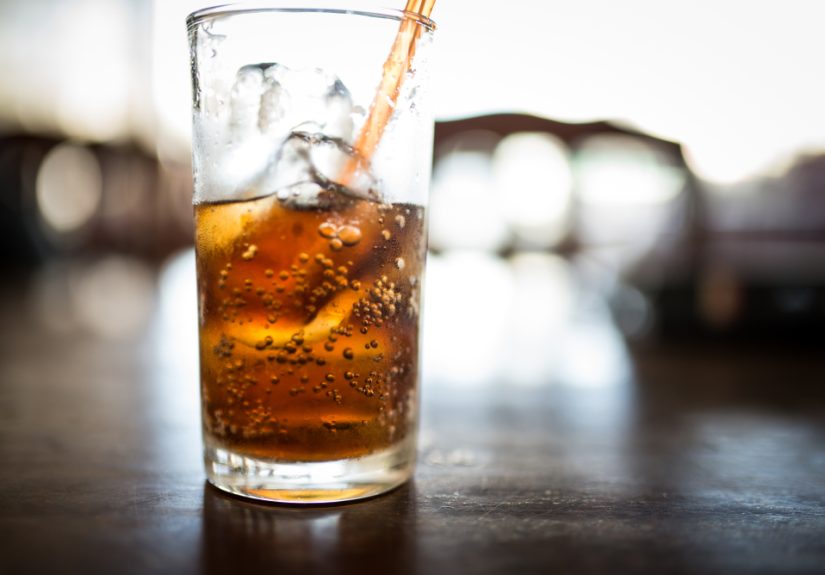
Soda, sweet tea, sports drinks, energy drinks, fruit drinks, sweetened coffees, and other sugar-sweetened beverages are everywhere. They sit in checkout coolers like tiny carbonated billboards. They show up at parties, school events, gas stations, vending machines, fast-food meals, and even “healthy” lunch orders wearing fruity disguises. The problem is not that people are clueless. Most people know a 20-ounce soda is not exactly a spa treatment in a bottle. The problem is that sugary drinks are convenient, cheap, tasty, aggressively marketed, and often treated as the default choice.
That is why public health experts increasingly focus on choice architecture: redesigning everyday settings so that water, unsweetened beverages, and lower-sugar options become the normal, easy choice. Think of it as giving your future self a friendly nudge instead of a lecture. Your future self is busy, thirsty, and possibly standing in front of a fridge at 3:17 p.m. looking for “something fun.” Let’s help that person win.
What Are Sugary Beverages?
Sugary beverages, also called sugar-sweetened beverages, are drinks with added sugars. That includes regular soda, sweetened iced tea, lemonade, fruit punch, sports drinks, energy drinks, flavored milk with added sugar, sweetened coffee drinks, and many bottled teas or “refreshers.” Some of these drinks look innocent. A neon-blue sports drink may imply athletic glory, but drinking one while sitting through emails does not magically turn the inbox into a marathon.
The added sugars in these beverages may appear on labels as cane sugar, high-fructose corn syrup, sucrose, glucose, dextrose, honey, agave, fruit juice concentrate, or syrup. The body does not care much about the fancy name. Added sugar is still added sugar, even if it arrives wearing a tiny top hat.
U.S. dietary guidance recommends limiting added sugars to less than 10% of daily calories for people age 2 and older. For a 2,000-calorie diet, that equals about 50 grams of added sugar per day. The American Heart Association recommends an even lower target for many adults: no more than about 6 teaspoons of added sugar daily for most women and 9 teaspoons for most men. A single large soda can stroll past those limits like it owns the place.
Why Reducing Sugary Beverage Consumption Matters
Sugary drinks are different from many sweet foods because they deliver calories quickly without much fullness. When people eat whole fruit, they also get fiber, water, vitamins, minerals, and chewing time. When people drink soda or sweet tea, the sugar can go down fast, and the body may not register it the same way it registers solid food. That makes it easy to consume extra calories without feeling as if you ate more.
Regular sugary beverage consumption has been linked with weight gain, type 2 diabetes risk, heart disease risk, tooth decay, and other health concerns. This does not mean one lemonade at a picnic will ruin your life. Nutrition is not a haunted house where one wrong sip summons disaster. The real concern is routine: one sugary drink per day, every day, for months or years.
There is also a dental angle. Oral bacteria love sugar. Give them a steady stream of sweet drinks, and they produce acids that can wear down tooth enamel. Teeth are excellent at many things, including smiling in photos and opening absolutely zero bottle caps. They are not designed for all-day sugar baths.
The Old Approach: “Just Drink Less Soda”
For years, the common advice was simple: drink less soda. Technically, that advice is correct. It is also about as helpful as telling a tired person, “Simply become less tired.” People need more than a slogan. They need practical routines, better defaults, and environments that do not push sugar at every turn.
The old approach depends heavily on individual self-control. It assumes people will read every label, calculate teaspoons of sugar, resist advertisements, ignore cravings, avoid convenience-store coolers, and choose water every time. That is a lot of emotional labor for a Tuesday.
The new approach asks a better question: How can we make the healthy choice the easy choice?
The New Way: Build a “Better Beverage Default” System
A better beverage default system uses small design changes to reduce sugary beverage consumption without making people feel punished. It works at home, in schools, in workplaces, in restaurants, and in communities. The idea is simple: people still have choices, but healthier drinks are easier to see, easier to grab, easier to enjoy, and easier to repeat.
1. Make Water the First Thing People See
Visibility matters. At home, put cold water, seltzer, or unsweetened tea at eye level in the refrigerator. Keep sugary drinks out of immediate reach or stop stocking them regularly. In offices or schools, place water stations in high-traffic areas. In restaurants, offer water first instead of making it an afterthought.
This is not about banning fun. It is about removing the “soda is the default” script. When water is cold, clean, convenient, and right there, it has a fighting chance.
2. Use Flavor Without a Sugar Avalanche
Many people do not dislike water; they dislike boring water. The fix is not to shame people into drinking plain water while staring sadly into the distance. Try citrus slices, cucumber, mint, berries, ginger, frozen fruit, or a splash of 100% juice in sparkling water. The goal is flavor, not a dessert wearing a beverage costume.
Unsweetened iced tea, black coffee, sparkling water, infused water, and diluted juice spritzers can help people transition away from soda and sweetened drinks. For some adults, low-calorie sweetened beverages may be a temporary bridge, though plain water remains the gold standard for everyday hydration.
3. Turn Labels Into Quick Decisions
Nutrition labels can help, but many shoppers do not want to perform math in aisle five. That is where front-of-package cues, added-sugar information, and warning-style labels may help. Research suggests that clear labels can reduce sugary drink selections by making sugar content easier to understand at the moment of choice.
A practical home version is the “teaspoon test.” Four grams of sugar equals about one teaspoon. A drink with 40 grams of added sugar has roughly 10 teaspoons. Once people picture spoon after spoon of sugar going into a bottle, the drink loses some of its innocent sparkle.
4. Create Healthy Defaults for Kids’ Meals
Children often form beverage habits early. If every restaurant kids’ meal automatically includes soda or fruit punch, sweet drinks become normal. A better default is water, plain milk, or another unsweetened option, while sugary drinks remain available by request. This keeps choice on the table but changes the starting point.
Parents can use the same strategy at home. The default drink with meals can be water or milk. Sweet drinks can become occasional treats rather than everyday companions. Kids adapt quickly when the routine is consistent. They may protest at first, because children are tiny attorneys with surprisingly strong negotiation skills, but consistency wins.
5. Pair Beverage Changes With Meals and Routines
Habits stick better when they attach to something already happening. For example: drink water with breakfast, pack a refillable bottle before leaving home, order unsweetened iced tea with lunch, or drink sparkling water during the afternoon slump. A good habit should not require a motivational speech every time.
One useful method is “swap, do not simply stop.” Replace soda at lunch with seltzer. Replace sweet tea with half-unsweetened tea, then gradually move toward unsweetened. Replace a giant sweetened coffee drink with a smaller size or a less-sweet version. Progress beats perfection, especially when perfection has a habit of quitting by Thursday.
Specific Examples of Better Beverage Swaps
Instead of Regular Soda
Try sparkling water with lime, flavored seltzer with no added sugar, unsweetened iced tea, or water with frozen berries. If you miss the fizz, keep the bubbles and lose the sugar.
Instead of Sweet Tea
Try half-sweet, half-unsweetened tea as a stepping stone. Then shift toward one-quarter sweet, three-quarters unsweetened. Eventually, unsweetened tea with lemon may taste normal. Taste buds are trainable; they are not marble statues.
Instead of Energy Drinks
Try coffee with little or no added sugar, unsweetened tea, water, and better sleep habits. If the body needs an energy drink every afternoon, the real issue may be sleep, meal timing, stress, or hydration.
Instead of Sports Drinks
For most casual activities, water works well. Sports drinks may be useful for long, intense exercise or heavy sweating, but many people drink them when the most athletic event of the day was carrying groceries in one trip.
Instead of Fruit Punch or Fruit Drinks
Choose whole fruit plus water, or make a spritzer with a small splash of 100% juice and sparkling water. Whole fruit brings fiber and nutrients that fruit-flavored drinks usually lack.
Why Small Reductions Add Up
One 12-ounce soda can contain around 140 calories and roughly 39 grams of sugar, depending on the brand. If someone replaces one daily soda with water most days, that change can remove hundreds of grams of added sugar each week. The math is not glamorous, but it is powerful.
The best part is that reducing sugary drinks does not require a complete diet makeover. People often feel overwhelmed by nutrition advice because everything sounds like a full-time job: meal prep, macro tracking, organic kale negotiations, and mysterious seeds. Beverage changes are different. They are visible, repeatable, and relatively simple.
That makes sugary beverage reduction one of the most practical first steps for improving diet quality. You do not have to become a different person. You just have to change what is in your cup most of the time.
How Schools, Workplaces, and Communities Can Help
Individual action matters, but environment matters too. Schools can install water bottle filling stations, limit sugary drinks in vending machines, and teach students how to read added-sugar labels. Workplaces can stock meetings with water, seltzer, and unsweetened drinks instead of automatically serving soda. Recreation centers and public spaces can make clean drinking water easy to find.
Communities can also support healthier beverage patterns through public education campaigns, better water access, healthy default beverage policies, and pricing strategies. These approaches are especially important in neighborhoods where sugary drinks are heavily marketed and safe, appealing water access may be less convenient.
Public health works best when it is practical. Telling people to drink water is nice. Installing a working water station where people already gather is better. Advice is useful, but infrastructure is where advice gets legs.
Common Myths About Cutting Back on Sugary Drinks
Myth 1: Juice Is Always a Healthy Replacement
One hundred percent juice can provide vitamins, but it is still concentrated sugar without the fiber of whole fruit. It is better than some fruit-flavored drinks, but water and whole fruit are usually stronger everyday choices.
Myth 2: Brown Sugar, Honey, or Agave Makes a Drink Healthy
These sweeteners may sound more natural, but they still count as added sugars. Your body does not award bonus points because the sugar has better branding.
Myth 3: Cutting Back Means Never Having Soda Again
Not necessarily. For many people, the goal is reducing frequency and portion size. A sugary drink can be occasional rather than automatic. That shift alone can make a meaningful difference.
Myth 4: Diet Drinks Are the Whole Solution
Low-calorie sweetened beverages may help some people move away from high-sugar drinks, but they should not crowd out water. The long-term goal is to build a beverage routine that relies mostly on water and unsweetened options.
A Simple 7-Day Plan to Reduce Sugary Beverage Consumption
Day 1: Count Your Drinks
Write down every sugary drink you have in a day. Do not judge it. Just notice. Awareness is the first step, and no one needs a guilt parade.
Day 2: Choose One Daily Swap
Pick the easiest sugary drink to replace. Maybe it is the afternoon soda or the sweetened coffee. Swap it for water, seltzer, or unsweetened tea.
Day 3: Upgrade Your Water
Add lemon, mint, cucumber, berries, or ice. Use a bottle you actually like. Yes, the bottle matters. Humans are visual creatures and occasionally ridiculous ones.
Day 4: Read One Label
Check the added sugar on your usual drink. Convert grams to teaspoons by dividing by four. This tiny math trick can change how you see the bottle.
Day 5: Shrink the Portion
If you still want a sweet drink, choose a smaller size. A mini can beats a giant cup. Reduction is a win.
Day 6: Change the Default at Meals
Drink water with meals today. Save sweet drinks for intentional moments, not automatic ones.
Day 7: Build Your Repeatable Routine
Choose two rules for the next week. For example: “Water at lunch” and “Seltzer after school or work.” Keep it simple enough to survive a busy day.
Experience-Based Reflections: What Actually Helps in Real Life
Reducing sugary beverage consumption sounds easy until real life enters the chat. Real life includes long commutes, hot weather, vending machines, family habits, social pressure, late-night cravings, and that one convenience store fridge that glows like a sugary spaceship. The most successful approach is not dramatic. It is practical, flexible, and slightly sneaky in the best way.
One experience many people share is that the first few days are more about routine than taste. If someone usually drinks soda with lunch, lunch may feel incomplete without it. The brain is not only expecting sweetness; it is expecting a ritual. That is why replacing the ritual works better than simply removing it. A cold can of sparkling water, a glass of iced tea with lemon, or a refillable bottle with fruit can give the hands and taste buds something familiar to do.
Another real-world lesson: temperature matters more than people think. Warm water from a forgotten bottle is not inspiring. Cold water, crushed ice, a clean cup, and a slice of citrus can make the same drink feel completely different. Restaurants figured out long ago that presentation sells beverages. There is no reason your home water game has to look like a punishment.
People also tend to do better when they avoid the “all or nothing” trap. Someone may say, “I already had one soda, so today is ruined.” That is diet-culture nonsense wearing a fake mustache. One drink is one drink. The next choice still counts. A person who goes from two sugary drinks a day to one has already made a meaningful reduction. A person who switches from a large size to a small size is also moving in the right direction.
Social settings require a plan. At parties, barbecues, movie nights, and family dinners, sugary beverages may be everywhere. A simple strategy is to start with water, then decide whether you still want something sweet. Another trick is to bring a beverage you enjoy, such as flavored seltzer or unsweetened tea. This avoids the sad situation of choosing between soda and pretending tap water in a tiny paper cup is festive.
Parents often discover that children respond better to consistency than speeches. A long lecture about metabolic health may not impress a seven-year-old. A normal household routine works better: water at meals, milk when appropriate, and sweet drinks for occasional treats. Kids are more likely to accept the change when adults model it. “Do as I say while I hide this giant soda behind my laptop” is not a strong leadership strategy.
Workplaces can be surprisingly powerful. When meetings offer only soda, people drink soda. When meetings offer cold water, sparkling water, and unsweetened tea, many people choose those instead. The same applies to home refrigerators. What is easy becomes normal. What is normal becomes habit. What is habit eventually stops feeling like effort.
The biggest lesson is that taste changes. After a few weeks of less sugar, many people find that their old favorite drinks taste too sweet. This is not magic; it is adaptation. The palate adjusts when it is not constantly blasted with sweetness. At first, unsweetened tea may taste like a wet leaf with ambition. Later, it may taste refreshing. Give your taste buds time. They are trainable, but they do not enjoy being yelled at.
Reducing sugary beverages is not about becoming perfect, joyless, or suspicious of every lemonade stand. It is about making most drinks work for your health instead of against it. The new way is not shame. It is design. Put better choices closer, make them tastier, make labels easier to understand, and build routines that do not depend on heroic willpower. That is how a small change in the cup can become a big change in daily health.
Conclusion
A new way to reduce sugary beverage consumption starts with a simple shift: stop relying only on willpower and start improving the beverage environment. When water is visible, cold, flavored, affordable, and easy to choose, people are more likely to drink it. When labels are clear, portions are smaller, and healthy defaults become normal, sugary drinks lose some of their everyday power.
The goal is not to turn every sip into a nutrition exam. The goal is to make better choices feel natural. Replace one sugary drink. Improve one routine. Stock one better option. Repeat. Over time, those small decisions add up to less added sugar, better hydration, healthier habits, and fewer moments where your afternoon drink contains enough sugar to make a birthday cake nervous.
Note: This article is based on current U.S. public-health guidance and research from reputable sources including CDC, FDA, USDA Dietary Guidelines, American Heart Association, Harvard T.H. Chan School of Public Health, National Academies, and peer-reviewed studies on beverage labeling, water access, and healthy default strategies.