Table of Contents >> Show >> Hide
- Why chalk paint works for bathroom cabinets
- Before you start: know what you are painting
- Supplies you will want nearby
- Step-by-step bathroom cabinets makeover with chalk paint
- Design ideas that make the makeover look more expensive
- Common mistakes to avoid
- Is a bathroom cabinets makeover with chalk paint worth it?
- Real-life experiences: what this makeover feels like in practice
- Final thoughts
If your bathroom cabinets look tired, dingy, or stuck in a decade that also thought carpeted bathrooms were a fabulous idea, a chalk paint makeover can be a smart and surprisingly stylish rescue. It is one of those projects that feels dramatic without requiring a sledgehammer, a contractor, or a second mortgage. With the right prep and a little patience, you can give an old vanity or cabinet a fresh new personality in a weekend.
Chalk paint has become a favorite in the DIY world because it offers a soft, velvety finish and usually goes on with less drama than many traditional paints. It is forgiving, beginner-friendly, and ideal for people who want a high-impact update without turning their bathroom into a full-scale renovation zone. That said, bathroom cabinets are not dainty little side tables living a peaceful life in the corner of a sunroom. They deal with humidity, wet hands, toothpaste splatters, spilled products, and the occasional mysterious drip nobody wants to claim.
That means a beautiful bathroom cabinets makeover with chalk paint is not just about choosing a pretty color and hoping for the best. It is about understanding prep, knowing when to sand, deciding whether primer is necessary, and choosing the right protective topcoat for a moisture-prone space. Get those pieces right, and your cabinets can go from bland to beautiful without looking like a rushed craft project that lost a fight with a sponge.
Why chalk paint works for bathroom cabinets
There is a reason homeowners keep reaching for chalk paint when cabinets need a facelift. First, it has excellent decorative appeal. The finish looks soft, matte, and intentionally stylish, which is perfect if you love cottage, vintage, farmhouse, coastal, or modern organic design. It can also be distressed for character or left smooth for a cleaner, updated look.
Second, chalk paint is approachable. Traditional cabinet painting can sound intimidating because every tutorial seems to include seventeen sanding steps and the emotional intensity of rocket science. Chalk paint is often more forgiving. It tends to grip well, has good coverage, and can help older wood cabinets look updated without looking overly glossy or plastic-like.
Still, this is where a little honesty helps. In a bathroom, chalk paint should not be treated like magic fairy dust. Some brands market it as a no-sanding wonder, but slick, glossy, laminate, or previously sealed cabinets often benefit from a light scuff sand and, in some cases, primer. Think of prep as the boring best friend of every stunning makeover. Not flashy, but absolutely essential.
Before you start: know what you are painting
Solid wood, MDF, laminate, or already-painted cabinets
Before you even pop open the paint can, figure out what your bathroom cabinets are made of. Solid wood is usually the easiest surface to refresh. MDF and engineered wood can also paint well, but they need gentle handling around edges and any damaged areas. Laminate or very glossy factory finishes are the trickiest. These surfaces often need extra prep so the new finish has something to hold on to.
If your cabinets have peeling paint, swelling from water damage, or mildew issues, handle those problems first. Paint is a makeover tool, not a therapist. It cannot fix deep structural issues. Loose paint should be removed, damaged spots repaired, and any mildew cleaned before you move forward.
Choose the right color for your bathroom
Color matters more in a bathroom than many people realize. Small bathrooms often benefit from soft whites, greiges, muted greens, pale blues, charcoal, or warm mushroom tones. If your bathroom does not get much natural light, super-dark shades can look dramatic and moody in a good way, but they can also make every water spot feel like a personal attack. Mid-tone colors often strike the best balance between style and everyday livability.
Want a classic look? Try creamy white, warm taupe, or dusty blue. Want something trend-forward? Sage green, deep navy, or earthy olive can make an ordinary vanity look custom. Want pure drama? Matte black with brass hardware can look outrageously chic, assuming the rest of the bathroom is ready for that level of confidence.
Supplies you will want nearby
For a smoother chalk paint bathroom vanity makeover, gather everything before you start. Nothing ruins momentum like realizing you forgot sandpaper after taking every cabinet door off the vanity.
- Chalk paint in your chosen color
- Degreaser or strong cleaning solution safe for cabinets
- Microfiber cloths or lint-free rags
- Screwdriver for removing hardware
- Painter’s tape
- Drop cloths
- Wood filler for dents or old hardware holes
- Fine or medium-fine sandpaper
- Tack cloth or damp rag for dust removal
- Bonding primer if your cabinet surface is glossy, laminate, stained, or questionable
- Good-quality angled brush and small foam roller
- Clear wax, lacquer, or another compatible protective topcoat
- New cabinet knobs or pulls if you want a bigger style upgrade
Step-by-step bathroom cabinets makeover with chalk paint
1. Remove doors, drawers, and hardware
Take off cabinet doors, remove drawers if possible, and unscrew the knobs, pulls, and hinges. Label everything. Seriously, label it. Bathroom cabinets seem innocent until reassembly time, when every hinge suddenly becomes an unsolved mystery. Use painter’s tape and a marker so each door and drawer goes back exactly where it belongs.
2. Clean like your finish depends on it, because it does
Bathrooms collect a weird mix of residue: hairspray, hand soap, lotion, dust, toothpaste mist, and who knows what else. Chalk paint will not bond well to grime. Scrub every surface thoroughly, including edges, corners, and areas near handles where oils from hands build up. Rinse or wipe clean according to your cleaner’s directions, then let everything dry completely.
This is not the step to rush. The difference between a finish that lasts and one that starts chipping early is often hidden in ten extra minutes of cleaning.
3. Repair dings and lightly scuff the surface
Fill dents, scratches, or unused hardware holes with wood filler and sand smooth once dry. Then lightly scuff sand the cabinet surfaces. You do not need to sand them into another dimension. The goal is to dull the existing sheen and give the paint or primer better grip.
This step is especially important on glossy finishes, laminate, sealed wood, or old painted cabinets. If the surface feels slick, shiny, or suspiciously too smooth, a light sanding is your friend.
4. Decide whether primer is necessary
Here is the practical answer: sometimes yes, sometimes absolutely yes. If your cabinets are raw wood in good condition, chalk paint may adhere well without primer. But if they are glossy, stained, laminate, or have old coatings that are hard to identify, a bonding primer is the safer move. Primer can also help block stains, improve adhesion, and create a more even finish.
In a humid bathroom, better adhesion is never a bad idea. If you are going through the trouble of painting cabinets, this is not the moment to gamble on “maybe it will be fine.” When in doubt, do a small test patch first.
5. Paint in thin, even coats
Once the primer is dry, start painting with chalk paint. Use an angled brush for corners and details, and a small foam roller for flatter areas if you want a smoother look. Thin coats are the secret. Thick coats may seem faster, but they are more likely to show brush marks, stay tacky longer, and cause regret.
Let each coat dry fully before adding the next. Most cabinets need at least two coats for even color and good coverage. Some darker colors or dramatic color changes may need a third coat. This is normal. Paint is not judging you.
6. Seal the finish for bathroom life
This is where many DIY cabinet projects either level up or fall apart. Chalk paint is beautiful, but it usually needs protection on cabinets, especially in a bathroom. A clear wax can create that soft, signature chalk-painted finish and is a popular choice for decorative furniture. However, bathroom cabinets live in a higher-moisture world, so many DIYers prefer a more durable protective topcoat such as a lacquer or water-based cabinet-safe sealer that is compatible with the chalk paint brand they used.
For a powder room that sees light use, wax may be enough if applied properly and allowed to cure. For a busy family bathroom where drawers are opened all day and steam rolls in like weather with opinions, a tougher topcoat is often the better long-term choice. Always follow the paint brand’s guidance on which sealer works best with its formula.
7. Let it cure before heavy use
Dry and cured are not the same thing. Dry means it feels touchable. Cured means it is actually tough enough for daily life. Give your cabinets time before rehanging doors, replacing hardware, stacking items in drawers, or letting damp towels slap against them every morning. If possible, keep the bathroom well ventilated and avoid creating extra humidity during the cure window.
This is the least exciting part of the makeover, but it is also the part that protects your hard work. A rushed reassembly can leave dents, fingerprints, sticking doors, and the distinct feeling that patience might have been the wiser life choice.
Design ideas that make the makeover look more expensive
Paint alone can transform cabinets, but a few thoughtful updates can make the whole bathroom feel more custom.
- Swap hardware: New knobs or pulls are like jewelry for your vanity.
- Try two-tone styling: Paint the vanity a statement color and keep the walls light.
- Add a new faucet: Even a simple faucet upgrade can make the cabinet color feel intentional.
- Replace the mirror frame or lighting: Small supporting changes make the cabinet makeover look professionally planned.
- Use shelf styling sparingly: One candle, one tray, one small plant. Not seventeen tiny bottles pretending to be decor.
Common mistakes to avoid
The biggest mistake is believing chalk paint means zero prep under all conditions. That might work on a small decorative stool. Bathroom cabinets are another story. Skipping cleaning, ignoring glossy surfaces, rushing dry times, or forgetting a protective topcoat can lead to peeling, staining, or sticky drawers.
Another common misstep is painting in a steamy bathroom right after showers. Moisture can interfere with how products bond and cure. If possible, work when the room is dry, use ventilation, and avoid heavy humidity during and right after painting.
One more thing: do not judge the final result too early. Freshly painted cabinets often look slightly uneven until the second coat goes on and the topcoat settles everything visually. Many makeovers have a brief awkward stage. So do haircuts. Stay calm and keep going.
Is a bathroom cabinets makeover with chalk paint worth it?
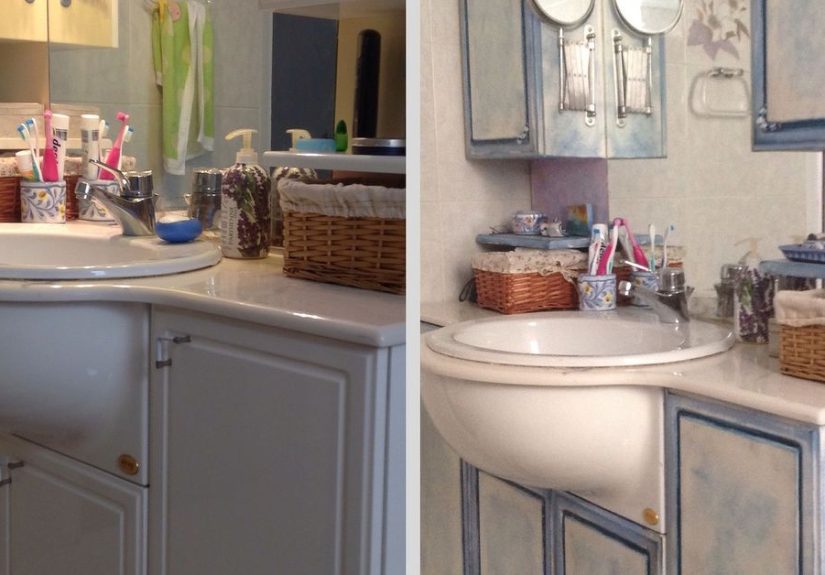
In many cases, yes. If your cabinets are structurally sound and you mainly hate the color, finish, or tired look, painting can deliver a major upgrade at a fraction of replacement cost. It is especially worthwhile in small bathrooms, guest baths, and older homes where the cabinet layout still works but the style feels dated.
The project is also highly customizable. You can go bright and airy, dark and moody, soft and vintage, or crisp and modern. And unlike a full renovation, you are not opening the door to a thousand expensive side quests like plumbing surprises or tile decisions that somehow require a spreadsheet.
The only time it may not be worth it is when the cabinets are swollen, rotted, poorly built, or already failing structurally. In those cases, paint may make them prettier for a while, but it will not solve the bigger issue.
Real-life experiences: what this makeover feels like in practice
One of the most relatable things about a bathroom cabinets makeover with chalk paint is that it usually begins with optimism and ends with a new respect for preparation. At first, the project seems delightfully simple. You choose a paint color, imagine a charming new vanity, and feel convinced you will be done by lunch. Then you remove the hardware, discover a decade of hidden grime around the handles, and realize the cabinet doors need far more cleaning than your hopeful heart had planned for.
That said, the experience is often deeply satisfying. Homeowners regularly mention how dramatic the transformation feels compared with the cost. A dull oak vanity can suddenly look soft, elegant, and current. An old dark cabinet can become bright and airy. A generic builder-grade bathroom can start to feel like an intentional design choice rather than a room the house forgot about.
Another common experience is surprise at how much better the result looks when paired with tiny upgrades. New brass pulls, matte black knobs, a fresher mirror, or a cleaner light fixture can make painted cabinets feel custom rather than simply repainted. In fact, many people find the hardware swap almost as exciting as the paint itself, which says a lot about the emotional power of a good knob.
There is also the patience lesson. The people happiest with their results are usually the ones who let each layer dry, resist touching the surface too soon, and wait before putting everything back. The people least happy often have one thing in common: they got impatient. They reattached the doors too early, stacked products in the drawers too soon, or tested the finish with wet hands because curiosity won. Bathroom cabinet painting is one of those projects where discipline pays off in a very visible way.
Many DIYers also talk about how forgiving chalk paint feels compared with other products. Minor imperfections can blend into the charm of the finish, especially in traditional, farmhouse, or cottage-style bathrooms. Small brush texture does not always look like a mistake; sometimes it looks character-rich and handmade. That can be a huge confidence boost for first-time painters who do not want their project to scream, “I learned this from sheer determination and online videos.”
At the same time, the most experienced DIY voices tend to agree on one important truth: bathrooms are not the place to cut corners on protection. A vanity can look amazing on day one and still struggle later if it was not sealed properly or if the surface beneath was too slick for the paint to bond well. That is why the best experiences usually come from a balanced approach: enjoy the easy beauty of chalk paint, but respect the bathroom enough to prep thoroughly and protect the finish well.
In the end, the makeover experience is often about more than paint. It is about getting a fresh look without ripping out perfectly usable cabinets. It is about transforming something ordinary into something personal. And, perhaps most importantly, it is about walking into the bathroom afterward and thinking, “Wow, this room finally looks like someone lives here on purpose.”
Final thoughts
A bathroom cabinets makeover with chalk paint can be one of the smartest DIY upgrades for a tired bathroom. It is budget-friendly, high impact, and full of design potential. The real secret is not just the paint color. It is the prep, the patience, and the protective finish that make the makeover last.
If you clean thoroughly, scuff where needed, prime when the surface calls for it, apply thin coats, and seal the finish properly, chalk paint can help turn an aging bathroom vanity into a stylish focal point. And if you finish it off with updated hardware, you may find yourself inventing reasons to walk into the bathroom just to admire your own excellent decisions.