Table of Contents >> Show >> Hide
- What Are Everbilt Brass Finishing Washers?
- Why People Choose Brass Finishing Washers
- Understanding Everbilt Sizes and Compatibility
- Best Uses for Everbilt Brass Finishing Washers
- When They Are Not the Best Choice
- How to Install Everbilt Brass Finishing Washers Correctly
- Brass Finishing Washers vs. Other Washer Options
- Buying Tips Before You Add Them to Cart
- Are Everbilt Brass Finishing Washers Worth It?
- Experiences With Everbilt Brass Finishing Washers
- Conclusion
If you’ve ever looked at a screw head and thought, “Well, that works, but it looks like it got dressed in the dark,” you are exactly the kind of person who should know about Everbilt brass finishing washers. These small hardware pieces are easy to ignore until the moment a plain screw suddenly ruins the vibe of a mirror frame, cabinet pull, wood plaque, leather strap bracket, or decorative trim project. Then, magically, the humble finishing washer stops being “just hardware” and becomes “the detail that saves the whole project.”
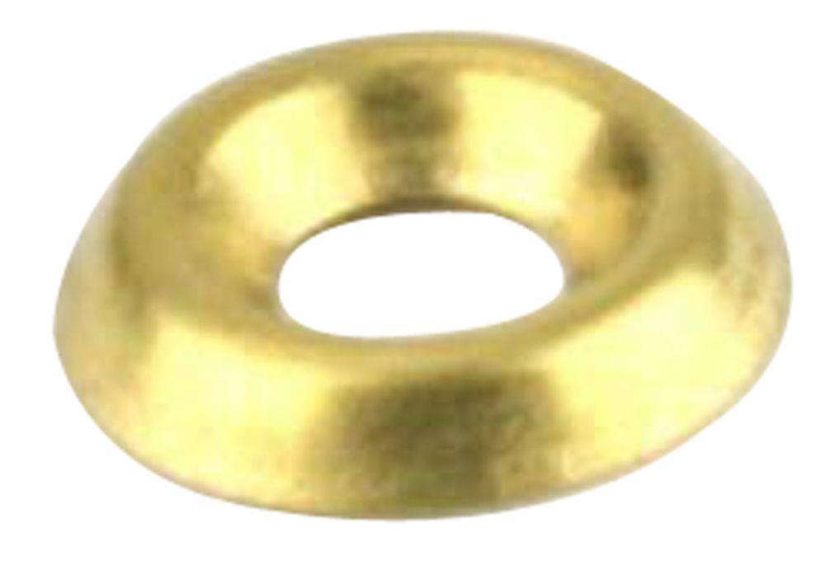
Everbilt brass finishing washers are designed to do two jobs at once: improve how a fastener looks and help distribute pressure under the screw head. That means you get a cleaner, more polished finish instead of a fastener that looks like it barged into your project uninvited. In other words, these washers are tiny, shiny diplomats negotiating peace between function and appearance.
This guide breaks down what Everbilt brass finishing washers are, how they work, where they make sense, when they do not, and what smart buyers should know before tossing a pack into the cart. If you are choosing between brass, stainless, nickel, or plain flat washers, or you just want your project to look more intentional and less “garage mystery repair,” you are in the right place.
What Are Everbilt Brass Finishing Washers?
A finishing washer is a decorative washer with a cupped or countersunk shape that pairs with a flat head or oval head screw. Instead of letting the screw head sit awkwardly on the material surface, the washer creates a cleaner seat for the fastener while giving the assembly a more finished, intentional appearance.
That is why finishing washers are often called trim washers, cup washers, or countersunk washers. Different stores may use slightly different names, but the idea is the same: they are made for projects where appearance matters almost as much as holding power.
With Everbilt brass finishing washers, the appeal is obvious. Brass-colored hardware has a warm, classic look that works well with wood tones, vintage-inspired fixtures, brass screws, leather accents, and decorative interior projects. You are not adding one because the project will collapse without it. You are adding it because details matter, and because sometimes a plain screw head looks like a typo in a beautiful sentence.
Why People Choose Brass Finishing Washers
They make exposed screws look intentional
The number one reason people buy brass finishing washers is simple: they make exposed hardware look better. A bare countersunk screw can look a little harsh, especially on stained wood, painted trim, plaques, panels, or decorative brackets. A finishing washer frames that screw head, softens the look, and adds a neat metallic accent.
They help spread pressure under the screw head
Finishing washers are not purely decorative. Their shape creates more bearing surface under the screw head, which can help reduce pull-through and make the joint feel more secure in the right application. That makes them especially handy on softer materials or on projects where you want a tidy surface without digging the screw too aggressively into the workpiece.
They play nicely with classic design styles
Brass has been popular for ages because it looks warm, familiar, and a little more refined than plain zinc or bright steel. If your space leans traditional, vintage, cottage, transitional, or even “I found this on purpose at an estate sale,” brass finishing washers can fit right in.
They can coordinate with matching fasteners
If you are already using brass or brass-tone screws, handles, hinges, or decorative trim, Everbilt brass finishing washers help pull everything together. Hardware matching is not the most thrilling sentence in the English language, but in the real world it is what separates “nice project” from “why does that one screw look different from everything else?”
Understanding Everbilt Sizes and Compatibility
One of the biggest points of confusion with finishing washers is the size callout. With Everbilt brass finishing washers, sizes such as #8 and #10 refer to the fastener size the washer is meant to match. So if you are using a #10 screw, you generally want a #10 finishing washer. This is not the time for freestyle improvisation.
The washer’s inner diameter is matched to the screw size, while the outside diameter gives you the visible decorative ring and the load-spreading effect. Small retail packs from Everbilt are commonly sold in sizes like #8, #10, #12, and others depending on stock and location.
For example, Everbilt’s small retail packs include #8 and #10 brass finishing washers, and those compact decorative washers are commonly listed with an outside diameter around 1/2 inch and a washer thickness around 0.032 inch. That makes them a light-duty, appearance-forward option rather than a heavy industrial solution.
The key rule is this: match the washer to the screw size and match the screw head style to the washer shape. Finishing washers are intended for flat head or oval head screws. They are not the right partner for pan head screws, hex washer heads, or random fasteners you found rolling around in a coffee can in the basement.
Flat head vs. oval head screws
Flat head screws sit more flush and create a crisp, neat look. Oval head screws sit a little prouder and often look more decorative. Both can work with finishing washers, but the final appearance is different. If the project is highly visible, do a quick test fit before committing to twenty matching screws and a long evening of regret.
Brass look vs. solid brass reality
This is where smart shopping matters. Some brass finishing washers in the market are solid brass, while others are brass plated. For Everbilt specifically, buyers should verify the current SKU and listing if composition matters for the application. If you simply want the brass appearance for an indoor decorative job, either may be fine. If you specifically need solid brass for corrosion behavior, conductivity, or material matching, read the product details closely.
Best Uses for Everbilt Brass Finishing Washers
Everbilt brass finishing washers are best suited to decorative, light-duty, or medium-duty fastening jobs where the hardware remains visible and you actually care how it looks. That includes:
- Mirror and picture frame mounting
- Decorative wood plaques and signs
- Cabinet hardware accents
- Leather straps or decorative brackets
- Furniture restoration and reproduction projects
- Light trim work
- Interior utility panels where a polished look matters
- Hobby builds, display boxes, and craft projects
They can also make sense on some moisture-prone projects if the exact fastener system is chosen carefully, but they are not automatically the best pick for every outdoor or marine application. That is where buyers need to distinguish between “brass looks classy” and “this fastener assembly is actually engineered for weather exposure.” Those are not always the same sentence.
When They Are Not the Best Choice
Finishing washers are excellent for appearance and decent load distribution, but they are not universal heroes. Here are the situations where you should slow down before using them:
Heavy structural work
If the job is structural, highly loaded, code-sensitive, or safety-related, a decorative finishing washer is usually not the tool for the job. Structural assemblies may require flat washers, hardened washers, load-distributing washers, or project-specific hardware.
Large soft surfaces
If you need serious load spreading across thin or fragile material, a fender washer or larger flat washer may do a better job. Finishing washers add bearing area, but their design is still oriented toward neat appearance and screw-head presentation.
High-moisture exterior exposure without verification
If your project lives outdoors year-round, in salty air, or in consistently wet conditions, confirm the material and finish before buying. Some brass-tone products are decorative first. In rough environments, stainless steel or purpose-rated exterior hardware may be the safer bet.
How to Install Everbilt Brass Finishing Washers Correctly
- Choose the correct screw size. If you are using a #10 screw, choose a #10 finishing washer.
- Use the right screw head style. Flat head and oval head screws are the usual match.
- Test the fit before final assembly. The screw should seat neatly in the washer cup, not wobble or sit awkwardly.
- Pre-drill when needed. This is especially smart in hardwoods, finished surfaces, and older trim where splitting would ruin the day.
- Tighten carefully. Snug is good. “I have decided to crush this hardware into another dimension” is not.
- Align visible hardware consistently. On decorative projects, even the direction of slotted screw heads can affect the finished look.
A well-installed finishing washer should look centered, clean, and intentional. The screw should seat into the washer naturally, and the washer should sit flat against the surface without twisting, gouging, or digging in at a weird angle. If something looks off, stop and correct it before you turn one bad fit into a whole matching row of bad fits.
Brass Finishing Washers vs. Other Washer Options
Brass finishing washers
Best for decorative interior work, classic looks, and projects where warm metal tones complement the design. These are the stars of the “please look polished” category.
Nickel-plated finishing washers
Good if you want a cooler, shinier appearance that pairs with chrome, nickel, or stainless-looking hardware. They often feel more modern and less traditional than brass.
Stainless steel finishing washers
Useful when you want a clean look plus stronger corrosion resistance. They are often the better choice for damp areas, utility spaces, or exterior applications where appearance still matters.
Flat washers
Flat washers are the practical cousins. They are better for straightforward load distribution but do not create the same dressed-up look. Think work boots, not loafers.
Fender washers
These are for larger bearing surface needs. If the material is thin, weak, or prone to pull-through, fender washers usually beat finishing washers on function, though they definitely do not win the beauty pageant.
Buying Tips Before You Add Them to Cart
When shopping for Everbilt brass finishing washers, keep these points in mind:
- Check the exact size. A #8 washer is not a “close enough” substitute for a #10 screw.
- Check the quantity. Small retail packs are convenient, but larger jobs may need more than one pack.
- Check the current material wording. If you need solid brass, verify the listing rather than assuming based on color alone.
- Match finishes across the project. Brass washers with silver screws usually look like a rushed compromise.
- Think about exposure. Decorative interior hardware and exterior weatherproof hardware are not always the same thing.
Are Everbilt Brass Finishing Washers Worth It?
For the right project, yes. They are inexpensive, easy to use, widely available, and they solve a specific problem very well: making visible screw connections look cleaner and more deliberate. If you care about presentation, they are one of those tiny upgrades that punch above their weight.
They are especially worth buying when you are working on decorative wood pieces, visible trim, plaques, framed objects, restoration work, or small household repairs where hardware remains on display. In those situations, a finishing washer often makes the project look more custom without adding much cost or complexity.
Just be realistic. These washers are not magic. They do not replace structural hardware, they do not turn bad fastener selection into good engineering, and they do not excuse sloppy screw alignment. What they do is add polish, improve pressure distribution under the screw head, and help your project look like you planned it that way all along.
Experiences With Everbilt Brass Finishing Washers
One of the most common experiences people have with brass finishing washers is discovering them late in a project and immediately wishing they had known about them sooner. A typical example is a DIY wall-mounted sign or plaque. The builder chooses nice wood, sands it carefully, picks a handsome finish, and then drives in a few exposed screws only to realize the screw heads look a little too industrial for the piece. Adding finishing washers changes the entire tone. Suddenly the hardware feels like part of the design instead of an afterthought. That shift is small on paper and huge in person.
Furniture touch-ups tell a similar story. On a cabinet side panel, a small box, or a decorative wood bracket, a plain screw can look sharp and unfinished, especially against darker stain colors. Brass finishing washers soften that look and create a visual border around the fastener. People often describe the result as cleaner, warmer, or more “professional,” which makes sense. The washer gives the screw head a proper frame, and framed things almost always look more intentional than unframed things. There is probably a life lesson in there somewhere.
Another common real-world experience involves trial and error with screw heads. A lot of first-time buyers assume any screw will work with a finishing washer. Then they try a pan head screw, the fit looks clumsy, and disappointment enters the chat. Once they switch to a flat head or oval head screw in the correct size, everything suddenly makes sense. The lesson is simple: finishing washers are not fussy for fun. They are shaped for a specific type of screw, and they look best when you let them do the job they were designed to do.
There is also the finish-matching lesson. On mixed-hardware repairs, people sometimes use whatever screw is closest and then try to rescue the appearance with a brass finishing washer. Results vary. When the washer, screw, hinge, and surrounding hardware all share a similar tone, the project looks coordinated. When one part is brass, another is bright zinc, and a third is satin nickel, the eye notices the mismatch instantly. A brass finishing washer can elevate the look, but it cannot perform diplomatic miracles between hardware finishes that never agreed to be on the same project.
Some buyers are also surprised by the material question. In real shopping situations, “brass” can refer to solid brass in some hardware items and brass-plated construction in others. For someone mounting decorative hardware indoors, that distinction may not matter much. For someone trying to match exact metal behavior, conductivity, or corrosion expectations, it matters a lot. Experienced DIYers learn to read the listing carefully, especially when the project is more than decorative. That is not pessimism. That is simply what happens when one shiny finish can mean more than one thing in the hardware aisle.
Then there is the satisfaction factor, which is honestly higher than a tiny washer has any right to deliver. Few things in DIY are as pleasantly disproportionate as a five-minute hardware upgrade that makes the whole project look sharper. People often spend hours choosing paint, stain, trim, or decorative hooks, then balk at a tiny finishing detail that costs very little. But once the washers are installed, the payoff is obvious. The project looks more finished, the hardware looks more deliberate, and the person who built it gets to enjoy that wonderfully smug moment of thinking, “Yes, I did notice the details.” And in home projects, that feeling is worth more than the washer pack.
Conclusion
Everbilt brass finishing washers are a small detail with outsized impact. They are ideal when you want visible fasteners to look clean, decorative, and thoughtfully chosen rather than purely functional. Used with the correct flat or oval head screws and matched to the correct size, they can improve both appearance and performance in many light-duty and decorative applications. The big takeaway is simple: choose the right size, verify the current material specification, use them where appearance matters, and do not ask them to do a structural washer’s job. Treat them as finish hardware, and they will absolutely earn their keep.