Table of Contents >> Show >> Hide
- What Makes a Wine “Beginner-Friendly”?
- Dry vs. Sweet: The 20-Second Cheat Code
- How to Buy Wine Without Feeling Like You’re Taking a Pop Quiz
- 15 Budget-Friendly Wines for Beginners (Mostly Alcohol-Free Picks)
- Budget Whites for Beginners (8 Picks)
- 1) Giesen Non-Alcoholic Riesling (white)
- 2) Giesen Non-Alcoholic Sauvignon Blanc (white)
- 3) Leitz Eins Zwei Zero Riesling (white)
- 4) Thomson & Scott Noughty Blanc (Chenin Blanc/Chardonnay blend)
- 5) Dr. Lo Riesling (alcohol-removed) (white)
- 6) Luminara Alcohol-Removed Chardonnay (white)
- 7) Studio Null Grüner Weiss (white blend)
- 8) Proxies Blanc Slate (Sauvignon Blanc-style “wine alternative”)
- Budget Reds for Beginners (7 Picks)
- 9) Wander + Found Non-Alcoholic Pinot Noir (red)
- 10) Leitz Zero Point Five Pinot Noir (red)
- 11) Oddbird GSM Non-Alcoholic Red (Grenache/Syrah/Mourvèdre blend)
- 12) Saint Viviana Cabernet Sauvignon (red)
- 13) M de Moderato DeAlcoholized Merlot-Tannat (red blend)
- 14) Proxies Red Clay (red “wine alternative”)
- 15) Missing Thorn Red (alcohol-free Malbec-style)
- Beginner Pairing Rules That Actually Work
- How to Taste Like a Pro (Without Becoming One)
- Common Beginner Mistakes (No Judgment, Only Snacks)
- of Beginner Experiences: What It Feels Like to Learn Wine (Without the Snobbery)
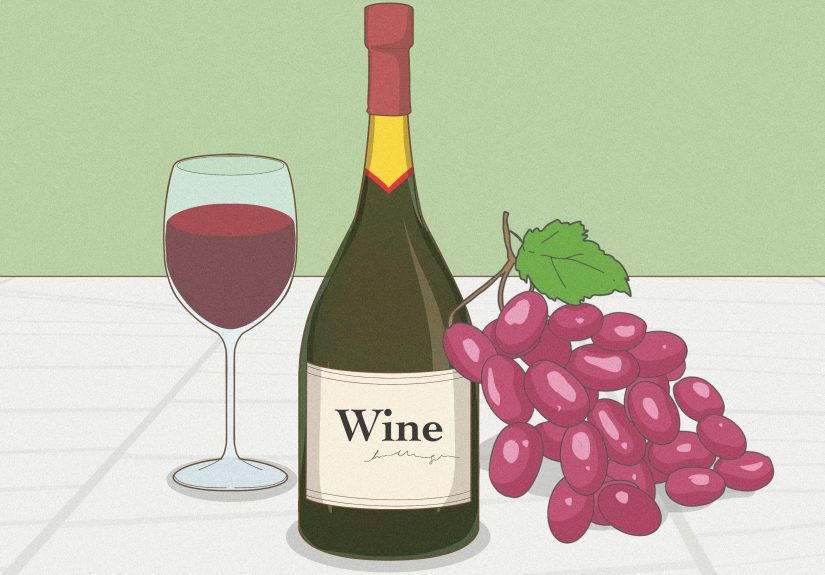
Wine has a reputation for being “complicated,” which is hilarious because it’s basically fermented grape juice with a PR team. If you’re a beginner, you don’t need a cellar, a sommelier voice, or a PhD in French pronunciationyou need a few friendly styles, a rough budget, and permission to like what you like.
Quick safety note: if you’re not of legal drinking age, stick to alcohol-free (0.0% or <0.5% ABV) wine and wine-style beverages. This guide is written to be beginner-friendly and budget-friendly, with a strong emphasis on alcohol-free options that still taste like “real wine” (or at least like wine’s well-behaved cousin).
What Makes a Wine “Beginner-Friendly”?
Beginner wines usually share a few traits: they’re easy to sip, not aggressively bitter, and they don’t require you to “acquire the taste” through sheer stubbornness.
- Lower tannin or softer texture: less of that drying, “my tongue is wearing a sweater” feeling (common in big reds).
- Bright but not sour acidity: keeps wine refreshing and food-friendly.
- Clear fruit flavors: apple, citrus, berry, cherrythings your brain already recognizes.
- Balanced sweetness: many beginners enjoy “dry” wines that still smell fruity (dry = not sugary, not “tastes like sand”).
- Good with food: wines feel easier when they’re paired with something salty, creamy, or savory.
Dry vs. Sweet: The 20-Second Cheat Code
“Dry” means not sweet. A dry wine can still smell like peaches or berriesbecause aroma isn’t the same as sugar. If you’re unsure what you like, use this simple approach:
- If you love crisp drinks (iced tea, lemonade, sparkling water): start with zippy whites (Sauvignon Blanc-style, Riesling-style).
- If you love rounder drinks (milk tea, vanilla latte): try Chardonnay-style whites or smoother reds (Pinot Noir-style).
- If you hate bitterness: avoid extra-tannic reds at first and choose lighter reds or red “alternatives.”
How to Buy Wine Without Feeling Like You’re Taking a Pop Quiz
The goal is not to “pick the best bottle.” The goal is to pick a bottle that’s right for youand learn one thing each time. Here’s a beginner-friendly label strategy:
- Pick color first: white for crisp/bright; red for cozy/berry/spice.
- Pick a style word: “dry,” “crisp,” “bright,” “smooth,” “soft,” “fruity.”
- For alcohol-free wines: look for “dealcoholized,” “alcohol removed,” “0.0%,” or “non-alcoholic,” and read the ABV line.
- Set a budget range: “under $20,” “around $25,” or “under $30 for something special.”
- Ask one helpful question: “What’s a crowd-pleasing option that’s not too sweet?”
15 Budget-Friendly Wines for Beginners (Mostly Alcohol-Free Picks)
Below are beginner-friendly budget reds and whites with flavor notes and “why it works” explanations. Prices vary by region, but these are commonly positioned as affordable-to-midrange compared to premium bottles.
Budget Whites for Beginners (8 Picks)
1) Giesen Non-Alcoholic Riesling (white)
What it tastes like: lime, green apple, bright citrus, a clean finish.
Why beginners like it: Riesling can be super aromatic and refreshing, and this style tends to feel “lively” rather than heavy.
Try it with: sushi, chicken salad, salty snacks, or anything with a squeeze of lemon.
2) Giesen Non-Alcoholic Sauvignon Blanc (white)
What it tastes like: grapefruit, fresh herbs, zesty citrus.
Why beginners like it: it’s crisp and straightforwardlike the “clean playlist” of wines.
Try it with: goat cheese, green salads, roasted veggies, or tacos with lime.
3) Leitz Eins Zwei Zero Riesling (white)
What it tastes like: citrus peel, orchard fruit, refreshing acidity.
Why beginners like it: bright and food-friendlygreat when you’re still figuring out what “dry” feels like.
Try it with: spicy noodles, fried foods, or anything you’d dunk in a tangy sauce.
4) Thomson & Scott Noughty Blanc (Chenin Blanc/Chardonnay blend)
What it tastes like: yellow apple, light floral notes, a rounder (but still fresh) texture.
Why beginners like it: it sits between crisp and creamyhelpful if you don’t know which team you’re on yet.
Try it with: roast chicken, creamy pasta, or popcorn (yes, popcorn).
5) Dr. Lo Riesling (alcohol-removed) (white)
What it tastes like: citrus, green apple, a slightly softer “off-dry-ish” vibe depending on your palate.
Why beginners like it: Riesling’s aromatics often translate well into alcohol-removed versions.
Try it with: spicy snacks, dumplings, or glazed salmon-style dishes.
6) Luminara Alcohol-Removed Chardonnay (white)
What it tastes like: green apple, peach, and a fuller-bodied feel compared to super-crisp whites.
Why beginners like it: a gentle on-ramp to Chardonnay’s roundnesswithout feeling like you’re chewing a barrel.
Try it with: grilled chicken, creamy soups, or mac and cheese.
7) Studio Null Grüner Weiss (white blend)
What it tastes like: green apple, white flowers, citrus brightness, dry and snappy.
Why beginners like it: it’s aromatic without being sweet, and it pairs with food like it’s trying to impress you.
Try it with: salads, roast vegetables, chicken skewers, or anything herby.
8) Proxies Blanc Slate (Sauvignon Blanc-style “wine alternative”)
What it tastes like: grapefruit peel, lemony brightness, a hint of green pepper/herb.
Why beginners like it: it behaves like a crisp white at the table, even though it’s built more like a culinary beverage.
Try it with: cheese boards, veggies and dip, seafood, or a big crunchy salad.
Budget Reds for Beginners (7 Picks)
9) Wander + Found Non-Alcoholic Pinot Noir (red)
What it tastes like: red cherry, soft berry notes, lighter-bodied red character.
Why beginners like it: Pinot Noir is often the “gateway red”less heavy, less tannic, more friendly.
Try it with: roasted chicken, mushroom dishes, salmon, or pizza.
10) Leitz Zero Point Five Pinot Noir (red)
What it tastes like: dark cherry, gentle herbs, sleek tannins (for an alcohol-removed red).
Why beginners like it: it’s a smoother red option that still tastes like a real grape did the work.
Try it with: pasta with tomato sauce, burgers (including veggie burgers), or roasted vegetables.
11) Oddbird GSM Non-Alcoholic Red (Grenache/Syrah/Mourvèdre blend)
What it tastes like: red and black fruits, a dry finish, a bit more structure than ultra-light reds.
Why beginners like it: you get “real red wine energy” without immediately running into mouth-drying extremes.
Try it with: BBQ-style flavors, lentil stew, or anything smoky and savory.
12) Saint Viviana Cabernet Sauvignon (red)
What it tastes like: blackberry, dark cherry, baking spice, more classic Cabernet vibes.
Why beginners like it: it’s a training-wheels Cab: big flavor, but designed to stay approachable.
Try it with: hearty pasta, grilled veggies, or a rich tomato-based dish.
13) M de Moderato DeAlcoholized Merlot-Tannat (red blend)
What it tastes like: black currant, firm-but-not-aggressive structure, brisk acidity.
Why beginners like it: it’s a “serious red” that doesn’t require suffering to appreciate.
Try it with: burgers, roasted meats (or meatless versions), or a mushroom-forward dish.
14) Proxies Red Clay (red “wine alternative”)
What it tastes like: layered fruit, savory undertones, built to pair with food more than to chug solo.
Why beginners like it: it teaches you how “red wine” can be about balance and dining, not just boldness.
Try it with: charcuterie-style plates, roasted vegetables, or comfort food.
15) Missing Thorn Red (alcohol-free Malbec-style)
What it tastes like: juicy dark fruit, plush texture, crowd-pleasing richness.
Why beginners like it: it’s the kind of red that feels like a cozy blanketwithout becoming a tannin monster.
Try it with: steakhouse-style flavors, BBQ, or a big bowl of pasta.
Beginner Pairing Rules That Actually Work
Pairing doesn’t have to be fancy. The best pairings usually follow simple physics (and deliciousness):
- Acid + salty/greasy food = refreshing (think crisp whites with fries, pizza, or creamy dishes).
- Softer reds + comfort food = cozy (Pinot Noir-style with pasta, mushrooms, roast chicken).
- More structure + richer food = balance (Cab-style with grilled, roasted, or smoky flavors).
- Spicy food: crisp whites are usually safer than tannic reds.
How to Taste Like a Pro (Without Becoming One)
You don’t need a tasting wheel the size of a manhole cover. Use the simplest method:
- Look: Is it pale, gold, ruby, deep purple?
- Smell: Fruit, flowers, herbs, spice, or “this reminds me of my grandma’s pantry”?
- Sip: Notice sweetness (or dryness), acidity (mouth-watering), and texture (soft vs. drying).
- Decide: “Would I want another sip?” is the only test that matters.
Common Beginner Mistakes (No Judgment, Only Snacks)
- Overthinking “dry”: Fruity smell doesn’t mean sweet taste.
- Serving temp whiplash: icy-cold reds taste flat; warm whites taste tired. Aim for cool, not extreme.
- Expecting alcohol-free wine to be identical: it can be excellent, but the “body” can differchoose food-friendly styles.
- Starting with the toughest reds: super-tannic wines can feel like a dare. Start softer, then level up.
- Skipping water and food: your palate is not a robot. Give it breaks.
of Beginner Experiences: What It Feels Like to Learn Wine (Without the Snobbery)
The first “wine experience” most beginners have is not a dramatic aha-moment with angels singing. It’s more like: “Oh… this one tastes kind of like green apples,” followed by “Wait, why does my mouth feel dry?” and then, “Okay, I need chips.” That’s normal. Wine learning is basically a delicious series of tiny discoveries.
One of the most common beginner wins is realizing that you’re allowed to have a preference. Maybe you thought you were “supposed” to like big reds because movies make it look cool. Then you try a bright, crisp white and your brain goes, “Yes. This is the vibe.” That’s not you failing at wine. That’s you succeeding at being a person.
Another classic beginner moment: you finally understand “dry.” Not because someone explained it using chemistry, but because you take a sip of a dry Riesling-style white and notice it’s refreshing, not sugaryyet it still smells like fruit. It’s the same shock as biting into a strawberry and realizing it’s not actually candy (tragic, but educational).
Reds have their own learning curve. The first time you meet tannins, you may think something is wrong with your mouth. It’s not wrongtannins are simply the texture you’re feeling, and they can be intense in some wines. Beginners often feel more comfortable starting with lighter reds (Pinot Noir-style) or red blends designed to stay smooth. Then something magical happens: you eat a bite of something fatty or savorypizza, a mushroom dish, a juicy burgerand suddenly the red feels softer and more balanced. That’s the “ohhh” moment people talk about.
If you’re exploring alcohol-free wines, you might notice that some bottles feel slightly lighter in “body.” The beginner experience here is learning to treat these bottles like what they are: a delicious, grown-up beverage that pairs with food, fits the vibe of a dinner table, and lets you participate in the ritual. Chill them properly, pour them into a real glass, and give them a fair shot. Half the joy of wine is the ceremonythe pause, the smell, the first sip, the “what does this remind me of?” conversation.
The best beginner habit is keeping it playful. Make a tiny tasting flight at home: one crisp white, one rounder white, one lighter red, one fuller red. Take two sips of each, eat something salty in between, and write one sentence: “I liked this because…” You’ll learn faster than you thinkand you’ll never again be trapped in a wine aisle whispering, “Help,” to a shelf.