Table of Contents >> Show >> Hide
- What Is DEER An Electronic Repellent?
- Why This Hackaday Prize Entry Stands Out
- How the Electronic Repellent Works
- The Real Problem: Fawns, Tall Grass, and Mowing
- Do Electronic Deer Repellents Actually Work?
- What Makes DEER a Good Maker Project?
- Smart Upgrades That Could Improve the Design
- Electronic Repellent vs. Traditional Deer Control
- Why the Timing Matters More Than the Gadget
- Practical Field Experience: What Building a DEER-Like Device Teaches You
- Conclusion
Every spring, fields turn green, farmers start planning the first cut, and hidden in all that beautiful grass is a very small problem with very big eyes: young wildlife. Fawns and other newborn animals often stay perfectly still in tall vegetation because, from nature’s point of view, “freeze and hide” is a brilliant survival strategy. From the point of view of a mower blade, however, it is a terrible scheduling conflict.
That is where DEER An Electronic Repellent, a Hackaday Prize entry built around a simple Arduino-based idea, becomes interesting. It is not a shiny gadget designed merely to keep deer away from tulips, although gardeners who have watched their hostas become a salad bar will certainly understand the emotional urgency. DEER is a field-ready electronic animal repeller intended to be placed in pastures before mowing so wildlife has a reason to move elsewhere before machines arrive.
The charm of the project is that it lives at the intersection of open-source hardware, farm practicality, wildlife protection, and the classic maker question: “Can I solve this with a microcontroller, a few parts, and enough hot glue to alarm a structural engineer?” The answer, in this case, is yesbut with important real-world caveats.
What Is DEER An Electronic Repellent?
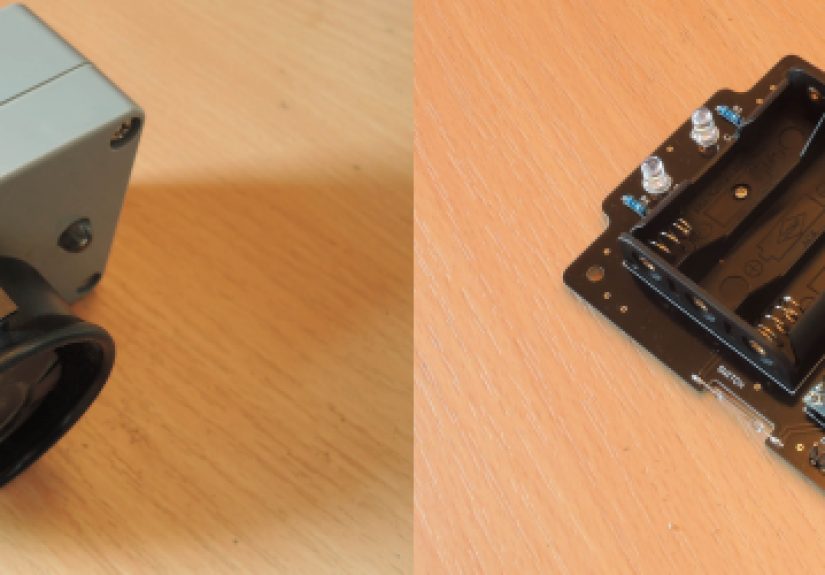
DEER is a DIY electronic repellent project submitted to the Hackaday Prize. The project was designed by Ondřej Petrlík and built around an Arduino Mini, a large piezo transducer, LEDs, a light-dependent resistor, a reed switch, alkaline batteries, and a weatherproof enclosure. The core idea is simple: place multiple low-cost devices in fields before mowing, let them emit sound and light cues, and encourage animals to leave the area before the dangerous work begins.
Unlike many commercial deer repellents, DEER was not framed as a permanent garden defense system. Its mission is more specific and arguably more thoughtful: short-term wildlife displacement before a known disturbance. That distinction matters. A device that is expected to protect roses all season is fighting a long war against appetite, habit, and deer confidence. A device placed in a pasture one day before mowing is trying to create temporary discomfort at the right time. That is a much more realistic job description.
Why This Hackaday Prize Entry Stands Out
The Hackaday Prize celebrates hardware projects that address real problems, and DEER fits that spirit neatly. It is not trying to impress anyone with unnecessary complexity. There is no laser turret, no dramatic robot chase scene, and no artificial intelligence claiming to understand deer psychology better than a deer does. Instead, the project focuses on a practical question: how can a farmer or landowner build several affordable devices quickly and deploy them where wildlife is at risk?
The first prototype used off-the-shelf parts and was assembled in the classic field-hacker style: wires, solder, heat shrink, drilled holes, and a weatherproof box. That approach works for one unit, but it becomes exhausting when you need ten. Anyone who has built “just one more” outdoor electronics project knows that the tenth enclosure is where optimism goes to negotiate with reality. To improve repeatability, the project moved toward a custom PCB, making assembly cleaner, faster, and more reliable.
How the Electronic Repellent Works
The Arduino as the Brain
The Arduino Mini acts as the controller. Its job is not complicated, but it is important: control timing, activate the transducer, manage light behavior, and ideally vary output so animals do not become used to a predictable pattern. Randomized intervals are especially useful because repeated, steady signals can fade into the background. Wildlife may be cautious, but it is not easily fooled forever. If a sound repeats like a cheap alarm clock, deer may eventually decide it is just another annoying neighbor.
Piezo Transducer and High-Frequency Sound
The large piezo transducer is the main sound-producing component. Ultrasonic and high-frequency repellent devices have been sold for many animals, including rodents, insects, birds, and deer. The concept is that unpleasant or unfamiliar sound can make an area less comfortable. In practice, effectiveness varies widely. Some animals react strongly, some ignore the signal, and many may habituate if the device is constant, weak, or poorly placed.
That is why DEER’s context is important. It is not promising to create a permanent invisible fence out of sound. It is better understood as a short-term scare deviceone that may be useful when placed in a field before mowing, especially if combined with other wildlife-friendly practices.
LEDs, Darkness, and Visual Stimulus
The project also uses large LEDs and an LDR, or light-dependent resistor. The LDR can detect low-light conditions and activate visual cues at night. Light can help users locate the device in the field, but flashes or sudden illumination may also contribute to the repellent effect. In discussions around the project, strobe-like behavior and car-headlight-style lighting were mentioned as possible ways to increase the surprise factor.
Visual deterrents are rarely magic on their own, but they can help when paired with motion, sound, and timing. The goal is to create enough uncertainty that animals decide the next field over looks more relaxing.
Battery Power and Weatherproofing
DEER’s prototype used three alkaline AA batteries. Battery-powered operation makes sense for temporary field deployment because running cables through pasture is a hobby best left to people who enjoy tripping hazards and livestock comedy. However, field electronics must survive moisture, dirt, temperature swings, and physical knocks. A weatherproof enclosure is essential, and so is strain relief, corrosion protection, and careful sealing around switches and cables.
The reed switch is a clever touch because it allows the device to be turned on with a magnet without exposing a mechanical switch to rain and mud. Outdoor switches are where reliability often goes to retire early.
The Real Problem: Fawns, Tall Grass, and Mowing
Young deer and other wildlife often rely on stillness and camouflage. That strategy works against predators, but it can fail badly in hayfields and pastures. During mowing, animals hidden in tall grass may not flee in time. This is not because they are foolish; it is because their survival strategy is built for foxes and coyotes, not rotary cutters and tractors.
Wildlife-friendly haying practices try to reduce that risk. Cutting from the center outward or from one side to the other can give animals an escape route. Slowing down in areas where wildlife has been seen can also help. Flushing bars mounted ahead of cutting equipment may encourage birds and some young animals to move before the blade reaches them. Delaying mowing until young animals are more mobile is another strong option when farm schedules allow it.
DEER fits into this broader toolbox. It is not a replacement for careful mowing patterns, field checks, delayed harvest, or local wildlife guidance. It is a supporting toolone that attempts to make the field less attractive before the mower arrives.
Do Electronic Deer Repellents Actually Work?
This is the million-dollar question, although most DIY versions cost much less than a million dollars unless someone orders the wrong parts three times. The honest answer is: sometimes, for a while, in the right context.
University extension and wildlife-management guidance generally agree that deer deterrents are best viewed as temporary tools. Deer can become habituated to sounds, lights, and scare devices, especially when the device is predictable and no real consequence follows. Ultrasonic devices, in particular, have not consistently proven effective in research trials as long-term deer repellents. Fencing remains the most reliable way to exclude deer from gardens, orchards, and high-value plantings.
However, DEER is not trying to replace a seven- or eight-foot fence around a vegetable garden. It is aimed at short-term use before mowing. That gives the device a more reasonable chance. Temporary disturbance can work better than permanent background noise because the animal experiences a new signal in a specific place at a specific time. The best results would likely come from changing locations, varying frequency and timing, combining sound with flashing light, and deploying the device only when needed.
What Makes DEER a Good Maker Project?
DEER is appealing because it has the right balance of simplicity and usefulness. The parts are understandable. The build is approachable. The problem is real. And the project can be improved in many directions without losing its original purpose.
For beginners, it teaches microcontroller timing, transistor or driver circuits, power management, basic sensing, enclosure design, and PCB planning. For experienced makers, it opens questions about acoustic output, wildlife behavior, environmental durability, deployment strategy, and data collection. In other words, it is not just “Arduino makes noise.” It is an outdoor embedded system with ethical stakes and muddy boots.
Smart Upgrades That Could Improve the Design
1. Frequency Sweeping
A fixed tone is easier for animals to ignore. A programmed sweep through multiple high-frequency ranges could make the output less predictable. The firmware could also randomize pulse length and rest intervals, reducing the chance that wildlife treats the sound as harmless background chatter.
2. Motion Detection
Adding a PIR sensor or other motion detector could save battery life and make the device more responsive. Instead of running constantly, the repellent could activate when a warm-bodied animal moves nearby. That sudden activation may be more startling than a continuous signal.
3. Solar Charging
For longer deployments, a small solar panel and rechargeable battery pack could reduce maintenance. The design would need charging protection, waterproof connectors, and low-power sleep modes. Otherwise, the solar panel becomes a decorative roof for a dead battery.
4. Data Logging
A simple logging feature could record activation times, battery voltage, light levels, and sensor triggers. If paired with trail cameras, the data could help answer the most useful question: did animals actually leave? Maker projects become much more powerful when they measure results instead of relying on vibes and wishful thinking.
5. Better Enclosure Engineering
Outdoor projects fail at the enclosure more often than at the code. Better gaskets, cable glands, conformal coating, drainage design, and secure mounting points would make DEER more field-worthy. A device that survives rain, dust, and being nudged by curious wildlife is a device that earns its keep.
Electronic Repellent vs. Traditional Deer Control
Traditional deer-control methods include fencing, repellents, dogs, plant selection, hunting where legal, motion-activated sprinklers, scare devices, and crop-management strategies. Each method has trade-offs. Fencing works best but costs more and is not always practical for large fields. Chemical repellents can help in small areas but often require reapplication after rain or new plant growth. Motion-activated sprinklers can surprise deer, but they need water and a suitable coverage area. Dogs may be effective in some settings, but they require care, training, and responsible management.
Electronic repellents like DEER occupy a specific niche. They are portable, low-cost, and easy to deploy. They do not injure animals, do not add chemicals to crops, and can be built by people with basic soldering skills. Their weakness is that they are not guaranteed and may lose effectiveness if used poorly. The practical conclusion is simple: use electronic repellents as part of a strategy, not as a miracle in a box.
Why the Timing Matters More Than the Gadget
The smartest part of DEER is not the piezo transducer. It is the deployment plan. Placing devices one day before mowing gives animals time to respond. If the device were mounted directly on the mower, very young fawns might still freeze instead of running. If it were left in the field all season, animals might learn to ignore it. But placing several devices shortly before mowing creates temporary pressure at the moment it matters most.
That timing-based approach is a lesson for many hardware projects. Good engineering is not only about components. It is about understanding the problem’s rhythm. Fields are mowed on schedules. Wildlife uses cover during certain seasons. Farmers have limited time. A useful device must respect all three realities.
Practical Field Experience: What Building a DEER-Like Device Teaches You
Anyone who has built an outdoor Arduino project learns quickly that the field is not a lab with more grass. A bench prototype can blink beautifully under warm lights, powered by a friendly USB cable, while sitting on a desk that has never once been rained on. Then you take it outside, and nature begins the peer-review process. Moisture sneaks into connectors. Batteries sag in cold mornings. Sunlight makes indicator LEDs harder to see. A curious animal may treat your enclosure like a new mineral lick. Suddenly, the project is less about code elegance and more about whether the lid gasket is seated properly.
A DEER-style electronic repellent teaches patience because the results are not always immediate. You may deploy five units and see no obvious animal movement, then find tracks the next morning showing that something walked near the device, paused, and went around it. That is useful information. It may not feel as dramatic as watching a deer leap away from a superhero-grade sonic blast, but real field work is rarely cinematic. It is more often a collection of small clues: bent grass, trail-camera images, battery readings, and whether the next mowing pass finds the area clear.
The experience also teaches humility. Deer are not robots with antlers. They are living animals with habits, hunger, caution, and local knowledge. A doe that has safely used the same field for years may not abandon it forever because a plastic box starts chirping. But she may move a fawn if the disturbance appears suddenly and close enough to matter. That is the narrow, practical opportunity this project tries to use.
For makers, the most satisfying part is improving the design after each deployment. The first version may be held together with hot glue and optimism. The second gets a better PCB. The third has a cleaner battery compartment. The fourth adds a gasket, a magnetic switch, and firmware that varies pulse timing. By the fifth version, you are no longer just building a repellent; you are building a small environmental instrument that happens to annoy deer for a good cause.
There is also a social side to the project. A farmer, a local maker, and a wildlife volunteer can all understand the goal even if they speak different technical languages. The farmer cares about mowing safely and on time. The maker cares about reliable electronics. The wildlife volunteer cares about reducing injury to young animals. DEER gives them a shared object to discuss, test, improve, and deploy. That collaborative quality is exactly what makes open hardware valuable.
The biggest lesson is that humane technology works best when it is realistic. DEER does not need to defeat deer forever. It only needs to help shift wildlife away from danger during a short window. That is a modest goal, but it is also a meaningful one. Sometimes the best invention is not the one that conquers nature. It is the one that gives nature a polite warning before the tractor starts.
Conclusion
Hackaday Prize Entry : DEER An Electronic Repellent is a smart example of humane, practical maker engineering. It takes a real seasonal problemwildlife hiding in tall grass before mowingand approaches it with affordable electronics, repeatable design, and field-focused thinking. The project also reminds us to be honest about deterrent technology. Ultrasonic and electronic deer repellents are not guaranteed long-term solutions, and fencing remains the strongest option for permanent exclusion. But when used briefly, strategically, and alongside wildlife-friendly mowing practices, an electronic repellent like DEER can become a useful tool.
The best part is that the project invites improvement. Add sensors. Improve power management. Log data. Strengthen the enclosure. Test different sound and light patterns. Share results. That is the maker spirit at its best: not just building a gadget, but building a better way to live with the world around usone Arduino, one pasture, and one relieved fawn at a time.