Table of Contents >> Show >> Hide
- Why Fondant Takes Forever to Dry Sometimes
- The Fastest Way to Dry Fondant, in Plain English
- 8 Quick Drying Tips & Tricks for Fondant
- 1. Add Tylose or CMC Powder for a Faster Set
- 2. Roll It Thinner, Because Thick Fondant Loves Drama
- 3. Use a Surface That Helps, Not Hurts
- 4. Put a Fan to Work
- 5. Lower the Humidity in the Room
- 6. Use Gentle Warmth, Not Aggressive Heat
- 7. Mix Fondant With Gum Paste for Detailed Decorations
- 8. Make Pieces in Advance and Dry Them in Separate Parts
- Common Mistakes That Slow Fondant Down
- How Long Does Fondant Usually Take to Dry?
- Conclusion
- Extra Real-World Experience: What Bakers Notice When Drying Fondant Fast
Fondant is the diva of cake decorating. It looks smooth, elegant, and camera-ready, but when you need it to dry fast, it suddenly becomes the world’s slowest houseguest. One flower droops. One bow slumps. One cute topper face-plants onto the cake like it gave up on life. If that sounds familiar, welcome to the club.
The good news is that fondant can dry faster when you give it the right conditions. The bad news is that forcing it the wrong way can make it crack, sweat, fade, or turn into a sugary disaster that looks like it lost a fight with humidity. The trick is not blasting it with random heat and hoping for the best. The trick is controlling moisture, thickness, airflow, and structure.
In this guide, you’ll learn how to dry fondant faster without ruining your decorations. Whether you’re making fondant flowers, cupcake toppers, figurines, bows, or cutout letters, these eight tips will help you get a firmer finish in less time. I’ll also walk through common mistakes, practical examples, and real-life decorating situations that make all the difference when the clock is ticking.
Why Fondant Takes Forever to Dry Sometimes
Fondant dries as moisture slowly leaves the sugar paste. That means drying time depends on more than just patience. Thickness matters. Humidity matters. The type of fondant matters. Even the surface underneath your decoration matters. A chunky teddy bear topper in a sticky kitchen is going to dry much more slowly than a thin fondant flower sitting in front of a fan in an air-conditioned room.
It also helps to remember that fondant is not the same as gum paste. Fondant can firm up and hold shape, but gum paste dries much harder and faster. That’s why decorators often adjust fondant for small decorations instead of using it plain straight out of the package.
The Fastest Way to Dry Fondant, in Plain English
If you only remember one sentence from this article, make it this: thin fondant in a dry room with moving air will dry much faster than thick fondant in a humid room with still air. Add a little Tylose or CMC powder, and you speed things up even more.
8 Quick Drying Tips & Tricks for Fondant
-
1. Add Tylose or CMC Powder for a Faster Set
If you need fondant decorations to firm up quickly, this is one of the most effective tricks in the book. Tylose powder, also called CMC in many decorating aisles, acts like a hardening helper. Knead a small amount into soft fondant before shaping your decoration, and it will begin to dry faster and hold its structure better.
This works especially well for cake toppers, figurines, bows, plaques, and letters that need to stand up instead of melting into a sugary puddle of regret. Just do not go overboard. Too much hardening powder can make fondant tough, crumbly, and hard to roll smoothly. A little goes a long way.
Example: If you’re making a name topper for cupcakes the night before a party, plain fondant may still be soft the next morning. Fondant with a pinch of Tylose has a much better chance of being ready on time.
-
2. Roll It Thinner, Because Thick Fondant Loves Drama
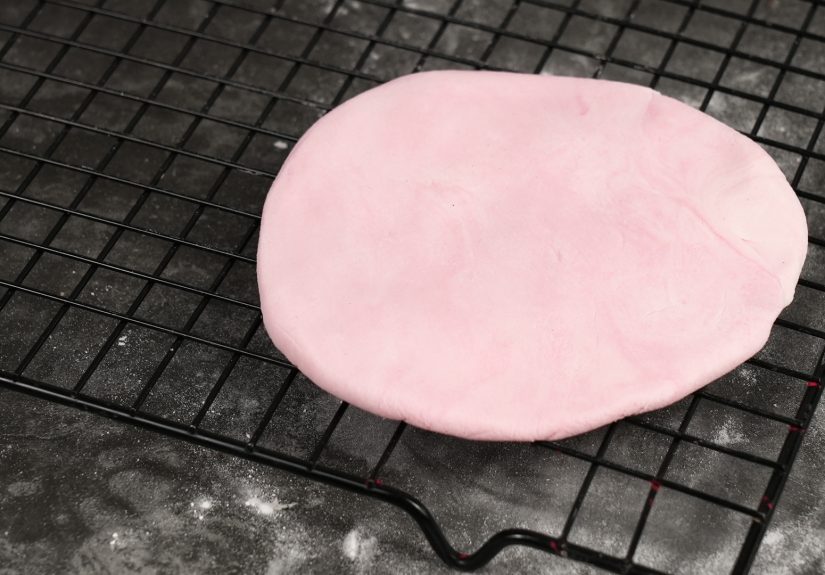
Thinner fondant dries faster. That’s the rule. A thick piece may feel firm on the outside while still staying soft in the center, which is how decorators end up with bent petals, sagging ears, and toppers that look brave but unsupported.
For cutout shapes, bows, or flat decorations, roll your fondant as thin as your design will allow while still keeping it sturdy enough to move. Thin stars, polka dots, leaves, and letters dry much more quickly than chunky pieces.
This does not mean every decoration should be paper-thin. A standing number topper still needs enough body to survive transport and handling. But if you’re wondering why your thick fondant cloud won’t dry, the answer may simply be that you made it thick enough to qualify as a pillow.
-
3. Use a Surface That Helps, Not Hurts
Where you dry fondant matters. A clean, flat surface lined with parchment paper is a smart starting point for many decorations. It helps prevent sticking and makes transferring pieces easier. For flowers or curved decorations, use foam pads, flower formers, small bowls, spoons, or crumpled parchment to support the shape while it dries.
Try to avoid textured surfaces unless you want that texture on the fondant. Silicone mats, rough towels, or messy counters can leave marks behind. Also, if your decoration needs airflow on both sides, drying it on a rack or elevating the surface slightly can help it set more evenly.
Example: Fondant petals placed flat on a tray may dry flat and lifeless. The same petals dried in a spoon or flower former will keep their curl and look far more polished.
-
4. Put a Fan to Work
Moving air speeds up evaporation, which means it helps fondant dry faster. A household fan on a low or medium setting is one of the easiest, safest, and cheapest ways to help decorations firm up. Set your pieces on a tray, keep them in a dry room, and let gentle airflow do the heavy lifting.
This method is especially good for flowers, cutout toppers, and small figures. It is also less risky than blasting fondant with high heat. Think breeze, not hurricane. You want the air to move around the decoration, not launch your tiny fondant bow across the kitchen like edible confetti.
A fan will not turn a fresh figurine rock-hard in 20 minutes, but it can cut down drying time noticeably and improve the surface texture.
-
5. Lower the Humidity in the Room
Humidity is fondant’s clingy ex. It does not know when to leave. If the air is damp, fondant will stay softer for longer, and finished pieces may get sticky or start sweating. On rainy days or in naturally humid kitchens, a dehumidifier can make a big difference.
Air conditioning can help too, since cooler, drier indoor air generally gives better drying conditions than a warm, muggy kitchen. If you live somewhere humid year-round, controlling the room is often more effective than trying random shortcuts on the fondant itself.
Example: If your fondant flowers dry beautifully in winter but stay tacky in summer, the issue is probably not your recipe. It is the moisture in the air. Same baker, same fondant, wildly different results. Classic humidity behavior.
-
6. Use Gentle Warmth, Not Aggressive Heat
Warmth can help, but only if it is gentle. A low, mild source of heat such as an oven light or a nearby lamp can encourage fondant pieces to dry more quickly without melting them. The key word here is gentle. You are encouraging the fondant to dry, not auditioning it for a sauna commercial.
Do not put fondant in a hot oven. Do not park it under strong direct heat. And do not assume hotter automatically means better. Too much heat can soften the surface, cause uneven drying, or create cracks as the outside dries faster than the inside.
If you use a blow dryer, keep it on a cool or very low setting, hold it at a distance, and keep it moving. This is best for small details already attached to a cake, not for blasting a whole batch like you’re trying to dry a wet dog.
-
7. Mix Fondant With Gum Paste for Detailed Decorations
If you want the taste and workability of fondant but need a faster, firmer result, mix fondant with gum paste. A 50-50 blend is a popular solution for flowers, bows, and detailed toppers. The gum paste helps the mixture dry harder and hold fine details better, while the fondant keeps it easier to shape and a little less brittle.
This is a great choice when plain fondant feels too soft but full gum paste feels too dry or cracks while you work. The blend gives you a useful middle ground. It is especially helpful for figurines with ears, petals, wings, and anything else that loves to slump at the worst possible moment.
For decorators making custom toppers regularly, this trick can save both time and sanity. And frankly, sanity is an underrated cake supply.
-
8. Make Pieces in Advance and Dry Them in Separate Parts
Sometimes the fastest way to dry fondant is not a gadget or an ingredient. It is planning. If you’re making a complex figure or topper, create separate pieces ahead of time so they can dry individually. Small parts dry faster and more evenly than one giant assembled decoration.
For example, instead of sculpting a full fondant animal in one go, dry the head, body, ears, and accessories separately, then attach them with edible glue once they’re firm enough to support themselves. This reduces sagging and lowers the chance of surface cracks caused by uneven drying.
It also gives you more control. If a tail dries too curved or an ear droops, you can fix one part instead of rebuilding the whole character while muttering words not suitable for a family baking blog.
Common Mistakes That Slow Fondant Down
Using Too Much Water
Water is useful as edible glue, but too much of it makes fondant sticky and slow to dry. Use the tiniest amount possible. Think damp brush, not mini flood.
Refrigerating Decorations to “Help” Them Set
This sounds smart until condensation shows up and ruins your confidence. Refrigerators and freezers often introduce moisture problems, especially once the decoration returns to room temperature. If fondant sweats, let it air-dry naturally instead of rubbing it aggressively.
Overloading With Cornstarch or Powdered Sugar
A light dusting helps keep fondant from sticking, but too much can dry the surface unevenly or leave a chalky finish. Use only what you need.
Trying to Rush Thick Figurines
The outside can harden before the center has a chance to set, which may lead to cracks or collapse. If the piece is bulky, dry it in parts or use internal support where appropriate.
How Long Does Fondant Usually Take to Dry?
There is no one-size-fits-all answer, because size, thickness, humidity, and ingredients all matter. Thin cutouts might firm up within a few hours. Flowers often need overnight drying or longer. Thicker pieces and figurines may need a day or two, sometimes more, especially if they are made from plain fondant without a hardening agent.
The best mindset is this: aim for faster drying, but do not confuse “touch-dry” with “fully dry.” A surface that feels set can still hide a soft center. If your decoration has to stand upright, support weight, or survive transport, give it extra time whenever possible.
Conclusion
If you want to dry fondant fast, the winning formula is simple: use the right fondant, roll it thinner, keep the air moving, reduce humidity, and add structure when needed. A fan, a dry room, and a small amount of Tylose or CMC can do more for you than panic ever will. Gentle warmth can help. Harsh heat usually cannot. And if a decoration really matters, make it ahead of time and let it dry like the little sugar masterpiece it believes it is.
In other words, fondant dries best when you stop fighting it and start setting it up for success. Give it a clean surface, sensible airflow, and a little strategy, and it will reward you by staying upright, looking polished, and not embarrassing you in front of your cake stand.
Extra Real-World Experience: What Bakers Notice When Drying Fondant Fast
In real kitchens, the biggest surprise is how often the room matters more than the recipe. A baker can use the same fondant brand, the same cutter, the same thickness, and get totally different results from one day to the next. On a cool, dry afternoon, fondant decorations may start feeling firm in just a few hours. On a humid evening, those same decorations can stay soft, tacky, and annoyingly bendy long past bedtime. That is why experienced decorators stop blaming themselves for everything and start paying attention to the environment.
Another common experience is that beginners often think fondant is not drying because it still feels slightly soft when touched. But “slightly soft” does not always mean failure. Fondant often firms up gradually. Thin stars, letters, and plaques may be ready to use before they feel rock-hard. On the other hand, thick figurines can fool you in the opposite direction. They may seem ready because the outside has formed a shell, then slump later because the center is still soft. That is the moment when a fondant bear becomes a fondant pancake with eyes.
Bakers also learn quickly that support is not cheating. Drying a bow over parchment rolls, setting flower petals in spoons, or propping up ears with foam is not a sign that you did something wrong. It is smart decorating. Fondant rarely rewards stubbornness. It rewards structure. The people who get the cleanest results are usually the ones who shape their pieces, support them properly, and then leave them alone instead of poking them every ten minutes like they are checking on a sleeping baby.
One more thing decorators notice over time is that “more powder” is not always the answer. When fondant feels sticky, the instinct is often to dump on more powdered sugar or cornstarch. Sometimes that works. Sometimes it just creates a dry outer layer and a messy finish. Experienced bakers use a lighter hand. They dust only as much as needed, then rely on airflow and time to do the rest. If the fondant is supposed to dry fast, they choose methods that remove moisture evenly instead of coating the problem until it behaves.
Perhaps the most useful real-life lesson is this: the best fondant jobs usually begin earlier than you think they need to. The bow for Saturday gets made on Thursday. The letters for tomorrow’s cupcakes get cut tonight. The figurine gets built in stages instead of during one dramatic midnight marathon. Fast drying tricks absolutely help, but planning still beats panic. Every time. When bakers combine smart timing with fans, thin rolling, and a dry room, fondant stops being unpredictable and starts acting like a team player. Not a perfect team player, because it is still fondant. But at least one that shows up ready to work.