Table of Contents >> Show >> Hide
- What Is Nail Glue, Exactly?
- First Rule: Do Not Pull It Off
- How to Get Nail Glue Off Skin Safely
- How to Remove Nail Glue From Different Skin Areas
- What Not to Use on Nail Glue
- When Should You Get Medical Help?
- Aftercare: How to Calm Skin After Nail Glue Removal
- How to Prevent Nail Glue From Getting on Skin
- Common Questions About Getting Nail Glue Off Skin
- Real-Life Experiences: What Nail Glue Mishaps Teach You
- Conclusion
Nail glue is one of those tiny beauty products that acts like it has been training for an Olympic weightlifting event. One minute you are applying press-on nails like a calm, glamorous person. The next minute, your fingertip is attached to your thumb, your cuticle is wearing a shiny glue helmet, and you are wondering whether this is your new personality.
The good news: learning how to get nail glue off skin is usually simple, safe, and very doable at home. The secret is patience. Nail glue is designed to bond quickly, so yanking, scraping, or panicking will only make your skin angrier. Warm soapy water, oil, petroleum jelly, gentle exfoliation, and careful use of acetone can all help loosen dried nail glue without turning your hands into a crime scene.
This guide explains the safest methods, what not to do, when acetone is helpful, when to skip it, how to care for your skin afterward, and how to avoid the whole sticky situation next time. Your manicure may be dramatic, but glue removal does not have to be.
What Is Nail Glue, Exactly?
Most nail glue used for press-on nails, nail tips, and small nail repairs is made with fast-bonding adhesive ingredients such as cyanoacrylate or related acrylic compounds. These formulas harden quickly when exposed to moisture, including the natural moisture on your skin. That is why a tiny drop can grip your fingertip with the confidence of a toddler holding a cookie.
Nail glue is useful because it creates a strong bond between the artificial nail and natural nail plate. The same strength, however, becomes annoying when the glue lands on skin. It may dry into a clear, hard patch, stick two fingers together, cling around the cuticle, or leave rough residue after a press-on nail comes off.
In most cases, dried nail glue on skin is not an emergency. Skin naturally sheds, so small leftover spots often loosen over a day or two. Still, you should remove it carefully if it feels tight, uncomfortable, sharp, or irritating.
First Rule: Do Not Pull It Off
The fastest way to make nail glue removal worse is to peel it off forcefully. Glue may be attached to the top layer of skin. If you rip it away, you can create redness, tiny tears, raw patches, bleeding, or irritation that lasts longer than the glue itself.
If the glue is joining two fingers together, do not pull them apart like you are opening a stubborn bag of chips. Instead, soften the bond first. Use warm water, soap, oil, or acetone depending on the situation. If separation hurts, stop and soak longer.
How to Get Nail Glue Off Skin Safely
The best method depends on how much glue is on your skin, whether it is fresh or dry, and whether your skin is sensitive. Start with the gentlest option and work your way up only if needed.
Method 1: Warm Soapy Water
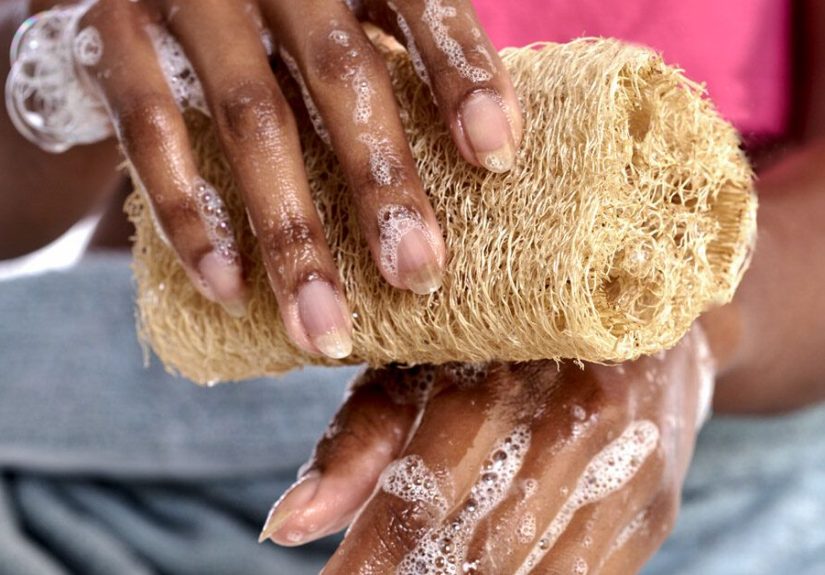
This should be your first move. Fill a small bowl with warm water and a few drops of mild hand soap or dish soap. The water should feel comfortably warm, not hot. Soak the glued area for 10 to 15 minutes. If the glue is thick or fully dry, you may need to soak longer or repeat the process.
After soaking, gently rub the area with your fingers or a soft washcloth. If the glue begins to lift at the edges, roll it away slowly. Do not dig under it with anything sharp. For stubborn flakes, use a soft toothbrush, nail buffer, or clean emery board with very light pressure.
This method works best for fresh glue, small spots, and skin that feels sensitive or dry. It is also the safest first step for glue near the cuticle.
Method 2: Petroleum Jelly or Cuticle Oil
If warm water loosens the glue but does not finish the job, add oil. Petroleum jelly, cuticle oil, olive oil, coconut oil, mineral oil, or even a thick hand cream can help soften the bond and reduce friction.
Massage a generous amount over the glued skin for several minutes. Then soak the area again in warm soapy water. Alternate between oil and soaking until the glue starts to lift. This method is slower than acetone, but it is kinder to your skin and useful for people who want to avoid harsh solvents.
Oil is especially helpful when nail glue is stuck around the sides of the nails, where skin can be tender. Think of it as convincing the glue to leave politely instead of calling security.
Method 3: Gentle Exfoliation
Once the glue has softened, gentle exfoliation can remove residue. Use a soft toothbrush, washcloth, nail buffer, or pumice stone only on thicker skin such as fingertips or palms. Avoid pumice stones on thin, irritated, cracked, or facial skin.
Use light circular motions. If the skin becomes red or sore, stop immediately. The goal is to remove loosened glue, not sand your hand like a piece of furniture.
Method 4: Acetone-Based Nail Polish Remover
Acetone is one of the most effective ways to dissolve nail glue, but it can also dry and irritate skin. Use it carefully, especially if you have eczema, cracked skin, sensitive skin, or known allergies to nail products.
To use acetone safely, apply a small amount of acetone-based nail polish remover to a cotton pad, then press it onto the glue for a short time. Rub gently until the glue begins to break down. If the glue is on a fingertip, you can dip only the affected area into a small bowl of acetone for a few minutes. Do not soak large areas of skin, and do not use acetone near the eyes, lips, open cuts, or irritated skin.
Once the glue loosens, wash your hands thoroughly with soap and water. Follow with a thick, fragrance-free moisturizer or cuticle oil. Acetone may be powerful, but it is not exactly a spa treatment.
Method 5: Wait It Out
If the glue patch is small, painless, and not bothering you, waiting is perfectly reasonable. Skin sheds naturally, and the glue will usually wear away on its own within a few days. Keep the area clean, moisturize, and avoid picking.
This is often the best option for tiny dried spots that remain after soaking. Sometimes the safest beauty hack is simply letting your body do its quiet little maintenance routine.
How to Remove Nail Glue From Different Skin Areas
Fingers and Hands
Hands are the most common place to get nail glue, and they usually tolerate removal methods well. Start with warm soapy water, then try oil or petroleum jelly. Use acetone only if the glue is stubborn. Moisturize afterward because both glue and remover can leave skin dry.
Cuticles
The cuticle area is delicate. Avoid aggressive scraping or filing. Soak in warm water, massage with cuticle oil, and gently nudge loosened glue with a wooden cuticle stick. If the skin is red, swollen, painful, or bleeding, stop and let it heal.
Fingers Stuck Together
Soak the stuck fingers in warm soapy water for 10 to 15 minutes. Then try a gentle rolling motion to separate them. Add oil between the fingers if possible. If they do not separate easily, repeat the soak. Do not pull hard. If the skin feels trapped, painful, numb, or damaged, seek medical help.
Face, Lips, or Eyelids
Do not use acetone on your face, lips, or eyelids. These areas are too sensitive, and nail glue near the eyes or mouth deserves extra caution. Rinse with warm water if possible and contact a healthcare professional or poison-control resource for guidance.
What Not to Use on Nail Glue
Avoid sharp tools such as razors, scissors, knives, tweezers, or metal scrapers. They may remove the glue, but they may also remove skin, which is not the makeover anyone requested.
Do not use harsh household chemicals such as bleach, drain cleaner, paint thinner, gasoline, or cleaning solvents. These can burn or irritate skin and should never be used for beauty-product accidents.
Be careful with cotton balls or cotton fabric around wet nail glue. Some cyanoacrylate glues can react with cotton or fabric and produce heat. If glue spills on clothing, remove the clothing from the skin if you can do so safely and seek help if there is heat, pain, or a burn.
When Should You Get Medical Help?
Most nail glue mishaps are minor, but some need professional attention. Get medical help if glue gets in your eyes, mouth, or nose; if skin is stuck to an object and will not release; if you have severe pain, swelling, blistering, or a burn; or if you notice signs of infection such as increasing redness, warmth, pus, or worsening tenderness.
You should also seek advice if you develop a rash after using nail glue, press-on nails, acrylics, gel products, or removers. Nail products can trigger irritant or allergic contact dermatitis in some people. Symptoms may include redness, itching, swelling, peeling, blisters, or skin that feels hot and uncomfortable.
Aftercare: How to Calm Skin After Nail Glue Removal
Once the glue is gone, wash your hands with mild soap and lukewarm water. Pat dry instead of rubbing. Apply a thick moisturizer, petroleum jelly, or cuticle oil to restore hydration. If acetone was involved, moisturize more than once that day.
For the next 24 hours, avoid more acetone, heavy scrubbing, fragranced lotions, and additional nail glue on irritated skin. If the area feels tender, give your nails a short break before applying another set. Your hands have been through enough drama for one episode.
How to Prevent Nail Glue From Getting on Skin
Prevention is easier than removal. Before applying press-on nails, wash and dry your hands. Push back cuticles gently, size each nail correctly, and use only a tiny dot of glue. More glue does not always mean longer wear; sometimes it just means your fingers become part of the manicure.
Apply glue to the artificial nail or natural nail carefully, avoiding the surrounding skin. Press the nail down firmly without sliding it around. Keep a wooden cuticle stick nearby to remove excess glue before it dries. Work one nail at a time so you are not racing against the adhesive.
If you often get glue on your skin, consider adhesive tabs for short-term wear. They may not last as long as glue, but they are usually easier to remove and less messy for beginners.
Common Questions About Getting Nail Glue Off Skin
Can nail glue damage skin?
Yes, especially if you pull it off forcefully or if your skin reacts to the product. Nail glue can cause irritation, dryness, small tears, or allergic reactions in some people. Careful removal helps reduce the risk.
Does acetone always remove nail glue?
Acetone is very effective for many nail glues, but it is not always the first or best choice. It can dry out skin and worsen irritation. Start with warm soapy water and oil when possible, then use acetone sparingly for stubborn glue.
Can I use non-acetone nail polish remover?
Non-acetone remover may help with some residue, but it is usually less effective on strong nail glue. If you use it, be patient and avoid excessive rubbing.
How long does nail glue stay on skin?
Small amounts may wear off naturally within a few days as your skin sheds. You can speed up the process with soaking, oil, and gentle exfoliation.
Is it safe to use a nail file on glue stuck to skin?
A nail file or buffer can help only after the glue has softened and only on thicker skin. Use very light pressure. Do not file irritated, broken, or thin skin.
Real-Life Experiences: What Nail Glue Mishaps Teach You
Anyone who uses press-on nails long enough eventually has a nail glue story. Mine starts the way many do: with confidence that was not fully supported by skill. I had a fresh set of press-ons, a tiny tube of glue, and the attitude of a person who had watched exactly one tutorial and decided that was enough training.
The first few nails went beautifully. Then I squeezed the tube a little too hard. A shiny bead of glue slid down the side of the nail and settled on my fingertip. Instead of stopping, I tried to “fix it quickly,” which is usually the opening scene of a small disaster. I pressed the nail down, touched the edge, and suddenly my index finger and thumb had entered a committed relationship.
The first instinct was to pull them apart. That instinct was wrong. Pulling made the skin feel tight, so I stopped, took a breath, and soaked both fingers in warm soapy water. After about ten minutes, the bond softened enough that I could wiggle my fingers slightly. I added olive oil, massaged it around the stuck area, and soaked again. It was not instant, but it worked. The glue loosened in tiny pieces, and my fingers separated without pain.
The lesson was simple: nail glue rewards patience and punishes panic. The same is true when glue dries around the cuticle. Another time, a small patch hardened beside my nail and felt rough every time I touched fabric. I wanted to scrape it off, but instead I used cuticle oil throughout the day. By evening, the edge lifted enough to roll away gently after washing my hands. No redness, no soreness, no dramatic soundtrack.
Acetone has also saved the day, but it deserves respect. When a thicker glue spot refused to move after soaking, I used an acetone-based remover on a cotton pad for a short contact period. The glue dissolved quickly, but my skin felt dry afterward. A rich hand cream and cuticle oil helped restore comfort. That experience taught me not to treat acetone like water. It is useful, but it should not become a casual hand bath.
The biggest practical tip from repeated press-on nail adventures is to set up your space before opening the glue. Lay out the nails in order, keep a paper towel nearby, have a wooden cuticle stick ready, and use less glue than you think you need. A tiny amount spreads more than expected. If you flood the nail, the extra glue has only one destination: your skin.
Another lesson is to avoid multitasking. Do not apply nail glue while answering texts, watching a suspenseful show, or trying to drink iced coffee. Nail glue has excellent timing and will absolutely misbehave the moment you look away. Work slowly, one nail at a time, and wipe excess glue before it hardens.
Finally, do not ignore your skin afterward. Even when removal goes well, hands can feel dry or tight. Moisturizer is not optional; it is the apology letter. A few drops of cuticle oil around each nail can make the whole area look and feel healthier. If your skin is already irritated, skip the next set for a couple of days. The nails will still be there. Your skin deserves a break.
Getting nail glue off skin is not about one magic trick. It is about choosing the gentlest effective method, moving slowly, and refusing to turn a small sticky patch into a bigger skin problem. Warm water, oil, patience, and careful acetone use can solve most situations. And next time, you will squeeze the glue tube like it contains hot lava and your dignity depends on it.
Conclusion
Knowing how to get nail glue off skin safely can save your manicure, your cuticles, and your mood. Start with warm soapy water, then try petroleum jelly or oil to soften the adhesive. Use gentle exfoliation only when the glue has loosened, and reserve acetone for stubborn spots because it can dry and irritate skin. Never rip glue off, never use harsh household chemicals, and avoid acetone near the eyes, lips, broken skin, or sensitive areas.
If glue causes pain, burns, swelling, rash, or gets into your eyes or mouth, get medical advice. For everyday glue mishaps, patience is the real hero. A careful soak today is much better than angry, peeling skin tomorrow.
Note: This content is for general educational purposes and does not replace medical advice. If nail glue causes severe irritation, a burn, an allergic reaction, or contact with the eyes or mouth, seek professional guidance promptly.