Table of Contents >> Show >> Hide
- When Is the Right Time to Convert a Crib to a Toddler Bed?
- Before You Start: Check Whether Your Crib Is Convertible
- Tools and Supplies You May Need
- How to Turn a Crib Into a Toddler Bed: Step-by-Step
- Step 1: Clear the Area Around the Crib
- Step 2: Find the Crib Manual and Conversion Instructions
- Step 3: Check All Parts for Damage
- Step 4: Lower the Mattress Support if Needed
- Step 5: Remove the Correct Crib Side
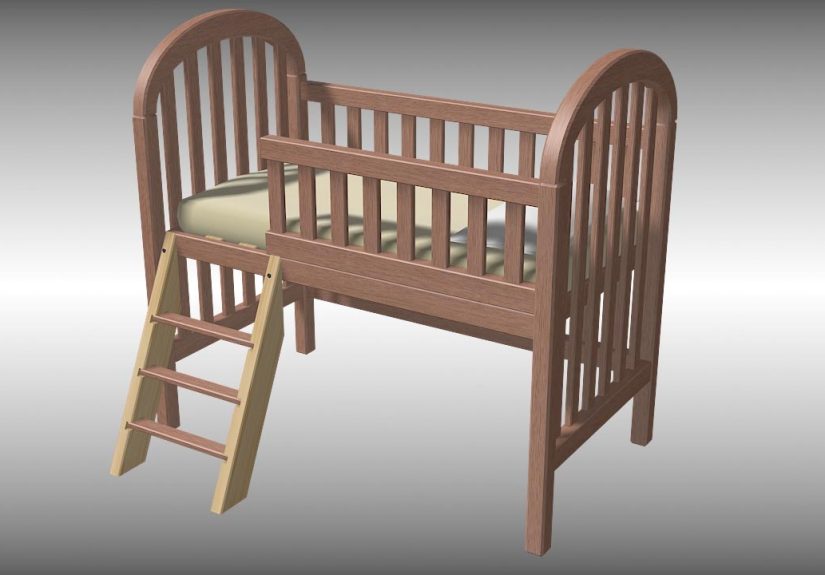
- Step 6: Install the Toddler Guardrail
- Step 7: Check Mattress Fit
- Step 8: Test the Structure
- Step 9: Make the Bedroom Toddler-Safe
- Step 10: Introduce the New Bed With a Calm Routine
- Important Safety Tips for a Converted Toddler Bed
- Common Mistakes Parents Make During the Crib-to-Bed Transition
- How to Help Your Toddler Sleep in the New Bed
- Should You Use a Toddler Bed, Floor Bed, or Twin Bed?
- What If the Crib Does Not Have a Conversion Kit?
- Real-Life Experience: What the Crib-to-Toddler-Bed Transition Often Feels Like
- Conclusion
One day, your baby is snoozing like a tiny burrito in a crib. The next day, that same child is attempting a jailbreak with the confidence of a raccoon opening a trash can. Congratulations: you may be entering the crib-to-toddler-bed era.
Learning how to turn a crib into a toddler bed is not just about removing a rail and calling it a day. It is about checking whether your crib is actually convertible, using the right hardware, keeping the mattress secure, installing the toddler guardrail correctly, and turning the bedroom into a safe sleep zone for a newly mobile child who now has opinions, feet, and zero respect for your bedtime schedule.
The good news? If you have a convertible crib and the correct conversion kit, the process is usually straightforward. The better news? You do not need to be a furniture wizard. You just need the manual, the right tools, a little patience, and the emotional strength to find that one missing bolt hiding under the dresser.
When Is the Right Time to Convert a Crib to a Toddler Bed?
There is no magical birthday when every child must move from a crib to a toddler bed. Many families make the transition sometime between 18 months and 3 years, but readiness matters more than age alone. A toddler who is climbing out of the crib, too tall for safe crib use, or consistently asking for a “big kid bed” may be ready. A child who sleeps safely and happily in the crib may not need an early switch.
The biggest reason to convert is safety. If your toddler is trying to climb over the crib rail, the risk of falling becomes greater than the benefit of keeping them contained. On the other hand, moving too early can create new sleep challenges because a toddler bed gives your child freedom. And toddlers treat freedom like confetti: they scatter it everywhere.
Signs Your Toddler May Be Ready
Your child may be ready for a toddler bed if they can climb out of the crib, the crib mattress is already at the lowest setting, they are physically able to get in and out of a low bed safely, or they understand simple bedtime rules. Another sign is emotional readiness. Some toddlers are excited by the idea of a new bed; others look at it like you have replaced their cozy nest with a suspicious wooden platform.
If a new baby is coming and you need the crib, try not to make the transition feel like an eviction notice. Start early, talk positively about the new bed, and avoid making the older child feel as if the baby “took” their crib. Toddlers may be small, but their sense of property ownership is enormous.
Before You Start: Check Whether Your Crib Is Convertible
Not every crib can safely become a toddler bed. A true convertible crib is designed by the manufacturer to change into another sleep setup, often a toddler bed, daybed, twin bed, or full-size bed. If the crib was not made for conversion, do not improvise by cutting, sawing, removing random parts, or building homemade rails. This is furniture, not a pirate ship.
Look for the crib’s brand name, model number, and manufacturing date. These are often printed on a label attached to the crib frame, mattress support, or underside. Once you find the model number, search for the matching instruction manual or contact the manufacturer. The correct manual will tell you which side to remove, which bolts to use, where the toddler guardrail attaches, and what weight or age limits apply.
Do Not Skip the Manual
The manual is not decorative paperwork. It is the difference between a safe toddler bed and a wobbly sleep trampoline. Convertible cribs often use specific screws, brackets, and rails. Using random hardware from a kitchen drawer may seem convenient, but it can weaken the structure or create sharp edges, gaps, or loose connections.
If you bought the crib secondhand and do not have the manual, pause before converting it. Check for recalls, missing pieces, damaged slats, loose joints, peeling paint, or any sign that the crib has been repaired in a questionable way. A bargain crib is only a bargain if it is safe.
Tools and Supplies You May Need
Most crib-to-toddler-bed conversions require only basic tools. Depending on the model, you may need an Allen wrench, Phillips-head screwdriver, flathead screwdriver, adjustable wrench, manufacturer-approved toddler guardrail, original crib hardware, and a small container for screws. A soft blanket or towel can protect the floor and crib pieces while you work.
Before beginning, gather everything in one place. This prevents the classic parenting project spiral: remove one rail, lose one screw, step on one toy dinosaur, question every life choice, and finish the project three days later.
How to Turn a Crib Into a Toddler Bed: Step-by-Step
Step 1: Clear the Area Around the Crib
Remove blankets, sheets, stuffed animals, pillows, monitors, and toys from the crib. Pull the crib away from the wall so you can reach all sides comfortably. Keep your toddler in another safe space while you work. A curious toddler plus loose screws equals a tiny home inspector with poor judgment.
Step 2: Find the Crib Manual and Conversion Instructions
Read the conversion section before removing anything. Some cribs require you to take off the front rail only. Others require rearranging parts or changing the mattress support. Follow the manufacturer’s order exactly. If the manual says to use a specific toddler rail, use that specific rail.
Step 3: Check All Parts for Damage
Inspect the crib frame, slats, mattress platform, bolts, brackets, and guardrail. Look for cracks, stripped screws, splinters, bent hardware, or loose joints. If something looks damaged, do not convert the crib until the part is replaced with a manufacturer-approved component.
Step 4: Lower the Mattress Support if Needed
Many cribs already have the mattress support at the lowest setting by the time a child reaches toddler age. If yours does not, lower it according to the instructions. A low mattress helps reduce fall risk and makes it easier for your toddler to climb in and out safely.
Step 5: Remove the Correct Crib Side
Using the required tool, loosen and remove the bolts holding the side panel that the manual tells you to remove. Usually, this is the front crib rail. Have another adult hold the panel if it is large or heavy. Set the rail aside and store the bolts in a labeled bag in case you need them later.
Step 6: Install the Toddler Guardrail
Attach the toddler guardrail where the removed crib side used to be. The guardrail should create an opening where your child can enter and exit while still providing protection against rolling out. Tighten each bolt securely, but do not overtighten to the point that wood cracks or hardware strips.
Step 7: Check Mattress Fit
The mattress should fit snugly in the bed frame with no large gaps along the sides or ends. A full-size crib mattress is commonly used for toddler beds, but the key is compatibility with that exact crib model. If the mattress shifts, sinks, or leaves spaces where a child could become trapped, stop and fix the issue before using the bed.
Step 8: Test the Structure
Gently shake the bed from several angles. It should feel solid, not wobbly. Press on the guardrail, mattress support, and corners. Check that every bolt is tight and that there are no exposed sharp edges. This is not the moment for “good enough.” Toddlers are professional durability testers.
Step 9: Make the Bedroom Toddler-Safe
Once your child can leave the bed freely, the whole room becomes part of the sleep environment. Anchor dressers and bookshelves to the wall, secure cords, cover outlets, remove choking hazards, keep furniture away from windows, and choose cordless window coverings when possible. If your toddler can open the bedroom door, consider a safety gate or another safe way to prevent nighttime wandering.
Step 10: Introduce the New Bed With a Calm Routine
Let your toddler explore the bed during the day. Keep bedtime familiar: bath, pajamas, books, cuddles, lights out. The bed is new; the routine should feel comfortably boring. Boring is bedtime gold. If your child gets up repeatedly, calmly return them to bed with minimal conversation. Do not turn bedtime into a Broadway production unless you are prepared for encore performances nightly.
Important Safety Tips for a Converted Toddler Bed
Use only the manufacturer-approved conversion kit and guardrail. Avoid homemade modifications, missing hardware, or “close enough” parts. Keep the bed low to the floor and place a soft rug nearby if the floor is hard. Avoid placing the bed next to windows, blind cords, heaters, lamps, or heavy furniture that could be climbed.
Do not overload the bed with pillows, thick comforters, or giant stuffed animals. Toddlers may be older than infants, but simple bedding is still easier and safer. A fitted sheet, light blanket, and small comfort item are usually enough. Think cozy, not luxury hotel suite.
Common Mistakes Parents Make During the Crib-to-Bed Transition
Converting Too Early
Some toddlers are not ready for the freedom of a toddler bed. If your child is not climbing out and still sleeps well in the crib, waiting may be the smarter choice. A later transition can sometimes be smoother because older toddlers understand rules better.
Forgetting to Childproof the Room
Parents often focus on the bed and forget that the child can now roam. A dresser drawer becomes a ladder. A laundry basket becomes a boat. A nightstand becomes a snack investigation station. Before the first night, get down to toddler height and scan the room for anything climbable, pullable, breakable, or mysteriously attractive.
Changing Too Many Things at Once
Try not to combine the toddler-bed transition with potty training, a new daycare, a move, pacifier weaning, or a major schedule change. Toddlers handle change better when it arrives in small bites, not a full buffet.
Turning Bedtime Into a Negotiation
Your toddler may test the new setup by popping out of bed like toast. Stay calm and consistent. A simple phrase such as “It is bedtime; back to bed” works better than a long lecture. Toddlers love loopholes. Do not hand them a legal brief.
How to Help Your Toddler Sleep in the New Bed
Make the new bed feel special but not overstimulating. Let your child choose a sheet pattern, a small blanket, or one bedtime stuffed animal. Practice getting in and out of bed during the day. Read books about big-kid beds. Praise the effort, not just perfect sleep.
If your child gets out of bed often, keep the response boring and predictable. Walk them back, tuck them in, repeat. The first few nights may feel long, but consistency helps. If your toddler learns that getting up leads to snacks, extra cartoons, or a family debate, the new bed may become a nightly conference center.
Should You Use a Toddler Bed, Floor Bed, or Twin Bed?
A converted crib is a popular option because it uses the crib mattress your child already knows. It is also low to the ground and sized for toddlers. A floor bed can work for some families, especially when safety and room setup are carefully managed. A twin bed with guardrails can be a longer-lasting option, but it may feel large for a small toddler and requires careful attention to rail fit and mattress gaps.
If your crib converts properly, it often provides the easiest middle step between crib and big bed. Your toddler gets a little independence without being launched directly into a bed large enough to host a stuffed-animal convention.
What If the Crib Does Not Have a Conversion Kit?
If your crib does not have a conversion kit, contact the manufacturer. Some brands sell toddler rails separately, while others discontinue parts over time. Do not use a guardrail made for a different crib unless the manufacturer confirms compatibility. If no safe conversion parts are available, choose a separate toddler bed or a suitable low bed with properly fitted safety rails.
It can be frustrating to spend money when the crib looks perfectly usable, but sleep furniture must be structurally sound. A safe bed is worth more than a clever shortcut.
Real-Life Experience: What the Crib-to-Toddler-Bed Transition Often Feels Like
In real family life, converting a crib into a toddler bed is part furniture project, part emotional milestone, and part comedy show. Many parents start the process thinking it will take 20 minutes. Then they discover the Allen wrench is missing, the manual is hiding in a drawer with old pacifiers, and the toddler is proudly wearing the fitted sheet like a superhero cape.
The first night can go several ways. Some toddlers climb in, smile, and sleep as if nothing happened. These children are rare, and their parents should be studied by scientists. Other toddlers realize they can get out of bed and immediately begin field research. They may visit the door, inspect the rug, rearrange stuffed animals, request water, request different water, ask where the moon lives, and suddenly remember a deep emotional attachment to a toy they ignored for six months.
One helpful experience many parents share is to make the bedroom boring before bedtime. Not sad boring, just sleep-friendly boring. Put exciting toys away, dim the lights, keep books calm, and avoid turning the bed into a play structure. If the toddler bed becomes a trampoline before night one, your child may reasonably assume bouncing is part of the official operating instructions.
Another practical tip is to do the conversion earlier in the day, not 15 minutes before bedtime. Toddlers need time to inspect new things. Let your child climb in, climb out, practice pulling up the blanket, and hear simple rules: “We sleep in the bed. We stay in the room. We call for help if we need something.” Keep the rules short because toddlers do not need a policy manual; they need repetition.
Parents often find that the second or third night is more challenging than the first. The novelty wears off, and the toddler begins testing boundaries. This is normal. A calm return-to-bed routine can help. Avoid big reactions, even when your child appears beside your bed at 2:00 a.m. like a tiny pajama ghost. Quietly guide them back. The less exciting the wake-up becomes, the faster many toddlers lose interest in repeat performances.
It also helps to prepare your own expectations. The goal is not perfect sleep on night one. The goal is a safe setup, a predictable routine, and steady progress. Some children adjust in a few nights; others need a couple of weeks. If sleep becomes chaotic, review the basics: Is the room safe? Is bedtime too late? Is the routine consistent? Is the child overtired? Is the new freedom too much too soon?
Finally, remember that this transition is a big deal for your child. The crib was familiar, enclosed, and comforting. The toddler bed is open and new. Celebrate the milestone without pressure. A little excitement is good; too much hype can make bedtime feel like a grand event. Calm confidence works best. You are not just converting furniture. You are helping your child practice independence in a safe, loving way. Also, you are probably saving at least one crib rail from being used as a climbing wall. That deserves applause.
Conclusion
Turning a crib into a toddler bed is simple when the crib is designed for conversion, the correct toddler rail is available, and the manufacturer’s instructions are followed carefully. The process usually involves checking the crib model, removing the correct side rail, installing the approved guardrail, confirming a snug mattress fit, tightening all hardware, and making the bedroom safe for a child who can now get up independently.
The biggest lesson is this: do not rush and do not improvise. A toddler bed should be low, stable, properly assembled, and surrounded by a childproofed room. Keep the bedtime routine familiar, expect a few test runs, and stay consistent. Your toddler may treat the new bed like a personal freedom festival at first, but with patience, the novelty fades and sleep returns.
Note: Always follow your specific crib manufacturer’s manual. If the crib is damaged, recalled, missing parts, or not designed to convert, do not modify it yourself. Choose a safe toddler bed instead.