Table of Contents >> Show >> Hide
- What Is Acupuncture?
- Understanding Eczema Before Talking About Needles
- So, Is Acupuncture for Eczema Effective?
- Why Acupuncture Might Help Eczema Itch
- What Acupuncture Can and Cannot Do for Eczema
- Who Might Consider Acupuncture for Eczema?
- How Many Acupuncture Sessions Are Usually Needed?
- Safety Tips Before Trying Acupuncture
- How to Combine Acupuncture With Standard Eczema Treatment
- Red Flags: When to See a Doctor Instead of Waiting
- Acupuncture vs. Acupressure for Eczema
- What to Ask Before Booking an Appointment
- Realistic Example: What Improvement Might Look Like
- Experience Section: What People Often Notice When Trying Acupuncture for Eczema
- Final Verdict: Should You Try Acupuncture for Eczema?
- SEO Tags
Is acupuncture for eczema effective? The honest answer is: it may help some people, especially with itching, stress-related flare-ups, and the famous eczema “scratch until your skin files a complaint” cycle. But acupuncture is not a magic eraser, not a cure, and definitely not a substitute for medical eczema treatment. Think of it more like a helpful backup singer: it may improve the performance, but it should not be forced to carry the whole concert.
Eczema, especially atopic dermatitis, is a chronic inflammatory skin condition that can cause dry skin, intense itching, redness, scaling, cracking, sleep problems, and emotional frustration. For many people, the worst symptom is not how eczema looks but how it feels. The itch can be relentless. That is why acupuncture has become an interesting complementary therapy: its strongest potential benefit appears to be itch relief.
This article takes a practical, evidence-based look at acupuncture for eczema, how it may work, what research suggests, who might consider it, what risks to know, and how to combine it wisely with standard eczema care.
What Is Acupuncture?
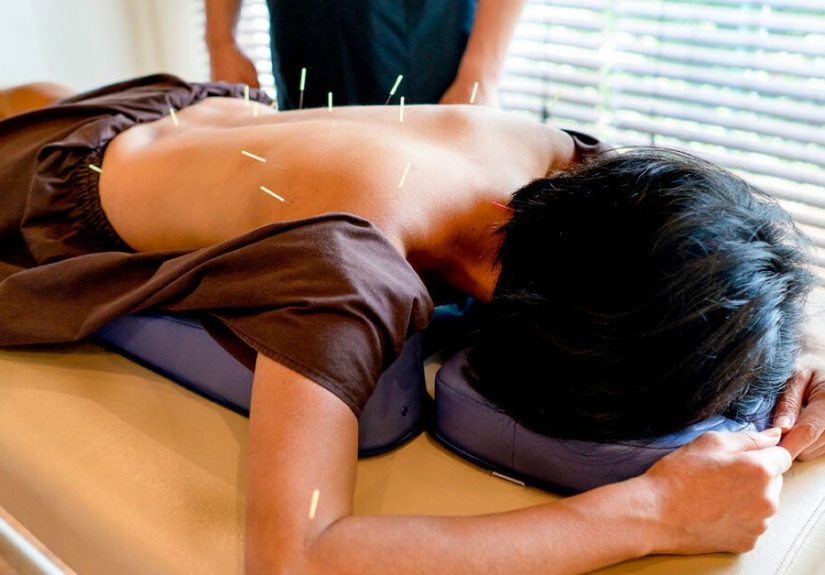
Acupuncture is a traditional Chinese medicine practice that involves inserting very thin needles into specific points on the body. In modern integrative medicine, acupuncture is often used as a complementary therapy for pain, nausea, stress, headaches, and certain chronic symptoms. When performed by a trained, licensed practitioner using sterile single-use needles, it is generally considered low risk for many people.
For eczema, acupuncture is not usually aimed at “curing the rash” directly. Instead, practitioners may focus on reducing itch, calming the nervous system, improving sleep, supporting stress management, and helping the body regulate inflammatory signals. That sounds slightly mysterious, but the basic idea is simple: eczema is not just a skin problem; it is also connected to the immune system, skin barrier function, nerves, sleep, stress, and scratching behavior.
Understanding Eczema Before Talking About Needles
Before deciding whether acupuncture can help eczema, it is important to understand what eczema actually is. Atopic dermatitis is one of the most common forms of eczema. It is linked to a weakened skin barrier and an overactive immune response. When the skin barrier is not working well, moisture escapes more easily and irritants sneak in like they paid rent. The result can be dryness, inflammation, and itching.
Common eczema triggers include harsh soaps, fragrance, hot showers, sweating, stress, cold dry air, rough fabrics, allergens, infections, and sometimes certain occupational exposures. Food can be a trigger for some people, especially children with confirmed allergies, but food is not the main driver for everyone. Randomly eliminating half your kitchen is not a treatment plan; it is just a sad refrigerator.
Standard eczema care usually includes daily moisturizing, gentle fragrance-free cleansers, avoiding known triggers, topical anti-inflammatory medicines when needed, wet wrap therapy for some severe flares, infection management, phototherapy, and newer options such as biologic injections or JAK inhibitors for moderate to severe disease. Acupuncture, if used, should fit around this foundation rather than replace it.
So, Is Acupuncture for Eczema Effective?
The best answer is: acupuncture may be effective for reducing eczema-related itching in some people, but the evidence is still not strong enough to call it a stand-alone eczema treatment.
Several studies and reviews suggest that acupuncture and related techniques may reduce itch intensity, improve eczema severity scores, and help with quality of life. Some research has compared acupuncture with no treatment, sham acupuncture, antihistamines, or usual care. Results often lean in a positive direction, especially for itch relief. However, many studies are small, use different acupuncture methods, and vary in quality. That makes it difficult to say exactly how much benefit the average person can expect.
In plain English: the evidence is promising, but it is not perfect. Acupuncture may help, but it is not guaranteed. If eczema were a group project, acupuncture might be the teammate who contributes useful slides, not the one who does the entire presentation alone at 2 a.m.
Why Acupuncture Might Help Eczema Itch
1. It May Influence Nerve Signals
Itching is not just a skin sensation. It involves nerve pathways that send signals from the skin to the spinal cord and brain. Acupuncture may affect how the nervous system processes itch. Some researchers believe acupuncture can help modulate nerve signaling, which may reduce the urge to scratch.
2. It May Help Break the Itch-Scratch Cycle
The itch-scratch cycle is one of eczema’s greatest villains. The skin itches, you scratch, scratching damages the skin barrier, inflammation increases, and then the skin itches more. It is basically a terrible subscription service nobody signed up for. If acupuncture lowers itch intensity even modestly, it may reduce scratching and give the skin a better chance to heal.
3. It May Support Stress Regulation
Stress does not “cause” eczema in a simple way, but it can worsen symptoms for many people. Stress can increase inflammation, disrupt sleep, and make scratching harder to resist. Acupuncture sessions are often calming, and some people report better relaxation and sleep after treatment. That indirect benefit may matter, especially for people whose flares are tied to stress, anxiety, or poor sleep.
4. It May Affect Inflammatory Pathways
Eczema involves immune system activity and inflammatory chemicals. Some early research suggests acupuncture may influence inflammatory mediators and allergic itch responses. However, this area still needs better human studies. It is interesting science, not a reason to throw away your dermatologist’s treatment plan.
What Acupuncture Can and Cannot Do for Eczema
Acupuncture May Help With:
- Reducing itch intensity in some people
- Lowering the urge to scratch
- Improving relaxation and stress control
- Supporting sleep when itching keeps you awake
- Complementing a broader eczema management plan
Acupuncture Probably Cannot:
- Cure eczema permanently
- Repair the skin barrier by itself
- Replace moisturizers, topical medication, or prescription therapy
- Treat infected eczema
- Guarantee results for every person
This distinction matters. Acupuncture may reduce symptoms, but eczema management still needs boring-but-powerful basics: moisturize, avoid irritants, use medicine correctly, keep showers lukewarm, and resist the siren song of heavily scented body wash that smells like a cupcake factory exploded.
Who Might Consider Acupuncture for Eczema?
Acupuncture may be worth discussing with a healthcare provider if you have mild to moderate eczema with persistent itching, stress-related flares, sleep disruption from itch, or a desire to add a non-drug supportive therapy. It may also be helpful for people who already follow a dermatologist-approved treatment plan but still struggle with itch.
It may be less appropriate if you have infected eczema, open wounds in the areas being treated, uncontrolled bleeding disorders, severe needle anxiety, or a medical condition that makes procedures riskier. People taking blood thinners, pregnant patients, and those with immune system concerns should speak with a clinician before starting acupuncture.
How Many Acupuncture Sessions Are Usually Needed?
There is no universal schedule for acupuncture and eczema. Some people try weekly sessions for four to eight weeks, then evaluate whether itching, sleep, and flare frequency have improved. Others may use occasional maintenance sessions during stressful seasons or high-trigger periods.
A smart approach is to set measurable goals before starting. For example:
- “I want my nighttime itching to drop from 8 out of 10 to 5 out of 10.”
- “I want to wake up scratching fewer times per night.”
- “I want to use fewer emergency itch-control strategies.”
- “I want to feel calmer during flare-ups.”
If there is no noticeable benefit after a reasonable trial, it may not be the right tool for you. That does not mean you failed. It means your skin is picky, which, frankly, eczema-prone skin often is.
Safety Tips Before Trying Acupuncture
Acupuncture is generally low risk when performed properly, but “properly” is the key word. Choose a licensed acupuncturist, ask whether they use sterile single-use needles, and tell them about your eczema, medications, allergies, pregnancy status, bleeding risks, and immune system conditions.
Do not allow needles to be placed directly into infected, cracked, actively bleeding, or severely inflamed skin. If a flare looks swollen, painful, crusted, warm, or oozing, see a healthcare provider. Infection needs medical care, not heroic needle optimism.
Possible side effects include temporary soreness, minor bleeding, bruising, dizziness, or fatigue. Serious complications are rare but can happen if acupuncture is performed incorrectly or with nonsterile equipment. This is why credentials matter. Your skin deserves better than bargain-bin wellness roulette.
How to Combine Acupuncture With Standard Eczema Treatment
The best way to use acupuncture for eczema is as part of an integrated plan. Keep your daily skin care routine consistent. Use fragrance-free moisturizer at least twice daily, especially after bathing. Keep showers short and lukewarm. Use prescribed topical corticosteroids, calcineurin inhibitors, PDE-4 inhibitors, JAK inhibitors, or other medications exactly as directed. If your eczema is moderate to severe, talk with a dermatologist about advanced options such as phototherapy, biologics, or oral medications.
Acupuncture can sit beside these treatments as a supportive therapy. It may help calm itch and stress while your medical treatments handle inflammation and skin repair. The goal is teamwork, not a cage match between Eastern and Western medicine.
Red Flags: When to See a Doctor Instead of Waiting
Do not rely on acupuncture alone if your eczema is rapidly worsening, spreading widely, interfering with sleep most nights, or showing signs of infection. Warning signs include yellow crusting, pus, increasing pain, fever, red streaks, warmth, swelling, or sudden worsening after using a new product. Also seek medical help if eczema affects the eyes, genitals, large areas of the body, or a baby’s skin.
Eczema is common, but that does not mean it should be ignored. Good treatment can prevent complications, improve sleep, and make daily life much more comfortable.
Acupuncture vs. Acupressure for Eczema
Acupressure uses pressure instead of needles on specific points. Some people prefer it because it feels less intimidating and can sometimes be practiced at home after instruction. Research on acupressure for eczema itch is still limited, but it may be useful for people who want a gentler option.
Acupuncture may offer a more direct clinical intervention, while acupressure may be easier to maintain between appointments. Neither should be treated as a cure. Both are best viewed as possible itch-management tools.
What to Ask Before Booking an Appointment
Before trying acupuncture for eczema, ask practical questions:
- Are you licensed in this state?
- Do you have experience working with eczema or chronic itch?
- Do you use sterile, single-use disposable needles?
- How many sessions do you recommend before evaluating results?
- Will you avoid placing needles in active eczema patches?
- Can you coordinate with my dermatologist or primary care provider if needed?
A good practitioner should welcome these questions. If they promise to cure eczema forever, reverse all allergies, detox your liver through your elbows, or replace your prescriptions immediately, consider that your cue to exit politely and moisturize on the way out.
Realistic Example: What Improvement Might Look Like
Imagine someone with moderate atopic dermatitis who already uses a dermatologist-approved moisturizer and topical medication but still wakes up scratching at night. They begin acupuncture once weekly for six weeks. By week three, they notice they are still itchy, but the itch feels less urgent. By week six, sleep improves slightly, and they scratch less during stressful workdays. Their eczema is not gone, but their symptom burden is lower.
That is a realistic win. Not fireworks. Not a miracle montage. Just fewer miserable nights and a little more control. For many people with chronic eczema, that kind of improvement is meaningful.
Experience Section: What People Often Notice When Trying Acupuncture for Eczema
Experiences with acupuncture for eczema can vary widely, which is exactly what makes this topic both interesting and slightly annoying. Some people describe it as a quiet turning point in their eczema routine. Others feel relaxed after sessions but notice no major skin change. A few decide that lying still with needles is not their idea of a good afternoon, and that is fair. Wellness should not feel like a dare.
A common positive experience is reduced nighttime itching. People who benefit often say the first change is not that their rash disappears, but that the itch becomes less aggressive. Instead of waking up repeatedly to scratch, they may sleep longer stretches. Better sleep can then improve mood, stress tolerance, and self-control around scratching. Since poor sleep can make eczema feel worse, even a modest improvement may create a helpful ripple effect.
Another experience is better stress awareness. Acupuncture appointments are quiet, structured, and screen-free. For someone whose eczema flares during exams, work deadlines, family stress, or emotional overload, the session itself may act like a reset button. This does not mean acupuncture is “just relaxation.” It means relaxation can be medically relevant when stress is one of the sparks that lights the eczema bonfire.
Some people report that acupuncture works best when paired with consistent skin care. For example, a person may moisturize twice daily, use prescribed topical medication during flares, switch to fragrance-free laundry detergent, keep showers short, and add acupuncture for itch control. In that situation, it becomes easier to tell whether the whole routine is helping. Acupuncture alone, while still using harsh soap and skipping moisturizer, is like buying fancy tires for a car with no engine.
There are also mixed experiences. Some people feel improvement after two or three sessions, while others need several weeks. Some notice benefits only during active treatment, and symptoms return when they stop. Others feel no difference at all. This does not mean acupuncture is fake; it means eczema is complex and individual. Genetics, immune activity, skin barrier damage, allergies, stress, environment, and treatment consistency all play roles.
Cost and convenience matter too. Acupuncture usually requires repeated visits, and insurance coverage varies. For someone already juggling dermatologist appointments, prescriptions, moisturizers, and laundry rules that make their home feel like a tiny dermatology clinic, adding another appointment may be difficult. A practical trial should have a clear budget, timeline, and goal.
The most satisfying experiences tend to happen when expectations are realistic. People are happiest when they view acupuncture as a supportive tool for itch, stress, and sleepnot as a miracle cure. If the goal is “never itch again,” disappointment may arrive wearing tap shoes. If the goal is “scratch less, sleep better, and feel more in control,” acupuncture may be worth discussing with a healthcare professional.
Final Verdict: Should You Try Acupuncture for Eczema?
Acupuncture for eczema appears most useful as a complementary therapy for itch relief, stress regulation, and sleep support. Research suggests possible benefits, especially for itching, but the evidence is still limited and not strong enough to recommend acupuncture as a primary eczema treatment.
If you are curious, talk with your dermatologist or healthcare provider, choose a licensed acupuncturist, continue your standard eczema care, and track your symptoms for several weeks. Acupuncture may not work for everyone, but for some people it can be a helpful piece of the eczema management puzzle.
The bottom line: acupuncture may help calm the itch, but healthy skin still needs the full care packagemoisture, trigger control, medical treatment when needed, and a realistic plan. Your eczema may be dramatic, but your treatment strategy does not have to be.