Table of Contents >> Show >> Hide
- Why a Marble Mortar and Pestle Still Matters
- What a Marble Mortar and Pestle Is Best For
- Marble vs. Granite vs. Ceramic vs. Wood
- How to Use a Marble Mortar and Pestle the Right Way
- How to Clean and Care for a Marble Mortar and Pestle
- What to Look for When Buying a Marble Mortar and Pestle
- Common Mistakes to Avoid
- Who Should Buy a Marble Mortar and Pestle?
- Experiences Related to “Marble Mortar and Pestle”
- Final Thoughts
Note: Body-only HTML, ready for publishing, with SEO JSON tags placed at the end of the article.
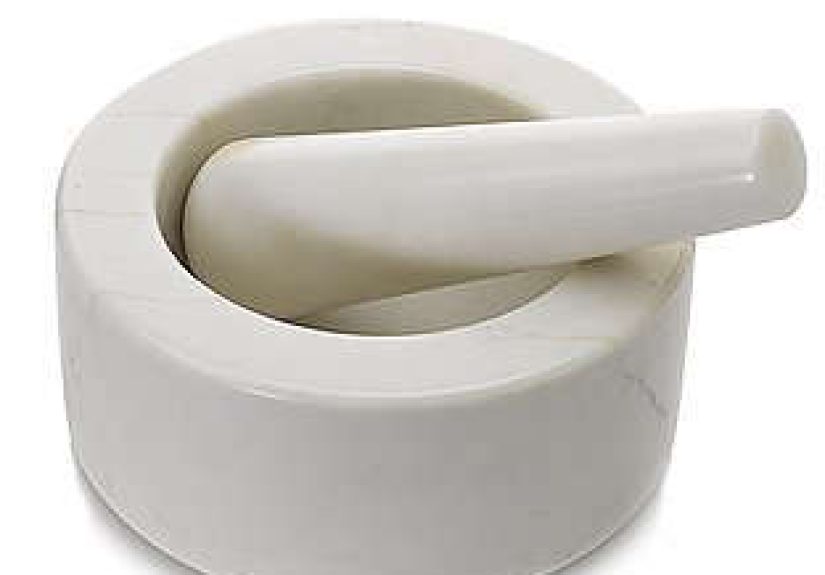
A marble mortar and pestle is one of those kitchen tools that quietly says, “I know what flavor is supposed to taste like.” It is old-school, a little dramatic, slightly muscular, and far more useful than its fancy countertop looks suggest. Sure, it has the visual appeal of a Roman sculpture that wandered into your kitchen and decided to help with dinner. But beyond the pretty face, this tool earns its keep.
For cooks who care about aroma, texture, and the kind of flavor that makes people ask, “What did you put in this?” a marble mortar and pestle can be a surprisingly smart addition. It helps you crush spices, mash garlic, bruise herbs, grind seeds, and make sauces with texture and personality. In a world filled with blenders, spice grinders, and appliances with way too many buttons, this simple tool still holds its own.
This guide explains what a marble mortar and pestle does best, where it falls short, how to use it correctly, how to clean it without turning your kitchen into a chemistry experiment, and why so many cooks still keep one within arm’s reach.
Why a Marble Mortar and Pestle Still Matters
A mortar and pestle works by crushing and grinding ingredients instead of chopping them with blades. That difference may sound small, but in the kitchen it can be huge. Crushing whole spices releases aromatic oils in a more controlled way. Smashing garlic with salt creates a smoother paste than rough chopping. Bruising herbs wakes them up without immediately turning them into green soup.
And then there is texture. A blender often gives you speed. A marble mortar and pestle gives you control. You can stop at coarse, keep going to creamy, or land somewhere gloriously in between. That is why cooks love it for pesto, spice rubs, herb pastes, finishing salts, aioli bases, and small-batch sauces that should taste handmade rather than machine-processed into submission.
Marble, specifically, has a few appealing traits. It is heavy enough to stay put, hard enough to handle repeated grinding, and smooth enough to clean easily. It also looks fantastic sitting on a counter, which is not a culinary requirement, but let us be honest: it does not hurt.
What a Marble Mortar and Pestle Is Best For
1. Crushing Garlic, Ginger, and Fresh Herbs
This is where marble really shines. If you want garlic mashed into a silky paste with salt, or fresh herbs bruised into an aromatic mash for dressings and marinades, a marble mortar and pestle does the job beautifully. The weight of the pestle helps break down soft ingredients without requiring heroic effort from your wrist.
Fresh mint, basil, parsley, cilantro, rosemary, and thyme all respond well to gentle pounding and grinding. Instead of being chopped into random little bits, they release their oils and blend into a more cohesive mixture. Your chimichurri, pesto, and green sauces end up tasting more vivid and less like they survived a blender tornado.
2. Grinding Whole Spices and Seeds
A marble mortar and pestle can handle peppercorns, cumin, coriander, fennel, mustard seeds, toasted sesame, cardamom seeds, and other small aromatics. Grinding spices right before using them makes a noticeable difference in fragrance and flavor. Pre-ground spices are convenient, but they lose punch over time. Freshly crushed spices smell louder, taste brighter, and make your kitchen smell like someone competent lives there.
That said, marble’s smoother surface means it often works best for small to medium grinding jobs rather than punishingly hard, large-volume spice sessions. If you regularly make dense curry pastes or grind tough dried ingredients in big batches, rough granite may offer more grip. But for many home cooks, marble handles everyday spice work just fine.
3. Making Pestos, Pastes, and Rustic Sauces
If you love sauces with texture, this is your lane. A marble mortar and pestle is excellent for pesto, tapenade, herb butter bases, anchovy-garlic pastes, spice marinades, and coarse finishing blends. It gives you a rustic texture that feels intentional instead of accidental.
The result is often more dimensional than machine-made sauce. Basil stays fragrant. Garlic becomes creamy. Nuts can remain slightly coarse if that is your preference. Olive oil folds in gradually, which helps you control consistency. It is not the fastest path to dinner, but it is often the tastiest.
4. Small-Batch Flavor Building
Sometimes you do not need a giant appliance. Sometimes you just need to crush a teaspoon of toasted cumin, mash one clove of garlic, and mix it with lemon zest and flaky salt like the culinary genius you were born to be. A marble mortar and pestle is perfect for these modest, flavor-packed tasks.
It is especially handy for finishing touches: black pepper blends, citrus-herb salt, chili-garlic paste, or a quick rub for chicken, fish, or roasted vegetables.
Marble vs. Granite vs. Ceramic vs. Wood
Not every mortar and pestle behaves the same way. Material matters more than many shoppers expect.
Marble
Marble is elegant, sturdy, nonporous, and relatively easy to clean. It is especially good for herbs, garlic, nuts, and small-batch sauces. Because it is smoother than rough granite, it lets you collect ingredients more easily from the bowl. The tradeoff is lower friction, which can make very hard spices or fibrous ingredients a little more work.
Granite
Granite is the workhorse. It is heavier, rougher, and usually better for aggressive grinding. If you make curry pastes, large spice blends, or tougher mixtures, granite often offers more “bite.” The downside is that rough interiors can hold onto residue more stubbornly, and some models may need seasoning before first use.
Ceramic or Porcelain
Ceramic options vary a lot. Some are better for pharmacy-style grinding, some for light kitchen tasks, and some look more useful than they actually are. A glazed slick surface can be less efficient than rough stone. If you go ceramic, surface texture matters.
Wood
Wooden mortars can be charming and lightweight, but they are usually better for softer, less oily ingredients. They are not always the top choice for heavy-duty spice grinding, and they can absorb flavors over time.
So where does that leave marble? Right in the sweet spot for cooks who want a durable, attractive, practical tool for everyday flavor work, especially if they value easy cleanup and good looks along with real function.
How to Use a Marble Mortar and Pestle the Right Way
Using one is simple, but good technique makes a big difference.
Start Small
Do not fill the bowl to the brim like you are feeding a medieval banquet. Smaller batches grind more evenly and stay inside the mortar instead of launching peppercorns across the kitchen floor.
Pound First, Then Grind
For hard ingredients, begin with a few controlled downward strikes to crack them open. After that, switch to a press-and-twist or circular grinding motion. This combination breaks ingredients down efficiently and helps you control texture.
Use Salt as a Helper
When making garlic paste or herb mixtures, a pinch of coarse salt acts like a gentle abrasive. It helps tear down the fibers and smooth the mixture faster. It is the kitchen equivalent of giving your ingredients a little stern encouragement.
Add Delicate Ingredients in Stages
For pesto or herb sauces, start with garlic and salt, then tougher herbs or nuts, then leafy herbs, then cheese if using, and finally oil. Building in stages keeps the mixture balanced and prevents delicate ingredients from turning muddy too soon.
Keep a Towel Under the Bowl
This is especially helpful if your counter is slick. A folded kitchen towel adds stability and protects the surface while you work.
How to Clean and Care for a Marble Mortar and Pestle
Cleaning matters because stone can hang onto flavors if neglected, and marble deserves slightly more respect than a random soup bowl.
Wash by Hand
In most cases, hand-washing is the safe move. Rinse with warm water, wipe away residue, and dry thoroughly. Letting moisture sit around is not doing your stone any favors.
Check the Manufacturer’s Instructions
Some mortar and pestle sets require seasoning before first use. If your model recommends grinding white rice, water, or a sacrificial batch of garlic and salt, do that first. It helps remove dust or fine particles left from manufacturing.
Clean Promptly After Acidic Ingredients
Marble is beautiful, but it can be sensitive to acidic ingredients. If you use lemon juice, vinegar, or other acids, clean the bowl promptly and dry it well. That small habit can help prevent stains or surface issues over time.
Avoid Harsh Cleaners
Use mild cleaning methods. Strongly scented soaps, abrasive powders, and aggressive scrubbers are overkill. They may leave behind odors, dull the finish, or make the mortar less pleasant to use the next time you grind spices meant for dinner rather than lemon-scented despair.
Dry Thoroughly
Always dry both the mortar and pestle completely before putting them away or leaving them on the counter. Stone and moisture are not mortal enemies, but they are not best friends either.
What to Look for When Buying a Marble Mortar and Pestle
Weight
Heavier is usually better. A light mortar slides around and makes grinding irritating. A solid, weighty bowl stays put and feels more stable.
Bowl Size and Depth
A wider, deeper bowl gives ingredients room to move without flying out. If you plan to make pesto, guacamole, curry paste, or spice blends for multiple servings, a roomy bowl is worth it.
Pestle Shape
A pestle with a comfortable grip and a shape that makes good contact with the bowl will save your hands and improve results. The more naturally it fits your grip, the more likely you are to use it often.
Interior Surface
Some marble mortars are smoother, some have a bit more texture. Smoother bowls are easier to scrape clean; slightly textured interiors may grind a little more effectively. Think about whether you care more about easy cleanup or extra friction.
Realistic Use Case
If you mainly mash garlic, bruise herbs, and make the occasional pesto, marble is a strong choice. If you plan to attack fistfuls of hard spices every weekend, you may prefer granite. Be honest with yourself. Buy for your real cooking life, not the version of you who suddenly becomes a spice merchant at sunrise.
Common Mistakes to Avoid
- Overfilling the bowl and creating ingredient confetti.
- Using only pounding when grinding motions would work better.
- Skipping seasoning when the manufacturer recommends it.
- Letting acidic mixtures sit too long in marble.
- Using harsh cleaners that leave odors or dull the stone.
- Expecting a small decorative mortar to perform like a serious kitchen tool.
Who Should Buy a Marble Mortar and Pestle?
A marble mortar and pestle is ideal for home cooks who enjoy flavor-building in small batches, appreciate texture in sauces, want a beautiful but useful countertop tool, and regularly cook with herbs, garlic, nuts, seeds, or whole spices. It is also a smart fit for people who do not want to drag out an electric grinder every time they need a tablespoon of crushed coriander.
If your style leans toward fresh pestos, vinaigrettes, herb pastes, spice rubs, compound butters, finishing salts, and aromatic garnishes, marble is especially appealing. If your cooking is more heavy-duty and spice-intensive, granite may edge it out. But for everyday American home kitchens, a good marble set often lands in a very practical middle ground: functional, handsome, dependable.
Experiences Related to “Marble Mortar and Pestle”
One of the most interesting things about using a marble mortar and pestle is how quickly it changes your relationship with small kitchen tasks. At first, it can feel almost ceremonial. You place the bowl on the counter, add peppercorns or garlic, pick up the pestle, and suddenly dinner feels less like assembly and more like cooking. Even a simple vinaigrette starts to feel like an event. Not a dramatic event, hopefully. More like a tiny, satisfying ritual.
Many people notice the smell first. When you crush black pepper in a marble mortar, the aroma is immediate and bold in a way that pre-ground pepper rarely delivers. The same thing happens with toasted cumin, coriander, fennel, and cardamom. You are not just seasoning food; you are waking ingredients up. That sensory payoff is one reason cooks keep reaching for this tool even when faster gadgets are nearby.
Then there is garlic. If you have only ever minced garlic with a knife, the first time you mash it with coarse salt in a marble mortar can feel oddly luxurious. It becomes smoother, creamier, and easier to blend into dressings, sauces, and marinades. Instead of random little garlic chunks popping up like unwanted guests, the flavor spreads more evenly through the dish.
Fresh herbs create a different kind of experience. Basil, mint, cilantro, and parsley release aroma as you press and twist, and you can feel the mixture changing texture under your hand. That tactile feedback is part of the appeal. A machine processes ingredients whether you are paying attention or not. A mortar and pestle asks you to stay involved. It is cooking with feedback, not just button pushing.
Of course, it is not all romance and basil-scented glory. A marble mortar and pestle also teaches you patience. Hard spices can take longer than expected, especially if the interior is fairly smooth. If you are in a rush and trying to pulverize a mountain of peppercorns before work, you may briefly question your life choices. This is the moment when you either reduce the batch size or remember why electric grinders were invented.
But in everyday use, most experiences tend to be positive because the tool excels at the little jobs that matter. Crushing toasted nuts for a garnish, blending chili and garlic for a quick paste, making rosemary salt for roast potatoes, bruising mint for a yogurt sauce, or building a rustic pesto with texture you can actually seethese are the moments when the marble mortar earns its spot.
Another common experience is that it becomes part tool, part decor. People leave it out because it looks good. Then, because it is already sitting there, they use it more. That visibility matters. Hidden gadgets in deep cabinets become kitchen fossils. A marble mortar and pestle on the counter tends to stay in active rotation.
There is also a learning curve in understanding what marble does well. Once cooks stop expecting it to behave exactly like rough granite, they usually enjoy it more. Marble feels best when used for moderate grinding, soft aromatics, fresh herbs, garlic, nuts, and sauces where easy scraping and smooth cleanup matter. When used within that sweet spot, it feels elegant rather than fussy.
In the end, the experience of owning a marble mortar and pestle is less about nostalgia and more about attention. It slows you down just enough to notice smell, texture, and transformation. That does not mean every meal needs hand-ground spices and lovingly mashed garlic. Sometimes takeout wins. But when you do use it, the process feels grounded, practical, and genuinely enjoyable. For a tool made of stone, it adds a surprising amount of life to the kitchen.
Final Thoughts
A marble mortar and pestle is not just a pretty kitchen accessory pretending to work. It is a functional, time-tested tool that brings control, texture, and fresh flavor to everyday cooking. It may not beat rough granite for every heavy-duty grinding task, but it offers a strong mix of durability, easy cleaning, and real versatility.
If you want better garlic paste, brighter crushed spices, more character in your sauces, and a kitchen tool that looks classy without being useless, a marble mortar and pestle makes a compelling case for itself. It is ancient, practical, and slightly dramatic. Frankly, that is a great combination.