Table of Contents >> Show >> Hide
- What Are Natural Birch Branches?
- Why Natural Birch Branches Are So Popular in Home Decor
- Best Ways to Decorate with Natural Birch Branches
- How to Choose High-Quality Natural Birch Branches
- How to Prepare Foraged Birch Branches for Indoor Use
- Safety and Care Tips for Natural Birch Branches
- Natural Birch Branches by Decor Style
- Common Mistakes to Avoid
- DIY Ideas Using Natural Birch Branches
- Where to Use Natural Birch Branches Around the Home
- of Real-Life Experience: What Decorating with Natural Birch Branches Feels Like
- Conclusion
Natural birch branches are the home decor equivalent of a perfectly worn-in denim jacket: casual, stylish, a little rugged, and somehow appropriate almost anywhere. Put them in a tall vase, tuck them beside a fireplace, weave them into a wedding centerpiece, or let them stand proudly in a porch pot like they have been waiting their whole woody lives for this moment. With pale bark, delicate markings, and a sculptural silhouette, birch branches bring instant texture without begging for attention. They whisper “woodland charm,” not “I got lost in a craft store.”
Whether you love rustic farmhouse style, modern organic decor, Scandinavian minimalism, cabin coziness, or seasonal displays that do not require a degree in floral design, natural birch branches are an easy win. They are affordable, long-lasting, and flexible enough to work in spring, fall, winter, weddings, entryways, living rooms, and even office corners that desperately need something more inspiring than a printer blinking angrily.
This guide explores what natural birch branches are, why designers love them, how to use them beautifully, how to choose quality pieces, and how to keep your arrangements looking polished instead of “storm debris, but indoors.”
What Are Natural Birch Branches?
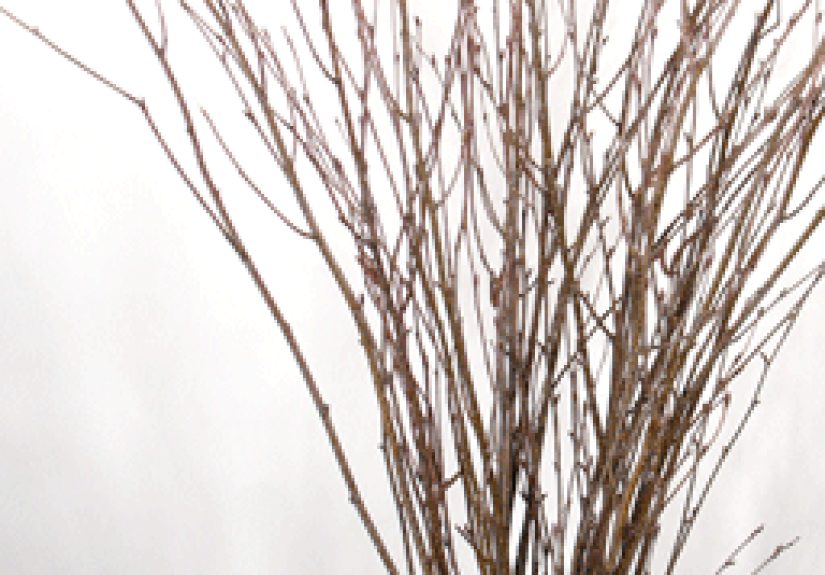
Natural birch branches are real branches, twigs, limbs, or logs collected from birch trees and used for decoration, crafts, floral design, event styling, and seasonal displays. Birch trees are known for their distinctive bark, which can range from chalky white and silver-gray to bronze, tan, reddish-brown, or golden depending on the species and age of the wood. Paper birch, river birch, yellow birch, gray birch, and black birch all have unique bark patterns, but the most recognizable decorative look is the pale, papery, lightly peeling bark often associated with white birch.
In decor, birch branches usually appear in two main forms: slender twigs for vases, wreaths, and centerpieces, or thicker logs and poles for fireplaces, porch pots, wedding arches, shelving accents, and rustic installations. Many branches are dried, trimmed, bundled, and sold in lengths ranging from about 16 inches to 4 feet or more. Some are left natural, while others are lightly painted white, gold, or silver for holiday and event use.
The magic of birch is its contrast. The bark feels soft and organic, yet the branch shape adds structure. The color is neutral, but the natural marks keep it interesting. It looks elegant in a glass vase and outdoorsy in a galvanized bucket. Basically, birch branches are the friend who can wear boots to a barn wedding and still look better than everyone else.
Why Natural Birch Branches Are So Popular in Home Decor
They Add Texture Without Visual Clutter
Good interior design is not only about color. Texture matters just as much. A room filled with smooth walls, flat furniture, and shiny surfaces can feel cold or unfinished. Natural birch branches solve that problem quickly. Their bark pattern, knots, curves, and irregular shapes add depth while staying neutral enough not to fight with your sofa, rug, curtains, or that one throw pillow you bought because it “felt seasonal.”
Because birch branches usually have soft white, beige, gray, and brown tones, they blend easily with popular American home styles. They work with farmhouse decor, boho spaces, rustic cabins, coastal cottages, minimalist apartments, and warm modern interiors. They also pair beautifully with stone, linen, wool, leather, glass, ceramic, iron, and greenery.
They Are Seasonal, But Not Limited to One Season
Some decorations are stuck in one month. Pumpkins scream October. Candy canes scream December. Natural birch branches are more versatile. In winter, they look snowy and woodland-inspired. In spring, they can be paired with budding branches, moss, or fresh flowers. In summer, they bring an airy, lake-house feeling. In fall, they play well with dried grasses, berries, leaves, pinecones, and warm-toned florals.
This makes birch branches a smart decorating investment. You can keep the same tall bundle in a vase year-round and simply change the surrounding accents. Add fairy lights in December, pussy willow in March, dried wheat in September, and evergreen clippings in November. The branches stay; the mood changes. It is decor with commitment issues, in the best way.
They Feel Natural and Sustainable
Many homeowners are moving toward organic materials, low-waste decorating, and nature-inspired interiors. Natural birch branches fit that trend beautifully, especially when sourced responsibly. Instead of buying plastic-heavy seasonal decor that may last one holiday cycle before retiring to the attic of forgotten decisions, birch branches can be reused for years.
Foraged branches can be eco-friendly when collected legally, locally, and sparingly. Purchased branches can also be a good option when they come from reputable suppliers that dry, trim, and bundle them safely. The key is to avoid cutting live trees without permission, avoid collecting from protected areas, and avoid transporting untreated wood across long distances because wood can carry insects or plant diseases.
Best Ways to Decorate with Natural Birch Branches
1. Style Them in a Tall Vase
The easiest way to use natural birch branches is to place them in a tall vase. This is the decorating method for people who want a designer look without having to locate a glue gun. Choose a heavy vase made of ceramic, glass, stoneware, or metal so the arrangement will not tip over. For floor arrangements, use branches that are 3 to 4 feet tall. For tabletops, shorter twigs between 16 and 24 inches usually work better.
To make the arrangement look intentional, vary the heights slightly. Put the tallest branch near the center or back, then angle smaller pieces outward. Avoid packing the vase too tightly. Birch branches look best when they have room to breathe. Think “sculptural display,” not “porcupine emergency.”
2. Create a Rustic Fireplace Display
Birch logs are a classic fireplace accent, especially in homes with non-working fireplaces or electric inserts. A stack of pale birch logs instantly makes a hearth feel cozy, even when no fire is involved. The white bark brightens dark fireboxes, and the natural markings add cabin-like warmth.
Important safety note: decorative birch logs should be used carefully around working fireplaces. If a product is sold for decoration only, do not burn it unless the seller clearly states that it is safe firewood. Keep decorative branches away from open flames, candles, heaters, and hot fireplace glass. Birch bark is beautiful, but it is not trying to become a dramatic campfire in your living room.
3. Build a Winter Porch Pot
Natural birch branches are stars in outdoor winter planters. Place three to five tall birch poles in the center of a large planter, then fill around them with evergreen boughs, cedar, pine, spruce tips, red twig dogwood, pinecones, and weather-safe ornaments. The vertical birch pieces add height, while the greenery creates fullness at the base.
This style is especially popular in snowy climates because the white bark stands out beautifully against dark evergreens. Even without snow, the arrangement looks polished and welcoming. It says, “Someone festive lives here,” without requiring inflatable reindeer on the lawn.
4. Use Birch Branches in Wedding Decor
Birch branches are a favorite for rustic weddings, woodland ceremonies, barn receptions, and elegant outdoor events. They can be used in centerpieces, ceremony arches, aisle markers, escort card displays, hanging installations, and photo backdrops. Their neutral color works with white flowers, blush roses, greenery, pampas grass, burgundy accents, and candlelight.
For centerpieces, combine short birch twigs with moss, votive candles, dried flowers, or small bud vases. For a dramatic reception look, place tall birch branches in weighted vessels and add hanging glass ornaments or fairy lights. Just make sure tall arrangements do not block guests from seeing one another. Nobody wants to spend dinner talking to a decorative forest.
5. Make Wreaths and Wall Art
Smaller birch twigs are excellent for wreaths, wall hangings, and handmade decor. You can wire them into a circular wreath form, layer them into a starburst shape, or attach them to a frame for rustic wall art. Birch bark pieces can also be used for candle wraps, ornaments, gift tags, and woodland-themed crafts.
The trick is to keep the design simple. Birch already has pattern and character, so you do not need to bury it under ten ribbons, three faux birds, and a suspicious amount of glitter. A few pinecones, dried orange slices, eucalyptus stems, or velvet ribbon can be enough.
How to Choose High-Quality Natural Birch Branches
Check the Length and Scale
Before buying natural birch branches, decide where you will use them. A 16-inch bundle may look perfect in a tabletop vase but tiny in a floor urn. A 46-inch branch may look elegant beside a fireplace but slightly alarming on a small dining table. Measure your vase, planter, mantel, or display area before ordering.
For a balanced vase arrangement, branches should usually be about one and a half to two times the height of the vase. For example, a 20-inch vase can often handle 30- to 40-inch branches. If your vessel is lightweight, add floral stones, sand, or a smaller weighted container inside to keep it stable.
Look for Natural Variation
Real birch branches should not look identical. Slight differences in bark color, thickness, peeling, knots, curves, and markings are part of their charm. If every branch looks perfectly uniform, it may be artificial or heavily processed. That is not automatically bad, but it changes the look.
Natural branches are best when you want authenticity, texture, and a rustic feel. Faux birch branches are useful when you need perfect consistency, long-term indoor use, or allergy-free, pest-free decor. Both have a place. Natural birch is the cozy wool sweater; faux birch is the wrinkle-free travel blazer.
Buy from Reputable Sellers
When purchasing decorative birch branches online, read the product description carefully. Look for details such as branch length, quantity, material, finish, intended use, and whether the pieces are natural, dried, painted, artificial, or treated. For large event orders, confirm the case count and dimensions so you do not accidentally order enough birch to decorate either one centerpiece or a small national park.
If buying birch logs for fireplace decor, check whether they are meant for display only. Many decorative bundles are designed for non-functional fireplaces, shelves, baskets, and photo styling rather than burning. If you need actual firewood, buy locally sourced or certified heat-treated wood that follows regional guidelines.
How to Prepare Foraged Birch Branches for Indoor Use
If you collect your own branches, start with permission. Use branches from your own property, a friend’s property with approval, or areas where gathering is legally allowed. Do not remove branches from parks, preserves, trails, or private land without permission. Nature may be generous, but park rangers are not known for rewarding unauthorized pruning with applause.
Choose fallen branches or carefully trim small pieces from overgrown limbs. Avoid diseased, moldy, soft, or insect-damaged wood. Shake each branch outdoors to remove loose debris. Brush away dirt and webs, then wipe the bark gently with a dry or slightly damp cloth. Let the branches dry thoroughly in a covered, ventilated area before bringing them inside.
For leafy branches, cut stems at an angle and place them in water if you want a fresh look for a short time. For dried arrangements, remove leaves that will wilt or crumble. You can also preserve some foliage using a glycerin-and-water method, but bare birch branches usually look beautiful without extra treatment.
Safety and Care Tips for Natural Birch Branches
Keep Branches Dry Indoors
Natural birch branches last longest when kept dry. Avoid placing untreated dried branches in water unless you are using fresh clippings temporarily. Moisture can encourage mold, discoloration, or bark separation. Dust branches lightly with a microfiber cloth, feather duster, or cool hair dryer on a low setting.
Avoid Heat and Open Flame
Keep dried birch away from candles, fireplaces, heaters, radiators, and hot light bulbs. If you add string lights, choose low-heat LED lights and inspect cords for damage. Battery-operated fairy lights can be a safer choice for vases and centerpieces.
Do Not Move Untreated Wood Long Distances
Branches and logs can sometimes carry hidden insects, larvae, or plant pathogens. To protect local forests, avoid transporting untreated wood across state lines or long distances. Buy locally when possible, use certified heat-treated wood for travel or burning, and check local rules if you are moving natural wood for an event.
Natural Birch Branches by Decor Style
Farmhouse Style
For farmhouse decor, place birch branches in galvanized buckets, stoneware crocks, woven baskets, or white ceramic pitchers. Pair them with cotton stems, eucalyptus, dried wheat, or simple greenery. The look should feel relaxed, cozy, and practical, like a country kitchen that smells faintly of biscuits and good decisions.
Modern Organic Style
For a modern organic home, use fewer branches in a large sculptural vase. Choose clean lines, neutral colors, and open space. A single dramatic birch branch can look striking on a console table or in an entryway. Pair it with linen upholstery, matte ceramics, stone trays, and warm wood furniture.
Scandinavian Style
Birch branches fit naturally into Scandinavian-inspired interiors because they are light, simple, and nature-forward. Use them with white walls, pale woods, cozy textiles, and minimal accessories. Add small paper ornaments in winter or leave the branches bare for year-round simplicity.
Rustic Cabin Style
For cabins, lodges, and mountain homes, go bigger. Use birch logs beside the hearth, tall poles in corners, branch bundles on mantels, and birch accents mixed with plaid blankets, leather chairs, antlers, lanterns, and evergreen garland. This style can handle more texture, but balance is still important. The goal is “elegant lodge,” not “a beaver renovated the den.”
Common Mistakes to Avoid
One common mistake is using branches that are too short for the container. If the vase visually swallows the stems, the display looks accidental. Another mistake is overcrowding. Natural birch branches need negative space so their lines and bark can show. A third mistake is ignoring weight. Tall branches in a narrow vase can tip over easily, especially in homes with pets, kids, or adults who gesture dramatically while telling stories.
Also avoid mixing too many competing rustic elements at once. Birch branches, burlap, distressed wood, galvanized metal, antlers, buffalo check, mason jars, and ten pinecones can become a theme park of farmhouse enthusiasm. Choose two or three natural textures and let them shine.
DIY Ideas Using Natural Birch Branches
Natural birch branches are perfect for simple DIY projects. Try a birch branch centerpiece by placing short twigs in a low rectangular box with moss and votive holders. Make a holiday branch tree by arranging tall twigs in a weighted vase and hanging lightweight ornaments. Create a rustic photo display by tying twine between two branches and clipping small photos to it. For a wedding or party, use birch twigs as place card holders by cutting small slits in short branch pieces.
You can also make seasonal bundles. Tie several birch branches together with jute twine, velvet ribbon, or leather cord and lean them against a mantel or entry bench. Add dried flowers in spring, miniature flags in summer, preserved leaves in fall, or cedar sprigs in winter. The same bundle can live many lives, which is more than we can say for most impulse buys from the seasonal aisle.
Where to Use Natural Birch Branches Around the Home
In the entryway, birch branches create a welcoming focal point. In the living room, they add height beside a fireplace, media console, or reading chair. In the dining room, smaller twigs can create an earthy tablescape. In bedrooms, a few branches in a ceramic vase can soften the space without adding clutter. In bathrooms, a small bundle can bring spa-like texture, especially when paired with stone, wood, and neutral towels.
Outside, use birch branches in covered porch arrangements, winter planters, garden party decor, or wedding installations. If branches are exposed to rain, snow, or direct sun, expect them to weather over time. That can be charming, but if you want the bark to stay crisp and bright, keep them under cover.
of Real-Life Experience: What Decorating with Natural Birch Branches Feels Like
The first time you decorate with natural birch branches, you may feel suspiciously proud of yourself. It is one of those rare home updates that looks sophisticated but does not require measuring curtains, repainting a wall, or assembling furniture with instructions that appear to have been translated by a sleepy robot. You place a few branches in a vase, step back, and suddenly the room has height, texture, and a little woodland poetry. It is dangerously satisfying.
In everyday use, birch branches are surprisingly forgiving. I have seen them work in tiny apartments, big suburban living rooms, rustic lake houses, modern white kitchens, and office reception areas where the previous decor plan seemed to be “one lonely brochure.” The branches do not demand much. They do not wilt overnight, drop petals into your coffee, or require water changes. A little dusting now and then, and they continue looking calm and elegant, as if they meditate before sunrise.
The best experience comes from choosing the right vessel. A tall, heavy vase makes birch branches look intentional. A vase that is too light creates the kind of suspense nobody wants near breakable objects. I once watched a tall branch arrangement slowly lean toward a bookshelf like it had developed a personal goal. The solution was simple: a wider vase, some river stones at the bottom, and fewer branches. Less truly can be more, especially when gravity is involved.
Another lesson is that birch branches are excellent problem-solvers for awkward spaces. Empty corner? Birch branches. Bare mantel after the holidays? Birch branches. Dining table needs style but not another bowl of decorative balls? Birch branches. They add vertical interest without taking up much floor space, which makes them useful in apartments and smaller homes. They also photograph beautifully, which matters more than many of us admit when guests are coming and the living room needs to look like it casually woke up charming.
For seasonal decorating, the experience gets even better. In winter, birch branches with warm LED fairy lights can make a room feel cozy without going full North Pole. In fall, pairing them with dried grasses and copper-toned leaves creates warmth. In spring, a few fresh green stems mixed in make the arrangement feel lighter. For weddings and parties, they bring structure to floral designs and help centerpieces look more expensive than they are. That is the quiet superpower of birch: it elevates almost everything nearby.
The only real caution is to respect the fact that these are natural materials. Inspect them before bringing them indoors, keep them away from flame, and source them responsibly. When treated thoughtfully, natural birch branches can last for years and become one of those decor pieces you keep moving from room to room because they always seem to belong. They are simple, handsome, low-maintenance, and just dramatic enough. In other words, they are the rare houseguest you might actually invite back.
Conclusion
Natural birch branches are one of the easiest ways to bring organic beauty, height, and texture into a home or event space. They are versatile enough for rustic weddings, winter porch pots, modern vases, farmhouse mantels, and cozy fireplace displays. Their pale bark and sculptural forms make them visually interesting without overwhelming a room, and their durability makes them a practical choice for decorators who want style without constant maintenance.
The best results come from choosing the right size, using a sturdy container, keeping arrangements simple, and sourcing branches responsibly. Whether you buy dried birch twigs, gather fallen pieces locally, or style a bundle of birch logs beside a non-working fireplace, these natural accents offer a timeless look that feels warm, grounded, and quietly elegant. And honestly, any decor item that can make a corner look intentional deserves a standing ovationor at least a nice vase.
Note: For safe and responsible decorating, use locally sourced or reputable natural birch branches, inspect them before indoor use, keep them dry, and place them away from open flames or high heat.