Table of Contents >> Show >> Hide
- What Is a GI Cocktail?
- Common GI Cocktail Ingredients
- What Are GI Cocktails Used For?
- GI Cocktail vs. Plain Antacid: Does the Full Mix Work Better?
- Possible Side Effects of GI Cocktails
- Who Should Be Extra Careful?
- When Symptoms Need Medical Attention
- GI Cocktail and Chest Pain: A Common Misunderstanding
- What to Ask Before Taking a GI Cocktail
- Alternatives and Long-Term Treatment Options
- Practical Experience: What It Feels Like to Navigate GI Cocktail Questions
- Final Thoughts
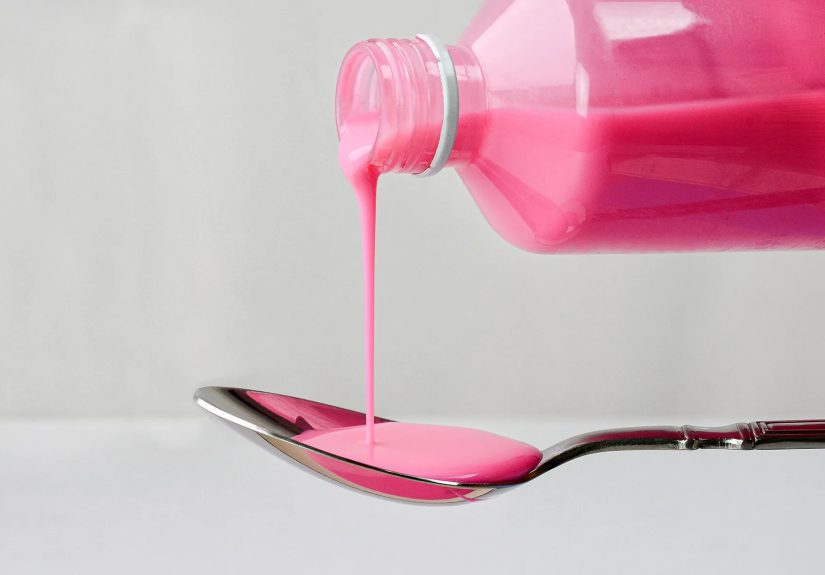
A GI cocktail sounds like something served with a tiny umbrella and a dramatic garnish, but nothis is not a beach drink, and your stomach is not on vacation. In medical settings, a GI cocktail is a mixture of medications sometimes used to relieve upper abdominal discomfort, acid-related pain, indigestion, heartburn-like symptoms, or chest discomfort suspected to be coming from the digestive tract.
The key phrase is medical settings. A GI cocktail is not a do-it-yourself recipe, not a TikTok “stomach hack,” and definitely not something to mix at home because your burrito fought back. It may contain an antacid, a numbing medication such as viscous lidocaine, and sometimes an anticholinergic or antispasmodic medication. Because those ingredients can cause side effects and interact with other medicines, a GI cocktail should only be used when recommended by a qualified healthcare professional.
This guide explains what GI cocktails are, what ingredients they may include, when clinicians may use them, what side effects to watch for, and why the modern medical conversation has shifted from “give the whole cocktail” to “do we really need all of these ingredients?”
What Is a GI Cocktail?
A gastrointestinal cocktail, commonly called a GI cocktail, is a combination of medications used to treat symptoms of dyspepsia, acid indigestion, reflux-like discomfort, or upper abdominal burning. It has historically been used in emergency departments and urgent care settings when a patient arrives with upper belly pain, burning, nausea, or chest discomfort that may be related to the esophagus or stomach.
The name “cocktail” simply means a mixture. It does not describe one universal formula. Different hospitals and clinicians may use different combinations. Some GI cocktails include only a liquid antacid and lidocaine. Others may add an anticholinergic medication to reduce spasms. In many cases, however, the evidence suggests that a plain antacid may offer similar relief with fewer potential downsides.
Common GI Cocktail Ingredients
A GI cocktail may include several categories of medication. The exact ingredients depend on the clinical situation, local practice, the patient’s medical history, allergies, age, and current medications.
1. Liquid Antacid
The antacid is usually the foundation of a GI cocktail. Antacids work by neutralizing stomach acid, which may reduce burning, sour stomach, acid indigestion, and heartburn. Common antacid ingredients include aluminum hydroxide, magnesium hydroxide, calcium carbonate, or simethicone-containing combinations.
Think of stomach acid as a very enthusiastic houseguest. It is useful in the right place, but if it shows up in the esophagus wearing muddy boots, everyone gets upset. Antacids help calm the acid party, at least temporarily.
2. Viscous Lidocaine
Viscous lidocaine is a thick numbing medication. In a GI cocktail, it may be used to reduce pain or burning sensations in the mouth, throat, esophagus, or upper digestive tract. It does not fix the underlying cause of indigestion, but it may temporarily reduce discomfort.
Lidocaine also comes with important cautions. Because it can numb the throat and affect swallowing, patients are usually warned not to eat or drink immediately afterward unless their clinician says it is safe. Numbing the throat may sound convenient until soup becomes a surprise hazard. That is why lidocaine is handled carefully in medical care.
3. Anticholinergic or Antispasmodic Medication
Some GI cocktails may include an anticholinergic or antispasmodic medication, historically including products containing belladonna alkaloids and phenobarbital. These medications may reduce spasms or cramping in parts of the digestive tract.
These ingredients are not harmless extras. Anticholinergic medications can cause dry mouth, blurry vision, constipation, dizziness, difficulty urinating, confusion, and other effects. For certain people, especially older adults or those with specific medical conditions, these side effects may be more concerning than the original stomach complaint.
What Are GI Cocktails Used For?
GI cocktails are most often associated with short-term relief of dyspepsia, which is the medical term for indigestion symptoms such as upper abdominal burning, discomfort, bloating, early fullness, belching, nausea, or an upset stomach. They may also be used when symptoms overlap with acid reflux or gastritis.
Common situations where a clinician might consider a GI cocktail include:
- Upper abdominal burning after eating
- Acid indigestion or sour stomach
- Heartburn-like discomfort
- Suspected gastritis irritation
- Esophageal burning from reflux
- Non-specific upper belly pain after more serious causes are considered
However, a GI cocktail should never be treated as a magic diagnostic wand. Feeling better after a GI cocktail does not prove that the problem was harmless indigestion. Chest pain, pressure, shortness of breath, sweating, pain spreading to the arm or jaw, faintness, or unexplained severe symptoms need urgent medical attention. The stomach and heart are neighbors in the body’s complaint department, and sometimes they file confusing paperwork.
GI Cocktail vs. Plain Antacid: Does the Full Mix Work Better?
This is where the story gets interesting. For years, GI cocktails were widely used in emergency departments. The logic seemed reasonable: antacid neutralizes acid, lidocaine numbs pain, and anticholinergic medicine may reduce spasms. Three helpers should be better than one, right?
Not always. Research has questioned whether adding lidocaine or anticholinergic medication improves results enough to justify the extra side effects. Some studies found no meaningful advantage of a full GI cocktail over plain liquid antacid for many patients with dyspepsia or epigastric pain. A more modern approach often asks: “Can we relieve the symptoms with the simplest effective option?”
That does not mean GI cocktails are never used. It means clinicians increasingly weigh the benefit against the risk. If a plain antacid works, adding a numbing medication may be like hiring a marching band to announce that dinner is ready. Memorable? Sure. Necessary? Maybe not.
Possible Side Effects of GI Cocktails
Side effects depend on what is actually in the GI cocktail. Since the mixture can vary, patients should ask what they are receiving and why.
Antacid Side Effects
Antacids are generally well tolerated when used correctly, but they can still cause side effects. Magnesium-containing antacids may cause diarrhea. Aluminum-containing antacids may cause constipation. Some people experience nausea, stomach cramps, chalky taste, or changes in bowel habits.
Antacids may also affect the absorption of certain medications. This matters for people taking antibiotics, thyroid medication, iron supplements, seizure medications, heart medications, or other prescription drugs. A simple antacid can sometimes behave like that one friend who accidentally blocks the doorway at a partynothing dramatic, but suddenly everyone else has trouble getting through.
Lidocaine Side Effects
Viscous lidocaine may cause mouth or throat numbness, altered taste, nausea, dizziness, or tingling. More serious reactions are uncommon but can include allergic symptoms, breathing problems, confusion, vision changes, irregular heartbeat, or seizures, especially if too much is used or if it is swallowed improperly.
Because lidocaine can numb protective swallowing reflexes, eating too soon may increase the risk of choking or accidentally burning the mouth with hot food or drinks. That is one reason lidocaine should be used only under appropriate guidance.
Anticholinergic Side Effects
Anticholinergic medications may cause dry mouth, blurry vision, dry eyes, constipation, dizziness, sleepiness, urinary retention, fast heartbeat, or confusion. These effects may be more troublesome in people with glaucoma, urinary problems, certain heart conditions, or sensitivity to sedating medicines.
If a GI cocktail contains a sedating component, patients should ask whether they need to avoid driving, operating machinery, or combining it with alcohol or other sedatives. Your digestive tract may be the one complaining, but your brain and reflexes may still get dragged into the meeting.
Who Should Be Extra Careful?
Some people need extra caution before receiving a GI cocktail. This includes individuals who are pregnant, breastfeeding, taking multiple medications, allergic to local anesthetics, managing kidney disease, living with heart rhythm problems, or dealing with swallowing difficulties.
Children also require special caution. Viscous lidocaine can be dangerous in young children when used incorrectly. Any medication that numbs the mouth or throat should be treated seriously, not casually. Parents and caregivers should never attempt to create a homemade GI cocktail for a child.
When Symptoms Need Medical Attention
Indigestion is common, but not every “stomach” symptom is simple indigestion. Seek medical care promptly if symptoms are severe, new, persistent, or unusual for you.
Warning signs include:
- Chest pain, pressure, or pain spreading to the arm, jaw, neck, or back
- Shortness of breath, sweating, faintness, or sudden weakness
- Vomiting blood or material that looks like coffee grounds
- Black, tarry, or bloody stools
- Unexplained weight loss
- Trouble swallowing or painful swallowing
- Persistent vomiting
- Severe abdominal pain
- Indigestion lasting more than two weeks or repeatedly returning
These symptoms do not automatically mean something terrible is happening, but they do mean your body has upgraded the complaint from “annoying email” to “please open this immediately.”
GI Cocktail and Chest Pain: A Common Misunderstanding
One of the most important things to understand is that a GI cocktail should not be used to rule out a heart problem. Chest discomfort can come from acid reflux, esophageal spasm, gallbladder disease, anxiety, muscle strain, or heart disease. Sometimes symptoms overlap in inconvenient ways.
In the past, some clinicians looked at whether chest pain improved after a GI cocktail as a clue that the pain was digestive rather than cardiac. But improvement after antacid or lidocaine does not reliably exclude heart-related causes. A person can have reflux and heart disease at the same time. Bodies are not always polite enough to have only one issue per appointment.
That is why chest pain evaluation may involve an electrocardiogram, blood tests, vital signs, medical history, and other assessments. Relief from a GI cocktail may be one piece of the story, but it is not the final chapter.
What to Ask Before Taking a GI Cocktail
If a healthcare professional recommends a GI cocktail, it is reasonable to ask a few practical questions:
- What ingredients are in this GI cocktail?
- Why is this combination being used instead of a plain antacid?
- Could any ingredient interact with my medications?
- How long should I avoid eating or drinking after taking it?
- What side effects should I report right away?
- What should I do if symptoms return?
Asking questions is not being difficult. It is being the project manager of your own digestive drama.
Alternatives and Long-Term Treatment Options
A GI cocktail is usually a short-term symptom reliever, not a long-term treatment plan. If indigestion or reflux keeps coming back, the better question is not “How do I numb this again?” but “Why does this keep happening?”
Depending on the cause, a clinician may recommend lifestyle changes, over-the-counter antacids, H2 blockers, proton pump inhibitors, testing for Helicobacter pylori, evaluation for ulcers, medication review, or referral to a gastroenterologist.
Lifestyle steps may include eating smaller meals, avoiding late-night meals, reducing trigger foods, limiting alcohol, stopping smoking, maintaining a healthy weight, elevating the head of the bed for nighttime reflux, and avoiding lying down right after eating. Trigger foods vary, but common suspects include greasy foods, spicy foods, tomato products, citrus, chocolate, peppermint, coffee, and carbonated drinks.
Of course, the stomach can be deeply unfair. One person eats chili fries at midnight and sleeps like a golden retriever. Another eats one tomato and experiences a full opera of regret. Tracking personal triggers is often more useful than following a universal “never eat joy again” list.
Practical Experience: What It Feels Like to Navigate GI Cocktail Questions
Many people first hear the term “GI cocktail” in a stressful setting, often while sitting in an urgent care room or emergency department wondering whether their chest or upper abdominal discomfort is serious. The name can sound strangely casual, which may make the situation feel confusing. A patient may think, “If this is just a cocktail, why am I attached to monitors?” That contrast is exactly why clear communication matters.
In real-life experience, GI cocktail conversations usually begin with uncertainty. The symptoms may not be dramatic enough to scream “emergency,” but they are uncomfortable enough to make someone seek care. A burning sensation under the breastbone, pressure after meals, sour taste, bloating, nausea, or upper belly pain can make people worry. Some arrive convinced it is heartburn. Others fear it is their heart. A careful clinician does not simply guess based on vibes, because vibes are not FDA-approved diagnostic equipment.
One common experience is the quick relief that can happen after a liquid antacid. When acid is a major driver, symptoms may ease noticeably. People may describe it as the internal fire alarm finally being unplugged. But relief can be temporary. If symptoms return every few days, after most meals, or at night, that is a clue that the underlying issue needs attention. Repeatedly chasing symptoms with short-term remedies is like mopping the floor while the sink is still overflowing.
Another experience people report is the odd sensation of lidocaine. If lidocaine is included, the mouth or throat may feel numb or thick. Some people dislike the taste or texture. Others feel reassured because pain decreases quickly. But the numbness can be unsettling, especially if no one explains it beforehand. That is why patients should know whether lidocaine is part of the mixture and what precautions apply afterward.
A third practical lesson is that “indigestion” is not one single condition. It is a symptom category. For one person, it may be reflux after late meals. For another, it may be gastritis from frequent NSAID pain reliever use. Someone else may have functional dyspepsia, where the nerves of the digestive tract are extra sensitive. Another person may need evaluation for ulcers, gallbladder problems, medication side effects, or less common conditions.
People also learn quickly that prevention is less glamorous than rescue treatment, but usually more effective. Eating earlier, reducing portions, noticing trigger foods, avoiding lying down after dinner, and discussing recurring symptoms with a clinician can prevent many midnight stomach rebellions. No one wants to become a detective of their own burps, but a simple symptom diary can reveal patterns that memory misses.
The best experience-related advice is this: treat a GI cocktail as a temporary tool, not a personality trait. If it is used once in a medical setting and symptoms resolve, great. If symptoms continue, return, worsen, or come with warning signs, get evaluated. The goal is not just to silence the stomach; it is to understand why it is yelling in the first place.
Final Thoughts
A GI cocktail can be useful for short-term relief of upper digestive discomfort, but it is not a universal cure and not a home remedy. Its ingredients may include an antacid, viscous lidocaine, and sometimes an anticholinergic medication. Each ingredient has a purpose, and each carries possible side effects.
The modern takeaway is refreshingly practical: more medication is not always better medication. For many cases of indigestion, a plain antacid may provide similar relief with fewer risks. When symptoms are severe, unusual, persistent, or chest-related, proper medical evaluation matters far more than simply numbing the discomfort.
Your stomach may be dramatic, but your care plan should be calm, evidence-based, and guided by someone who knows the difference between ordinary heartburn and something that deserves urgent attention.