Table of Contents >> Show >> Hide
- What Is Saffron, Exactly?
- Why Are People Talking About Saffron for ADHD?
- What the Research Actually Says
- Can Saffron Replace ADHD Medication?
- How Might Saffron Work?
- Safety, Side Effects, and the Supplement Problem
- What Would a Reasonable, Evidence-Based Approach Look Like?
- Who Might Be Most Interested in Saffron?
- The Bottom Line: Can Saffron Help?
- Experiences Related to “Saffron for ADHD: Can It Help?”
- Conclusion
If ADHD treatments had a spice rack, saffron would be the tiny, expensive jar in the corner quietly saying, “I may be helpful, but please don’t expect miracles.” That, in a nutshell, is where the science stands right now. Saffron has moved beyond foodie bragging rights and into the world of mental health research, where scientists are studying whether this bright red spice might help with attention-deficit/hyperactivity disorder.
The short answer is: maybe, for some people, in some situations. A few small clinical studies suggest saffron may improve certain ADHD symptoms, and some research hints that it could compare surprisingly well with methylphenidate in specific short-term settings. But before anyone crowns saffron the new king of focus, it is important to slow down, take a deep breath, and remember that “promising” is not the same thing as “proven.”
This article breaks down what saffron is, why people are interested in it for ADHD, what the research says, where the science still looks shaky, and how families and adults should think about it without getting swept away by supplement hype. Because the internet loves a dramatic headline, but your brain deserves nuance.
What Is Saffron, Exactly?
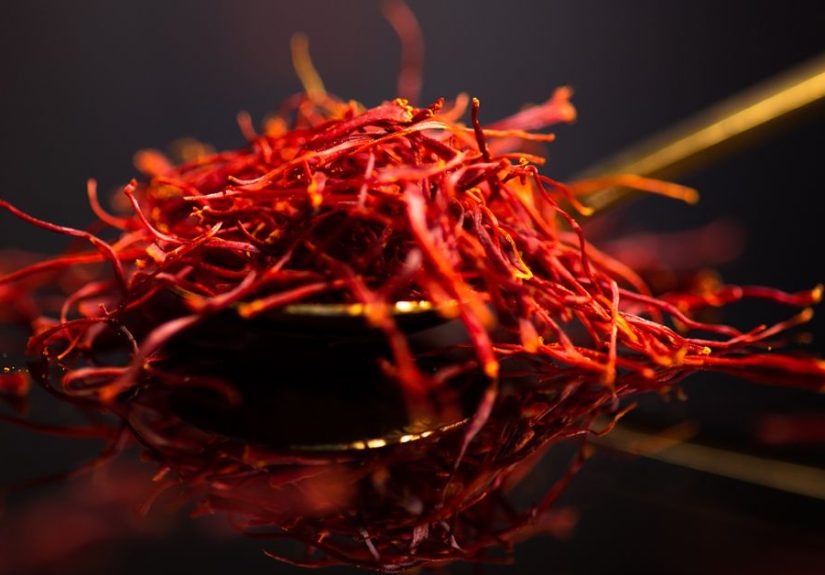
Saffron comes from the Crocus sativus flower and has been used for centuries in cooking and traditional medicine. It is famous for its deep golden color, floral aroma, and eye-watering price tag. In supplement form, saffron is usually sold as a capsule or extract rather than the dried threads you toss into rice when you are feeling fancy.
Researchers are interested in saffron because its active compounds, including crocin and safranal, may influence brain pathways related to mood, inflammation, oxidative stress, and neurotransmitters such as dopamine and norepinephrine. Those chemicals matter because ADHD is tied to brain circuits involved in attention, motivation, impulse control, and executive function.
That does not mean saffron automatically fixes ADHD. It means scientists have a reasonable biological question to investigate. And in research, having a good question is nice. Having a strong answer is better.
Why Are People Talking About Saffron for ADHD?
There are three big reasons saffron keeps showing up in ADHD conversations.
1. Some early studies look encouraging
A handful of small trials have found that saffron may reduce symptoms such as hyperactivity, impulsivity, and inattention over short periods. In some studies, saffron performed similarly to methylphenidate, while in others it appeared helpful as an add-on rather than a stand-alone option.
2. Families often want non-drug options
That is understandable. ADHD medications can be highly effective, but they are not perfect. Some people deal with appetite changes, trouble sleeping, stomach upset, irritability, or the endless joy of finding the right dose through trial and error. Naturally, parents and adults start looking around and asking, “Is there something gentler?” Enter saffron, stage left, wearing a wellness cape.
3. Saffron may affect mood and sleep
Some research on saffron outside ADHD suggests it may support mood and sleep quality in certain people. That matters because ADHD rarely travels alone. Anxiety, emotional dysregulation, sleep problems, and low frustration tolerance often ride shotgun. If a supplement helps sleep or mood, people may feel more regulated overall, even if the core ADHD symptoms are not dramatically changed.
What the Research Actually Says
Small studies, interesting signal
The most important thing to understand is that the saffron-for-ADHD evidence base is still small. A 2024 systematic review found only four eligible studies with a total of 118 patients. That is not nothing, but it is also not the kind of mountain of evidence that makes clinicians throw confetti and rewrite treatment guidelines.
Still, the review was intriguing. It concluded that saffron showed promise both as a stand-alone intervention and as an add-on to methylphenidate, with no major safety signals in the available trials. In plain English: researchers saw enough to stay interested, but not enough to say, “Case closed.”
How saffron compared with methylphenidate
One of the most talked-about studies compared saffron with methylphenidate in children and adolescents over a short period. The result that grabbed attention was that saffron appeared broadly comparable in reducing ADHD symptoms in that small pilot setting. That is the sort of finding that makes headlines and makes parents forward articles in group chats with lots of question marks.
But there is a catch. Actually, several catches. The sample size was small. The treatment period was short. And when later evidence reviews looked across nutrition and supplement studies, they found the overall strength of evidence was low and the results were inconsistent across interventions. That means saffron is intriguing, but not settled science.
Could saffron help some symptoms more than others?
Possibly. One later study suggested saffron might be more helpful for hyperactivity, while methylphenidate might do better for inattention. That does not prove saffron has a “best use case,” but it raises an interesting possibility: some people may respond to it differently depending on which symptoms are most disruptive.
That matters because ADHD is not one-size-fits-all. One child may be bouncing off the furniture like a human pinball, while another is mostly inattentive, dreamy, disorganized, and somehow still missing the same backpack every afternoon. Treatments that help one presentation may not help another in the same way.
What about adults?
This is where the brakes squeal a bit. Most saffron ADHD studies so far have focused on children and adolescents, not adults. So while adults with ADHD may be curious, the research support is thinner there. It is not that saffron definitely does not help adults. It is that the current evidence does not let anyone say with confidence that it does.
Can Saffron Replace ADHD Medication?
At this point, no serious evidence supports using saffron as a replacement for established ADHD treatment without medical supervision. Standard ADHD care still includes medication, behavior therapy, parent training, counseling, education support, and school-based interventions. That is the foundation. Saffron, at best, is a possible side character, not the whole movie.
For many children and teens, stimulants remain the most effective treatment for reducing core ADHD symptoms. For others, non-stimulant medications, therapy, coaching, school accommodations, and behavior plans are key pieces of the puzzle. The best treatment plans are usually personalized, monitored, and adjusted over time, which is not nearly as glamorous as “one weird spice fixes everything,” but it is far more honest.
There is also a practical point here: even if saffron helps a little, “a little” may not be enough when someone is struggling in school, melting down at home, missing deadlines, or wrecking their self-esteem because daily life feels like a boss battle. Mild improvement is good. Function matters more.
How Might Saffron Work?
Researchers have proposed a few mechanisms, though none are fully proven in ADHD treatment. Saffron may influence dopamine and norepinephrine signaling, support antioxidant activity, and affect stress or mood-related pathways. Since dopamine and norepinephrine are central to attention and impulse control, that theoretical connection makes saffron scientifically interesting.
There is also the possibility that saffron’s effect is partly indirect. If it improves sleep quality or mood in some people, they may seem less restless, less irritable, or more able to cope. That can look like better ADHD control, even when the change is happening through a side door rather than the main entrance.
Think of it this way: if a child is sleeping better, arguing less, and starting the day with fewer emotional sparks flying out of their ears, attention may improve simply because the nervous system is less overwhelmed. That still matters. It just means the benefit may not be a direct treatment of ADHD biology alone.
Safety, Side Effects, and the Supplement Problem
Natural does not automatically mean harmless
This is the part where wellness marketing usually dims the lights and changes the subject. Herbal supplements can have side effects. They can interact with medications. They can vary in quality from brand to brand. And they are not regulated like prescription drugs before hitting the market.
That means the bottle on the shelf may not always match the polished promise on the label. One product may use a standardized saffron extract, another may not. One may have third-party quality testing, another may rely on vibes and a pretty box.
Possible side effects
Short-term saffron studies generally suggest it is tolerated reasonably well at studied amounts, but that does not mean side effects are impossible. People can report stomach upset, headache, dizziness, sleepiness, changes in appetite, or other unpleasant effects. And because saffron may interact with medications or health conditions, it should not be treated like harmless kitchen dust with a bonus halo.
Why clinician input matters
If someone already takes stimulant medication, antidepressants, sleep medications, or other prescriptions, adding a supplement without guidance is not a smart experiment. It is more of a chemistry surprise. Healthcare providers can help review possible interactions, existing symptoms, and whether a supplement is even worth trying in the first place.
There is also the issue of misdiagnosis. Sleep disorders, anxiety, depression, trauma, learning differences, hearing or vision problems, and other medical conditions can look a lot like ADHD or worsen it. So if someone is reaching for saffron before getting a proper evaluation, they may be solving the wrong puzzle.
What Would a Reasonable, Evidence-Based Approach Look Like?
If families or adults are curious about saffron, the most reasonable approach is not “replace everything and hope for the best.” It is something far more boring and far more useful.
Start with the diagnosis and the basics
Make sure ADHD has been properly assessed. Then build the treatment plan around what is already known to work: behavioral strategies, structure, sleep support, exercise, school accommodations when needed, and medication or therapy when appropriate.
View saffron as a possible adjunct, not a magic fix
The current research makes the most sense if saffron is viewed as a potential complementary option for selected patients, not a replacement for evidence-based care. It may be worth discussing with a clinician when someone has mild symptoms, wants to explore adjunctive support, cannot tolerate a medication well, or needs help thinking through options in a cautious way.
Watch real-life outcomes, not just hopes
If a clinician-approved supplement trial happens, the question should not be, “Do I feel like it is helping?” It should be, “What changed in daily life?” Is homework getting done faster? Is emotional regulation better? Are mornings less chaotic? Is sleep improved? Are appetite and mood stable? Real outcomes beat wishful thinking every time.
Who Might Be Most Interested in Saffron?
Saffron tends to attract interest from a few common groups:
- Parents looking for a complementary option alongside standard ADHD treatment
- People worried about medication side effects, especially appetite or sleep disruption
- Adults interested in natural products for focus, mood, or emotional balance
- Families who prefer a “start gentle” approach before escalating treatment
Those reasons are understandable. But understandable is not the same as evidence-based. Curiosity is healthy. Replacing careful care with internet folklore is not.
The Bottom Line: Can Saffron Help?
Yes, saffron might help some people with ADHD, especially in the short term and possibly as an add-on to standard treatment. The early research is encouraging enough to deserve attention. It is not strong enough to justify overselling.
That is the honest middle ground. Not a miracle. Not nonsense. Just a promising, still-developing area of research.
If future larger, longer, better-designed trials confirm current findings, saffron could earn a more defined place in ADHD care. Until then, it belongs in the “interesting and worth discussing” category, not the “proven solution” category.
So, can saffron help? Maybe. But if ADHD management were a recipe, saffron would be a garnish or a supporting ingredient, not the entire meal. And anyone who tells you otherwise is probably seasoning the science a little too aggressively.
Experiences Related to “Saffron for ADHD: Can It Help?”
In real-world conversations, people interested in saffron for ADHD usually do not sound like lab researchers. They sound tired. They sound hopeful. They sound like parents who have spent months trying to manage homework explosions, bedtime chaos, appetite issues, and the emotional roller coaster that often comes with ADHD. They also sound like adults who are trying to function at work without feeling like every email is a boss-level enemy.
A common experience is curiosity after medication side effects show up. A parent may say their child’s stimulant helped with classroom focus but made dinner nearly impossible because appetite dropped off a cliff. Another might say the medicine worked during school hours, but evenings became moody, irritable, or tearful. In those moments, saffron starts to look appealing because it sounds softer, more natural, and less intimidating than another prescription change.
Adults often describe a slightly different experience. They are not always looking for a total replacement for medication. Sometimes they are looking for something that might take the edge off distractibility, help them feel calmer, or support sleep. Many say they are drawn to saffron because the conversation around it feels less clinical and more approachable. It is a spice, after all, not a chemistry set with a warning label that reads like a dramatic novel.
Another pattern people describe is noticing changes that are not strictly about attention. Instead of saying, “I suddenly became laser-focused and organized my taxes for fun,” they talk about feeling less emotionally reactive, sleeping a little better, or having fewer rough transitions. Parents may notice that mornings are less explosive or that homework resistance is slightly lower. Those changes can matter a lot, even if they do not look like a dramatic before-and-after social media montage.
There are also people who try saffron and report very little. No miracle. No disaster. Just… not much. That matters too. It is a reminder that ADHD is highly individual, and any intervention, whether prescription or supplement, may help one person and do almost nothing for another. The most realistic experience is often subtle, mixed, and deeply tied to the rest of the treatment plan.
Many families who feel positive about saffron still describe it as one part of a larger strategy. Their child may also have a structured routine, school support, exercise, therapy, coaching, or medication. Adults may pair it with better sleep habits, calendar systems, body-doubling, counseling, or cutting down on chaos where possible. In other words, the experience is rarely “saffron saved us.” It is more like “saffron may have helped a little while we also did twelve other important things.” Which, honestly, is how most good ADHD care works.
The most grounded experiences usually come from people who track function instead of chasing hype. They ask practical questions: Is my child less impulsive with siblings? Is homework taking 20 fewer minutes? Am I missing fewer deadlines? Am I sleeping better? Am I less overwhelmed in the late afternoon? Those are the experiences that matter because they reflect real life, not supplement marketing poetry.
So when people talk about saffron for ADHD, the real-life experience is usually not dramatic. It is cautious optimism, trial and error, and a lot of observation. For some, saffron may become a useful supporting player. For others, it may be a short experiment that goes nowhere. Either way, the most helpful mindset is not desperation. It is curiosity with a seatbelt.
Conclusion
Saffron for ADHD is a topic worth watching because the early evidence is interesting and the need for more treatment options is very real. But the smartest takeaway is balance. Saffron is not snake oil, and it is not a substitute for proven ADHD care. It is a promising supplement with limited research, possible benefits, real uncertainties, and a role that still needs to be defined by better studies.
For now, the best approach is thoughtful, supervised, and grounded in daily function. The goal is not to collect trendy supplements like Pokémon cards. The goal is to help people with ADHD live better, learn better, and feel better in ways that actually show up in the real world.