Table of Contents >> Show >> Hide
- What Is Prickly Pear Cactus, Exactly?
- Why the Nutrition Profile Matters
- 1. Prickly Pear Cactus May Help Support Blood Sugar Control
- 2. It Delivers Fiber Without a Giant Calorie Bill
- 3. The Antioxidants Are Real, and They Are Probably a Big Deal
- 4. It May Offer Some Cholesterol and Heart Health Benefits
- 5. Early Research Suggests Liver-Protective Potential
- 6. It May Help Lower Inflammation, but Context Matters
- 7. It Can Be a Smart Food for Weight-Conscious Eating
- How to Eat Prickly Pear Cactus Without Regretting Your Life Choices
- Who Should Be Careful?
- The Bottom Line on the Benefits of Prickly Pear Cactus
- Experiences People Commonly Describe With Prickly Pear Cactus
- SEO Tags
If a food could win an award for “most likely to stab you before helping you,” prickly pear cactus would be a strong contender. But once the spines are gone and the drama queen exterior is handled, this desert plant turns out to be surprisingly useful. Known as nopal, nopales, or Opuntia, prickly pear cactus has been eaten for centuries and studied for its potential role in blood sugar control, cholesterol management, antioxidant support, and overall nutrition.
The important word here is potential. Prickly pear is not a magic cure, not a detox wand, and definitely not permission to ignore your doctor while hugging a cactus. What it is, however, is a nutrient-dense food with promising research behind several of its benefits. The strongest evidence points to fiber, antioxidants, and possible support for cardiometabolic health, especially when the cactus is eaten as a food rather than hyped as a miracle supplement.
This article looks at what science actually supports, what still needs more human research, and why prickly pear cactus deserves a place in the “interesting foods that may pull their weight” category.
What Is Prickly Pear Cactus, Exactly?
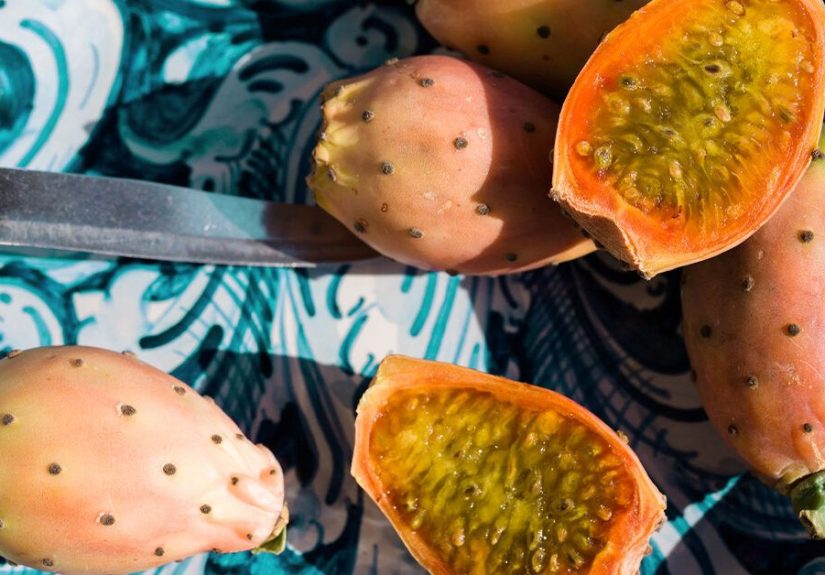
Prickly pear cactus refers to several species in the Opuntia family. Two edible parts usually get the spotlight. First, there are the flat green pads, called nopales, which are cooked and eaten more like a vegetable. Then there is the colorful fruit, often called cactus pear or tuna, which tastes mildly sweet and refreshing when ripe.
Both the pads and the fruit contain fiber, vitamins, minerals, and plant compounds such as polyphenols, carotenoids, and betalains. In other words, this is not just a plant with a great survival instinct. It also comes with a respectable nutritional résumé.
Why the Nutrition Profile Matters
Before talking about flashy health benefits, it helps to start with the least glamorous but most reliable truth: foods that support health usually do so because of their nutrient package, not because they have superhero branding.
Prickly pear cactus fits that pattern well. The pads are low in calories while supplying fiber, calcium, potassium, magnesium, and vitamin C. The fruit also contributes fiber and antioxidant compounds, which may help explain why researchers keep studying it for inflammation and metabolic health.
That matters because many “functional foods” are sold like science fiction but act like candy with a PR team. Prickly pear cactus is different. It is still a whole food. It can be grilled, scrambled with eggs, tossed into salads, blended into smoothies, added to soups, or eaten as fruit. That practical part counts. A healthy food only helps if people can actually eat it without needing a chemistry set and three affiliate links.
1. Prickly Pear Cactus May Help Support Blood Sugar Control
This is one of the most talked-about benefits, and thankfully it is not pure internet mythology. Several studies and reviews suggest that prickly pear cactus, especially the pads, may help reduce post-meal blood sugar levels. The proposed reason is not mysterious. The cactus contains fiber and mucilage-like compounds that may slow digestion and affect how quickly glucose is absorbed.
That does not mean prickly pear “cures diabetes.” It does mean the research is interesting enough that medical and nutrition sources keep mentioning it as a possible complementary food for people trying to manage blood sugar. The best-supported effect seems to be on postprandial glucose, which is the rise in blood sugar after eating.
In everyday terms, adding nopales to a meal may help soften the blood sugar roller coaster a bit. That is useful, especially in a food environment where breakfast can somehow contain more sugar than a dessert and still be marketed as “wholesome.”
What the evidence suggests
Human and review data suggest prickly pear cactus may be most helpful when eaten as part of a meal pattern, not when treated like a miracle capsule. The research is promising but still not strong enough to replace medications or standard medical care. People taking diabetes medications should be cautious, because combining blood-sugar-lowering foods and supplements with medication can sometimes lower glucose more than expected.
2. It Delivers Fiber Without a Giant Calorie Bill
Fiber rarely gets the applause it deserves. It is not flashy. It does not come in a metallic bottle with the word “ultra” on it. Yet fiber is one of the most consistently helpful parts of a healthy diet, supporting digestion, fullness, cholesterol management, and steadier blood sugar.
Prickly pear cactus is valuable partly because it offers fiber in a low-calorie package. That makes it especially appealing for people trying to build meals that are more satisfying without becoming a calorie avalanche. The pads add bulk and texture, while the fruit adds sweetness and fiber at the same time.
From a practical perspective, foods that increase satiety can help people feel more satisfied after meals. That does not mean prickly pear melts fat while you sit on the couch eating chips and making peace with your life choices. It means it can be one smart ingredient in meals that are better balanced and more filling.
3. The Antioxidants Are Real, and They Are Probably a Big Deal
Prickly pear cactus contains antioxidant compounds including betalains, carotenoids, flavonoids, and vitamin C. These substances help protect cells from oxidative stress, which is linked to inflammation and a wide range of chronic health issues.
Now, “antioxidant” is one of those words that has been abused by marketing departments until it sounds like it belongs on a candle label. But in nutrition science, it still matters. Antioxidants can help neutralize unstable molecules called free radicals and may reduce cellular damage over time.
Research on prickly pear fruit has linked it with improved antioxidant status and reduced inflammatory markers in some small human studies. That does not mean one cactus smoothie turns you into a glowing wellness oracle. It means the plant contains biologically active compounds that appear to do more than just sit there looking exotic.
Why this matters in real life
The antioxidant story matters most when prickly pear is part of a broader healthy eating pattern. No single food fixes a poor diet. But foods rich in colorful plant compounds help stack the odds in your favor. Prickly pear is one of those foods that quietly shows up, does useful work, and does not ask for applause.
4. It May Offer Some Cholesterol and Heart Health Benefits
Another promising area of research involves blood lipids. Some studies and reviews suggest prickly pear cactus may help reduce total cholesterol, LDL cholesterol, and triglycerides, though results vary depending on whether researchers are looking at the fruit, the pads, or a specific extract.
The likely explanation again circles back to fiber and plant compounds. Soluble fiber can help reduce cholesterol absorption, while antioxidant compounds may help limit oxidative stress that contributes to cardiovascular problems. This does not make prickly pear a replacement for statins, exercise, or a sensible diet. But it does support the idea that this cactus may be more than a decorative menace in the desert.
What makes prickly pear interesting is that its benefits are not based on one single nutrient. It is the combination of fiber, minerals, and phytochemicals working together that probably gives it its cardiometabolic potential.
5. Early Research Suggests Liver-Protective Potential
Liver health is another area where prickly pear gets a lot of attention. Reviews and experimental studies suggest some compounds in prickly pear may help protect the liver from oxidative stress and inflammation. The fruit in particular has been studied for potential hepatoprotective effects.
This is promising, but it is also a category where internet hype tends to sprint far ahead of the data. The evidence is not strong enough to claim prickly pear “detoxes” the liver in some magical, spa-waterfall way. Your liver already detoxes. It is literally its job. What the research suggests is more modest and more believable: certain compounds in prickly pear may help support liver health under specific conditions, especially by reducing oxidative damage.
That is a meaningful possibility. It is just not the same thing as a miracle cleanse, and your liver would probably appreciate that distinction.
6. It May Help Lower Inflammation, but Context Matters
Some small studies on prickly pear fruit have found reductions in inflammatory markers and improvements in antioxidant status. This is one reason prickly pear often appears in articles about recovery, pain, or general wellness.
Still, inflammation is a broad and complicated process. Eating one anti-inflammatory food does not erase the effects of chronic stress, poor sleep, smoking, heavy alcohol use, or a steady diet of ultra-processed chaos. Prickly pear can contribute to an anti-inflammatory eating pattern, but it is not the whole plan.
Think of it as a helpful teammate, not the entire team.
7. It Can Be a Smart Food for Weight-Conscious Eating
Prickly pear cactus is sometimes discussed in connection with weight management, and here the best explanation is also the most boring one: it can help you build meals that are lighter, more filling, and less processed. That is not boring in a bad way. It is boring in a “this is how nutrition usually works when nobody is trying to sell you powdered moonlight” way.
The fiber and water content of prickly pear foods may support fullness. The pads can add volume to meals without many calories, and the fruit offers natural sweetness that may fit better into a balanced diet than highly processed sugary snacks. Reviews have also explored prickly pear supplementation in relation to body weight and metabolic health, though the evidence is not yet strong enough to make bold promises.
How to Eat Prickly Pear Cactus Without Regretting Your Life Choices
If you buy the pads, remove the spines carefully or buy them cleaned. Then grill, sauté, boil, or scramble them into eggs. Their flavor is mild and slightly tart, with a texture somewhere between green beans and okra.
If you buy the fruit, peel it carefully and avoid the tiny prickles, also called glochids, because they are small, sneaky, and deeply committed to ruining your afternoon. The fruit can be eaten fresh, blended into drinks, turned into syrup, or added to salads and fruit bowls.
As with many nutrient-rich foods, the best approach is boringly reasonable: eat it as food first. Whole or minimally processed prickly pear is more convincing than mystery supplements with labels that sound like they were written during a marketing retreat.
Who Should Be Careful?
Prickly pear cactus is generally safe as a food for most people, but it is not a free-for-all. Some people report mild digestive effects such as diarrhea, abdominal fullness, nausea, or increased stool frequency, especially when they eat a lot at once. People with diabetes should be careful with supplements or large amounts if they take glucose-lowering medications, because blood sugar may drop more than expected.
Also, the fruit contains seeds, and while that is normal, eating excessive amounts may be a bad idea for some people. More importantly, supplements are not the same as food. Concentrated extracts can behave differently, and the evidence for safe dosing is much less clear.
The Bottom Line on the Benefits of Prickly Pear Cactus
The science-backed benefits of prickly pear cactus are real, but they work best when described with a calm voice instead of a late-night infomercial soundtrack. The strongest case for prickly pear is that it is a nutrient-dense plant food with fiber, antioxidants, and promising evidence for blood sugar, cholesterol, inflammation, and possibly liver support.
That does not make it a miracle cure. It makes it a legitimately useful food. And honestly, that is better. Miracle cures are exhausting. Good foods with real evidence are much easier to cook.
Experiences People Commonly Describe With Prickly Pear Cactus
One reason prickly pear cactus keeps showing up in health conversations is that people often notice practical, everyday benefits before they ever learn the scientific vocabulary behind them. Someone starts eating nopales with breakfast or adds cactus pear fruit to a snack plate, and the first reaction is usually not, “Ah yes, I can feel the phytochemicals.” It is more like, “This is surprisingly filling,” or, “I did not expect cactus to taste this good.”
A common experience with the pads is that meals feel more substantial without becoming heavy. People describe nopales as adding body, texture, and a satisfying chew to eggs, tacos, bowls, or salads. Because they are low in calories and contain fiber, they often leave people feeling pleasantly full instead of ready to raid the pantry 45 minutes later. In practical eating terms, that is a win.
Others notice that prickly pear fruit feels refreshing and lighter than many conventional sweets. When ripe, the fruit has a mellow sweetness that can scratch the “I want something fruity” itch without tasting like it was engineered in a lab to hijack your willpower. People who are trying to cut back on ultra-processed snacks often find that cactus pear feels like a fun upgrade rather than a punishment disguised as wellness.
There is also the digestive experience. Many people say that once prickly pear becomes part of regular meals, digestion feels steadier. That is not shocking. Foods with fiber tend to do that. Of course, the flip side is that too much too quickly can backfire. Some first-time eaters go from “I am trying something healthy” to “I may have overcommitted to the cactus lifestyle” in a single afternoon. The smart move is to start modestly and let your digestive system get acquainted with its new prickly friend.
People interested in blood sugar management often describe another subtle experience: meals that seem to “sit better,” especially when nopales are paired with carbohydrates. This is not the kind of dramatic transformation social media loves, but it is exactly the sort of small, repeatable benefit that matters in real life. Better meal balance, more fullness, and fewer energy swings can make healthy eating feel much more sustainable.
Cooks also talk about the novelty factor. Prickly pear cactus makes healthy eating less boring. That may sound trivial, but it is not. People stick with nutritious foods when those foods feel enjoyable, culturally meaningful, and genuinely tasty. Nopales have deep roots in Mexican and Mexican American food traditions, and for many households they are not a trend at all. They are simply food, and very good food at that.
Then there is the emotional experience of trying something that looks intimidating and realizing it is manageable. Prickly pear has a strong “dangerous produce aisle celebrity” vibe, but once cleaned and cooked, it becomes approachable. Many people end up feeling oddly proud after preparing it for the first time, as if they have leveled up from casual vegetable user to desert culinary adventurer.
That may be the most underrated benefit of prickly pear cactus: it expands what healthy eating can look like. It reminds people that nutritious foods do not have to be bland, expensive, or trendy. Sometimes they are ancient, spiky, delicious, and a little dramatic. Honestly, same.