Table of Contents >> Show >> Hide
- Why Your Nose Gets So Cold So Fast
- Simple Ways to Keep Your Nose Warm in the Cold: 8 Steps
- 1. Cover Your Nose With a Scarf, Neck Gaiter, or Face Mask
- 2. Choose Wind-Resistant Materials for Bitter Days
- 3. Wear a Hat That Helps Protect Your Face
- 4. Keep Your Face Covering Dry
- 5. Use Short Indoor Warm-Up Breaks
- 6. Try a Warm Compress After Coming Indoors
- 7. Warm Your Whole Body, Not Just Your Nose
- 8. Know the Warning Signs of Frostnip and Frostbite
- Best Items for Keeping Your Nose Warm
- Common Mistakes That Make Your Nose Colder
- How to Keep Your Nose Warm While Wearing Glasses
- How to Keep a Child’s Nose Warm
- How to Keep Your Nose Warm While Exercising Outdoors
- Extra Experience Notes: What Actually Works in Real Life
- Conclusion
A cold nose is one of winter’s tiny betrayals. You step outside feeling reasonably preparedcoat zipped, boots tied, coffee bravely in handand within three minutes your nose has gone from “normal human feature” to “tiny frozen weather instrument.” The nose gets cold quickly because it sticks out from the face, catches wind directly, and has less natural insulation than areas covered by thick clothing. In freezing, windy, or wet weather, that little chill can become more than uncomfortable; exposed skin on the nose, cheeks, ears, chin, fingers, and toes is especially vulnerable to frostnip and frostbite.
The good news is that keeping your nose warm does not require a polar expedition budget or a dramatic fur-lined helmet. It takes smart coverage, dry materials, wind protection, body heat management, and a few simple habits. Whether you are walking the dog, shoveling snow, commuting before sunrise, skiing, hiking, working outdoors, or waiting for the bus while questioning your life choices, these practical steps can help protect your nose from the cold while keeping breathing comfortable.
Below are eight simple, realistic ways to keep your nose warm in cold weather, plus safety tips, product-style guidance, and real-world experience notes to help you choose what actually works.
Why Your Nose Gets So Cold So Fast
Your nose is exposed, small, and constantly interacting with cold air. Unlike your torso, which can be protected by thick layers, your nose often sits out in the wind like it volunteered for a survival documentary. Cold temperatures cause blood vessels near the skin to narrow, which helps your body preserve core warmth. That process can make the nose feel cold, numb, tingly, or even painful.
Wind makes the problem worse. Wind strips away the thin layer of warmth near your skin, making exposed areas lose heat faster. Moisture adds another challenge: wet scarves, damp masks, sweat, or melting snow can make skin colder because water conducts heat away from the body more quickly than dry air. That is why “warm and dry” is the golden rule of winter nose care.
Simple Ways to Keep Your Nose Warm in the Cold: 8 Steps
1. Cover Your Nose With a Scarf, Neck Gaiter, or Face Mask
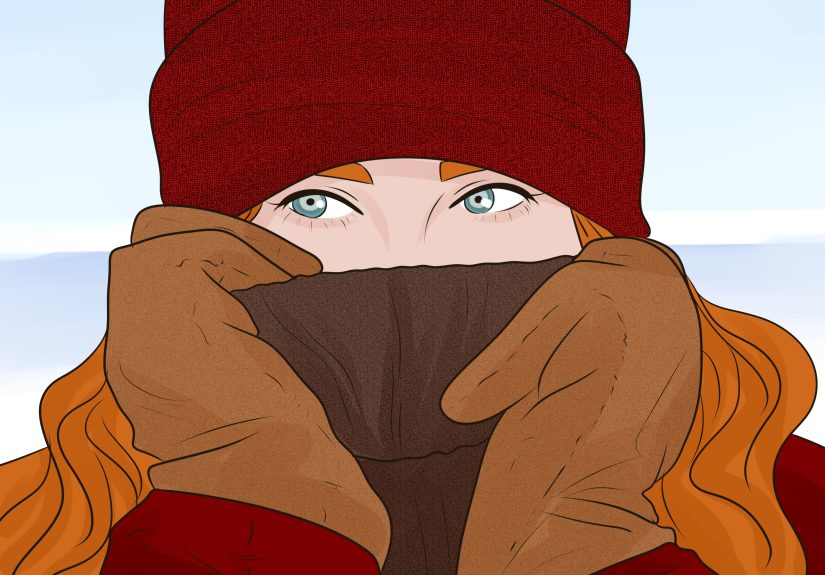
The most direct way to keep your nose warm is also the most obvious: cover it. A soft scarf, fleece neck gaiter, winter face mask, or balaclava creates a barrier between your nose and cold air. This barrier traps some of your body heat and blocks wind from hitting the skin directly.
For casual cold-weather use, a scarf wrapped over the lower half of the face works well. Pull it high enough to cover the nose, but not so tight that breathing becomes difficult. For active use, such as running, skiing, cycling, or hiking, a neck gaiter or hinged balaclava is usually more convenient because it stays in place and can be pulled up or down quickly.
Look for breathable fabrics that provide warmth without becoming soggy immediately. Fleece is warm and soft, merino wool is naturally warm even when slightly damp, and synthetic performance fabrics can help move moisture away from your skin. Avoid wrapping your face with anything so thick that it traps too much condensation. A face covering that turns wet and icy is not a winter accessory; it is a tiny refrigerator with ambition.
2. Choose Wind-Resistant Materials for Bitter Days
A regular scarf may be enough on a calm 35-degree afternoon, but it may fail miserably when the wind starts acting like it has a personal grudge. Wind-resistant face coverings are useful when the weather is freezing, gusty, or both.
A good cold-weather face covering should protect the bridge and tip of your nose while still allowing airflow. Outdoor brands often make balaclavas, ski masks, and neck gaiters with wind-resistant panels across the face. These designs are especially helpful for skiing, snowboarding, snowmobiling, winter cycling, or long walks in open areas where wind exposure is constant.
Fit matters. If the face covering is too loose, wind sneaks in around the sides. If it is too tight, it may press uncomfortably on your nose or make breathing feel restricted. A flexible piece with adjustable coverage is often best because you can pull it up over your nose during wind gusts and lower it when you warm up.
3. Wear a Hat That Helps Protect Your Face
Keeping your nose warm is not only about the nose. Your body works as a connected heating system. If your head, ears, neck, and chest are poorly covered, your body loses heat faster, and your nose may feel colder as circulation adjusts to protect your core.
Wear a winter hat that covers your ears, or use a hood with a hat underneath when conditions are harsh. A hood creates a pocket of calmer air around your face, reducing wind exposure. Pairing a hat with a neck gaiter creates a warm “frame” around the face, leaving less skin exposed.
This is especially useful for people who feel nose-cold even when the temperature is not extreme. Sometimes the issue is not the nose alone; it is overall heat loss. Cover the larger heat-loss areas, and the nose often stops behaving like an ice cube auditioning for a beverage commercial.
4. Keep Your Face Covering Dry
Moisture is one of the biggest reasons a nose gets cold outdoors. When you breathe into a scarf or gaiter, warm air from your mouth and nose meets cold fabric. Condensation forms. Over time, that fabric can become damp, chilly, and uncomfortable. In very cold weather, it may even freeze.
To avoid this, choose moisture-wicking materials when you will be active. If you are exercising, use a breathable face covering designed for movement rather than a thick cotton scarf. Cotton absorbs moisture and dries slowly, which can make your face colder. Wool and synthetic fabrics are usually better choices for winter conditions.
For long outings, carry a spare gaiter, mask, or scarf in a plastic bag. Switching to a dry face covering can make a surprisingly big difference. This is especially helpful for skiing, hiking, working outside, or spending several hours at a winter event. A dry nose is a warmer nose.
5. Use Short Indoor Warm-Up Breaks
If your nose feels painfully cold, numb, waxy, or unusually firm, do not try to “tough it out.” Go indoors or get into a warmer sheltered area. Short warm-up breaks are one of the simplest and safest ways to prevent cold exposure from becoming a bigger problem.
For routine cold discomfort, step inside a building, car, store, warming hut, or enclosed transit stop. Remove wet face coverings and let your skin warm gradually. Drink a warm, nonalcoholic beverage if available. Hot tea, cocoa, soup, or warm water can help you feel more comfortable overall.
Avoid blasting your nose with direct high heat from a heater, fireplace, stove, or heat lamp. If skin is numb, you may not accurately feel heat and could burn yourself. Gentle warming is the goal. Winter safety is not a contest, and nobody wins a trophy for pretending their nose is not sending distress signals.
6. Try a Warm Compress After Coming Indoors
A warm compress can help your nose feel comfortable again after mild cold exposure. Use warmnot hotwater. Soak a clean cloth, wring it out, and place it gently over the nose and surrounding area. The warmth should feel soothing, not sharp or burning.
This method is helpful when your nose is simply cold, red, or irritated from chilly air. It can also provide comfort if cold air has made your nasal passages feel dry or tight. However, if your nose is numb, pale, grayish, waxy, blistered, or severely painful, treat that as a warning sign and seek medical guidance. Frostbite requires caution, and serious symptoms should not be handled like a spa day.
Never rub or massage skin that may be frostbitten. Rubbing can damage cold-injured tissue. Warm slowly, protect the area, and get medical help when symptoms are concerning or do not improve.
7. Warm Your Whole Body, Not Just Your Nose
If your core temperature drops, your body naturally prioritizes vital organs. That can leave the nose, ears, fingers, and toes feeling colder. Dressing in layers helps maintain body heat and keeps your nose warmer indirectly.
Start with a moisture-wicking base layer, add an insulating middle layer such as fleece or wool, and finish with a windproof or water-resistant outer layer when needed. Choose mittens instead of gloves in very cold conditions because fingers share warmth better together. Wear warm socks and insulated footwear. Keep your neck covered, because a warm neck helps the entire face feel more comfortable.
The key is balance. Too few layers lead to cold exposure, but too many layers during activity can cause sweating. Sweat cools quickly when you slow down. Adjust layers as your activity changes. Open a zipper, remove a hat briefly, or lower a gaiter when you are overheating, then cover up again before you chill.
8. Know the Warning Signs of Frostnip and Frostbite
A cold nose is usually just uncomfortable. But in freezing, windy, or wet weather, cold exposure can become risky. Early cold injury may cause tingling, stinging, redness, or numbness. Frostbite may cause skin to look pale, white, grayish-yellow, blue-gray, or waxy, depending on skin tone and severity. The skin may feel firm, numb, or unusually hard.
Take symptoms seriously. If your nose becomes numb or changes color, cover it, get out of the cold, and warm it gently. Seek medical care if numbness does not go away, if skin looks waxy or blistered, if pain is severe, or if you suspect frostbite. Also watch for signs of hypothermia, including intense shivering, confusion, drowsiness, slurred speech, clumsiness, or unusually slow breathing. Hypothermia is an emergency.
Prevention is much easier than treatment. Check the weather forecast, pay attention to wind chill, cover exposed skin, and limit time outside during extreme cold. Your nose may be small, but it deserves a full safety committee.
Best Items for Keeping Your Nose Warm
Balaclava
A balaclava covers the head, neck, mouth, and nose, making it one of the best options for severe cold. Choose a breathable design with adjustable face coverage. It works well for skiing, winter hiking, snow blowing, shoveling, and long outdoor work shifts.
Neck Gaiter
A neck gaiter is versatile and easy to carry. Pull it up over your nose when the wind picks up, then lower it when you are indoors or warming up. Fleece gaiters are cozy, while merino or synthetic gaiters are better for active use.
Scarf
A scarf is simple, affordable, and effective for everyday errands. Wrap it around your neck and lower face, leaving enough space to breathe comfortably. For best results, use wool, fleece, or a winter-weight synthetic blend rather than thin cotton.
Winter Face Mask
A winter face mask is useful for runners, cyclists, and commuters. Look for one that covers the nose securely but does not trap too much moisture. Some masks include vents or shaped panels to reduce fogging on glasses.
Hooded Jacket
A hood blocks wind around the face and helps keep warm air near the nose. A jacket with an adjustable hood can make a big difference on windy days, especially when combined with a hat and gaiter.
Common Mistakes That Make Your Nose Colder
One common mistake is relying on a thin fashion scarf in serious winter weather. It may look elegant, but if wind cuts through it, your nose will know the truth. Another mistake is wearing cotton over the mouth and nose during long outdoor activity. Cotton gets damp and stays damp, which can make your face colder.
People also forget to cover the nose until it already hurts. Put your face covering on before you feel frozen. Prevention works better than rescue. Finally, avoid overheating during exercise. If you sweat heavily into your face covering, the moisture can cool against your skin when you slow down.
How to Keep Your Nose Warm While Wearing Glasses
Glasses add one annoying winter problem: fog. Warm breath escapes upward from a scarf or mask and condenses on cold lenses. To reduce fogging, use a face covering with a snug but comfortable nose bridge. Position the top edge under the lower rim of your glasses if possible. Some people find that a gaiter pulled slightly lower on the bridge of the nose helps direct breath downward.
Anti-fog lens wipes may help, especially for commuters and outdoor workers. You can also try adjusting your scarf so it covers the tip and sides of the nose without sealing warm breath directly under your glasses. It takes experimentation, but once you find the right setup, winter becomes much less blurry.
How to Keep a Child’s Nose Warm
Children may not notice or report cold injury quickly, especially when they are busy playing. Dress them before they go outside with a hat, neck warmer, mittens, and a face covering that fits safely and comfortably. Avoid long scarves that could catch during play. A neck gaiter or child-sized balaclava is often easier and safer.
Check their cheeks, nose, ears, fingers, and toes regularly during very cold weather. Bring them inside for warm-up breaks, swap wet items for dry ones, and watch for complaints of tingling, burning, or numbness. If a child’s nose looks unusually pale, gray, waxy, or does not warm up normally, seek medical advice.
How to Keep Your Nose Warm While Exercising Outdoors
Outdoor exercise in winter requires a balance between warmth and breathability. If you dress too heavily, you sweat. If you dress too lightly, your nose and face freeze. Start slightly cool because your body will warm as you move. Use a lightweight neck gaiter or breathable face mask that can be adjusted quickly.
For running, choose a moisture-wicking gaiter rather than a heavy scarf. For cycling, prioritize wind protection because your speed increases wind chill. For skiing or snowboarding, use a balaclava or face mask designed to fit under a helmet. Always carry a dry backup if you will be outside for a long time.
Extra Experience Notes: What Actually Works in Real Life
The first lesson many people learn about keeping the nose warm is that the perfect solution depends on the activity. A thick scarf may be wonderful for a slow walk to the coffee shop, but it can become damp and annoying during a brisk uphill hike. A lightweight gaiter may feel too thin while standing still at a winter parade, but it may be perfect when jogging. The trick is not to find one magical item for every situation. The trick is to match the covering to the cold, the wind, and how much you will move.
For everyday errands, the most comfortable setup is often a soft fleece neck gaiter plus a warm hat. The gaiter can stay around the neck indoors and slide up over the nose outside. This is practical when moving between a parking lot, grocery store, office, school, or train station. It also avoids the loose ends of a scarf, which can be annoying when carrying bags or dealing with car keys in gloves.
For long outdoor chores like shoveling snow, scraping ice, walking a dog, or clearing a driveway, dryness becomes the main challenge. At first, almost any face covering feels warm. After twenty minutes of breathing, bending, and sweating, the fabric near the nose may get damp. That damp patch is where comfort disappears. Keeping a second dry gaiter in a coat pocket can feel like a luxury upgrade, even if it costs very little. Swap halfway through, and your nose gets a fresh warm shield instead of a cold wet blanket.
For people who wear glasses, the best experience usually comes from a shaped mask or a gaiter that can be adjusted around the nose. Fogging is not just irritating; it can become unsafe when walking on ice, driving, cycling, or skiing. A snug upper edge, anti-fog wipes, and a little trial-and-error with how the glasses sit can make a major difference. The goal is to direct breath through the fabric or downward instead of straight up into the lenses.
For very cold weather, especially when wind chill is severe, a balaclava is hard to beat. It may not win fashion week, but it does win the “my face still works” award. A hinged balaclava is especially useful because it lets you pull the face panel down when you step indoors or begin to overheat. That adjustability matters because winter comfort changes minute by minute. Standing at a bus stop feels different from walking uphill. Walking with the wind behind you feels different from turning a corner and getting blasted in the face.
Another practical lesson is that keeping the nose warm starts before going outside. Put on the face covering indoors while your skin is still warm. If you wait until your nose is already numb, you are playing catch-up. Also, cover your neck and ears. Many people focus only on the nose, but the whole face feels warmer when the surrounding areas are protected.
Finally, listen to your body. A cold nose is common. A numb, waxy, painfully cold, or oddly colored nose is not something to ignore. Winter can be beautiful, refreshing, and fun, but it is not impressed by stubbornness. Cover up early, stay dry, take warm-up breaks, and treat your nose like the important breathing-and-smelling equipment it is.
Conclusion
Keeping your nose warm in cold weather is simple when you combine direct coverage, wind protection, dry materials, smart layering, and regular warm-up breaks. A scarf, neck gaiter, face mask, balaclava, or hood can all work well depending on the temperature and activity. The best choice is the one that keeps your nose covered without making breathing difficult or trapping too much moisture.
Remember the basic winter rule: cover exposed skin before it becomes painfully cold. Pay attention to wind chill, keep your gear dry, and know the signs of frostnip and frostbite. Your nose may be small, but in cold weather it is often the first part of your face to complain. Listen to it. A warm nose makes winter walks, outdoor chores, sports, and daily commutes much more pleasantand far less dramatic.