Table of Contents >> Show >> Hide
- How the Pandemic Changed Credit Card Behavior
- Credit Card Rewards Became More Practical
- Contactless Payments Finally Had Their Big Moment
- Credit Card Apps Got Better Because They Had To
- Online Shopping Protections Became More Valuable
- Hardship Programs Became More Visible
- The Pandemic Also Made Credit Cards More Competitive
- The Catch: Credit Cards Are Better, But Debt Is Still Expensive
- How to Choose a Better Post-Pandemic Credit Card
- Why the Pandemic May Have Made Credit Cards Better
- Experience-Based Reflections: What Using Credit Cards After the Pandemic Feels Like
- Conclusion
Credit cards did not exactly enter the pandemic wearing a superhero cape. Before 2020, many cards were built around the same familiar promises: airport lounge access, bonus miles, hotel upgrades, restaurant rewards, and the occasional metal-card “thunk” that made people at dinner look over for half a second. Then the world changed. Travel paused, restaurant spending wobbled, online shopping exploded, grocery delivery became a household verb, and nobody wanted to touch a payment terminal that looked like it had survived twelve flu seasons.
Strangely enough, that disruption may have made credit cards better. Not perfect. Not magically interest-free. Not “go buy a kayak at midnight because points.” But better in practical ways. The pandemic forced card issuers to rethink what consumers actually needed: flexible rewards, contactless payments, better apps, clearer cash-back value, faster fraud alerts, online shopping protections, and more hardship options for people whose income had taken an unexpected nosedive.
In other words, credit cards had to stop acting like they lived exclusively in airport lounges and start acting like they lived in kitchens, home offices, grocery aisles, streaming accounts, and delivery apps. That shift reshaped the credit card industry, and many of those changes are still with us.
How the Pandemic Changed Credit Card Behavior
Before the pandemic, credit card rewards were often built around movement: flying, commuting, dining out, staying in hotels, and shopping in stores. Then millions of Americans suddenly moved much less. Spending did not disappear, but it changed location. Purchases shifted toward online retail, supermarkets, home improvement, food delivery, streaming, gas, pharmacies, and household essentials.
That created a problem for card issuers. A premium travel card is much harder to justify when the most exotic trip on the calendar is from the couch to the fridge. To keep cardholders engaged, issuers began adding temporary bonus categories and statement credits tied to real-life pandemic spending. Grocery bonuses, food delivery credits, streaming credits, online shopping offers, and flexible travel-credit rules became more common.
This mattered because it changed the consumer expectation. Cardholders learned to ask a sharper question: “Does this card reward the life I actually live?” That question did not disappear when travel returned. Today, many people still prefer cards that offer practical value on groceries, gas, dining, online retail, mobile wallets, and bills. The best credit cards are no longer just shiny travel trophies. They are everyday financial tools.
Credit Card Rewards Became More Practical
One of the clearest ways the pandemic improved credit cards was by dragging rewards back down to earth. For years, travel rewards got most of the spotlight. Points and miles can be valuable, but they can also feel like a part-time job with airport carpeting. During the pandemic, many consumers wanted simpler rewards: cash back, statement credits, grocery bonuses, and benefits they could use without decoding an airline award chart.
Grocery, Delivery, and Streaming Perks Took Center Stage
When Americans were cooking more meals at home and ordering more deliveries, credit card issuers followed the money. Several cards added or promoted bonus rewards for supermarkets, Instacart, takeout, food delivery, streaming services, gas stations, and drugstores. These were not glamorous categories, but they were useful. A 5x grocery bonus during lockdowns was more relevant than airport lounge access when the airport lounge was about as useful as a snow cone machine in January.
The bigger impact was psychological. Cardholders began expecting rewards programs to adapt. A good card was no longer defined only by a giant welcome bonus or a luxurious travel perk. It also had to make sense for everyday spending. This helped cash-back cards gain more attention, especially among consumers who wanted value they could understand quickly.
Cash Back Became the Comfort Food of Rewards
Cash back is not mysterious. You spend, you earn, you redeem. There are no blackout dates, no transfer partners, no “this redemption is worth 1.7 cents per point if the moon is in a cooperative mood.” During uncertain times, that simplicity became a strength.
Many consumers began favoring cards that offered straightforward rewards with no annual fee or lower annual fees. This was especially true as inflation and high interest rates made people more cautious. A premium card can still be worth it for the right user, but the pandemic reminded consumers that value should be usable, not theoretical.
Contactless Payments Finally Had Their Big Moment
Contactless credit cards existed before COVID-19, but in the United States, adoption was slower than in many other markets. Plenty of people had tap-to-pay cards without realizing it. Others treated mobile wallets like a neat trick they might try “someday.” Then the pandemic gave “someday” a shove.
Suddenly, tapping a card or phone felt faster, cleaner, and more convenient than inserting a chip, punching buttons, or handling cash. Grocery stores, pharmacies, restaurants, and coffee shops leaned harder into contactless checkout. Consumers who had once been skeptical discovered that tapping to pay was not complicated. It was, in fact, delightfully boringand that is exactly what good payment technology should be.
This may be one of the pandemic’s most lasting credit card improvements. Contactless payments save time, reduce friction, and pair naturally with digital wallets. They also make credit cards feel more modern. A card that can be added to a phone, used instantly in apps, tapped at checkout, and monitored through real-time alerts is a much stronger product than the old “piece of plastic plus monthly paper statement” model.
Credit Card Apps Got Better Because They Had To
Another major improvement came from digital account management. During lockdowns, consumers were not walking into branches to ask basic questions. They were checking balances, disputing transactions, redeeming rewards, requesting help, locking cards, replacing cards, and monitoring fraud from their phones.
Card issuers had to make apps and websites more useful. The best credit card apps now offer instant purchase notifications, card lock and unlock tools, virtual card numbers, reward dashboards, autopay controls, spending insights, digital statements, fraud alerts, and chat support. Some apps still have the personality of a filing cabinet, but the overall direction is clear: credit cards are becoming digital-first products.
Real-Time Alerts Became a Consumer Safety Net
Real-time alerts are one of the most underrated credit card improvements. A push notification that appears seconds after a purchase can help consumers catch fraud quickly, track spending, and avoid budget surprises. It also creates a stronger sense of control. Instead of discovering a questionable charge weeks later, cardholders can respond almost immediately.
That matters because online shopping also increased fraud exposure. More digital transactions meant more opportunities for stolen card numbers, fake merchants, subscription traps, and account takeover attempts. Better alerts, stronger authentication, virtual card numbers, and easier card replacement features became more important.
Online Shopping Protections Became More Valuable
The pandemic turned many households into mini logistics centers. Packages arrived, returns piled up, and doorsteps became unofficial loading docks. As consumers bought more online, credit card protections became more relevant.
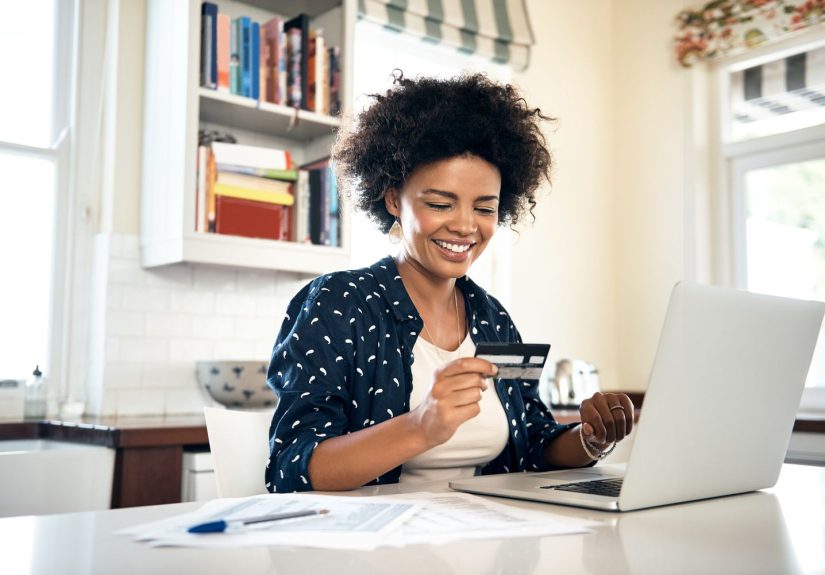
Many credit cards offer advantages over debit cards for online shopping. These can include zero-liability fraud policies, chargeback rights, extended warranty benefits, purchase protection, return protection, and easier dispute processes. Benefits vary by card, so cardholders still need to read the terms. However, the core idea became clearer during the pandemic: using a credit card online can create a buffer between the merchant and your bank account.
That buffer is important. If a debit card is compromised, money can leave your checking account immediately. If a credit card is compromised, the charge is usually a claim against your credit line while the dispute is investigated. For many consumers, that distinction became more meaningful as online spending grew.
Hardship Programs Became More Visible
Credit card hardship programs existed before the pandemic, but COVID-19 made them much more visible. Millions of consumers faced job loss, reduced hours, medical costs, childcare disruption, and general financial uncertainty. In response, many issuers encouraged affected customers to call and ask about payment deferrals, waived fees, reduced interest, or temporary assistance.
Not every program was generous, and not every consumer had a smooth experience. Still, the pandemic made one lesson louder: if you cannot pay, contact the issuer before the account becomes seriously delinquent. Silence is not a strategy; it is just stress wearing a fake mustache.
The long-term benefit is that consumers are more aware that help may exist. Some issuers now present hardship information more clearly online. Nonprofit credit counseling also gained visibility as a resource for people juggling high-interest debt. That does not make credit card debt harmless, but it does make the support system easier to find than it once was.
The Pandemic Also Made Credit Cards More Competitive
Credit cards did not improve out of pure kindness. Competition played a huge role. Digital wallets, buy now pay later services, debit cards, fintech apps, and pay-by-bank options all pushed traditional card issuers to modernize. If a consumer can split a purchase, pay from a phone, earn merchant-specific offers, or move money instantly, credit cards have to work harder to stay relevant.
That pressure encouraged more flexible benefits. Some cards added broader bonus categories. Others improved redemption options. Many leaned into merchant offers, app-based coupons, and limited-time credits. The result is a market where consumers can compare cards not only by annual fee and interest rate, but by how well the card fits their actual habits.
Cards Became More Personalized
One lasting change is the rise of targeted offers. Many cardholders now see deals inside issuer apps for specific merchants, streaming platforms, restaurants, hotels, rideshare services, and online retailers. These offers can be useful if they match purchases you already planned to make. The trick is not to let a $10 credit convince you to spend $90 on something that was never on your list. That is not savings; that is marketing wearing a party hat.
The Catch: Credit Cards Are Better, But Debt Is Still Expensive
Now for the part where the confetti cannon pauses. Credit cards may have become better tools, but they are still dangerous when used as long-term borrowing. High APRs can erase rewards quickly. A card earning 3% back does not help much if you are carrying a balance at more than 20% interest. That math is not a debate; it is a tiny financial bear trap.
Post-pandemic, many Americans have dealt with inflation, higher interest rates, and rising balances. That means the “better credit card” story has two sides. Cards are more useful for people who pay in full, track spending, and choose benefits wisely. They are more expensive for people who rely on them to cover income gaps month after month.
The smartest approach is to treat credit cards as payment tools first and borrowing tools only in emergencies. Use autopay when possible. Set balance alerts. Keep utilization low. Redeem rewards before they lose value. Avoid annual fees unless the benefits clearly outweigh the cost. And if debt is already building, focus on repayment before chasing points.
How to Choose a Better Post-Pandemic Credit Card
The best credit card after the pandemic is not necessarily the one with the loudest advertisement. It is the one that matches your spending, your travel habits, your tolerance for complexity, and your ability to pay in full.
Look at Your Real Spending
Review three months of spending before applying for a new card. If groceries, gas, dining, streaming, and online shopping dominate your budget, choose a card that rewards those categories. If you travel often, a travel rewards card may still make sense. If your spending is spread across many categories, a flat-rate cash-back card may be the easiest win.
Do the Annual Fee Math
An annual fee is not automatically bad. It is only bad when the benefits are hard to use. A $95 card that saves you $300 a year is doing its job. A $695 card that gives you “value” in credits you forget to activate is a very expensive rectangle.
Prioritize Protections and Digital Tools
Rewards are fun, but protections matter. Look for strong fraud monitoring, easy card lock features, virtual card numbers, purchase protections, travel insurance if you travel, and a mobile app you can actually tolerate. A great rewards chart paired with a terrible app can make everyday use more annoying than it needs to be.
Why the Pandemic May Have Made Credit Cards Better
The pandemic forced the credit card industry to become more consumer-centered. Issuers could no longer assume that travel perks alone would keep people loyal. They had to reward homebound spending, support digital payments, improve mobile servicing, and respond to financial hardship. Many of those changes are now part of the new credit card landscape.
Better rewards flexibility, more contactless acceptance, stronger apps, real-time alerts, practical cash-back options, and more visible hardship resources all make credit cards more useful than they were before. Consumers also became more aware and selective. They learned to compare benefits, question annual fees, and value simplicity.
Credit cards did not become perfect. They did become more adaptable. And in personal finance, adaptability is a big deal. A card that adjusts to real life is better than a card that only shines in a brochure.
Experience-Based Reflections: What Using Credit Cards After the Pandemic Feels Like
One of the biggest everyday changes is how normal contactless payment now feels. Before the pandemic, tapping a card sometimes felt like trying a futuristic trick at checkout. Would it work? Would the cashier stare? Would the terminal beep in approval or make that judgmental error noise? Today, tapping a credit card or phone is ordinary. It is fast, quiet, and almost boringwhich is exactly why it works.
Another experience many cardholders can relate to is the reward-category reset. During the travel-heavy years, people often picked cards because they dreamed of flights, hotels, and lounge snacks. The pandemic made many households look at their actual spending instead of their fantasy spending. Groceries mattered. Gas mattered. Streaming mattered. Food delivery mattered. Drugstore runs mattered. For plenty of people, the best card became the one that helped with weekly life, not once-a-year vacation planning.
There is also a new habit of checking card apps more often. Purchase alerts make spending feel more visible. You buy coffee, and your phone knows before you have taken the first sip. That can be annoying, but it can also be helpful. Real-time notifications make it easier to spot fraud, notice subscriptions, and catch accidental double charges. The monthly statement is no longer the first time you learn what happened. The app becomes a small financial dashboard in your pocket.
Online shopping also changed the way people think about card safety. Many consumers became more comfortable using credit cards for internet purchases because the dispute process and fraud protections felt more reassuring than exposing a checking account through a debit card. When ordering from a new store, booking a trip, or paying for a subscription, a credit card can feel like a protective layer. It is not armor made of diamonds, but it is better than handing over direct access to your cash.
At the same time, the post-pandemic credit card experience comes with a warning label. It is easier than ever to spend. One-click checkout, stored cards, mobile wallets, and delivery apps can turn convenience into autopilot. The better credit cards become, the more discipline they require. A card that rewards groceries is useful; a card that encourages unnecessary spending is not. The same tool can be helpful or harmful depending on how it is used.
The most practical lesson is simple: credit cards improved most for people who use them intentionally. Choose rewards that match your life. Pay the balance in full when possible. Turn on alerts. Use digital wallets for convenience, but keep a budget so convenience does not become chaos. Redeem rewards regularly. Review annual fees every year. Ask for help early if payments become difficult.
In that sense, the pandemic did not just make credit cards better. It made consumers better at judging them. People became more skeptical of flashy perks and more interested in practical value. That may be the most important upgrade of all.
Conclusion
The pandemic may have made credit cards better by forcing issuers to modernize faster than they otherwise would have. Rewards became more practical. Contactless payments became mainstream. Mobile apps became more important. Online protections became more valuable. Hardship programs became easier to discuss. Consumers learned to demand more useful benefits and fewer decorative perks.
The best post-pandemic credit cards are not just about points, miles, or prestige. They are about flexibility, security, simplicity, and everyday usefulness. But the golden rule remains unchanged: rewards are only rewarding when interest does not eat them alive. Use credit cards with a plan, and the pandemic-era improvements can work in your favor. Use them without a plan, and even the best card can become an expensive little troublemaker.