Table of Contents >> Show >> Hide
- Why “Good Boy” Hit Readers So Hard
- The Sequel: A Black Cat, A Bigger Message, And A Fresh Box Of Tissues
- Jenny Jinya’s Secret Weapon: Compassion Without Preaching
- The Real-World Issues Behind The Comic
- Why People Shared The Sequel Everywhere
- The Art Style: Simple Lines, Heavy Feelings
- What The Sequel Teaches About Empathy
- How Readers Can Turn Tears Into Something Useful
- Related Experience: Why Stories Like “Good Boy” Stay With Us
- Conclusion
Some comics make readers laugh. Some make readers think. And then there are comics like “Good Boy” and its emotional companion storiesthe kind that sneak into your heart, unpack a tiny suitcase, and start rearranging the furniture. Artist Jenny Jinya’s animal-centered comics became widely shared because they do something deceptively simple: they give a voice to animals whose stories are often ignored.
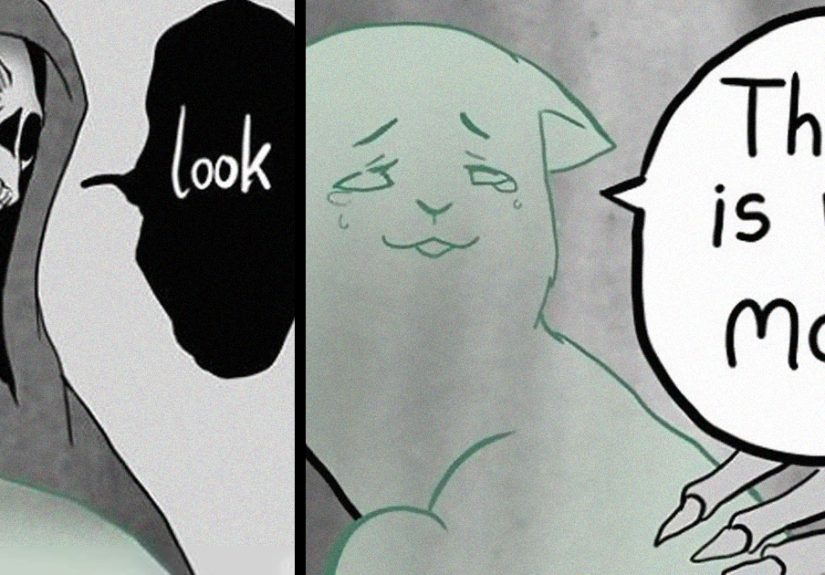
The sequel connected to the “Good Boy” universe, especially the heartbreaking Black Cat follow-up, reminded readers that a few illustrated panels can carry more emotional weight than a three-hour movie with a violin budget. It is tender, painful, hopeful, and, yes, very capable of making grown adults suddenly “need to check something in the other room” while wiping their eyes.
Why “Good Boy” Hit Readers So Hard
“Good Boy” resonated because it transformed a familiar fearlosing a beloved petinto a story about comfort rather than terror. Instead of presenting death as cold or cruel, Jenny Jinya’s work often portrays the Reaper as gentle, patient, and compassionate. That creative choice is powerful. For many pet owners, the idea that an animal might not be alone at the end is deeply reassuring.
The comic’s emotional force does not come from shock value. It comes from recognition. Anyone who has ever loved a dog, cat, rabbit, bird, or any little creature with a talent for stealing blankets understands the ache behind the story. Pets become part of our routines: the paw taps, the dramatic sighs, the suspicious staring when snacks are opened. When they are gone, the silence feels enormous.
A small story with a huge emotional engine
The brilliance of “Good Boy” is that it keeps the storytelling clean. There are no unnecessary explanations, no long speeches, and no melodrama doing cartwheels in the background. The panels move with quiet purpose, letting readers fill in the emotional gaps with their own memories. That is why the comic feels personal even if the animal in the story is not yours.
The Sequel: A Black Cat, A Bigger Message, And A Fresh Box Of Tissues
The sequel associated with this wave of emotional comics turns attention toward a black cat, a figure unfairly wrapped in superstition. In Western culture, black cats have often been linked with bad luck, darkness, Halloween imagery, and old myths that refuse to retire gracefully. Jenny Jinya flips that idea on its head by focusing not on superstition, but on loneliness, misunderstanding, and the simple need to be loved.
The black cat story became especially memorable because it asks a painful question: what happens when an animal is overlooked for reasons that have nothing to do with who they are? The answer is uncomfortable. A cat’s fur color should not decide whether it gets affection, safety, or a home. Yet myths can shape behavior, and behavior can shape lives.
Why the black cat sequel feels so personal
Readers reacted strongly because the comic is not only about cats. It is about every being that has been judged before being known. The black cat becomes a symbol for quiet rejectionthe kind that happens not with a dramatic villain laugh, but with a shrug, a superstition, or a thoughtless “not that one.” That is devastating because it feels real.
And then Jenny Jinya does what she does best: she gives the animal dignity. The cat is not a prop. The cat is not a spooky decoration. The cat is a character with feelings, a story, and a presence that deserves to matter. That shift is what turns a sad comic into a meaningful one.
Jenny Jinya’s Secret Weapon: Compassion Without Preaching
Animal welfare messages can easily become overwhelming. Statistics are important, but most people do not carry a spreadsheet in their heart. Jenny Jinya understands that stories can reach places numbers cannot. Her comics do not wag a finger at readers. They sit beside them, hand them an emotional sandwich, and quietly say, “Look closer.”
That approach matters. When readers feel accused, they often defend themselves. When they feel moved, they reflect. The “Good Boy” sequel works because it makes the issue intimate. It does not ask readers to solve every animal welfare problem in one heroic Tuesday afternoon. It asks them to careand sometimes caring is the first step toward action.
The Loving Reaper is sad, but not hopeless
The recurring Reaper figure in Jenny Jinya’s work is not a monster. He is a witness. He comforts animals who have been abandoned, ignored, mistreated, or misunderstood. That artistic decision changes the entire emotional temperature of the comics. The stories are heartbreaking, but they are not empty. There is kindness at the center, even when the world around the animal has failed.
This is why readers keep coming back even though they know they may cry. The comics are sad in the way a candle is sad in a dark room: the darkness is still there, but so is the light.
The Real-World Issues Behind The Comic
The sequel connects to real conversations about pet adoption, animal abandonment, shelter overcrowding, and the harmful myths that still surround certain animals. In the United States, millions of dogs and cats pass through shelters every year. Many find homes, but shelters continue to face capacity pressures, staffing challenges, medical needs, and difficult outcomes for animals who stay too long.
Black cats, in particular, often become part of seasonal discussions around Halloween. Some shelters and advocates have worked to debunk myths about black cats being in special danger during the holiday, while others focus on improving adoption counseling and helping people see black cats as affectionate, playful companions rather than symbols from a dusty superstition closet.
Why myths still matter
It may seem silly to think an old superstition could affect a modern adoption decision. After all, we live in an age where people can order groceries from a phone and still somehow lose that phone while holding it. But myths linger because culture is sticky. If a black cat has been framed for centuries as unlucky, spooky, or suspicious, some people absorb that idea without questioning it.
The comic challenges that habit. It gently insists that animals should be seen as individuals. A black cat is not a bad omen. It is a cat. It may be shy, bold, goofy, clingy, dignified, or the type to knock a glass off the table while maintaining eye contact. In other words, perfectly cat.
Why People Shared The Sequel Everywhere
Emotional comics spread quickly because they are easy to understand and hard to forget. A reader can absorb the story in minutes, but the feeling lingers much longer. That makes the sequel highly shareablenot because people enjoy being emotionally ambushed, but because they want others to feel the same compassion.
There is also something communal about crying over animal comics online. One person posts, “I’m sobbing,” and another replies, “Same,” and suddenly a comment section becomes a tiny support group with Wi-Fi. The shared reaction turns private grief into public empathy.
The internet loves animalsand emotional whiplash
The internet is full of animal content: dogs wearing pajamas, cats sitting in boxes two sizes too small, parrots dancing like they just got promoted. Jenny Jinya’s comics stand out because they use that love for a deeper purpose. They remind readers that animals are not just cute content. They are living beings with needs, fears, and bonds.
That combinationadorable subject, devastating message, compassionate endingis basically emotional whiplash with a moral compass. It hurts, but it points somewhere useful.
The Art Style: Simple Lines, Heavy Feelings
Jenny Jinya’s art is clean and expressive. The characters do not need hyper-realistic detail to feel alive. A slight posture change, a small look, or a quiet pause can communicate fear, trust, confusion, or relief. That simplicity is one reason the comics work so well on social platforms. Readers do not need a deep background in comic theory to understand what is happening.
The pacing is also essential. The panels often create a slow emotional reveal. Readers begin with curiosity, then concern, then dread, then tenderness. By the final moment, the story has done its work. The tears are not forced; they are earned.
Why restraint makes the story stronger
Some emotional stories push too hard. They add dramatic dialogue, thunderclouds, and metaphorical violins playing at full volume. Jenny Jinya’s comics usually avoid that. The restraint makes the sad moments feel more honest. The art trusts readers to feel without being instructed to feel.
That is a rare skill. It is the difference between someone shouting “This is sad!” and someone quietly placing a familiar collar in your hands.
What The Sequel Teaches About Empathy
The biggest lesson of the “Good Boy” sequel is not simply “adopt black cats,” though that is certainly a fine idea if you are ready for a pet. The deeper lesson is to examine the stories we attach to living beings. Do we see the animal in front of us, or do we see a stereotype? Do we make decisions based on compassion, or convenience? Do we dismiss suffering because it is common?
Empathy is not always grand. Sometimes it looks like choosing adoption thoughtfully. Sometimes it means donating supplies to a local shelter. Sometimes it means teaching a child that black cats are not unlucky. Sometimes it means giving an older pet a chance, even if younger animals get more attention. And sometimes it means letting a comic break your heart just enough to make room for action.
How Readers Can Turn Tears Into Something Useful
Crying over a comic is not a weakness. It is proof that the story reached you. But the best response is to let that feeling become practical. Readers moved by Jenny Jinya’s work can support animal welfare in realistic ways:
- Adopt from shelters or rescue groups when ready for a lifelong commitment.
- Foster animals if adoption is not currently possible.
- Share adoptable pets online, especially those who are older, shy, black-coated, or overlooked.
- Donate food, blankets, toys, or funds to reputable shelters.
- Challenge myths about black cats and other misunderstood animals.
- Spay and neuter pets to help reduce overpopulation.
None of these actions requires becoming a superhero. Capes are optional and, frankly, most cats would attack them. Small, consistent choices can still change an animal’s life.
Related Experience: Why Stories Like “Good Boy” Stay With Us
Anyone who has lived with a pet knows that animals have a strange way of becoming the emotional managers of a household. A dog may not understand taxes, deadlines, or why humans insist on using vacuum cleaners, but it knows when someone is sad. A cat may act like it has a full-time job ignoring you, then suddenly appear beside you during the worst day of your week. That kind of companionship is hard to explain until you have experienced it.
That is why a comic like “Good Boy” can feel less like fiction and more like a memory. It brings back the first pet who slept at the foot of the bed. The dog who waited by the door. The cat who pretended not to love you while slowly taking over your pillow. The rabbit, bird, guinea pig, or senior rescue who turned ordinary days into something warmer.
The sequel about the black cat adds another layer because many people have seen what it means for an animal to be overlooked. Walk into a shelter, and it is easy to notice the loudest puppies or the kittens tumbling around like tiny professional wrestlers. But there are also quiet animals in the corners: older pets, nervous pets, black cats whose faces do not photograph easily, dogs with gray muzzles, animals waiting for someone patient enough to see them.
That experience changes how the comic lands. The story is not just sad because an animal suffers. It is sad because the suffering is preventable. A superstition can be corrected. An adoption profile can be shared. A shelter visit can include the animal everyone else walked past. A person can choose to look twice.
Many readers probably remember the moment they realized their pet trusted them. It might have been a dog falling asleep with its head on their shoe, a cat showing its belly in a rare diplomatic gesture, or a rescue animal finally stepping out from under the couch after days of suspicion. Trust from an animal feels enormous because it cannot be faked. They do not care about your job title, your follower count, or whether your houseplants are thriving. They care whether you are safe.
That is the emotional truth Jenny Jinya captures so well. Her comics understand that animals are vulnerable in a human-controlled world. They depend on us for food, shelter, kindness, and protection from our own careless myths. When we fail them, the failure is heartbreaking. When we protect them, the kindness matters more than we may ever fully know.
So yes, the sequel to “Good Boy” made people cry. But maybe that is not a bad thing. Maybe those tears are a reminder that our hearts are still working. In a noisy internet full of hot takes, outrage, and people arguing about the correct way to load a dishwasher, a quiet comic about an overlooked animal can still stop everything. It can make readers pause, feel, remember, and maybe do something kinder the next time they meet a creature waiting to be seen.
Conclusion
“There’s A Sequel To ‘Good Boy’ Comics That Made People Cry” is more than a catchy headline. It is a doorway into a body of work that uses sadness with purpose. Jenny Jinya’s sequel and related animal-awareness comics remind readers that compassion is not passive. It asks us to notice the overlooked, question old myths, and treat animals as individuals with stories of their own.
The reason these comics keep spreading is simple: they hurt beautifully. They show grief, loneliness, and cruelty, but they also offer comfort, dignity, and hope. The black cat sequel proves that a small illustrated story can challenge superstition, inspire empathy, and make readers hug their pets a little tighter. If that is not powerful storytelling, then neither is a dog staring at you with one paw on your knee until you share your sandwich.