Table of Contents >> Show >> Hide
- What Is Scalp Eczema?
- What Does Scalp Eczema Look and Feel Like?
- What Causes Scalp Eczema?
- Common Triggers That Can Make Scalp Eczema Worse
- Scalp Eczema vs. Dandruff vs. Psoriasis
- How Doctors Diagnose Scalp Eczema
- Best Treatments for Scalp Eczema
- At-Home Care Tips That Actually Help
- What About Babies With Scalp Eczema?
- When to See a Doctor
- Final Thoughts
- Experiences: What Living With Scalp Eczema Can Feel Like
If your scalp is acting like it has its own drama clubitching, flaking, stinging, and generally refusing to behaveyou may be dealing with scalp eczema. And no, this does not automatically mean your shampoo betrayed you, though sometimes your hair products do deserve a side-eye.
Scalp eczema is not a single, one-size-fits-all condition. It is a broad term people use for eczema-related inflammation on the scalp, and it can show up in a few different forms. For many people, the biggest culprit is seborrheic dermatitis, the same condition linked to dandruff. But scalp eczema can also come from atopic dermatitis or contact dermatitis triggered by irritating or allergenic hair products.
The good news is that scalp eczema is common, manageable, and very treatable with the right routine. The frustrating news is that it can be stubborn, recurring, and surprisingly good at disguising itself as dry scalp, psoriasis, or even a bad reaction to a trendy “clean beauty” product that your scalp absolutely did not ask for.
In this guide, we will break down what scalp eczema is, what causes it, the most common symptoms, how doctors diagnose it, and which treatments actually help. We will also cover practical self-care tips, when to see a dermatologist, and what living with scalp eczema can feel like in real life.
What Is Scalp Eczema?
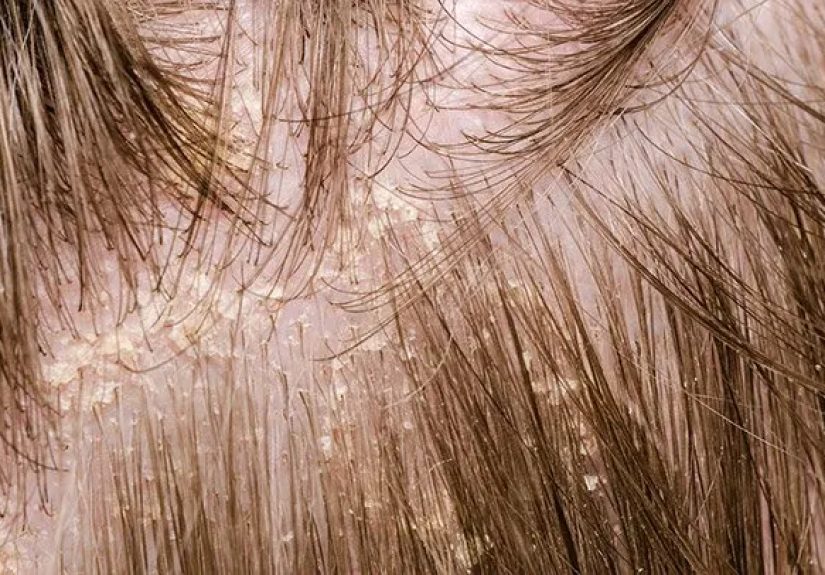
Scalp eczema is an inflammatory skin condition that affects the scalp and sometimes nearby areas such as the hairline, eyebrows, behind the ears, eyelids, beard area, and even the sides of the nose. It can cause itching, visible flakes, greasy or dry scale, irritation, and discoloration. In some people, the skin feels tight and sore. In others, it is mostly a never-ending shower of flakes on dark shirts. Very rude.
When people say “scalp eczema,” they are often talking about one of three main problems:
1. Seborrheic Dermatitis
This is the most common cause of scalp eczema. It often shows up as dandruff-like flaking, greasy patches, and itchiness on oily areas of the skin. In babies, it is commonly called cradle cap. In adults and teens, it tends to flare and calm down in cycles, like an annoying sequel nobody ordered.
2. Atopic Dermatitis
Atopic dermatitis is the classic form of eczema. It is linked to a weaker skin barrier, inflammation, and often a personal or family history of allergies, asthma, or hay fever. While it is more famous for appearing on the hands, face, elbows, and knees, it can also affect the scalp. When it does, the scalp may feel intensely itchy, dry, and sensitive.
3. Contact Dermatitis
This happens when the scalp reacts to something that touches it. Sometimes the problem is irritation. Other times it is a true allergy. Common triggers include shampoos, fragrances, preservatives, styling products, hair dye, and other chemical treatments. If your scalp decided to revolt right after a new product entered the chat, contact dermatitis deserves suspicion.
What Does Scalp Eczema Look and Feel Like?
Symptoms vary depending on the type of scalp eczema and your skin tone, hair type, and severity of inflammation. Some people get mild itch and loose flakes. Others develop dense scale, soreness, and patches that are hard to ignore.
Common Symptoms of Scalp Eczema
- Itchy scalp that may be mild, moderate, or intense
- White, yellowish, or greasy flakes on the scalp or in the hair
- Dry scale that looks like stubborn dandruff
- Redness or visible discoloration at the scalp or hairline
- Greasy, inflamed patches or crusted areas
- Burning, tenderness, or irritation
- Extension to the eyebrows, eyelids, ears, beard area, or sides of the nose
- Scalp sensitivity after washing, scratching, dyeing, or styling
In darker skin tones, scalp eczema may not always look bright red. It can appear lighter than the surrounding skin, darker than the surrounding skin, pink, or slightly purple depending on the type and severity. That is one reason self-diagnosis can be tricky.
Can scalp eczema cause hair loss? Sometimes, yesbut usually indirectly. Severe inflammation or repeated scratching can contribute to temporary shedding. In mild seborrheic dermatitis, hair loss is not considered a direct hallmark symptom. In most cases, hair grows back when the scalp calms down and the scratching stops.
What Causes Scalp Eczema?
The exact cause depends on the type of scalp eczema. There is no single universal trigger, which is probably why the condition loves confusing people.
Seborrheic Dermatitis Causes
Seborrheic dermatitis is thought to involve a mix of oil production, inflammation, changes in the skin barrier, and a reaction to Malassezia yeast that normally lives on the skin. This does not mean your scalp is dirty. In fact, seborrheic dermatitis is not caused by poor hygiene and it is not contagious. It just means your scalp is overreacting to things that other scalps handle with much less fuss.
Atopic Dermatitis Causes
Atopic dermatitis is linked to genetics, immune system activity, and problems with the skin barrier. When the barrier is weaker, the skin loses moisture more easily and becomes more vulnerable to irritation and inflammation. That is why the scalp can become dry, itchy, and reactive.
Contact Dermatitis Causes
Contact dermatitis happens when something on the scalp irritates the skin or triggers an allergic reaction. Hair dye is a classic example, especially darker dyes. Fragrances, shampoos, conditioners, permanent wave solutions, and styling products can also be the problem. If symptoms begin soon after you switch products, that timing matters.
Common Triggers That Can Make Scalp Eczema Worse
Even when scalp eczema is already present, certain triggers can make a flare-up worse. Learning your personal triggers often matters just as much as choosing the right treatment.
- Cold, dry weather
- Stress and fatigue
- Harsh shampoos or alcohol-based hair products
- Hair dye and fragranced products
- Overwashing with hot water
- Aggressive scratching or scrubbing
- Build-up from styling products
- In some cases, underlying neurologic or immune-related conditions
That last point sounds dramatic, but it matters: seborrheic dermatitis can be more common in people with certain neurologic conditions and in people living with HIV. That does not mean everyone with flaky scalp needs to panic. It simply means doctors consider the bigger picture when symptoms are severe, unusual, or hard to control.
Scalp Eczema vs. Dandruff vs. Psoriasis
These conditions overlap just enough to be annoying.
Scalp Eczema vs. Dandruff
Dandruff is often considered the mildest form of seborrheic dermatitis. Both can cause flaking and itchiness. The difference is that scalp eczema usually involves more inflammation, more irritation, and sometimes spread beyond the scalp.
Scalp Eczema vs. Psoriasis
Scalp psoriasis often causes thicker, drier, more sharply defined plaques. It may extend beyond the hairline and can be associated with psoriasis on elbows, knees, lower back, or nail changes such as pitting. Seborrheic dermatitis tends to create greasier, looser scale and classic dandruff-like flaking.
Scalp Eczema vs. Ringworm
Ringworm of the scalp, also called tinea capitis, is a fungal infection and can look deceptively similar at first glance. But it may come with more obvious hair loss, tender spots, or pus-filled bumps. Unlike scalp eczema, ringworm usually needs oral prescription antifungal treatment. So if your scalp symptoms are intense or unusual, guessing is not a great long-term strategy.
How Doctors Diagnose Scalp Eczema
Dermatologists usually diagnose scalp eczema by examining the scalp, asking about symptoms, and reviewing your hair products, routines, and medical history. In straightforward cases, diagnosis is largely clinical.
If the picture is less clear, a doctor may consider other possibilities such as psoriasis, fungal infection, lice, or another inflammatory condition. In some cases, a biopsy may be used to help rule out other problems. If contact dermatitis is suspected, patch testing may help identify the specific trigger.
Best Treatments for Scalp Eczema
Treatment depends on the type and severity of scalp eczema, but most plans include a combination of medicated cleansing, anti-inflammatory treatment, and trigger avoidance.
1. Medicated Shampoos
For seborrheic dermatitis, medicated shampoos are often the first line of treatment. Common active ingredients include pyrithione zinc, selenium sulfide, ketoconazole, coal tar, and salicylic acid. These ingredients work in different wayssome reduce yeast, some loosen scale, and some calm inflammation.
One of the biggest mistakes people make is using a treatment shampoo like regular shampoo and rinsing it off immediately. Most medicated shampoos need a few minutes on the scalp before rinsing so the active ingredients can actually do their job. Think of it as giving your shampoo time to clock in.
2. Topical Corticosteroids
If the scalp is very inflamed or itchy, a doctor may prescribe a corticosteroid solution, foam, oil, lotion, or shampoo for short-term use. These can quickly reduce redness, swelling, and itch. They are effective, but they should be used exactly as directed because long-term overuse can cause side effects such as thinning of the skin.
3. Topical Antifungals
Because Malassezia yeast plays a role in seborrheic dermatitis, topical antifungal treatments can help. Ketoconazole and ciclopirox are common examples. Some people use them in shampoo form, while others may need a cream, foam, or gel for the hairline, ears, or face.
4. Calcineurin Inhibitors
For certain casesespecially when eczema extends beyond the scalp onto delicate skina doctor may recommend a nonsteroid anti-inflammatory treatment such as tacrolimus or pimecrolimus. These are not always first choice for scalp use, but they can be helpful in selected situations.
5. Treating Contact Dermatitis
If a product is triggering your scalp eczema, the most important treatment is removing the trigger. That may mean switching shampoo, stopping a hair dye, or avoiding fragranced styling products. If the reaction is strong, a clinician may also prescribe topical medication to settle the inflammation.
6. Moisturizing and Scale Softening
If thick scale has built up, softening it before washing can help. Mineral oil or olive oil may be used on the scalp for a short period before shampooing to loosen crusts and flakes. This is especially useful when the scalp feels tight or heavily coated.
At-Home Care Tips That Actually Help
Medical treatment matters, but daily habits can make a huge difference in keeping scalp eczema under control.
- Wash the scalp as often as your doctor or product directions recommend
- Use warm water instead of very hot water
- Do not scratch with nails, even though the temptation can feel Olympic-level
- Choose fragrance-free, alcohol-free hair products when possible
- Limit hairsprays, gels, and heavy styling products during flares
- Be gentle when brushing, detangling, or towel-drying
- Rotate medicated shampoos if one stops working as well over time
- Pay attention to stress, weather changes, and product triggers
If you have tightly coiled, color-treated, or chemically processed hair, treatment may need extra customization. Some medicated products can increase dryness or breakage, so it is smart to work with a dermatologist who understands both scalp disease and hair care realities.
What About Babies With Scalp Eczema?
In infants, scalp eczema is often cradle cap, a form of seborrheic dermatitis. It usually appears as yellowish, greasy, or crusty patches on the scalp and often improves on its own over time. Gentle shampooing and softening the scales before washing may help. If the rash spreads widely, looks infected, or seems uncomfortable, it is worth checking in with a pediatrician.
When to See a Doctor
You should see a healthcare professional if your scalp eczema is not improving with over-the-counter care, keeps coming back, disrupts sleep, becomes painful, or spreads beyond the scalp. Seek medical help sooner if you notice significant hair shedding, open sores, crusting, pus-filled bumps, or severe tenderness. Those signs can point to infection or to a condition that is not eczema at all.
Final Thoughts
Scalp eczema is one of those conditions that looks simple from the outside and feels deeply personal when you are the one dealing with it. It can affect comfort, confidence, hair care, sleep, and even what color shirt you dare to wear in public. But it is manageable. Once you identify the type of eczema involvedseborrheic, atopic, or contact-relatedyou can build a treatment plan that actually fits your scalp instead of randomly buying every anti-dandruff bottle in aisle seven.
The most important takeaway is this: persistent scalp flaking is not always “just dry scalp.” If the itching, scale, or irritation keeps returning, there is usually a reason. And when you treat the reason, not just the flakes, the scalp tends to get a lot less dramatic.
Experiences: What Living With Scalp Eczema Can Feel Like
People who have never dealt with scalp eczema often think it is only about flakes. Those who have lived through it know that is the least imaginative summary possible. The condition can affect routines, confidence, comfort, and even social life in ways that are easy to underestimate.
Many people describe the itch as the hardest part. It is not always the quick, simple itch of a mosquito bite. Sometimes it is a slow, constant irritation that hangs around all day. Sometimes it spikes at night, just when you are finally trying to sleep. Some people say they scratch without even realizing itduring homework, meetings, gaming, or scrolling on their phoneuntil their scalp feels sore afterward.
Then there is the flaking. A mild case may look like ordinary dandruff. A stronger flare can feel much more visible. Dark shirts become risky. Hats turn into both a fashion choice and a survival strategy. Hair appointments can become awkward if the scalp is inflamed. People may also worry others will assume the condition is caused by poor hygiene, which is frustrating because scalp eczema is not about being dirty.
There is also the trial-and-error phase, and honestly, it can be exhausting. Someone tries a new shampoo, feels hopeful for a week, then the itching returns. Another person cuts out fragranced products and improves. Someone else realizes hair dye was the villain all along. For people with seborrheic dermatitis, symptoms often improve, then come back, then improve again. That cycle can make the condition feel emotionally draining even when it is medically manageable.
For people with atopic dermatitis, the scalp may be only one part of a larger eczema story. They may already be dealing with dry skin, allergies, and sensitive reactions elsewhere on the body. In those cases, scalp symptoms can feel like one more task on a very crowded to-do list.
Still, there is a hopeful pattern in many real-life experiences: once people get the right diagnosis and a realistic care routine, the scalp usually becomes much easier to manage. Not always perfect, not always magically quiet, but far less chaotic. People often learn their triggers, keep a medicated shampoo in rotation, switch to gentler products, and stop blaming themselves for a condition that has a biological cause.
That may be the most helpful emotional truth about scalp eczema: it is common, it is manageable, and it does not mean you are doing something wrong. Sometimes your scalp is just high-maintenance. Very high-maintenance. But with the right treatment plan, it does not have to run the show.