Table of Contents >> Show >> Hide
- First, Pause and Re-Read the Situation (Yes, Really)
- Step 1: Confirm the Result (Because Timing and Testing Matter)
- Step 2: Decide What “Next” Means for You (Yes, You Have Options)
- Step 3: Make an Appointment (Even If You’re Not Sure Yet)
- Step 4: Start Prenatal Vitamins and Folic Acid (This One’s a “Do Now”)
- Step 5: Do a Medication and Supplement Check (Including “Natural” Stuff)
- Step 6: Make a Few High-Impact Lifestyle Swaps
- Step 7: Understand What Early Pregnancy Might Feel Like
- Step 8: Know the Red Flags (When to Call Now, Not Later)
- Step 9: What Happens at the First Prenatal Visit (If You Continue the Pregnancy)
- Step 10: Build a Support Plan (Practical Beats Perfect)
- Your “Next 72 Hours” Checklist
- +: Real-World Experiences People Commonly Share After a Positive Test
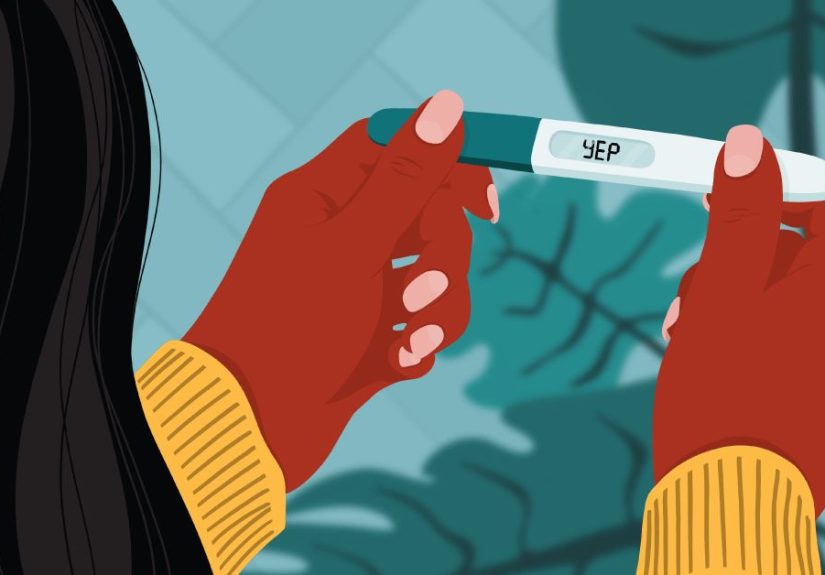
Two little lines. One tiny plus sign. One digital screen that suddenly feels VERY loud.
Whether you’re thrilled, terrified, confused, or experiencing a full emotional sampler platter (with a side of “Wait… is this real?”),
take a breath. A positive pregnancy test is informationnot a final life plan stamped in ink.
The next step is simply the next step.
This guide walks you through what to do after a positive pregnancy test in a practical, no-judgment, American-healthcare-friendly way:
how to confirm the result, what to ask at your first appointment, what to change right now (and what can wait),
and how to spot warning signs that need urgent care. We’ll keep it clear, calm, andwhen appropriatea little funny,
because sometimes humor is the only thing that makes your brain unclench.
First, Pause and Re-Read the Situation (Yes, Really)
Before you sprint into the internet like it’s a burning building, do a quick reality check:
How do you feel physically? Are you having severe pain, heavy bleeding, fainting, or shoulder pain?
If yes, skip this article and seek urgent medical care right now. We’ll cover “red flags” later, but safety always wins.
If you feel okay, your job for the next hour is simple: get grounded. Sit down. Drink water. Eat something mild if your stomach is doing flips.
Then move forward with a plan.
Step 1: Confirm the Result (Because Timing and Testing Matter)
Home pregnancy tests are designed to detect a hormone called hCG in your urine. When used correctly, they’re generally very reliable
but weird results can happen, especially if you test very early, don’t follow the directions, or use an expired test.
If your result is faint, confusing, or you tested super early, it’s reasonable to test again.
How to re-test smartly (without spiraling)
- Follow the instructions exactly (every brand is a little different).
- Check the expiration date and storage conditions (hot bathrooms are not luxury spas for test sticks).
- If you tested extremely early, consider repeating a test a day or two laterhCG rises over time in early pregnancy,
and “too early” is a common reason for unclear results. - If you want the most definitive confirmation, contact a licensed healthcare provider for a clinical test and follow-up.
A provider may confirm pregnancy with a urine test, a blood test, and/or an ultrasound. Don’t panic if an early ultrasound
doesn’t show muchearly pregnancy is a “tiny sesame seed” era, and timing matters.
Step 2: Decide What “Next” Means for You (Yes, You Have Options)
A positive test doesn’t tell you what you must doit tells you what you can decide.
In the U.S., people typically consider three main paths:
- Continuing the pregnancy and parenting
- Continuing the pregnancy and making an adoption plan
- Ending the pregnancy through abortion care (options depend on gestational age and local laws)
If your feelings are mixed, that’s normal. Many people don’t feel instantly joyful or instantly certain.
A good next move is an appointment with a qualified healthcare professional or clinic that can confirm the pregnancy
and discuss your options without pressure. If you’re a teen, you still deserve respectful care and clear information;
privacy rules and consent laws can vary by state, so it’s okay to ask a clinic what confidentiality looks like where you live.
And if you feel unsafe telling someone in your life, prioritize your safety. A trusted adult (relative, school counselor, nurse),
a healthcare provider, or a legitimate medical clinic can help you think through next steps.
Step 3: Make an Appointment (Even If You’re Not Sure Yet)
One of the most practical things you can do after a positive test is schedule a visit.
You don’t need to have your whole life figured out to book an appointment.
Think of it like getting a map before you pick your route.
If you plan to continue the pregnancy
Call an OB-GYN, family doctor, certified nurse-midwife, or prenatal clinic and tell them you had a positive home pregnancy test.
They’ll guide you on timing. Many first prenatal visits happen in the first trimester, and earlier evaluation may be recommended
if you have pain, bleeding, a history of pregnancy complications, or certain health conditions.
If you’re unsure or considering other options
You can still schedule a visit at a licensed clinic to confirm pregnancy and talk through options.
The point is care and claritynot judgment.
Step 4: Start Prenatal Vitamins and Folic Acid (This One’s a “Do Now”)
If there’s one boring-sounding step that deserves a standing ovation, it’s folic acid.
In early pregnancyoften before many people even know they’re pregnantfolic acid supports fetal neural tube development.
Many U.S. recommendations advise a daily supplement in the 400–800 microgram range for people who could become pregnant.
A standard prenatal vitamin typically includes folic acid plus other nutrients like iron and iodine.
If prenatal vitamins make you nauseated, try taking them with food, at night, or ask your provider about alternatives.
Don’t double up on vitamins “to make up for it” without medical advicemore is not always better.
Step 5: Do a Medication and Supplement Check (Including “Natural” Stuff)
This is the moment to look at everything you takeprescriptions, over-the-counter meds, herbal supplements,
“detox” teas, and anything from the “my cousin’s friend swears by it” category.
Some medicines are safe in pregnancy, some require changes, and some should be avoided.
The key rule: don’t stop or start medications without talking to a healthcare provider,
because stopping certain meds can be riskier than continuing them.
Also: “natural” on a label is not a magical safety spell. If you’re unsure, ask a pharmacist or clinician.
Bring a list (or the bottles) to your appointment.
Step 6: Make a Few High-Impact Lifestyle Swaps
You do not need to become a perfect glowing wellness sprite overnight. You just need a few meaningful changes that protect your health.
Skip alcohol
Major public health guidance in the U.S. advises avoiding alcohol during pregnancy. If you drank before you knew you were pregnant,
don’t panicjust stop now and talk with your provider if you’re worried.
Limit caffeine (you can still be friends with coffee)
Many OB-GYN guidelines describe moderate caffeine as under about 200 mg per day.
That can be roughly one 12-ounce cup of coffee (depending on how it’s brewed), but caffeine varies widelyso check labels.
Be food-safety smart (pregnancy is not the time for “mystery queso”)
During pregnancy, you’re more vulnerable to certain foodborne illnesses. Focus on basics:
wash produce, cook meats and eggs thoroughly, avoid unpasteurized dairy, and be cautious with deli meats unless heated thoroughly.
When in doubt, choose the safer optionyour future self will thank you.
Eat fishjust pick low-mercury options
Seafood can be a great source of protein and nutrients. Guidance often recommends about 8–12 ounces per week
of lower-mercury seafood during pregnancy. If you’re unsure which fish are “best choices,” ask your provider or use reputable federal guidance.
Step 7: Understand What Early Pregnancy Might Feel Like
Early pregnancy symptoms can range from “nothing unusual” to “why do crackers taste like salvation?”
Common first-trimester experiences include:
- Breast tenderness
- Fatigue (the kind that makes you emotionally attached to your pillow)
- Nausea and vomiting (“morning sickness” is a lie; it can happen anytime)
- Food aversions or cravings
- Frequent urination
- Mood swings
If nausea hits
Small, frequent meals can help. Some people do better with bland snacks, ginger, and not letting their stomach get completely empty.
If nausea or vomiting is severe, persistent, or you can’t keep fluids down, contact a providertreatment options exist.
Step 8: Know the Red Flags (When to Call Now, Not Later)
Most pregnancies begin without emergencies, but certain symptoms should be treated urgently because they may signal complications
such as miscarriage, ectopic pregnancy, infection, or other serious issues.
Seek urgent medical care right away if you have:
- Heavy bleeding (especially soaking a pad quickly), passing large clots, or tissue
- Severe abdominal or pelvic pain
- Dizziness, fainting, or extreme lightheadedness
- Shoulder pain along with pain/bleeding (can be a warning sign in ectopic pregnancy)
- Fever or signs of serious illness
One important reason to take pain + bleeding seriously is the possibility of an ectopic pregnancy,
which can be dangerous and needs immediate medical evaluation. If something feels off, trust your instincts and get checked.
Step 9: What Happens at the First Prenatal Visit (If You Continue the Pregnancy)
The first prenatal appointment is part medical check-in, part detective work, part “let’s get you set up for success.”
It may include:
- Health history, prior pregnancies, medications, and family history
- Estimating gestational age and a due date (often based on the first day of your last menstrual period, then confirmed or adjusted as needed)
- Physical exam and measurements like blood pressure and weight
- Blood and urine tests (for blood type, anemia, infections, and more)
- Discussion of symptoms, nutrition, exercise, mental health, and what to avoid
A quick due date example (because people love a date)
Due dates are estimates, not appointment times your baby will politely keep. But they’re helpful for planning.
A common method counts about 280 days from the first day of your last menstrual period.
Example: If your last period started on December 1, 2025, an estimated due date is around September 7, 2026.
Your provider may refine this estimate based on exam findings or ultrasound.
Step 10: Build a Support Plan (Practical Beats Perfect)
Pregnancy is biological, but it’s also logistical. A few practical moves can reduce stress:
- Pick your point person: a partner, friend, parent/guardian, aunt, older sibling, or mentor who can show up consistently.
- Sort insurance and clinic access: ask what’s covered and what paperwork you need.
- Think about school or work: appointments happen; morning sickness happens; fatigue definitely happens. Planning helps.
- Write down questions: it’s easy to forget everything the minute someone asks, “Any questions?”
If you’re a teen, you might also want to ask about school supportsmany schools have counselors or nurses who can help you access care,
navigate attendance, and connect you with community resources.
Your “Next 72 Hours” Checklist
If your brain is currently running 47 tabs, here’s a simple to-do list:
- Re-test if needed for clarity, but don’t get stuck in an endless testing loop.
- Schedule a visit with a licensed healthcare provider or reputable clinic.
- Start a prenatal vitamin with folic acid (unless your provider tells you otherwise).
- Avoid alcohol and review medications/supplements with a professional.
- Choose safer food options; limit caffeine; hydrate and rest.
- Know urgent warning signs (heavy bleeding, severe pain, fainting, shoulder pain) and seek care if they occur.
- Tell one safe person, if you cansupport makes everything easier.
+: Real-World Experiences People Commonly Share After a Positive Test
Everyone’s story is different, but if you’re wondering “Is it normal that I’m feeling this?”you’re not alone.
Here are common experiences people describe in the hours, days, and first couple weeks after a positive pregnancy test.
Think of these as emotional postcards from the land of “Oh wow, this is happening.”
1) The “Take Another One” Phase
A lot of people immediately take a second testsometimes because they don’t trust the first one,
sometimes because the line is faint, and sometimes because their brain wants confirmation the way a phone wants Wi-Fi.
It’s common to feel disbelief, even if you were actively trying to get pregnant.
If you notice yourself testing repeatedly just to calm anxiety, it can help to set a boundary:
one retest for clarity, then move to a clinical appointment for real confirmation.
2) The Sudden “Life Planning Olympics”
It’s amazing how quickly the mind can jump from “positive test” to “Should I move?” to “What stroller is safest?”
to “What’s my five-year plan?” in under three minutes.
People often describe an intense urge to research everythingthen feeling overwhelmed by conflicting advice.
A helpful strategy is to pick one reputable source (or better: one provider) and write down questions for your visit
instead of trying to solve the entire internet in one night.
3) The “Tell or Not Tell” Debate
Deciding who to tell (and when) can be surprisingly emotional.
Some people tell a partner or best friend immediately because they need someone to hold the moment with them.
Others wait until they’ve had a medical confirmation or a first appointment.
Teens often feel extra pressure heresometimes fear, sometimes worry about disappointing family,
sometimes uncertainty about how adults will react. Many people find it easier to start with one safe person:
someone who is calm, supportive, and good in a crisis.
4) The “Why Am I So Tired?” Surprise
Early pregnancy fatigue is real. People joke that the embryo is “downloading updates,”
but the biology behind it is no jokeyour body is working overtime.
Many describe falling asleep earlier than usual, needing naps, or feeling wiped out by normal tasks.
If you’re in school or working, this can feel frustrating. Planning short rest breaks and keeping snacks handy
can make the day more manageable until you talk with your provider.
5) The Symptom Bingo Game
Some people feel symptoms right away; others feel almost nothing.
Both can be normal. Many people describe “weird” early clues: suddenly hating the smell of coffee,
craving a specific food, feeling queasy in the car, or getting emotional at random commercials.
What helps most is tracking patterns without obsessingnote what’s happening, then bring it to your appointment.
6) The Relief of Having a Plan
Here’s the experience people mention most often: once an appointment is scheduled and a next step is clear,
the panic drops a level. Not always completely, but enough to breathe.
Whether someone continues the pregnancy, explores adoption, or seeks abortion care,
the turning point is usually the samegetting real medical information and real support.
Your brain doesn’t have to solve everything today. It just needs a steady path forward.