Table of Contents >> Show >> Hide
- What Is Yumi?
- Yumi Baby Food Review: Nutrition at a Glance
- Product-by-Product Review
- Is Yumi Safe? Heavy Metals, Organic Claims, and Transparency
- When Can Babies Eat Yumi Snacks?
- How Yumi Compares With Other Baby Food Brands
- Pros and Cons of Yumi Baby Food and Snacks
- Who Should Try Yumi?
- Dietitian Tips for Using Yumi Wisely
- My Real-Life Experience Notes: The Dietitian-Mom Lens
- Final Verdict: Is Yumi Worth It?
- SEO Tags
If you have ever tried to feed a baby while also making coffee, answering a preschooler’s 47th question about dinosaurs, and wondering whether the banana on the floor is “new” or “historical,” you already understand why baby food brands like Yumi get attention. Parents want food that is convenient, nutritious, safe, not packed with added sugar, and ideally accepted by tiny humans who sometimes treat vegetables like legal evidence.
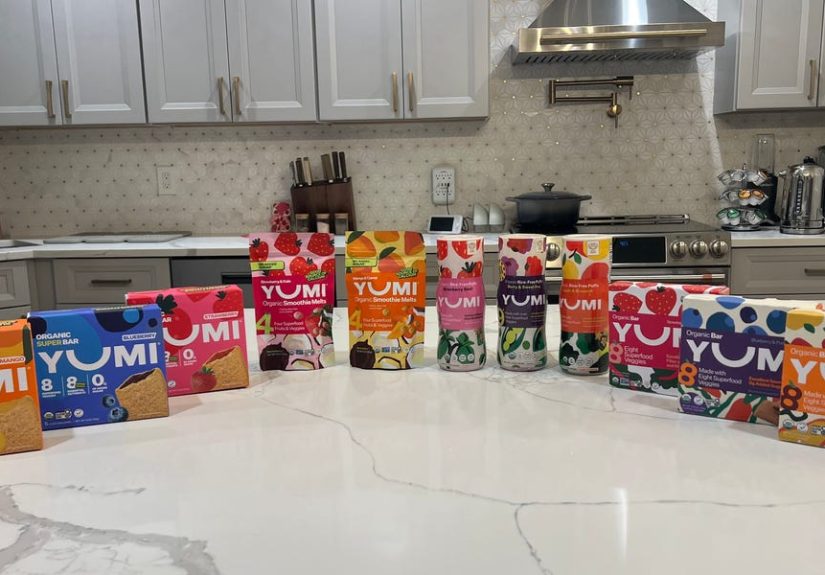
This Yumi baby food review looks at the brand from two practical angles: the nutrition lens and the real-life parent lens. Yumi became known for fresh, organic baby meals and developmental-stage feeding, but its current public product lineup is focused mainly on organic snacks for babies and toddlers, including smoothie melts, rice-free puffs, snack bars, and breakfast bars. That matters because many parents still search for “Yumi baby food” expecting a full puree subscription service. At the moment, the better question is: are Yumi’s baby and toddler snacks worth the premium price?
My honest answer: Yumi is a strong choice for families who want organic, plant-based, lower-sugar snacks with thoughtful ingredients. It is not a complete replacement for homemade meals, iron-rich foods, allergen introduction, or a varied diet. Think of it as a helpful lunchbox and diaper-bag tool, not a magic spoon that turns your baby into a kale enthusiast overnight.
What Is Yumi?
Yumi is a childhood nutrition brand built around organic, plant-forward foods for babies and toddlers. The brand currently emphasizes snacks such as organic toddler bars, rice-free puffs, smoothie melts, and larger breakfast-style bars. Its products are generally positioned as organic, vegan, gluten-free, dairy-free, and made without added sugar.
For parents, the appeal is obvious. Yumi products are convenient, shelf-stable, portable, and designed for developing eaters. The brand also highlights nutrition-focused ingredients, including fruits, vegetables, grains such as oats or sorghum, and added nutrients in some products. For busy families, that can feel like a small miracle wrapped in a resealable bag.
However, it is important to separate the brand’s older reputation from its current offering. Yumi previously offered a more complete baby food subscription service with fresh meals, blends, and bites. That service has been paused while the company focuses on snacks. So if you are looking for refrigerated purees or full meal delivery, you may need to compare alternatives such as Little Spoon, Tiny Organics, Once Upon a Farm, Cerebelly, or Serenity Kids.
Yumi Baby Food Review: Nutrition at a Glance
From a dietitian-style perspective, Yumi’s biggest strengths are its ingredient quality, low added sugar approach, and attention to common parent concerns such as heavy metals, rice-based snacks, and school-friendly allergens. Many traditional baby and toddler snacks are easy to toss in a bag but not especially impressive nutritionally. Some are mostly refined starch, sweetness, and air. Delicious air, yes, but still air.
Yumi’s snack lineup feels more intentional. The rice-free puffs use alternatives such as sorghum and cassava instead of rice, which is meaningful because rice-based infant foods have raised concerns due to arsenic exposure. The smoothie melts use fruit and vegetable combinations and are designed to dissolve quickly. The bars include ingredients such as organic oat flour, date paste, fruit and vegetable fillings, and added vitamins or minerals depending on the product.
What I Like Nutritionally
The first thing I like is the no-added-sugar positioning. Babies and toddlers do not need added sugar, and early exposure to very sweet foods may shape preferences over time. Natural sweetness from fruit or dates is still sugar, but it comes in a different package when paired with fiber, texture, and other nutrients.
The second benefit is convenience without total nutritional surrender. A snack bar will never replace salmon, beans, eggs, lentils, yogurt, avocado, or roasted vegetables. But compared with many toddler snacks, Yumi’s bars and puffs offer a better ingredient profile and more nutrient awareness.
The third plus is variety. Babies benefit from repeated exposure to many flavors and textures. A pouch-only routine can become overly smooth and sweet. Yumi’s melts, puffs, and bars give children different textures to practice, which can support oral-motor development and self-feeding skills when used at the right age and under supervision.
What I Would Still Watch
Even nutritious packaged snacks are still packaged snacks. I would not build a baby or toddler diet around bars and puffs, even good ones. Young children need iron-rich foods, zinc-rich foods, healthy fats, protein, fruits, vegetables, grains, and repeated exposure to family foods. Yumi can help fill snack gaps, but it should not become the main event at every meal.
I would also pay attention to fiber. Some Yumi bars are higher in fiber than many toddler snacks, which can be helpful for fullness and regularity. But too much fiber too fast may cause gas, bloating, or dramatic diaper situations that nobody wants to discuss at brunch. Serve higher-fiber snacks with water and rotate them with other foods.
Product-by-Product Review
Yumi Smoothie Melts
Yumi Smoothie Melts are designed for early self-feeding. They dissolve quickly, which is a major factor for baby snacks. Parents often like melts because they are less intimidating than harder crackers or crunchy snacks. Yumi offers fruit-and-vegetable flavors such as Mango & Carrot and Strawberry & Kale.
From a feeding perspective, I like melts for supervised practice. They can help babies work on picking up small pieces, bringing food to the mouth, and managing dissolvable textures. That said, no melt is “set it and forget it.” Babies should always sit upright and be watched while eating. A baby snack is not a babysitter, even if the packaging is adorable.
The dairy-free formula may also be useful for families avoiding dairy. Instead of yogurt-based melts, Yumi uses coconut-based ingredients in some products. That can be helpful for allergies or dietary preferences, though parents should still read labels carefully because formulas and facilities can change.
Yumi Rice-Free Puffs
The rice-free puffs may be Yumi’s most interesting product from a dietitian viewpoint. Many baby puffs rely on rice flour, but Yumi uses rice-free bases such as sorghum and cassava. This is smart because rice can contribute to inorganic arsenic exposure, and many U.S. feeding experts encourage variety rather than relying heavily on rice cereal or rice snacks.
Yumi puffs are usually more veggie-forward and less sweet than many mainstream puff snacks. That may sound like a negative if your toddler has already formed a deep emotional bond with fruit-flavored crunchies. But bland is not always bad. Babies do not need every snack to taste like dessert wearing a tiny hat.
The puffs may also include nutrients such as choline and iron depending on the product. Choline is important for brain development, and iron is a key nutrient for infants and toddlers, especially as babies transition from breast milk or formula to complementary foods. Still, snacks should not be the only source of these nutrients. Meat, eggs, fish, beans, lentils, tofu, fortified cereals, and iron-rich family foods still matter.
Yumi Organic Snack Bars
Yumi’s organic snack bars are designed more for toddlers and young children than young babies. These bars are soft, portable, and made in flavors such as Blueberry & Purple Carrot, Apple Cinnamon & Squash, Mango & Kale, and Strawberry & Rhubarb.
The biggest advantage is that they feel like a more balanced alternative to many sweet snack bars marketed to kids. They use organic oat flour, date paste, fruit and vegetable ingredients, and nutrient blends. They are also convenient for daycare bags, park trips, and the mysterious 4:18 p.m. hunger meltdown that arrives exactly when dinner is 22 minutes away.
The downside is price. Yumi bars typically cost more than many grocery-store snack bars. For families on a tight budget, I would treat them as an occasional convenience item rather than a daily staple. You can still build excellent toddler snacks with banana slices, nut-free seed butter on toast, cheese, plain yogurt, hummus, soft fruit, eggs, beans, or homemade oat bites.
Yumi Super Breakfast Bars
The Super Breakfast Bars are larger and more substantial than the smaller snack bars. These may work well for older toddlers and preschoolers who need a quick morning option. They can be especially useful on days when breakfast becomes a negotiation worthy of a courtroom drama.
From a nutrition standpoint, I like that these bars can offer more staying power than a tiny snack. However, I would still pair them with protein or fat when possible. For example, serve a bar with plain Greek yogurt, scrambled egg, cottage cheese, or milk if your child tolerates dairy. For dairy-free families, pair it with soy yogurt, tofu scramble, or a smoothie with protein-rich ingredients.
Is Yumi Safe? Heavy Metals, Organic Claims, and Transparency
Heavy metals in baby food are a serious concern. Lead, arsenic, cadmium, and mercury can appear in foods because they are present in soil, water, and the broader environment. Buying organic can reduce exposure to certain pesticides, but it does not magically remove naturally occurring metals from soil. That is why variety, testing, and industry standards matter.
Yumi publicly discusses heavy metals and product testing, and its products are associated with Clean Label Project certification. The brand also provides a lot-code lookup for some testing information. As a parent, I appreciate that level of transparency. As a dietitian, I still remind families that no brand can make exposure zero. The goal is reduction, variety, and smart choices.
In 2025, the FDA issued action levels for lead in processed foods intended for babies and young children under 2. These action levels include 10 parts per billion for many fruits, vegetables, mixtures, yogurts, custards, puddings, and meats; and 20 parts per billion for single-ingredient root vegetables and dry infant cereals. These recommendations are part of the FDA’s broader Closer to Zero initiative, which aims to reduce toxic elements in foods eaten by babies and young children.
What does that mean in everyday parenting language? Do not panic-buy 19 brands of baby snacks. Do not feed only one food group. Do not rely on rice-based products every day. Offer variety, rotate brands, serve iron- and calcium-rich foods, and use packaged baby foods as one piece of the feeding puzzle.
When Can Babies Eat Yumi Snacks?
Most babies are ready to start solids around 6 months, when they can sit with support, control their head and neck, open their mouth for food, and move food from the front to the back of the tongue. Before 4 months, solid foods are not recommended.
For early feeding, smooth purees, mashed foods, and very soft textures are usually easiest. As babies develop, thicker textures, soft finger foods, and dissolvable snacks can be introduced. Yumi melts may fit earlier than firmer puffs, while bars are typically better for older babies, toddlers, and preschoolers who can handle that texture safely.
Always follow the age guidance on the package and your baby’s individual readiness. Babies develop at different speeds. One baby may be confidently self-feeding soft foods at 8 months; another may still be figuring out why peas exist. Both are normal.
How Yumi Compares With Other Baby Food Brands
Compared with Little Spoon, Yumi is less of a full meal solution right now. Little Spoon offers fresh baby blends, toddler meals, snacks, and broader meal delivery options. If your priority is refrigerated meals or purees delivered to your door, Little Spoon may be a closer match.
Compared with Tiny Organics, Yumi is more snack-focused. Tiny Organics emphasizes ready-made plant-based meals for babies and toddlers. That makes Tiny Organics appealing for parents looking for lunch or dinner support rather than diaper-bag snacks.
Compared with Once Upon a Farm, Yumi has fewer pouch-style fresh options. Once Upon a Farm is known for refrigerated pouches and smoothies made with fruits and vegetables. If your child loves pouches, that brand may feel more familiar.
Compared with Serenity Kids, Yumi is more plant-based and snack-oriented. Serenity Kids is known for savory pouches, including meat-based blends and higher-fat options. That may appeal to families prioritizing animal protein, savory flavors, and lower-sugar puree options.
Compared with Cerebelly, Yumi shares the brain-development and nutrient-conscious positioning, but Cerebelly is more focused on pouches and purees. Yumi’s strongest current lane is organic toddler snacks with better ingredient standards than many conventional options.
Pros and Cons of Yumi Baby Food and Snacks
Pros
- Organic, plant-based snack options for babies and toddlers
- No added sugar in many products
- Rice-free puffs, which may help reduce reliance on rice-based snacks
- Convenient for travel, daycare, lunchboxes, and busy mornings
- Many products avoid major allergens, making them useful for school settings
- Clean Label Project certification and public discussion of heavy-metal testing
- Kid-friendly flavors without tasting like straight candy
Cons
- More expensive than many mainstream baby and toddler snacks
- Current lineup is snack-focused, not a complete baby food meal subscription
- Packaged snacks should not replace varied meals
- Some products may be too fibrous or too filling if served too often
- Availability and product selection may vary by store or online retailer
Who Should Try Yumi?
Yumi is a good fit for parents who want cleaner-label snacks, organic ingredients, and convenient options for babies and toddlers. It is especially helpful for families who need dairy-free, gluten-free, vegan, or school-friendly snacks. It may also appeal to parents who want to reduce rice-heavy snack choices.
Yumi may not be the best fit if you are looking for the cheapest snack option or a full baby meal delivery plan. It also may not be necessary if you already make most snacks at home and your child happily eats a wide variety of family foods. In that case, congratulations. Please tell the rest of us your secrets.
Dietitian Tips for Using Yumi Wisely
Use Yumi as a Snack, Not a Meal Plan
Pair Yumi snacks with whole foods when possible. Serve puffs alongside avocado, soft beans, scrambled egg, or fruit. Pair bars with yogurt, milk, or a protein-rich food. This helps create a more balanced eating pattern.
Rotate Snack Types
Even high-quality snacks should rotate. Try soft fruit, steamed vegetables, toast strips, oatmeal, hummus, cheese, eggs, beans, and homemade muffins. Variety supports nutrition and reduces overreliance on any single product.
Keep Practicing Textures
Do not stay in puree land forever unless your pediatrician or feeding therapist advises it. Babies need opportunities to explore safe textures. Yumi melts and puffs can be part of that learning process, but so can soft family foods.
Read Labels Every Time
Ingredients and manufacturing practices can change. If your child has allergies, read the package every time you buy. Also check age recommendations, serving size, and choking warnings.
My Real-Life Experience Notes: The Dietitian-Mom Lens
When I evaluate a baby or toddler food, I do not only ask, “Is this healthy?” I ask, “Will a real parent use it at 7:03 a.m. while one child is missing a sock and the other is wearing oatmeal?” That is where Yumi performs well. The products are easy to stash in a diaper bag, do not require refrigeration, and feel more nutritionally thoughtful than many emergency snacks.
In a household with two kids, snacks are not just snacks. They are peace treaties. They are car-seat negotiations. They are the difference between finishing a grocery trip and abandoning a cart in aisle six next to the applesauce. A good toddler snack has to be portable, not too messy, accepted by the child, and reasonable enough nutritionally that a parent does not feel like they handed over dessert with a marketing degree.
The smoothie melts are the kind of product I would use during the early self-feeding stage, especially when a baby is working on picking up small pieces. I like that they dissolve quickly, but I would still offer them only while the baby is seated and supervised. I would not hand a bag to a crawling baby and hope for the best. Babies are brilliant, but they also think socks are cuisine.
The rice-free puffs are probably the product I find most useful. Many puff snacks are rice-based, and while there is no need to fear rice completely, variety is a smart strategy. Yumi’s rice-free approach makes these puffs an easy alternative. I also like that the flavors are not aggressively sweet. Children do not need every snack to taste like birthday cake. Sometimes “mild vegetable cloud” is perfectly acceptable.
The bars are more of a toddler and preschool tool. I would pack them for daycare, playground trips, travel days, or mornings when breakfast becomes a full theatrical production. Still, I would not serve bars as the default breakfast every day. Kids need practice with real meals: eggs, toast, fruit, oatmeal, yogurt, beans, pancakes with nut or seed butter if safe, and leftovers from dinner. Yes, leftovers for breakfast count. Toddlers do not know the rules, and honestly, that is one of their strengths.
One thing I appreciate about Yumi is that the products seem designed for parents who care about nutrition but are not pretending life is a wellness commercial. The brand recognizes that convenience matters. Most parents are not calmly spiralizing zucchini at 5 p.m. while their children discuss gratitude. They are trying to get something decent into small bodies before bedtime chaos begins.
From a budget standpoint, I would use Yumi selectively. If every snack in the house is premium, the grocery bill can start acting like it has its own college fund. I would buy Yumi for situations where convenience and ingredient quality matter most: travel, lunchboxes, daycare, road trips, or those “we have to leave in five minutes” mornings. At home, I would still rely on affordable basics like bananas, oats, beans, eggs, frozen vegetables, yogurt, toast, and seasonal fruit.
My final experience-based takeaway is this: Yumi reduces snack stress, but it does not replace the parent’s bigger feeding job. Babies and toddlers still need variety, repeated exposure, family meals, and a relaxed feeding environment. If your child rejects kale once, that is not a personality flaw. It is Tuesday. Keep offering foods without pressure, keep snacks in perspective, and remember that feeding kids is a long game.
Final Verdict: Is Yumi Worth It?
Yumi is worth trying if you want organic, lower-sugar, thoughtfully designed snacks for babies and toddlers. The brand stands out for rice-free puffs, dissolvable smoothie melts, nutrient-conscious bars, and a cleaner ingredient profile than many conventional snack options.
However, Yumi is not currently the full baby food subscription service some parents may remember. It is best viewed as a premium snack brand, not a complete meal plan. For families who can afford it, Yumi can be a helpful addition to a balanced feeding routine. For families watching costs, it is perfectly reasonable to use Yumi occasionally and rely on simple whole foods the rest of the time.
As a dietitian-style review, my grade is a strong A-minus for snack quality, transparency, and convenience. The minus is mostly for price and the limited current meal options. As a mom-style review, I would keep a few Yumi snacks in the pantry for busy days, travel, and tiny hunger emergencies. Because sometimes the most nutritious snack is the one your child will actually eat before everyone starts crying, including you.