Table of Contents >> Show >> Hide
- Why Dog Hair Sticks to Blankets So Stubbornly
- 1. Shake the Blanket Outside First
- 2. Use a Lint Roller for Fast Surface Hair Removal
- 3. Try Damp Rubber Gloves
- 4. Wipe the Blanket with a Damp Microfiber Cloth
- 5. Use a Pet Hair Removal Brush or Reusable Fabric Brush
- 6. Vacuum the Blanket with an Upholstery Attachment
- 7. Run a Short Dryer Cycle Before Washing
- 8. Wash Blankets Separately with an Extra Rinse
- 9. Add White Vinegar Carefully to Reduce Static
- 10. Finish with Dryer Balls, Low Heat, or Air Drying
- Bonus: How to Prevent Dog Hair from Taking Over Blankets
- Common Mistakes to Avoid When Removing Dog Hair from Blankets
- My Real-Life Experience: What Actually Works Best on Dog-Hair-Covered Blankets
- Conclusion
If you share your home with a dog, you already know the truth: dog hair is not a seasonal issue, a laundry issue, or even a “my dog is shedding” issue. Dog hair is a lifestyle. It floats through the air like tiny furry confetti, clings to fleece like it signed a lease, and somehow appears on blankets your dog has never touched. Impressive? Yes. Annoying? Also yes.
The good news is that removing dog hair from blankets does not require expensive gadgets, dramatic cleaning rituals, or a suspiciously cheerful person on the internet telling you to “just vacuum daily.” With the right order of steps, a few household tools, and smarter laundry habits, you can get blankets looking fresh again without turning your washing machine into a fur-filled disaster zone.
This guide covers 10 incredibly easy ways to remove dog hair from blankets, including quick dry methods, laundry tricks, and practical prevention tips. Whether you are dealing with a fleece throw, a washable dog blanket, a couch blanket, a comforter, or the one blanket your dog has emotionally claimed as personal property, these methods will help you remove pet hair faster and keep it from coming back quite so aggressively.
Why Dog Hair Sticks to Blankets So Stubbornly
Dog hair sticks to blankets for three main reasons: static, friction, and fabric texture. Soft materials such as fleece, sherpa, microfiber, flannel, and knit blankets have fibers that grab loose hair and hold onto it. Synthetic fabrics can also build static, which makes fur cling even harder. Add body oils, dander, and the fact that your dog may be doing full-body blanket gymnastics every afternoon, and you have the perfect storm.
That is why simply tossing a hairy blanket straight into the washer is usually not enough. In fact, washing a fur-covered blanket without removing loose hair first can spread hair throughout the machine, leave residue on other laundry, and make the blanket come out looking only slightly less furry than before. The smartest approach is simple: loosen the hair first, remove as much as possible while the blanket is dry, wash correctly, then finish with a dryer or air-drying method that reduces static.
1. Shake the Blanket Outside First
The easiest first step is also the most underrated: take the blanket outside and shake it like you are trying to convince the neighbors you have started a fitness program. A firm shake removes loose hair, dust, crumbs, and outdoor debris before any cleaning tool touches the fabric.
This works best when the blanket is completely dry. Hold it by two corners, snap it a few times, flip it, and repeat. For large blankets, hang them over a railing, clothesline, or sturdy chair and beat them gently with your hand. You are not trying to punish the blanket. You are just encouraging the fur to move out.
Best for:
Every washable blanket, especially dog blankets, couch throws, fleece blankets, and bedding used by pets.
Quick tip:
Do this before every wash. It helps protect your washer from excess pet hair and makes every method after it more effective.
2. Use a Lint Roller for Fast Surface Hair Removal
A lint roller is one of the simplest tools for removing dog hair from blankets, especially when you need a quick cleanup before guests arrive. Sticky lint rollers grab loose hair from the surface and work well on smooth cotton, tightly woven throws, and lightweight blankets.
For large blankets, use a wide lint roller or a furniture-sized pet hair roller. Roll in long strips from top to bottom instead of randomly scrubbing in circles. When the sheet loses its stickiness, peel it away and keep going. Yes, you may use half a roll if your dog is a professional shedder. This is normal. This is love. This is also why refill packs exist.
Best for:
Small to medium blankets, guest throws, bed blankets, and last-minute touch-ups.
Quick tip:
Keep one lint roller near the couch and one near the laundry area. Pet hair removal becomes easier when the tool is exactly where the fur happens.
3. Try Damp Rubber Gloves
Rubber gloves are surprisingly powerful for removing dog hair from blankets. Lightly dampen a clean rubber glove, put it on, and sweep your hand across the blanket in one direction. The rubber creates friction, and the moisture helps the hair clump together so you can pick it up easily.
This method is especially useful on fleece, plush, and textured blankets where lint rollers may not reach deeply enough. As the hair gathers into little fur ropes, pull them off the glove and toss them into the trash. Rinse the glove when it gets too hairy, shake off excess water, and continue.
Best for:
Fleece blankets, sherpa throws, microfiber blankets, and textured pet blankets.
Quick tip:
The glove should be damp, not dripping. Too much water can push hair deeper into the fabric or make the blanket harder to clean.
4. Wipe the Blanket with a Damp Microfiber Cloth
A damp microfiber cloth is another easy way to lift pet hair from blankets. Microfiber has tiny fibers that attract dust, lint, and hair. When slightly damp, it becomes even better at collecting loose dog fur without soaking the fabric.
Lay the blanket flat and wipe in short, firm strokes. Move in one direction so the hair gathers instead of spreading around. For extra control, fold the cloth into a square and use a fresh side as each section gets covered in fur. This method is quiet, cheap, reusable, and ideal when you do not want to drag out the vacuum.
Best for:
Daily maintenance, light shedding, delicate blankets, and small areas where your dog naps.
Quick tip:
Wash microfiber cloths separately from lint-heavy fabrics. Microfiber can grab lint in the wash like it is collecting souvenirs.
5. Use a Pet Hair Removal Brush or Reusable Fabric Brush
A reusable pet hair brush is a smart upgrade if your blankets are constantly covered in fur. Unlike disposable lint roller sheets, a reusable brush can be used again and again. Many fabric brushes are designed with directional fibers that pull hair from upholstery, blankets, clothing, and pet beds.
Brush the blanket in one direction using steady pressure. For heavy buildup, start with a rubber glove or shake-out method first, then finish with the brush. This two-step approach removes both loose surface hair and stubborn embedded hair.
Best for:
Pet households with frequent shedding, reusable cleaning routines, couch blankets, and larger throws.
Quick tip:
Check the care label before brushing delicate wool, loosely knit, or faux-fur blankets. Use a gentle touch to avoid pulling fibers.
6. Vacuum the Blanket with an Upholstery Attachment
If the blanket is large or heavily covered, a vacuum can save time. Use an upholstery attachment, pet hair attachment, or brush tool. Spread the blanket flat on the floor, bed, or sofa, then vacuum slowly in overlapping passes. Slow movement matters because it gives suction time to pull hair from the fabric.
For thick blankets, vacuum one side, flip the blanket, and vacuum the other side. If the blanket is safe to tumble dry, vacuuming before washing can reduce the amount of hair that ends up in your washer and dryer filters.
Best for:
Large blankets, comforters, dog bed covers, and blankets with heavy hair buildup.
Quick tip:
Clean the vacuum brush roll and empty the canister afterward. Dog hair can wrap around rollers and reduce suction faster than you think.
7. Run a Short Dryer Cycle Before Washing
One of the best laundry tricks for removing dog hair from blankets is to use the dryer before the washer. Place the dry blanket in the dryer for 5 to 10 minutes. Use air fluff, no heat, or low heat depending on the blanket’s care label. Add a dryer sheet, wool dryer balls, or a damp towel to help loosen hair and reduce static.
The tumbling action helps knock loose fur into the lint trap before the blanket gets wet. This matters because wet dog hair sticks more stubbornly to fabric. After the short dryer cycle, remove the blanket, clean the lint trap, shake the blanket outside again if needed, and then wash it.
Best for:
Washable blankets with moderate to heavy pet hair, especially fleece and synthetic fabrics.
Quick tip:
Do not use high heat unless the care label allows it. Heat can damage delicate fabrics, shrink some blankets, and make certain textures feel rough.
8. Wash Blankets Separately with an Extra Rinse
Once you have removed as much dry hair as possible, wash the blanket by itself or with other pet items. Do not mix a dog-hair-covered blanket with your black pants unless you enjoy sadness. Washing pet blankets separately prevents hair from transferring to clothing, towels, and sheets.
Use a pet-safe, fragrance-free, or mild detergent when possible, especially for blankets your dog sleeps on. Choose the cycle recommended on the care label. For sturdy washable blankets, a pre-wash or extra rinse can help loosen hair and rinse away detergent residue, dander, and remaining fur.
Avoid overloading the washer. Blankets need room to move. If the machine is packed too tightly, water and detergent cannot circulate well, and hair may stay trapped in the fabric. After washing, wipe the washer drum, door seal, and filter area if your machine collects visible hair.
Best for:
Routine deep cleaning, dog blankets, bedding, and washable couch throws.
Quick tip:
Check the blanket’s care label every time. Weighted blankets, wool blankets, electric blankets, and faux-fur throws may need special handling.
9. Add White Vinegar Carefully to Reduce Static
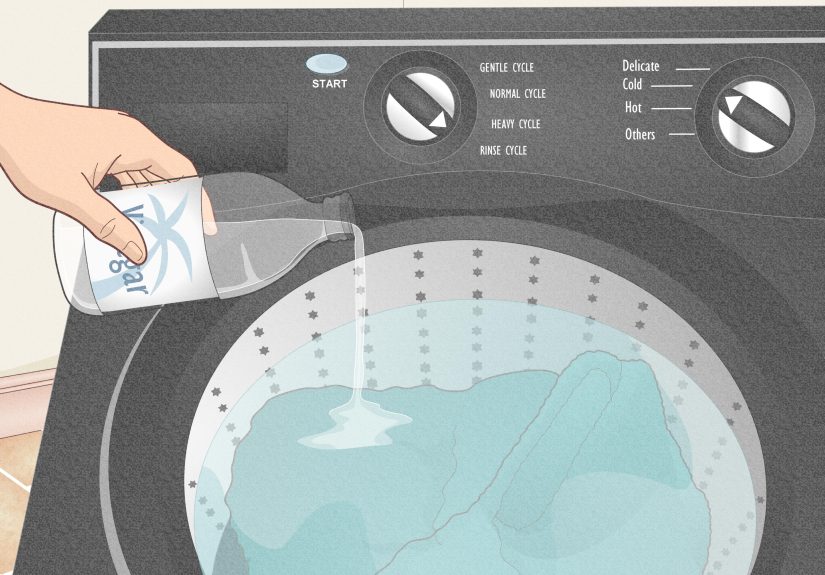
White vinegar can help reduce static and soften some fabrics, which may make pet hair easier to release during washing. Add about half a cup of distilled white vinegar to the rinse cycle, not directly onto the blanket. This can be helpful for synthetic blankets that seem to hold dog hair with superhero-level commitment.
However, vinegar should be used thoughtfully. Too much vinegar or using it too often may not be ideal for every washing machine or every fabric. Skip vinegar on delicate materials if the care label warns against it, and never mix vinegar with bleach. For many households, occasional use is enough.
Best for:
Synthetic blankets, static-prone throws, and blankets that still feel clingy after washing.
Quick tip:
If your blanket has strong pet odor, wash it with a suitable detergent first. Vinegar can help with freshness, but it is not a magic potion brewed by laundry elves.
10. Finish with Dryer Balls, Low Heat, or Air Drying
The drying stage can make a big difference. If the blanket is dryer-safe, tumble it on low heat or air fluff with wool dryer balls. Dryer balls help separate the fabric, improve airflow, and knock loose hair into the lint trap. Check the lint trap during and after the cycle, especially if the blanket had a lot of fur.
For blankets that should not go in the dryer, air dry them on a rack or clothesline. Once dry, use a lint roller, rubber glove, or fabric brush for a final pass. Hair is easier to remove from dry fabric than wet fabric, so do not panic if a little fur remains after washing. Let the blanket dry completely and finish the job then.
Best for:
Final hair removal, static reduction, and keeping washable blankets fluffy.
Quick tip:
Avoid drying extremely hairy items without cleaning the lint trap. Built-up lint and pet hair can reduce dryer efficiency and create safety concerns.
Bonus: How to Prevent Dog Hair from Taking Over Blankets
Removing dog hair is easier when you reduce the amount that lands on blankets in the first place. You do not need to transform into a full-time pet stylist with a clipboard. A few habits help a lot.
Brush your dog regularly
Routine brushing removes loose fur before it reaches your blankets. Dogs with double coats, long hair, or heavy seasonal shedding may need more frequent brushing. Use a brush made for your dog’s coat type so you remove loose hair without irritating the skin.
Designate one dog blanket
Give your dog a washable blanket that is allowed to get furry. Place it on the sofa, bed, crate, or favorite nap zone. This does not guarantee your dog will ignore every other blanket, because dogs enjoy loopholes, but it does help contain most of the hair.
Wash pet blankets on a schedule
Weekly or biweekly washing keeps fur, dander, dirt, and odor from building up. Heavily used dog blankets may need more frequent cleaning, especially during shedding season or muddy weather.
Choose smoother fabrics
Smooth cotton, tightly woven blankets, and certain performance fabrics tend to release hair more easily than fuzzy fleece or sherpa. This does not mean you must ban cozy blankets. It just means the fluffier the blanket, the more committed you may need to be.
Common Mistakes to Avoid When Removing Dog Hair from Blankets
The biggest mistake is putting a heavily fur-covered blanket directly into the washing machine. Water can make hair clump, stick, and spread inside the washer. Always shake, roll, brush, vacuum, or tumble first.
Another mistake is using too much detergent. More detergent does not mean more clean. Excess detergent can leave residue that attracts hair and makes blankets feel stiff. Use the recommended amount for your load size and soil level.
Skipping the lint trap is another no-no. If you use the dryer before or after washing, clean the lint trap every time. For very hairy blankets, pause the dryer mid-cycle and check it again. Your dryer will work better, and your future self will not discover a fur sweater living in the filter.
Finally, do not ignore care labels. Wool, weighted, electric, faux-fur, and delicate blankets may require cold water, gentle cycles, hand washing, spot cleaning, or air drying. When in doubt, choose the gentler option.
My Real-Life Experience: What Actually Works Best on Dog-Hair-Covered Blankets
After dealing with dog hair on blankets, the biggest lesson is that no single method wins every time. The best results usually come from layering two or three easy methods in the right order. Think of it like making a sandwich, except the sandwich is laundry and the filling is fur. Not delicious, but very practical.
For everyday couch blankets, the fastest routine is shake, rubber glove, lint roller. This works especially well when the blanket is not ready for a full wash but looks like the dog hosted a private shedding festival on it. The rubber glove is the hero here. It pulls hair into clumps quickly, and then the lint roller picks up whatever remains. This method takes only a few minutes and keeps the blanket presentable between wash days.
For fleece blankets, I have found that dry removal matters more than washing. Fleece can hold onto hair like it has separation anxiety. If you wash it too soon, the hair often stays embedded. A better routine is to shake the blanket outside, run a short dryer cycle on air fluff or low heat if the care label allows it, clean the lint trap, then wash with an extra rinse. After drying, a final pass with a fabric brush usually gets the blanket close to guest-ready.
For thick dog blankets or blankets used inside crates, vacuuming before washing is worth the effort. It feels like an extra chore at first, but it saves time later because less hair ends up in the machine. A pet upholstery attachment works best, but even a regular brush attachment can help. The key is to vacuum slowly. Quick passes mostly rearrange the hair and make you feel productive without actually accomplishing much, which is basically the cleaning version of opening 14 browser tabs.
For blankets with odor as well as hair, washing separately is non-negotiable. Pet blankets should not be washed with regular clothes, especially dark clothing. A mild detergent, enough water movement, and an extra rinse make a noticeable difference. If the blanket still has hair after drying, do not rewash it immediately. Let it dry completely, then use a lint roller or rubber glove. Dry hair is simply easier to remove.
The biggest surprise is how helpful prevention can be. Brushing the dog, even for a few minutes a few times a week, reduces the amount of hair that reaches blankets. Having one dedicated dog blanket also helps. Dogs love routine, and if the blanket smells like them, they often choose it over your nicer throws. Of course, this does not apply to dogs who believe every soft surface in the house is legally theirs. Those dogs require negotiation, snacks, and emotional resilience.
Another practical lesson: keep tools where you use them. A lint roller hidden in the laundry room does not help much when the furry blanket is on the couch. A reusable brush near the sofa, a rubber glove under the sink, and dryer balls in the laundry area make the whole process easier. Convenience is not laziness. Convenience is how cleaning actually gets done.
In the end, the most reliable system is simple: remove dry hair first, wash the blanket separately, use the right cycle, dry carefully, and finish with one more quick hair-removal pass. You may never live in a completely fur-free home, but you can absolutely live in a home where your blankets do not look like they are slowly turning into a second dog.
Conclusion
Dog hair on blankets is inevitable, but it does not have to be a permanent decorating choice. Start with dry removal methods like shaking, lint rolling, rubber gloves, microfiber cloths, brushing, or vacuuming. Then use laundry wisely: wash pet blankets separately, avoid overloading the machine, add an extra rinse when needed, and dry with static-reducing tools such as dryer balls or a careful dryer-sheet method.
The easiest way to remove dog hair from blankets is to stop treating laundry as the first step. It should be the middle step. Remove loose fur before washing, clean the blanket properly, and finish once the fabric is dry. With that routine, your blankets will look cleaner, smell fresher, and feel softerat least until your dog flops onto them again with the confidence of a tiny landlord.