Table of Contents >> Show >> Hide
Some dining chairs enter a room like they own the lease. They have thick arms, chunky legs, upholstery that demands attention, and a personality large enough to ask for its own dessert menu. Then there are barely there dining chairs: slender, transparent, airy, lightweight, and quietly brilliant. They do not shout. They do not block the view. They simply make the dining area feel calmer, bigger, and more thoughtfully designed.
The beauty of barely there dining chairs is not that they disappear completely. The best ones still have shape, craftsmanship, and character. What they avoid is visual heaviness. They are the chair equivalent of a linen shirt, a glass of cold water, or a well-edited sentence. They make a dining room feel finished without making it feel crowded.
This guide explores five favorite styles of barely there dining chairs, from clear acrylic icons to delicate cane classics and slim wooden masterpieces. Whether you live in a small apartment, a bright open-plan home, or a dining room that needs a little breathing room, these chairs prove that “less” can still have plenty of style.
What Makes a Dining Chair “Barely There”?
A barely there dining chair is not simply a small chair. It is a chair with low visual weight. That means it looks light even when it is structurally strong. Transparent seats, open backs, slim frames, woven cane, thin metal legs, and pale wood finishes all help create that effect.
The concept is especially useful in modern homes where dining areas often share space with kitchens, living rooms, or entryways. A heavy chair can interrupt sightlines and make a compact room feel boxed in. A barely there chair lets the eye travel through or around it, so the table remains functional without turning into a furniture traffic jam.
These chairs also play well with many table styles. Pair them with a rustic farmhouse table and they lighten the mood. Use them with a marble pedestal table and they keep the look elegant rather than museum-serious. Place them around a glass dining table and the whole setup becomes almost cloud-like, minus the risk of raining spaghetti.
5 Favorite Barely There Dining Chairs
1. The Clear Acrylic Chair: Best for Small Spaces
If the goal is to make a dining area feel larger, clear acrylic dining chairs are the obvious place to start. Their superpower is transparency. They reflect light, blend into the background, and visually reduce clutter around the table. In a small apartment, breakfast nook, or studio layout, that can make a surprising difference.
The most famous example is the Louis Ghost-style chair, inspired by traditional French silhouettes but reinterpreted in transparent polycarbonate. It has curves, presence, and a sense of humor: a grand chair that seems to be made of air. It works beautifully in rooms that mix old and new, especially when paired with antique wood tables, brass lighting, or dramatic wallpaper.
For a simpler, budget-friendlier option, transparent molded chairs with chrome or metal legs offer the same airy effect in a more casual form. They are excellent around a white tulip table, a small round kitchen table, or a narrow rectangular dining setup. The trick is to keep the surrounding materials balanced. Too much clear furniture can feel chilly, so bring in warmth with wood, linen napkins, ceramic dishes, a woven rug, or a plant that looks like it has never heard of minimalism.
Acrylic chairs are also practical, but they need gentle care. Use a soft cloth and mild cleaner, and avoid harsh ammonia-based products that can cloud or damage the surface. Treat them well and they will reward you with years of clean-lined, light-catching charm.
2. The Slim Metal-and-Acrylic Chair: Best for Modern Dining Rooms
A clear acrylic shell on thin metal legs is one of the easiest ways to get the barely there look without going fully invisible. This style keeps the seat transparent while giving the chair a defined architectural outline. The result feels crisp, urban, and slightly gallery-like, but still friendly enough for pancakes.
A good example is a clear acrylic chair with a single-piece molded seat and slender nickel or black steel legs. The transparent seat keeps the body light, while the metal base adds polish. Nickel legs feel bright and contemporary; black legs create contrast and work well with black-framed windows, dark pendants, or modern table bases.
This type of chair is especially effective in open kitchens where the dining area is visible from the living room. Instead of forming a bulky ring of chair backs, the transparent seats allow the table, floor, and architecture to remain visible. That keeps the room from feeling chopped into pieces.
For styling, try these chairs with a round table if you want softness, or a rectangular table if you prefer a sharper, more edited look. A wood tabletop prevents the arrangement from feeling too slick. A stone or glass tabletop makes the setting more formal and modern. Either way, the chair’s job is to whisper, not shout, and it does that job very well.
3. The Cane Cantilever Chair: Best for Warm Minimalism
Not all barely there dining chairs are transparent. Some are light because they are open. Cane chairs are the champions of this category. Their woven seats and backs allow air, light, and texture to pass through, creating a chair that feels warm but never bulky.
The classic cane cantilever dining chair, often associated with Bauhaus design, combines tubular steel with natural cane and wood. It is a brilliant mix of industrial and organic materials. The metal frame gives it a clean modern line, while the cane softens the look. This contrast is why the style has remained popular for decades.
Cane dining chairs are ideal for people who like minimal interiors but do not want their homes to look like a waiting room for very stylish robots. The woven texture adds humanity. It works with white walls, oak floors, vintage rugs, black tables, glass tables, and even colorful art. It can lean midcentury, coastal, Parisian, Scandinavian, or quietly bohemian depending on what you put around it.
There are practical considerations. Cane can sag or wear over time, especially with heavy daily use or rough treatment. If you have kids who believe chairs are indoor playground equipment, choose a sturdy version and inspect the weave before buying vintage. But for adults who sit like civilized mammals most of the time, a cane cantilever chair can be one of the most elegant barely there choices available.
4. The Super-Light Wooden Chair: Best for Timeless Craftsmanship
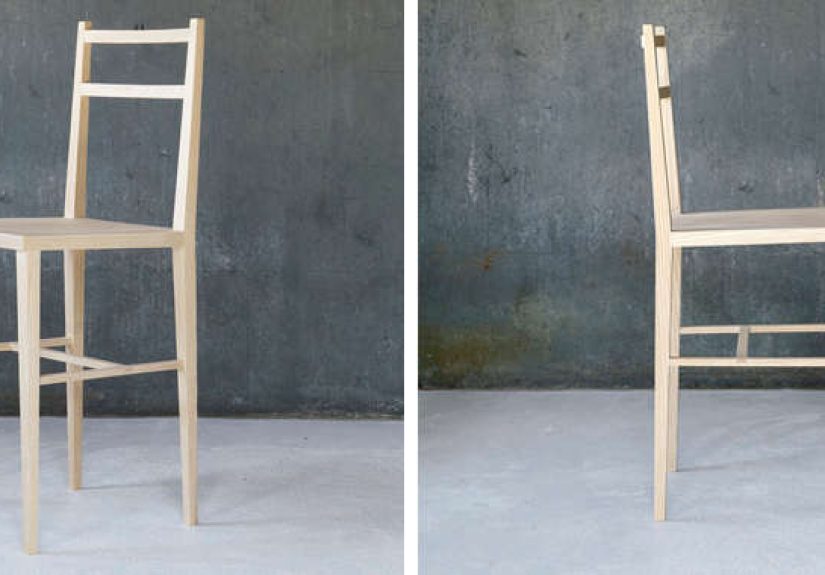
A barely there chair does not need plastic, metal, or transparency. Some of the most beautiful examples are made of wood, reduced to their lightest possible structure. The famous Superleggera chair by Gio Ponti is a perfect reference point: delicate, refined, and inspired by traditional Chiavari chair-making. It is proof that minimalism does not have to look cold. It can look handmade, graceful, and quietly poetic.
A super-light wooden dining chair usually has narrow legs, a fine frame, and a woven or cane seat. It looks almost too delicate until you realize how carefully engineered it is. That is the magic. The chair is visually slim because the design trusts the strength of its materials and the intelligence of its construction.
These chairs work beautifully in refined interiors: a walnut table in a brownstone dining room, a pale oak table in a Scandinavian kitchen, or a linen-covered table in a sunroom. They add elegance without bulk. They also age gracefully because wood develops character rather than looking dated.
The downside is cost. True design classics and artisan-made versions can be expensive. However, the idea can be translated at many price points. Look for lightweight wood dining chairs with slim rails, tapered legs, and woven seats. Avoid overly thick frames or heavy ladder backs if your goal is that floating, barely there effect.
5. The Bentwood Café Chair: Best for Effortless Everyday Style
The bentwood café chair is one of the great examples of light design that never tries too hard. With its curved wood frame, open back, and compact footprint, it has been used in restaurants, cafés, kitchens, and dining rooms for generations. It feels familiar in the best way, like fresh bread or a black dress that always works.
Bentwood chairs are excellent for small dining rooms because they are visually open and physically easy to move. Many versions are armless, which makes them simple to tuck under a table. Their curved backs create a soft silhouette, so they do not feel boxy or severe.
A classic black bentwood chair adds graphic contrast around a pale table. A natural beech or walnut finish creates warmth. A cane-seat version brings even more texture and lightness. This is the chair to choose if you want something timeless, hardworking, and relaxed enough for weeknight pasta but handsome enough for a dinner party where you pretend the sauce did not come from a jar.
The best part is versatility. Bentwood chairs can sit comfortably in farmhouse kitchens, modern apartments, bistros, coastal homes, and vintage-inspired dining rooms. They are not invisible, exactly, but they know how to be present without taking over.
How to Choose the Right Barely There Dining Chair
Consider Visual Weight First
Before thinking about color or price, ask one simple question: how much space does the chair appear to occupy? A chair with an open back, thin legs, and a pale or transparent material will feel lighter than a fully upholstered chair with arms. If your dining area already has a heavy table, a large pendant, or dark cabinetry, a barely there chair can restore balance.
Check Seat Height and Comfort
Most standard dining chairs have a seat height around 18 or 19 inches, and many dining tables are about 29 to 30 inches high. The important part is the space between the chair seat and tabletop. Around 12 inches of clearance usually feels comfortable for most people. Beautiful chairs are wonderful, but if your knees are trapped under the table like hostages, the romance fades quickly.
Match the Chair to Your Lifestyle
If you host long dinners, comfort matters. Look for a supportive back, slight flexibility, or a shaped seat. If you have young children, choose materials that wipe clean easily. Acrylic, molded plastic, metal, and sealed wood are generally easier to maintain than delicate upholstery. Cane and woven seats bring beauty and breathability, but they may need more careful handling.
Think About the Table Pairing
Barely there dining chairs shine when they create contrast. A chunky farmhouse table looks fresher with slim chairs. A heavy marble table becomes more approachable with transparent seating. A glass table can feel elegant with cane or wood chairs, which prevent the space from becoming too icy. The goal is not to match everything perfectly. The goal is to make the table and chairs look like they are having a good conversation.
Best Rooms for Barely There Dining Chairs
Barely there dining chairs are especially useful in small dining rooms, breakfast nooks, studio apartments, and open-plan spaces. They help preserve light and reduce visual clutter. In narrow rooms, armless versions are usually best because they slide in easily and leave more elbow room. In rooms with bold wallpaper, colorful artwork, or dramatic lighting, a quieter chair lets those features stand out.
They are also a smart choice for mixed-use spaces. If your dining table doubles as a homework desk, work-from-home station, craft zone, or occasional laundry-folding headquarters, lightweight chairs are easier to move around. A chair that looks refined but behaves practically is always welcome.
Common Mistakes to Avoid
The first mistake is choosing a chair only because it looks light. Comfort still matters. Sit in it if possible, or check seat dimensions carefully before buying online. A gorgeous chair that nobody wants to sit in becomes sculpture, and sculpture is famously bad at Thanksgiving dinner.
The second mistake is using too many slick surfaces at once. Clear chairs, a glass table, polished floors, and chrome lighting can look elegant, but they can also feel cold. Add softness through rugs, curtains, wood, ceramics, plants, or upholstered end chairs.
The third mistake is ignoring maintenance. Acrylic can scratch. Cane can wear. Pale wood can stain. Metal can show fingerprints. None of these are deal breakers, but each material has a personality. Choose the one whose quirks you can live with.
Experience Notes: Living With Barely There Dining Chairs
The first thing you notice after switching to barely there dining chairs is not the chairs themselves. It is the room. The dining area suddenly looks more open, even if nothing else has changed. A small breakfast nook feels less boxed in. A rectangular table stops looking like a barricade. The floor becomes visible again, which sounds boring until you realize visible floor space is one of the secret ingredients of a room that feels calm.
Transparent chairs create the strongest transformation. Around a small table, they can almost disappear from certain angles, especially in daylight. That makes them useful in apartments where the dining area is part of the living room. Instead of seeing four chair backs every time you walk in, you see the table, the light, and the shape of the space. The room feels less like it is full of furniture and more like it has been carefully arranged.
In daily use, acrylic chairs are easy to appreciate but also easy to judge. They wipe clean quickly, which is wonderful after coffee spills, sauce dots, or mysterious crumbs that nobody in the house admits to creating. However, they also show fingerprints and dust more than wood or cane. A microfiber cloth becomes your loyal sidekick. The good news is that a quick wipe usually restores the clear, polished look.
Cane chairs offer a different experience. They make the room feel warmer, more relaxed, and more layered. Sitting in a cane chair feels lighter than sitting in a fully upholstered chair, partly because air moves through the woven surface. They are especially pleasant in bright kitchens or dining rooms with wood floors. The texture adds just enough visual interest without making the room busy.
Slim wood chairs are perhaps the most satisfying over time. They do not perform a magic trick like clear acrylic, but they age with quiet confidence. A narrow wooden frame can look delicate while still feeling grounded. These chairs are easy to live with because they do not follow trends too loudly. They work in January with soup, in July with salad, and in December with too many candles and a table runner you bought because you were feeling festive.
The biggest lesson from living with barely there dining chairs is that lightness changes behavior. People pull them out more easily. Cleaning around the table becomes less annoying. The room feels flexible. You can move a chair to a desk, a bedroom corner, or an entryway without feeling like you are relocating a small piano. That practicality is part of the charm.
Another pleasant surprise is how well these chairs mix. Two cane chairs, two clear chairs, and a slim wooden end chair can look intentional if the proportions are compatible. The connecting idea is airiness, not identical materials. This is helpful if you collect furniture over time or want a dining room that feels personal instead of showroom-perfect.
Barely there dining chairs are not for everyone. If you want plush cushioning, dramatic upholstery, or throne-level authority at the dinner table, you may prefer something more substantial. But if your dining room needs light, flexibility, and a little visual breathing room, these chairs are a smart design move. They prove that a chair can be quiet and still completely unforgettable.
Conclusion
Barely there dining chairs are a lesson in restraint. They help small rooms feel larger, busy rooms feel calmer, and heavy tables feel more balanced. From transparent acrylic chairs to cane cantilevers, super-light wooden frames, and classic bentwood café silhouettes, the best options combine elegance with everyday usefulness.
The secret is to choose a chair that disappears only where it should. It should reduce clutter, not comfort. It should lighten the room, not weaken the design. When chosen well, a barely there dining chair becomes the quiet hero of the dining area: supportive, stylish, and refreshingly uninterested in stealing the spotlight from your lasagna.