Table of Contents >> Show >> Hide
- When the Planet Decides to Show Off
- What Was the Our Landscape 2019 Contest?
- Why These 50 Landscape Photos Still Matter
- Standout Themes in the 2019 Landscape Finalists
- What Makes a Landscape Photo “Breathtaking”?
- The Role of Technology in the 2019 Landscape Boom
- Lessons Photographers Can Learn From the Finalists
- Why Landscape Photography Connects With So Many People
- Responsible Travel and Ethical Landscape Photography
- Experience Section: What It Feels Like to Chase a Breathtaking Landscape Photo
- Conclusion: A Contest That Made the World Feel Bigger
- SEO Tags
Note: This article is an original editorial feature inspired by real landscape photography contest coverage, including Agora’s #Landscape2019 contest, and is written for web publication in standard American English.
When the Planet Decides to Show Off
Every so often, a photography contest reminds us that Earth has absolutely no chill. Mountains glow like polished copper, lakes turn into mirrors, deserts fold into silky waves, volcanoes steam under star-heavy skies, and one tiny human with a camera somehow manages to be in exactly the right place at exactly the right second. That is the magic behind 50 Breathtaking Photos From Our Landscape 2019 Contest: a celebration of landscapes so dramatic they look as if nature hired a lighting crew.
The 2019 landscape photography scene was especially rich because mobile apps, drones, mirrorless cameras, and global photo communities made it easier than ever for photographers from different countries to share their best views. Agora’s #Landscape2019 contest became one of those digital meeting points where professional shooters, adventurous travelers, and talented everyday creators could submit images that captured the grandeur of the natural world. More than 25,000 photos were submitted, but only 50 finalists made the cut. In photography terms, that is not a contest; that is a visual survival-of-the-fittest tournament with better sunsets.
What makes these landscape photos memorable is not just scale. Yes, there are volcanoes, dunes, cliffs, lakes, forests, rice terraces, islands, and storm clouds big enough to make your weather app quietly resign. But the best images also carry emotion. They make a viewer feel small, peaceful, excited, nostalgic, or suddenly suspicious that their office wallpaper is not doing enough.
What Was the Our Landscape 2019 Contest?
The Our Landscape 2019 Contest, widely associated with Agora’s #Landscape2019 photography challenge, invited photographers worldwide to submit their most powerful landscape images. The concept was simple: show the planet at its most unforgettable. The execution, however, was anything but simple. Great landscape photography demands planning, patience, timing, technical skill, weather luck, and occasionally the willingness to wake up before sunrise while everyone else is sensibly wrapped in a blanket.
The contest narrowed thousands of entries down to 50 finalists. These images were not limited to one style or region. Some focused on familiar postcard beauty: glowing mountains, misty lakes, and golden horizons. Others leaned into raw drama: lightning over coral reefs, volcanic terrain, enormous dunes, and moody night skies. Together, the finalists formed a global love letter to terrain, atmosphere, and light.
Donald Yip’s winning photo, Cosmic Clouds, captured Mount Bromo in East Java, Indonesia, under a haunting night sky. The image stood out because it combined an already cinematic subjectan active volcanowith atmosphere, darkness, and celestial detail. It was not merely a picture of a place. It felt like a scene from the opening chapter of an epic adventure film, preferably one where the hero packed extra batteries.
Why These 50 Landscape Photos Still Matter
Landscape photography has a strange power: it freezes places that are constantly changing. Clouds move. Light fades. Snow melts. Rivers shift. Human footprints appear. Forests grow, burn, and regenerate. A landscape image is never just a location; it is a precise moment when weather, geography, timing, and the photographer’s eye briefly agreed to cooperate.
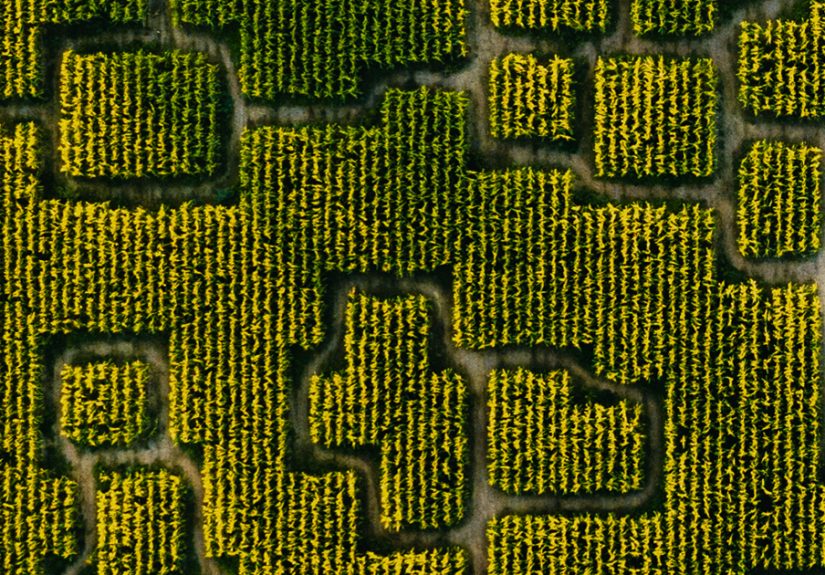
The 50 finalists from the 2019 contest matter because they reflect several major trends in modern nature photography. First, aerial perspectives became more common. Drones allowed photographers to reveal patterns invisible from the ground: braided rivers, terraced farms, salt flats, beaches, and desert ridges that look like abstract paintings. Second, night photography gained popularity, especially images blending landscapes with stars, volcanic glow, or the Milky Way. Third, photographers increasingly looked beyond famous landmarks, finding beauty in remote villages, quiet lakes, agricultural fields, and weather-beaten coastlines.
In other words, the contest did not simply say, “Here are pretty places.” It said, “Look again.” A rice terrace can become a living sculpture. A storm can become theater. A lake can become a doorway to stillness. A dune can look like a sleeping giant. And a volcano at night can make viewers question whether Earth and outer space are secretly collaborating.
Standout Themes in the 2019 Landscape Finalists
1. Storms, Lightning, and Nature’s Big Mood
Some of the most gripping images in the contest used weather as the main character. Storm photography is thrilling because it captures tension: the air feels charged, the sky becomes textured, and light behaves like it forgot the rules. A photo such as In the Thunderstorm, showing lightning over coastal scenery, demonstrates why dramatic weather can turn a beautiful view into a once-in-a-lifetime frame.
Storm images work because they show conflict. Land versus sky. Calm water versus electric clouds. Human scale versus natural force. They remind viewers that landscapes are not static backdrops. They are alive, expressive, and occasionally very loud.
2. Deserts That Look Like Another Planet
Desert photography has always been a favorite among landscape photographers because it offers shape, shadow, texture, and minimalism. A massive dune in Namibia, for example, can feel both simple and overwhelming. There may be only sand, sky, and a line of shadow, yet the result can be more powerful than a crowded cityscape.
The best desert photos understand rhythm. Curves repeat. Footprints add scale. Morning or evening light carves the land into layers. In a strong desert image, emptiness is not boring; it is the whole point. The quiet becomes the subject.
3. Lakes, Reflections, and the Art of Stillness
Many viewers are drawn to lake photographs because they offer visual calm. Reflections create symmetry, and symmetry gives the brain a pleasant little vacation. Tuyen Lam Lake in Vietnam, for example, has the kind of misty, reflective beauty that makes a viewer want to whisper, even if they are only looking at the image on a laptop while eating cereal.
Reflection photography is tricky because it depends on conditions. Wind can ruin the mirror effect. Harsh light can flatten the mood. But when a photographer catches still water under soft light, the result can feel almost meditative. The image becomes less about geography and more about breathing room.
4. Volcanoes, Night Skies, and Cinematic Scale
Mount Bromo appeared in multiple landscape photography discussions for good reason. Volcanic landscapes already look dramatic during the day, but at night they become something stranger and more mysterious. Add stars, clouds, smoke, or a faint glow, and the scene starts to feel mythological.
Night landscape photography requires technical discipline. Photographers must balance long exposures, focus in darkness, control noise, and protect detail in both the sky and land. When it works, the reward is huge. A nightscape can make a familiar planet feel newly discovered.
What Makes a Landscape Photo “Breathtaking”?
The word “breathtaking” gets thrown around a lot online. A sandwich can be breathtaking if someone adds enough cheese and confidence. But in landscape photography, the word has a more specific meaning. A breathtaking image usually combines at least four elements: strong light, thoughtful composition, emotional atmosphere, and a clear subject.
Light Is the Secret Ingredient
Golden hour and blue hour remain favorites because they soften shadows and add color depth. Sunrise can turn cold mountains pink. Sunset can make a desert glow. Blue hour can transform a lake into a quiet sheet of steel. Light is not just illumination; it is storytelling.
Composition Gives the Eye a Road Map
A great landscape photo does not simply point a camera at scenery and hope for applause. It guides the viewer. Leading lines, foreground interest, framing elements, repeating patterns, and balanced horizons all help the eye move through the image. A winding path, a river, a ridge, or even a line of trees can act like a visual invitation.
Atmosphere Adds Emotion
Mist, rain, snow, dust, clouds, and haze can completely change the feeling of a place. Clear skies are nice, but atmosphere gives a photo personality. A mountain under plain daylight may look impressive; the same mountain half-hidden in fog may look legendary.
Scale Makes Viewers Feel Something
Many of the best landscape photos include a tiny human, boat, tree, tent, animal, or building to show scale. Without scale, a cliff is just a cliff. With a small figure standing beneath it, the cliff becomes enormous. The viewer suddenly understands the size of the world and the delightful smallness of being human.
The Role of Technology in the 2019 Landscape Boom
By 2019, photography had become more democratic than ever. High-quality cameras were widely available, drones were changing aerial storytelling, and smartphones were surprisingly capable. Social photography platforms made it possible for creators from remote regions to reach global audiences without needing a traditional gallery, magazine contract, or mysterious friend named “Gary in publishing.”
This shift mattered because landscape photography benefited from diversity of viewpoint. The world did not need another thousand identical photos from the same famous overlook. It needed fresh angles, local knowledge, and photographers willing to show less familiar corners of the planet. Contests like #Landscape2019 helped reveal how much talent exists outside the usual professional circles.
Still, technology is only part of the story. A drone can fly, but it cannot feel wonder. A camera can capture detail, but it cannot decide why a scene matters. The photographer still has to make choices: where to stand, when to wait, what to include, what to leave out, and when to press the shutter. The best images from the contest prove that gear helps, but vision wins.
Lessons Photographers Can Learn From the Finalists
Scout Before You Shoot
Great landscape photos often begin long before the camera comes out. Photographers study weather, tide charts, maps, sun direction, moon phases, and access routes. They plan, then they adapt, because nature enjoys changing the schedule without sending a calendar invite.
Return to the Same Place
One visit rarely reveals everything. A lake may be dull at noon but magical at dawn. A mountain may disappear in clouds one day and glow perfectly the next. Returning to a location teaches patience and increases the chance of extraordinary conditions.
Use People Carefully
Including a person in a landscape can create scale and emotional connection, but the person should support the scene rather than hijack it. A small silhouette on a ridge can be powerful. A neon jacket doing jazz hands in the foreground may be less timeless, unless the theme is “lost tourist discovers caffeine.”
Edit With Respect
Modern editing tools are powerful, but landscape photography is most convincing when processing enhances mood without destroying believability. Color, contrast, clarity, and exposure adjustments should help the image express what the scene felt like, not turn every sunset into radioactive orange soup.
Why Landscape Photography Connects With So Many People
Landscape photos speak a universal language. You do not need to know the photographer, the location, or the camera settings to feel something. A glowing mountain can inspire awe. A quiet forest can bring peace. A stormy ocean can stir adrenaline. A desert can make silence visible.
In a fast digital world, landscape photography offers a pause. It encourages viewers to look longer. It reminds people that beauty is not limited to luxury travel brochures or heavily filtered vacation posts. Beauty is in weather, patience, wildness, and perspective. Sometimes it is in a famous destination. Sometimes it is in a field near home when the fog arrives at exactly the right time.
The 2019 contest also highlighted how landscapes connect to memory. Many images are not only about what is seen but about what the photographer experienced: the cold morning, the long hike, the difficult climb, the waiting, the failed attempts, the sudden break in the clouds. Viewers see the final image, but behind it is often a very human story involving sore legs and a backpack full of snacks.
Responsible Travel and Ethical Landscape Photography
Beautiful landscape photos can inspire travel, but inspiration comes with responsibility. When a photo makes a hidden location famous, that place may face more foot traffic, litter, erosion, noise, and unsafe behavior. Photographers have a role to play in protecting the places they celebrate.
Responsible landscape photography means staying on trails when required, respecting wildlife, following local rules, avoiding damage to plants and fragile surfaces, and not risking lives for a dramatic angle. No photograph is worth trampling a protected meadow or standing somewhere clearly marked as dangerous. The planet is photogenic, but it is not a movie set built for our convenience.
The best photographers understand that conservation and creativity are not enemies. In fact, respect often improves the work. Moving slowly, observing carefully, and learning about a place can lead to more meaningful images. A responsible photographer does not just take a picture from the landscape; they bring back a story that encourages others to value it.
Experience Section: What It Feels Like to Chase a Breathtaking Landscape Photo
Anyone who has tried landscape photography knows the glamorous truth: half the adventure is waiting around in uncomfortable clothing. You wake up in the dark, question every life choice that led to a 4:30 a.m. alarm, pack gear with the grace of a sleepy raccoon, and head toward a location you hope will look incredible when the sun rises. Sometimes it does. Sometimes clouds block everything and you photograph a gray rectangle with confidence.
But when the conditions work, the experience is unforgettable. Imagine standing beside a lake before sunrise. The air is cold enough to make your fingers complain, but the water is perfectly still. At first, the scene is nearly colorless. Then the horizon begins to warm. A strip of pink appears behind the trees. Mist lifts from the surface. Suddenly, the reflection becomes clearer than the real shoreline, and you realize you are not just taking a photo. You are witnessing a quiet performance that will never repeat in exactly the same way.
Desert photography feels completely different. The silence is bigger. Your footsteps sound too loud. The dunes shift from gray to gold as the sun climbs, and every ridge becomes a blade of shadow. The challenge is deciding where to place the frame because the landscape seems endless. You learn quickly that deserts are not empty. They are full of texture, heat, curves, wind marks, and tiny details that reward attention.
Mountain photography brings another kind of humility. A peak may look close on a map and then take three hours, two wrong turns, and one emotional granola bar to reach. Weather changes quickly. The best view may appear for only thirty seconds between clouds. You set up the tripod, adjust the composition, check the exposure, and then wait. When the light finally hits the summit, everything else disappears. The cold, the climb, the heavy bag, the missed breakfastall forgiven.
Night landscapes may be the most surreal. Standing under a sky full of stars near a volcano, canyon, or coastline can make daily problems feel very small. The camera sees more than the eye at first, slowly gathering light over long exposures. When the image appears on the screen, it feels like a secret message from the universe. That is why contests like Our Landscape 2019 resonate so strongly. They do not only display beautiful places; they capture the emotional reward of being present, patient, and amazed.
The best experience, however, often comes after the shot. You return home dusty, tired, and possibly carrying three memory cards full of almost-good images. Then you find the frame where everything came together: the cloud, the light, the reflection, the scale, the mood. That single photo becomes a souvenir of attention. It proves that for one brief moment, you noticed the world doing something extraordinary.
Conclusion: A Contest That Made the World Feel Bigger
50 Breathtaking Photos From Our Landscape 2019 Contest remains a compelling topic because it captures more than scenic beauty. It shows how photographers around the world interpret land, light, weather, and wonder. From volcanic night skies to quiet lakes, from massive dunes to storm-lit coastlines, the collection reminds us that Earth is not short on drama. We are just occasionally too busy checking notifications to notice.
The contest also proves that landscape photography is both accessible and demanding. Anyone can point a camera at a view, but creating a memorable image requires patience, timing, composition, and emotional awareness. The 50 finalists succeeded because they transformed scenery into story. They gave viewers a reason to pause, imagine, and maybe start planning the next adventurepreferably with good shoes, extra water, and a fully charged camera battery.
In the end, breathtaking landscape photography is not only about where the photographer stood. It is about how deeply they looked. The Our Landscape 2019 contest celebrated that rare combination of place, patience, and perspective. And years later, the images still do what great landscape photos always do: they make the world feel bigger, wilder, and beautifully worth protecting.