Table of Contents >> Show >> Hide
- The Night Everything Went Sideways on SNL
- Why the Backlash Was So Intense
- Ashlee Simpson’s 2005 Return to Saturday Night Live
- “Catch Me When I Fall” and the Sound of a Comeback
- The Bigger Conversation: Lip-Syncing, Live TV, and Pop Expectations
- How Ashlee Simpson Reframed the Incident Years Later
- The Masked Singer Win and a New Chapter
- Why the Story Still Fascinates People
- Lessons From Ashlee Simpson’s Return to SNL
- Experience-Based Reflections: What This Story Feels Like Beyond Fame
- Conclusion: The Return Matters More Than the Fall
Few live-TV mishaps have lived rent-free in pop culture’s attic quite like Ashlee Simpson’s 2004 Saturday Night Live lip-sync incident. It had everything the early-2000s media machine loved: a rising pop star, a famous stage, a technical mistake, a very awkward little dance, and a public reaction so dramatic you would think someone had accidentally launched a toaster into space.
But the part people often forget is this: Ashlee Simpson returned to Saturday Night Live. Not ten years later with a nostalgic wink. Not in a documentary clip. She went back the very next season, in 2005, and performed live on the same show where she had been publicly humiliated. That return did not erase the scandal, but it changed the story. It turned a viral embarrassment into a case study in resilience, celebrity pressure, and how one bad night does not get to write the whole biography.
Today, the phrase “Ashlee Simpson SNL lip-sync scandal” still draws attention, but the story has matured. It is no longer just about a backing track gone rogue. It is about what happens when a young artist is judged in real time, then spends years proving she is more than a meme.
The Night Everything Went Sideways on SNL
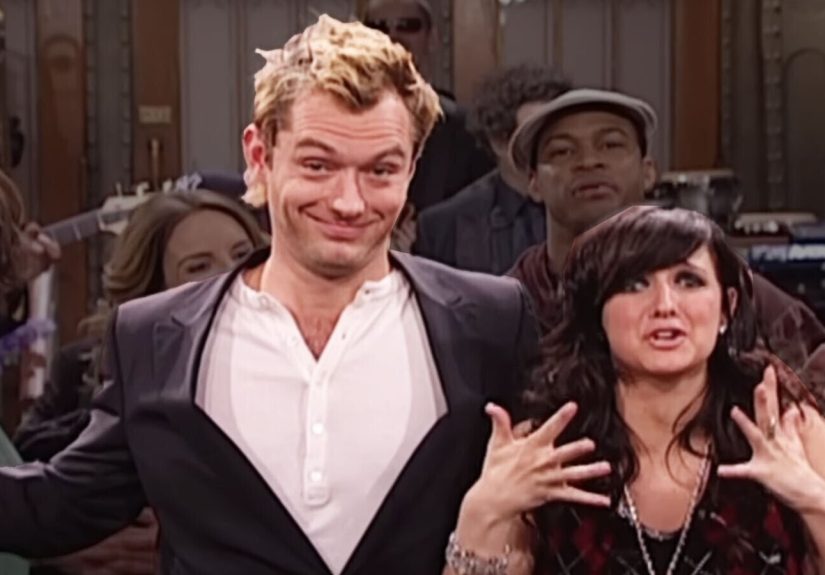
On October 23, 2004, Ashlee Simpson appeared as the musical guest on Saturday Night Live, hosted by Jude Law. At the time, she was one of pop music’s biggest new names. Her debut album Autobiography had reached No. 1 on the Billboard 200, and “Pieces of Me” had become a signature early-2000s pop-rock anthem. She was not merely “Jessica Simpson’s younger sister” anymore; she had her own look, her own sound, and an MTV audience that followed her every move.
Then came the second performance. Simpson was expected to perform “Autobiography,” but the vocal track for “Pieces of Me” began playing instead. The band kept going, the stage lights stayed bright, and Simpson stood there in the kind of panic that only live television can produce. She did a brief, nervous dance, then walked off the stage.
If this had happened at a soundcheck, maybe someone would have laughed, reset the track, and moved on. But this was SNL, a show built on the promise that anything can happen live. Unfortunately for Simpson, “anything” turned out to mean being exposed to millions of viewers as using a prerecorded vocal track.
Why the Backlash Was So Intense
The reaction was immediate and brutal. Viewers accused Simpson of being fake. Critics treated the moment as proof that the pop industry was packaging image over talent. Late-night jokes followed. Headlines piled up. The internet, still young but already learning how to throw tomatoes at celebrity targets, had found a moment it could replay endlessly.
Simpson later explained that she had been dealing with vocal problems, including acid reflux and issues affecting her voice. Her team’s decision to use backing vocals was presented as a protective measure, not a grand conspiracy against live music. Still, the explanation did not calm the public. In the court of pop culture, nuance is often escorted out by security.
Part of the outrage came from the era itself. In 2004, pop stars were expected to be polished but also “real,” a contradiction that made about as much sense as asking a cat to file taxes. Reality TV had made audiences feel personally connected to celebrities, while gossip magazines turned every mistake into a character flaw. Simpson, who was only 20 years old, became a symbol for a much bigger debate about authenticity in pop music.
Ashlee Simpson’s 2005 Return to Saturday Night Live
Here is the twist: Ashlee Simpson did not disappear. On October 8, 2005, she returned to Saturday Night Live as the musical guest during an episode hosted by Jon Heder, the star of Napoleon Dynamite. The booking itself was quietly bold. Returning to the same stage after a public embarrassment is not a casual calendar item. That is not “swing by the grocery store” energy. That is “walk back into the dragon’s mouth with better shoes” energy.
Simpson performed “Catch Me When I Fall” and “Boyfriend,” two songs from her second album, I Am Me. “Catch Me When I Fall” carried obvious emotional weight because it reflected the vulnerability that followed the original SNL debacle. The title alone felt like a reply to the crowd, the critics, and anyone who had decided her story was over.
The 2005 appearance did not become as famous as the scandal. That is part of the unfairness of public memory: the mistake gets a neon sign, while the recovery gets a footnote. But the return matters. Simpson showed up, sang, and continued building her career. That act of going back was less flashy than a redemption montage, but it was more meaningful.
“Catch Me When I Fall” and the Sound of a Comeback
“Catch Me When I Fall” was not just another album track. It functioned as a public emotional checkpoint. The song acknowledged what happens after humiliation: the second-guessing, the defensiveness, the fear of being reduced to one bad moment. It also showed that Simpson understood something important about comeback stories: the strongest ones do not pretend the fall never happened.
Her second album, I Am Me, arrived in 2005 and became another commercial success. That point is important because it complicates the myth that the SNL incident instantly destroyed her career. It certainly damaged her public image, but Simpson still had fans, still released music, and still toured. The scandal became a shadow, but it was not the entire room.
The Bigger Conversation: Lip-Syncing, Live TV, and Pop Expectations
The Ashlee Simpson lip-sync incident remains memorable because it exposed a truth audiences already suspected: live television is not always as live as it looks. Pop performances often use backing tracks, guide vocals, click tracks, and technical support. Some artists use them to protect a voice during heavy touring. Others use them for choreography-heavy performances. The issue is not always the existence of a track; it is whether the audience feels tricked.
Simpson’s mistake happened at the exact wrong place and time. Saturday Night Live has a special cultural contract with viewers. The sketches may flop, the cue cards may wobble, and a cast member may break character, but the chaos is part of the charm. When a musical guest appears to be miming to a recording, that contract feels broken.
Still, the punishment did not fit the crime. A young singer had a vocal issue, a technical problem occurred, and she panicked. That is embarrassing, yes. But the public reaction became strangely moralistic, as if lip-syncing on television were the eighth deadly sin, right after stealing office snacks.
How Ashlee Simpson Reframed the Incident Years Later
In later interviews, Simpson described the backlash as painful, intense, and dehumanizing. She has also said the experience taught her resilience and the importance of saying no when something does not feel right. That reflection matters because it shifts the story away from spectacle and toward personal growth.
Looking back, Simpson has been able to laugh about parts of the incident, but that humor comes from distance. At the time, she was a young woman being publicly mocked in a media environment that was not known for gentleness. The early 2000s treated young female celebrities like public property: praised one week, picked apart the next, then expected to smile through it all in low-rise jeans.
Her more recent comments show someone who does not deny the embarrassment but refuses to be defined by it. That is a healthier and more honest version of redemption. She is not saying the moment did not happen. She is saying it is not the only thing that happened.
The Masked Singer Win and a New Chapter
In 2026, Ashlee Simpson returned to the television spotlight in a very different way: as Galaxy Girl on The Masked Singer. Winning the season gave her a chance to perform without the old visual baggage attached to her name. Behind a mask, the audience had to listen first and judge later. That reversal was powerful.
The victory also reopened conversation about her SNL history, but this time the tone was different. Instead of simply replaying the awkward clip, many discussions focused on endurance, confidence, and the cruelty of the earlier backlash. Simpson has said she would be open to returning to Studio 8H again, not because she needs to prove herself, but because the chapter no longer controls her.
That is the real full-circle moment. The best comeback is not always a flawless performance under perfect lighting. Sometimes it is reaching the point where the old joke no longer hurts.
Why the Story Still Fascinates People
The Ashlee Simpson SNL incident remains popular because it combines several timeless ingredients: fame, failure, live television, public shame, and a comeback. People are drawn to celebrity mistakes because they make famous people seem human. But the fascination also reveals something uncomfortable about audiences. We often say we love authenticity, then punish people severely when their imperfect reality appears.
Simpson’s story is especially sticky because it happened before today’s social media cycle. If the same thing happened now, the clip would explode on TikTok by midnight, become a meme by breakfast, inspire twelve apology-note templates by lunch, and be replaced by a raccoon stealing nachos by dinner. In 2004, however, a scandal could linger for months through magazines, entertainment shows, message boards, and late-night jokes.
That slower media cycle made the embarrassment harder to escape. Simpson did not just go viral; she became a pop culture reference point. The fact that people still discuss the moment more than two decades later proves how strongly live-TV disasters can attach themselves to a celebrity’s public identity.
Lessons From Ashlee Simpson’s Return to SNL
1. One Public Mistake Does Not Equal a Whole Career
Simpson’s return to Saturday Night Live shows that one failure, even a spectacularly awkward one, does not have to end the story. Careers are built over time. So are reputations. A bad night can become part of the narrative without becoming the entire plot.
2. Going Back Takes Courage
It is easy to say someone should face their fears. It is harder to actually walk back onto the same stage where millions watched you stumble. Simpson’s 2005 performance was not just a promotional stop; it was an act of professional courage.
3. Public Memory Is Selective
Many people remember the lip-sync disaster but forget the return. That imbalance says a lot about how culture stores celebrity stories. Mistakes are easier to package than recovery. Embarrassment is clickable. Growth requires attention.
4. Humor Helps, But Time Helps More
Simpson can laugh about the incident now because she survived it. Humor is often the final stage of healing, not the first. Nobody wants to be told to “just laugh it off” while the internet is using them as a piñata.
Experience-Based Reflections: What This Story Feels Like Beyond Fame
Most of us will never have a vocal track betray us on national television. Thank goodness. My own worst stage experiences have involved smaller disasters: a microphone that died mid-sentence, a presentation slide that froze on the least helpful possible image, and one unforgettable moment when I confidently introduced the wrong person at an event. No one made a national scandal out of it, but my soul did briefly leave my body and hover near the ceiling fan.
That is why Ashlee Simpson’s SNL story still resonates. Strip away the celebrity, the tabloids, and the famous Studio 8H stage, and the core experience is familiar: something goes wrong in public, your brain turns into mashed potatoes, and suddenly you are trying to decide whether to recover gracefully or flee into the nearest decorative plant. Simpson chose flight in the moment, which is human. Later, she chose return, which is brave.
Anyone who has failed in front of others knows the hardest part is not always the mistake itself. It is the replay. You replay the moment in your head while brushing your teeth. You replay it while answering emails. You replay it at 2:17 a.m. for no useful reason, because apparently the brain has a premium subscription to embarrassment reruns. That emotional loop can make the next attempt feel impossible.
The practical lesson from Simpson’s return is not “pretend nothing happened.” That rarely works. The better lesson is to create a second data point. If the first public moment says, “I froze,” the second can say, “I came back.” A second attempt does not erase the first, but it gives people a more complete picture. More importantly, it gives you a more complete picture of yourself.
For performers, students, professionals, creators, and anyone who has ever bombed spectacularly, Simpson’s story is a reminder that embarrassment has a loud voice but a short attention span if you keep moving. The crowd may remember the stumble, but you are allowed to remember the recovery. You are allowed to become bigger than the clip, the comment, the awkward meeting, the botched audition, or the sentence you wish you could chase down the hallway and delete.
In a strange way, the SNL incident may have made Simpson’s later confidence more believable. Perfect careers can feel polished but distant. Imperfect careers feel lived-in. They have dents, scratches, and a few “please do not replay that” moments. That does not make them weaker. It makes them real. And in the long run, real tends to age better than flawless.
Conclusion: The Return Matters More Than the Fall
Ashlee Simpson’s Saturday Night Live lip-sync humiliation became one of the most infamous live-TV music moments of the 2000s. But the more important part of the story is that she returned. She faced the stage again, continued making music, and eventually reclaimed the narrative with humor, maturity, and perspective.
The scandal may always be part of her public history, but it is not the whole history. Simpson’s 2005 SNL return, later reflections, and renewed television success show a performer who learned how to stand back up after pop culture tried to freeze her in one awkward frame. That is not just a celebrity comeback story. It is a reminder that the fall gets attention, but the return builds character.