Table of Contents >> Show >> Hide
- Why Carpet Odors Are So Stubborn
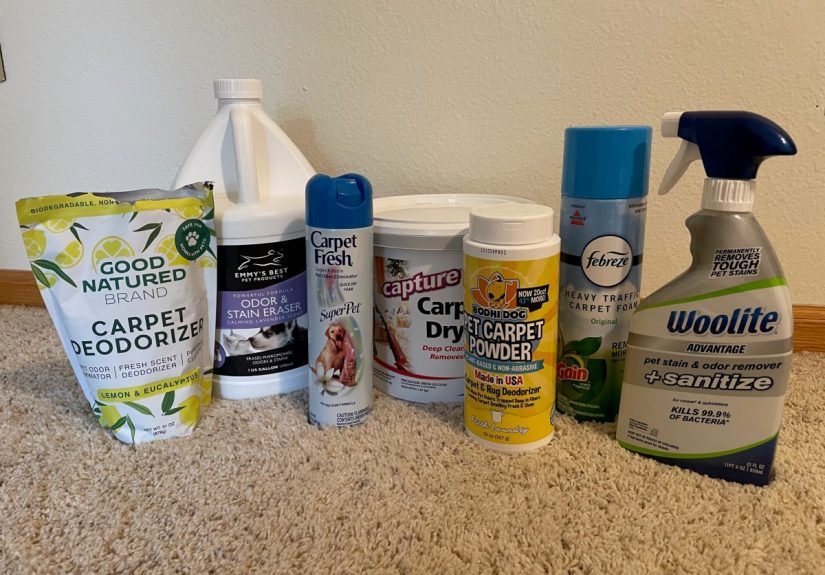
- Quick Verdict: The Best Carpet Deodorizers of 2025
- How Bob Vila Tested Carpet Deodorizers
- Best Overall: Woolite Advanced Pet Stain & Odor Remover + Sanitize
- Best Budget Powder: Arm & Hammer Pet Fresh Carpet Odor Eliminator
- Best Dry Carpet Cleaner: Capture Carpet & Rug Dry Cleaner
- Best Foam: Febreze Gain Original Heavy Traffic Carpet Foam
- Best Enzyme Option: Emmy’s Best Pet Products Pet Odor & Stain Eraser
- Best Natural-Style Powder: Bodhi Dog Pet Carpet Powder
- Best Fresh Scent Powder: Good Natured Brand Carpet Deodorizer
- Spray vs. Powder vs. Foam: Which Carpet Deodorizer Should You Choose?
- Buying Guide: What to Look for in the Best Carpet Deodorizer
- How to Deodorize Carpet the Right Way
- Common Mistakes to Avoid
- When a Carpet Deodorizer Is Not Enough
- Real-World Experience: What It Is Like Living With Carpet Deodorizers
- Final Thoughts
Note: This article is a fully rewritten, publication-ready synthesis of current carpet deodorizer testing, carpet-care guidance, product information, and real-world cleaning practices. It is written for readers who want fresher carpets without turning the living room into a perfume factory.
Why Carpet Odors Are So Stubborn
Carpet is cozy, soft, and wonderfully forgiving when you would rather walk barefoot than sweep crumbs for the third time today. Unfortunately, it is also a giant odor sponge. Pet accidents, wet shoes, spilled coffee, snack dust, cooking smells, smoke, humidity, and everyday foot traffic can settle deep into carpet fibers. Once those smells move in, they do not always leave politely.
That is where carpet deodorizers come in. The best carpet deodorizers of 2025 are not just “sprinkle, sniff, and hope” products. Bob Vila’s recent testing focused on sprays, foams, and powders that handle common household odors in practical ways. Some neutralize smells with baking soda or absorbent powder. Others use enzymatic, oxygen-based, or sanitizing formulas to attack the source of the odor. The difference matters because a dog-accident odor and a stale high-traffic hallway odor are not the same beast.
In simple terms, a good carpet deodorizer should do three things: reduce odor, avoid damaging carpet, and not leave behind a weird residue that makes your vacuum sound like it is eating drywall. Bonus points if it is easy to use, smells pleasant but not aggressive, and works on upholstery, rugs, pet beds, or car interiors too.
Quick Verdict: The Best Carpet Deodorizers of 2025
| Category | Recommended Product | Best For |
|---|---|---|
| Best Overall | Woolite Advanced Pet Stain & Odor Remover + Sanitize | Pet messes, odor control, stain removal, sanitizing |
| Best Powder Value | Arm & Hammer Pet Fresh Carpet Odor Eliminator | Budget-friendly whole-room freshening |
| Best Dry Cleaner | Capture Carpet & Rug Dry Cleaner | Low-moisture carpet refreshes and light stains |
| Best Foam | Febreze Gain Original Heavy Traffic Carpet Foam | High-traffic areas and lingering household smells |
| Best Enzyme Option | Emmy’s Best Pet Products Pet Odor & Stain Eraser | Pet urine, vomit, feces, and repeat marking |
| Best Natural-Style Powder | Bodhi Dog Pet Carpet Powder | Homes wanting a gentler powder formula |
| Best Fresh Scent Powder | Good Natured Brand Carpet Deodorizer | Fragrance-forward carpet freshening |
How Bob Vila Tested Carpet Deodorizers
Bob Vila’s 2025 carpet deodorizer testing compared eight popular products across several formats: sprays, powders, and foams. The test looked at ease of application, odor-fighting performance, scent, residue, value, and whether the carpet still smelled fresh after time had passed. That is important because some products smell impressive for 15 minutes and then vanish faster than snacks at a movie night.
The testing also considered practical household use. A carpet deodorizer should be simple enough for a quick refresh but strong enough to handle real messes. The best products worked not only on carpet but also, where appropriate, on rugs, upholstery, couch pillows, curtains, or car fabrics. That versatility is especially helpful for homes with pets, kids, guests, and mysterious smells nobody wants to investigate too closely.
Best Overall: Woolite Advanced Pet Stain & Odor Remover + Sanitize
Woolite Advanced Pet Stain & Odor Remover + Sanitize earned the strongest overall impression because it does more than freshen the top layer of carpet. It is a spray formula designed to clean, deodorize, and sanitize, making it especially useful for pet accidents and odor sources that need more than fragrance.
The formula uses hydrogen peroxide as an active ingredient, which helps break down stains and neutralize odors. It is also designed to kill certain bacteria on carpets and soft surfaces when used as directed. That gives it an advantage over basic carpet powders, especially when the smell comes from urine, vomit, feces, or other organic messes.
What Makes It Stand Out
The biggest advantage is convenience. Spray the affected area, let the product work, blot or vacuum as directed, and move on with life. It has a clean, lightly lemony scent rather than an overpowering “chemical meadow” aroma. For households with dogs, cats, or children, that balance matters.
The main caution is material compatibility. Hydrogen peroxide can have a mild bleaching effect, so it is smart to spot-test in a hidden area first. It is not suitable for every delicate material, including some wool, silk, velvet, vinyl, or leather surfaces. In other words, do not treat your heirloom rug like a gym mat and hope for the best.
Best Budget Powder: Arm & Hammer Pet Fresh Carpet Odor Eliminator
Arm & Hammer Pet Fresh Carpet Odor Eliminator remains a popular choice because it is affordable, widely available, and familiar. Its baking soda-based approach helps absorb and neutralize odors while adding a fresh scent. For large carpeted rooms, hallways, and everyday pet smells, it is a simple “sprinkle, wait, vacuum” option.
This type of carpet deodorizer is best for general freshness rather than wet stains or deep urine contamination. If the odor source is dry, mild, or spread across a room, a powder can work beautifully. If the odor source is a fresh accident, clean the mess first and use an enzyme or stain-and-odor spray before reaching for powder.
Where It Works Best
Use it before guests arrive, after vacuuming pet-heavy rooms, or when a carpet smells stale from normal traffic. Letting the powder sit longer gives it more time to absorb odor, but always vacuum thoroughly. Powder residue can bother sensitive noses, pets, or vacuums if left behind.
Best Dry Carpet Cleaner: Capture Carpet & Rug Dry Cleaner
Capture Carpet & Rug Dry Cleaner is a strong pick for people who want deodorizing plus light cleaning without soaking the carpet. Unlike wet sprays or shampoo machines, dry carpet cleaners use absorbent particles to grab dirt, odor, and light residue. Then you vacuum everything away.
This is useful for area rugs, traffic lanes, apartment carpets, or homes where long drying time is inconvenient. It is also a good middle ground between a basic deodorizing powder and a full carpet-cleaning machine. If your carpet needs a refresh but you do not want to drag out a machine that looks like it belongs in a submarine, Capture makes sense.
Best Foam: Febreze Gain Original Heavy Traffic Carpet Foam
Foam carpet deodorizers are handy for high-traffic areas because they spread evenly and can help lift surface grime while freshening odors. Febreze Gain Original Heavy Traffic Carpet Foam is designed for carpets that deal with frequent walking, cooking smells, pet odors, and general household funk.
The scent is more noticeable than many sprays or natural powders, so it is best for people who enjoy a clean-laundry-style fragrance. If you are fragrance-sensitive, use it sparingly or choose an unscented or lightly scented alternative. A carpet should smell clean, not like it joined a marching band of fabric softener.
Best Enzyme Option: Emmy’s Best Pet Products Pet Odor & Stain Eraser
Enzyme cleaners are especially useful for organic odors. Pet urine, feces, vomit, food spills, sweat, and similar messes can leave behind odor-causing residue. Enzymatic formulas help break down those organic materials rather than simply covering them with fragrance.
Emmy’s Best Pet Products Pet Odor & Stain Eraser is a practical option for pet owners because it targets stains, odors, and repeat soiling. That last part matters: if a pet can still smell the old accident, the same spot may become a bathroom encore performance. Nobody asked for that sequel.
How to Use Enzyme Cleaners Correctly
Enzyme products need time. Blot up as much mess as possible, apply the cleaner generously enough to reach the affected fibers, and let it dwell according to the label. Do not rush the process with heat, and do not mix enzyme cleaners with bleach or ammonia-based products. Strong chemicals can interfere with the formula and may create unsafe fumes.
Best Natural-Style Powder: Bodhi Dog Pet Carpet Powder
Bodhi Dog Pet Carpet Powder appeals to households that want a gentler powder option for carpets, rugs, and pet-heavy rooms. Its formula is marketed as baking soda-free and uses absorbent ingredients designed to freshen carpet while loosening dirt and fur.
This is a nice option for routine maintenance, especially in bedrooms, pet areas, and living spaces where you want a fresh scent without a heavy cleaner. As with any powder, keep pets and children away during application and vacuum thoroughly before letting everyone flop back onto the floor.
Best Fresh Scent Powder: Good Natured Brand Carpet Deodorizer
Good Natured Brand Carpet Deodorizer is another powder-style option aimed at pet odors and general carpet freshness. It is especially appealing for people who like botanical or citrus-style scents and want a product that feels more homey than industrial.
The key is moderation. Strong fragrance can be pleasant at first but overwhelming in small rooms. Start with a light application, wait, vacuum slowly, and then decide whether the room needs more. With carpet deodorizers, “more” is not always “better.” Sometimes it is just “now the hallway smells like a candle store had a nervous breakdown.”
Spray vs. Powder vs. Foam: Which Carpet Deodorizer Should You Choose?
Choose a Spray If You Have Specific Spots
Sprays are best for targeted messes. If the dog had an accident near the sofa, the toddler spilled juice, or something suspicious happened behind the recliner, a spray lets you treat the exact area. Look for enzyme formulas for organic pet messes and oxygen-based or sanitizing formulas for stains and odor combined.
Choose a Powder If the Whole Room Smells Stale
Powders are best for broad deodorizing. They work well in bedrooms, hallways, playrooms, and pet zones that smell slightly stale even after vacuuming. Baking soda-based powders can absorb odors, while scented powders leave behind a fresher aroma.
Choose a Foam for Traffic Lanes
Foams are a good match for entryways, living rooms, and carpet paths that collect dirt and odor from daily use. They can provide more surface-cleaning action than basic powders while still being easier than a full carpet shampoo session.
Buying Guide: What to Look for in the Best Carpet Deodorizer
1. Odor Source
Pet urine needs a different solution than cooking smells. For urine and organic messes, choose enzyme or stain-and-odor formulas. For general room freshness, a powder may be enough. For traffic grime, foam or dry cleaner can be more effective.
2. Carpet Material
Always check the label. Some products are not safe for wool, silk, velvet, leather, vinyl, polypropylene, or delicate upholstery. Spot-testing is boring, yes, but replacing a rug because of one enthusiastic cleaning session is much worse.
3. Fragrance Strength
Some people love a strong fresh scent. Others get a headache if a cleaner so much as whispers “lavender.” Choose accordingly. For allergy-prone households or homes with sensitive pets, fragrance-free or lightly scented formulas may be better.
4. Residue
Powders can leave residue if overapplied or poorly vacuumed. Foams can feel sticky if used too heavily. Sprays can leave moisture if oversaturated. Follow directions and avoid the temptation to turn a small odor problem into a carpet chemistry experiment.
5. Safety and Certifications
Products with EPA Safer Choice recognition or Carpet & Rug Institute approval can offer extra confidence. These programs do not mean every product is perfect for every home, but they help shoppers identify formulas designed with performance and safer use in mind.
How to Deodorize Carpet the Right Way
- Vacuum first. Remove loose dirt, hair, crumbs, and dust before applying any deodorizer.
- Spot-test. Apply a small amount in a hidden area and wait to check for discoloration or texture changes.
- Treat stains before deodorizing. Odor often comes from residue, so remove the mess first.
- Use the right dwell time. Powders need time to absorb. Enzyme sprays need time to break down organic material.
- Vacuum slowly. Multiple passes help remove powder and loosened debris.
- Repeat only if needed. Heavy odors may need more than one treatment or professional cleaning.
Common Mistakes to Avoid
Do not use carpet deodorizer on wet carpet unless the label says it is safe. Powder plus moisture can clump, cake, and become difficult to remove. Do not mix cleaning chemicals, especially bleach and ammonia. Do not oversaturate carpet pads with sprays, because moisture trapped underneath can worsen odors. And please, do not assume a stronger scent means a cleaner carpet. Sometimes it just means the bad smell is now wearing cologne.
For pet odors, avoid ammonia-based cleaners. Urine contains ammonia-like compounds, and that scent can encourage pets to revisit the same spot. Enzyme cleaners are usually the smarter choice for biological messes.
When a Carpet Deodorizer Is Not Enough
Carpet deodorizers are excellent for surface odors, light pet smells, stale rooms, and maintenance between deep cleans. However, they cannot magically repair soaked carpet padding, mold problems, severe smoke contamination, or years of untreated pet accidents. If the odor returns quickly after cleaning, the source may be below the carpet surface.
In that case, consider a carpet cleaning machine, professional hot-water extraction, pad replacement, or rug cleaning by a specialist. A deodorizer is a tool, not a miracle wand. Although if someone invents a miracle wand that removes cat pee from carpet padding, the internet will throw a parade.
Real-World Experience: What It Is Like Living With Carpet Deodorizers
Using carpet deodorizers in a real home is different from reading the label in a calm, well-lit store aisle. In real life, you discover the smell at the worst possible time: ten minutes before guests arrive, right after the dog looks suspiciously proud, or when you sit on the floor and realize the carpet has developed a personality.
The first lesson is that vacuuming makes every deodorizer work better. Carpet odor often hides in dust, pet hair, dry soil, and tiny food particles. If you sprinkle powder over that mess without vacuuming first, you are basically seasoning the problem. A slow vacuum pass before treatment gives powders, sprays, and foams a cleaner surface to work on.
The second lesson is that pet odors require patience. With enzyme sprays, the product needs time to reach the same depth as the mess. A quick spritz on top may smell better for a moment, but it will not always solve the problem. For urine spots, blot first, apply enough cleaner to contact the affected fibers, and allow the recommended dwell time. The waiting part is not glamorous, but neither is repeatedly sniffing the same corner of the rug like a detective in a very strange crime show.
The third lesson is to respect fragrance. A fresh scent can make a room feel cleaner, but too much can overwhelm the space. In smaller rooms, scented powders and foams should be used lightly. After vacuuming, open windows or run a fan if the fragrance feels too strong. The goal is “clean home,” not “laundry detergent thunderstorm.”
The fourth lesson is that powders are great for routine maintenance but need thorough removal. If you have a high-pile carpet, use a vacuum with strong suction and make several passes in different directions. This helps pull powder from deeper fibers. For homes with crawling babies or pets that roll, dig, or lick their paws, careful vacuuming is especially important.
The fifth lesson is that not every carpet should be treated the same way. Synthetic wall-to-wall carpet can often handle common sprays and powders, but wool rugs, antique rugs, silk blends, and specialty upholstery need caution. A hidden spot test can save you from discoloration, texture changes, or a cleaning regret that lives in the center of your living room.
In everyday use, the best routine is simple: vacuum weekly, deodorize lightly as needed, treat accidents immediately, and deep-clean periodically. Keep one enzyme cleaner for pet emergencies, one powder for whole-room freshness, and one foam or dry cleaner for traffic lanes. That small cleaning “toolkit” covers most household carpet odors without turning your closet into a janitorial supply warehouse.
For 2025, Bob Vila’s testing points to a practical truth: the best carpet deodorizer is not always the strongest-smelling one. It is the one that fits the odor, the carpet, and the people or pets living on it. Woolite is a smart overall pick for stain-and-odor situations, Arm & Hammer is hard to beat for affordable room freshening, Capture is useful when you want a dry-cleaning approach, and enzyme products like Emmy’s Best are valuable when pets are involved.
Final Thoughts
The best carpet deodorizers of 2025 make carpet care easier, fresher, and far less dramatic. If you want one product for the toughest everyday messes, Woolite Advanced Pet Stain & Odor Remover + Sanitize is the strongest all-around choice from Bob Vila’s testing. If you want an affordable whole-room refresh, Arm & Hammer Pet Fresh Carpet Odor Eliminator is a dependable powder. If you prefer a dry-cleaning approach, Capture Carpet & Rug Dry Cleaner is worth considering. For pet accidents, enzyme-based formulas deserve a permanent place in the cleaning cabinet.
Choose based on the odor source, not the prettiest label. Use sprays for spots, powders for stale rooms, foams for traffic areas, and professional cleaning when odors sink below the carpet. Your carpet may never smell like a mountain meadow at sunrise, but it also does not have to smell like dog paws, old popcorn, and mystery. That is a win.