Table of Contents >> Show >> Hide
- Why This Headline Matters
- What the Research Actually Found
- Why Plant-Based Ultra-Processed Foods Can Be Hard on the Heart
- Examples of Plant-Based Foods That Deserve a Second Look
- What a More Heart-Friendly Plant-Forward Diet Looks Like
- How to Shop Smarter Without Becoming a Full-Time Label Detective
- What This Does Not Mean
- Everyday Experiences: What This Looks Like in Real Life
- Final Thoughts
- SEO Tags
Plant-based eating has built a sterling reputation over the years, and honestly, it earned it. Diets rich in beans, lentils, vegetables, fruits, nuts, seeds, and whole grains have long been linked with better heart health. But there is one catch big enough to roll a shopping cart through: not every food stamped “plant-based” is automatically good for your heart.
That matters because heart disease remains the leading cause of death in the United States, and coronary heart disease is still the most common type. So when a new study suggests that plant-based ultra-processed foods may raise cardiovascular risk, it deserves more than a quick scroll and a dramatic gasp. It deserves context, nuance, and maybe a gentle reminder that a vegan cookie is still, in the end, a cookie.
The real issue is not whether plants are healthy. They are. The issue is what happens when those plants are turned into foods that are heavily industrialized, loaded with sodium, refined starches, added sugars, saturated fats, flavor enhancers, and a surprisingly long ingredients list that reads like a chemistry lab’s attendance sheet. That is where the “plant-based” halo can start to wobble.
Why This Headline Matters
Many people now eat less meat for health, ethical, financial, or environmental reasons. Food companies noticed. As a result, supermarket shelves are packed with plant-based burgers, vegan nuggets, dairy-free desserts, instant noodle bowls, meatless deli slices, protein bars, breakfast pastries, and snack foods marketed as modern wellness wins.
Some of those products can absolutely fit into a balanced diet. But others are best understood as occasional convenience foods, not everyday heart-protection strategies. That distinction is important because a heart-healthy eating pattern is not defined by a buzzword on the front of a package. It is shaped by the nutritional quality of the foods inside it.
In other words, eating more plants is smart. Eating more ultra-processed plant products just because they have leaves on the label? That is where the plot thickens.
What the Research Actually Found
A closer look at the 2024 study
A 2024 study published in The Lancet Regional Health – Europe analyzed diet and health data from nearly 127,000 adults in the UK Biobank. Researchers separated plant foods by both origin and level of processing. That is the detail that makes this study especially interesting, because it did not lump lentils and vegan snack cakes into one happy little category called “plants.”
The findings were striking. For every 10% increase in calories from plant-based ultra-processed foods, the risk of cardiovascular disease rose by about 5%. Risk of death from cardiovascular disease also increased. On the other hand, every 10% increase in calories from minimally processed plant foods was linked with a lower risk of cardiovascular disease and a lower risk of cardiovascular death.
That does not mean every plant-based packaged food is dangerous, and it does not prove direct cause and effect. This was an observational study, which means it identified a pattern rather than proving that one food category alone caused disease. But it does reinforce a growing message from cardiology and nutrition experts: when it comes to heart health, processing matters.
Not all processed foods are the same
This is where nuance saves the day. “Processed” is not automatically a dirty word. Frozen vegetables, canned beans, plain oatmeal, tofu, whole-grain bread, and unsweetened plant milk are all processed to some degree, and many can be part of a heart-smart diet. The bigger concern is ultra-processed food: products formulated with multiple industrial ingredients, cosmetic additives, and modifications designed to boost shelf life, flavor, and convenience.
Even Harvard researchers have pointed out that ultra-processed foods do not all behave identically in studies. Nutritional profile still matters. Foods high in sugar, sodium, unhealthy fats, and low in fiber tend to raise the biggest red flags. So this is not a sermon against every item that comes in a box. It is a reminder to look beyond the marketing and judge foods by what they deliver nutritionally.
Why Plant-Based Ultra-Processed Foods Can Be Hard on the Heart
The “health halo” problem
The first problem is psychological. People hear “plant-based” and often assume “heart-healthy,” “light,” or “good for me.” Food companies know this. A product can be vegan, green-packaged, and sold next to the kombucha while still being high in sodium, refined carbs, saturated fat, or added sugar. The label creates a health halo, and suddenly a heavily engineered snack starts auditioning for the role of salad.
That misunderstanding can lead people to overconsume foods that are technically meat-free but still not especially nourishing. A veggie burger made mostly from isolated starches, oils, salt, and additives may still be lower in some harmful compounds than processed meat, but it is not nutritionally equivalent to black beans, lentils, or edamame.
Key nutrients often go in the wrong direction
Heart-healthy dietary advice from major U.S. health organizations consistently emphasizes fruits, vegetables, whole grains, beans, lentils, nuts, seeds, and healthy oils while limiting added sugars, sodium, and saturated fat. Ultra-processed foods often flip that formula upside down.
Many plant-based ultra-processed products are built from refined starches and protein isolates rather than intact foods. Fiber may be reduced. Sodium may rise. Added sugars can sneak in. Some products use coconut or palm-based fats to mimic the mouthfeel of meat or dairy, which can push saturated fat higher than people expect from something marketed as “plant-based.”
And sodium is not a small side note. In the United States, most dietary sodium comes from processed, packaged, and prepared foods. That matters for cardiovascular health because excess sodium can contribute to high blood pressure, one of the biggest heart disease risk factors around.
Convenience can quietly crowd out better foods
Ultra-processed foods are convenient, tasty, and aggressively easy to eat. That is part of their appeal and part of the problem. When a diet leans too heavily on plant-based frozen meals, packaged snacks, sugary cereals, vegan desserts, and grab-and-go “better for you” bars, there is less room left for the foods most strongly associated with heart protection: beans, oats, vegetables, fruit, nuts, seeds, and whole grains.
Sometimes the issue is not just what people are eating, but what those foods are replacing. A breakfast of steel-cut oats with berries and walnuts is one thing. A breakfast of frosted vegan cereal and a plant-based pastry is another. Both may be “plant-based.” Your arteries, however, may notice a difference.
Examples of Plant-Based Foods That Deserve a Second Look
Not every packaged plant food belongs on the caution list, but some common categories deserve a closer glance:
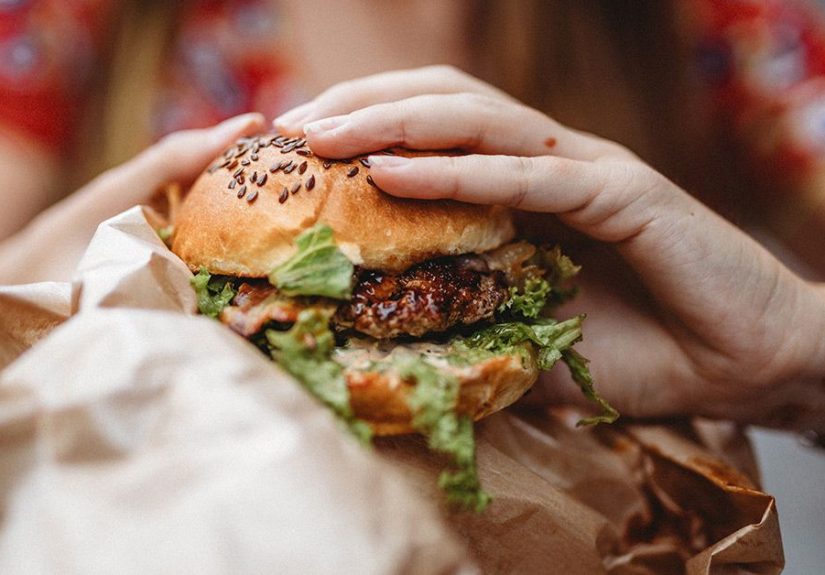
- Plant-based meats: Some are useful transition foods, but many are high in sodium and made from refined ingredients.
- Vegan snack foods: Chips, crackers, cookies, and bars can be plant-based while still being low in fiber and high in salt, sugar, or fat.
- Sweetened plant-based yogurts and desserts: Dairy-free does not automatically mean low in added sugar.
- Instant meals and frozen entrees: These can save time, but many are sodium-heavy and light on vegetables or intact grains.
- Refined packaged baked goods: Muffins, pastries, and sandwich breads labeled vegan may still be nutritionally closer to dessert than to a health food.
- Sugary drinks: Smooth-sounding ingredients do not cancel out a big sugar load.
This is not a call to panic over every convenience item. It is just an invitation to stop assuming “no animal products” equals “heart-supportive.” Sometimes it does. Sometimes it absolutely does not.
What a More Heart-Friendly Plant-Forward Diet Looks Like
Build around foods with recognizable roots
If the goal is lower heart disease risk, the strongest foundation is still beautifully boring: vegetables, fruits, beans, lentils, peas, tofu, nuts, seeds, oats, barley, brown rice, and other whole or minimally processed foods. These foods tend to deliver fiber, potassium, beneficial fats, and compounds associated with better cholesterol, lower blood pressure, and improved overall cardiovascular health.
That does not mean every meal needs to look like a farmers market exploded in your kitchen. It just means your default pattern should be centered on foods that still resemble what they were before the factory got involved.
Practical swaps that actually work
Instead of relying on plant-based convenience foods as the stars of every meal, use them as backups. A few realistic swaps can improve nutritional quality fast:
- Swap plant-based deli slices for hummus, smashed beans, or baked tofu in sandwiches.
- Trade a frozen vegan entrée for a quick grain bowl with brown rice, canned low-sodium beans, salsa, avocado, and vegetables.
- Replace a sugary breakfast bar with oatmeal, chia pudding, or whole-grain toast with nut butter.
- Choose roasted chickpeas, fruit, or nuts over vegan cookies as everyday snacks.
- Use lentils, black beans, or edamame more often instead of depending on meat analogs at every dinner.
These swaps are not glamorous, but neither is bypass surgery. We work with the drama we have.
How to Shop Smarter Without Becoming a Full-Time Label Detective
Start with the Nutrition Facts panel
When comparing plant-based packaged foods, look closely at sodium, added sugars, and saturated fat. Those are the nutritional troublemakers most likely to turn a “healthy choice” into a heart-health fakeout. If two similar products are on the shelf, the one with less sodium, less added sugar, and less saturated fat usually deserves the cart space.
Then scan the ingredient list
A shorter list is not automatically superior, but ingredient lists still tell a story. If the first few ingredients are whole foods such as beans, oats, soy, peas, vegetables, or nuts, that is usually a better sign than a product built mostly from refined flours, syrups, starches, oils, gums, and flavor systems designed by a committee.
Convenience is fine; dependency is the issue
There is room in real life for canned soup, frozen veggie burgers, packaged bread, and cereal. The goal is not food perfection. The goal is to keep these foods from crowding out the basics. If 80% of your pattern comes from whole or minimally processed foods, a convenience item here and there is not the villain in the movie.
What This Does Not Mean
This headline does not mean plant-based diets are bad for your heart. In fact, the broader body of evidence still supports plant-forward eating patterns when they are built around whole or minimally processed foods. It also does not mean every meat substitute is unhealthy, every packaged item should be avoided, or everyone must cook from scratch every day to protect their heart.
It simply means that the source of the calories matters. The word “plant-based” tells you where ingredients came from. It does not tell you how much sodium, sugar, saturated fat, or fiber made it into the final product. For heart health, that missing information matters a lot.
The most helpful takeaway is not “avoid all vegan foods.” It is “be picky about which plant-based foods make up your routine.” Whole plants and minimally processed staples should do most of the heavy lifting. Ultra-processed products can stay in the supporting cast.
Everyday Experiences: What This Looks Like in Real Life
The science is useful, but daily life is where food choices actually happen. And daily life is messy. It involves rushed mornings, weird cravings, long workdays, late grocery trips, and that one frozen meal you swear is for emergencies but somehow vanishes by Tuesday. Here are a few relatable experiences that show how the “plant-based but ultra-processed” problem tends to play out in the real world.
The well-meaning switch
A lot of people start eating less meat for all the right reasons. They swap sausage for vegan patties, deli meat for plant-based slices, and ice cream for dairy-free desserts. On paper, it looks like a health upgrade. But after a few months, they realize their meals are still built around packaged convenience foods. They may be eating fewer animal products, yet they are still taking in a lot of sodium, refined carbohydrates, and saturated fat. The menu changed. The pattern did not. That is one reason a person can honestly say, “I went plant-based,” and still see no meaningful improvement in cholesterol, blood pressure, or energy.
The busy-week trap
Another common experience is the weekday convenience spiral. Breakfast becomes a sweetened protein bar. Lunch is a frozen vegan bowl. Dinner is instant noodles with a few token peas tossed in for moral support. Snacks are chips labeled organic, gluten-free, or plant-based. None of those choices feels outrageous on its own. But together, they create a diet where ultra-processed foods quietly dominate. The person may not feel like they are eating poorly because everything seems modern, wellness-coded, and meat-free. But their heart does not judge branding; it responds to nutritional patterns.
The label wake-up call
Many people have a genuine lightbulb moment when they begin reading labels carefully. That “healthy” vegan burger may contain far more sodium than expected. A plant-based yogurt might have dessert-level sugar. A dairy-free creamer can still be built around oils and additives. This experience is usually less scandalous than it is educational. Once people compare products side by side, they start noticing that some plant-based packaged foods are solid convenience options, while others are mostly hype wearing a kale-green disguise.
The realistic middle ground
The healthiest long-term experience is usually not rigid perfection. It is balance. People who do well tend to use practical shortcuts without letting those foods run the whole show. They keep canned beans, frozen vegetables, whole-grain bread, tofu, oats, nuts, fruit, and soup ingredients around. They might still buy a plant-based burger or frozen meal, but it is a backup plan, not the foundation of breakfast, lunch, dinner, and snacks. That middle-ground approach is sustainable, budget-aware, and much kinder to the heart than either extreme: eating fast-food-style vegan products all day or trying to become a scratch-cooking saint overnight.
In the end, the most useful experience is realizing that heart-healthy eating does not require dietary purity. It requires pattern awareness. If most of your meals are built from beans, grains, vegetables, fruit, nuts, seeds, and other minimally processed staples, your heart is likely getting a much better deal. If most of your meals come from sleek packages with long ingredient lists and strong marketing copy, it may be time for a pantry reality check.
Final Thoughts
The headline is provocative, but the lesson is refreshingly simple: plant-based eating can be excellent for your heart, but only if the “plant” part is doing the nutritional heavy lifting. Whole and minimally processed plant foods still deserve center stage. Ultra-processed plant-based foods may be convenient, occasionally useful, and sometimes better than heavily processed meat products, but they are not a free pass to heart health.
If you want a more heart-friendly plate, think less about labels and more about patterns. More beans, lentils, vegetables, fruit, nuts, seeds, oats, and whole grains. Fewer sugary drinks, salty packaged meals, refined snack foods, and heavily engineered “healthy” treats. Your heart is not asking for dietary perfection. It is asking for better defaults.