Table of Contents >> Show >> Hide
- Common Causes of a Rash Between Your Legs
- How to Get Rid of a Rash Between Your Legs at Home
- Step 1: Gently clean the area
- Step 2: Keep the skin dry and cool
- Step 3: Use a barrier for chafing
- Step 4: Try an over-the-counter antifungal if jock itch is likely
- Step 5: Do not use steroid cream alone on a possible fungal rash
- Step 6: Remove possible irritants
- Step 7: Use cool compresses for itch and burning
- What Not to Do When Treating a Rash Between Your Legs
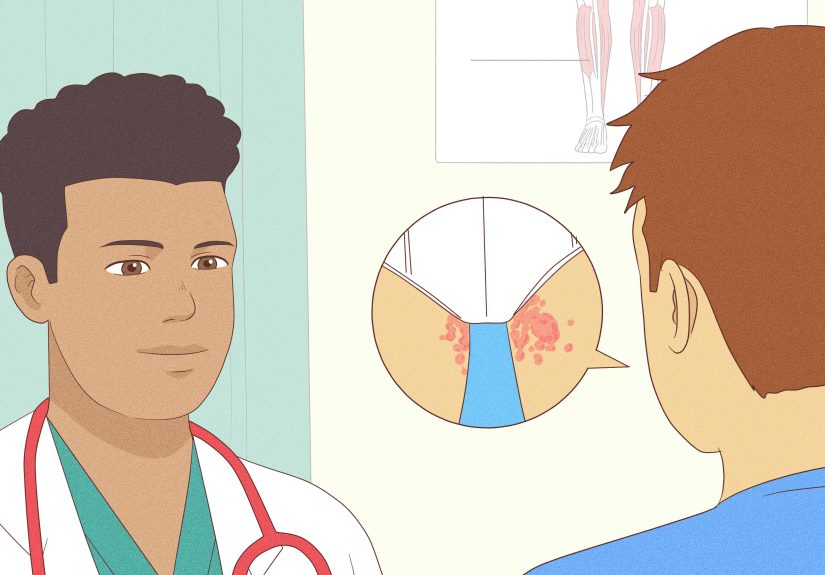
- When to See a Doctor for a Rash Between Your Legs
- How to Prevent a Rash Between Your Legs from Coming Back
- At-Home Treatment Plan by Rash Type
- Real-Life Experiences and Practical Lessons
- Conclusion
Note: This article is for general educational purposes and is not a substitute for medical diagnosis or treatment. A rash between your legs can come from friction, sweat, fungus, irritation, allergies, eczema, psoriasis, or infection. If the rash is severe, painful, spreading quickly, blistering, oozing, or located directly on genital skin, contact a healthcare professional.
A rash between your legs is one of those problems that manages to be both common and deeply annoying. It can itch while you walk, sting when you sweat, and make ordinary activities feel like a dramatic survival challenge. The good news: many inner thigh and groin rashes improve with simple at-home care, especially when you catch them early and stop feeding the two villains behind most casesmoisture and friction.
Still, not every rash is the same. A red, ring-shaped, itchy rash may be jock itch. A raw, shiny rash in a skin fold may be intertrigo. Tiny prickly bumps may be heat rash. A rash after a new detergent, body wash, pad, lubricant, or tight pair of shorts may be contact dermatitis. The first step is not panic. The second step is not Googling yourself into six rare diseases before breakfast. The smart approach is to look at the pattern, remove triggers, keep the area clean and dry, and choose the right treatment.
Common Causes of a Rash Between Your Legs
1. Chafing from friction
Chafing happens when skin rubs against skin or fabric. Add sweat, heat, walking, running, cycling, or tight clothing, and your inner thighs can become red, tender, and irritated. Chafing usually feels like burning or stinging more than deep itching. The skin may look raw, shiny, or slightly swollen.
2. Jock itch, also called tinea cruris
Jock itch is a fungal infection that loves warm, damp areas such as the groin and inner thighs. Despite the name, you do not need to be an athlete or own a whistle to get it. It often causes itching, redness, scaling, and a rash that may have a raised border or ring-like edge. It can spread from athlete’s foot, towels, workout clothes, or shared surfaces.
3. Intertrigo in skin folds
Intertrigo is inflammation where skin folds rub together and trap moisture. It may appear between the thighs, in the groin crease, under the belly, or beneath the breasts. It can look bright red, raw, cracked, or shiny. Sometimes yeast or bacteria join the party, because apparently irritation needed guests.
4. Contact dermatitis
Contact dermatitis is a rash caused by something touching your skin. Common triggers include scented soaps, laundry detergents, fabric softeners, wipes, deodorant sprays, sanitary pads, synthetic underwear, nickel snaps, topical creams, lubricants, and fragrances. The rash is often itchy and may appear where the product or fabric touched the skin.
5. Heat rash
Heat rash develops when sweat gets trapped under the skin. Between the legs, it may show up as tiny bumps, prickling, or an itchy rash after hot weather, exercise, or long periods in tight clothing. Cooling the skin and letting it breathe usually helps.
6. Eczema, psoriasis, or other skin conditions
Some chronic skin conditions can affect the inner thighs and groin folds. Inverse psoriasis, for example, often appears in areas where skin rubs together and may look smooth, red, shiny, or irritated rather than scaly. Eczema can cause dry, itchy, inflamed patches. These conditions may need a clinician’s guidance, especially if they keep coming back.
How to Get Rid of a Rash Between Your Legs at Home
Step 1: Gently clean the area
Wash the rash with lukewarm water and a mild, fragrance-free cleanser. Avoid scrubbing. Your skin is already annoyed; it does not need a motivational sandpaper session. Pat the area dry with a clean towel. Do not rub.
If you exercise, sweat heavily, or work in hot conditions, shower as soon as you can afterward. Change out of damp underwear, leggings, compression shorts, or swimsuits quickly. Fungus and friction both enjoy wet fabric. Do not give them a luxury condo.
Step 2: Keep the skin dry and cool
Moisture is a major reason rashes between the legs get worse. After washing, let the area air-dry for a few minutes before getting dressed. Use a fan on a cool setting if needed. Choose loose, breathable underwear and pants. Cotton can be comfortable for daily wear, while moisture-wicking fabrics may help during workouts if they fit well and do not rub.
Avoid tight jeans, rough seams, and underwear that bunches. If your clothing leaves angry red lines, your skin is filing a complaint.
Step 3: Use a barrier for chafing
If the rash feels like burning from rubbing, apply a thin layer of petroleum jelly, zinc oxide, or an anti-chafing balm to protect the skin. These products reduce friction and help the skin barrier recover. This is especially useful before walking, running, or working in hot weather.
For raw chafed skin, take a break from activities that keep rubbing the area until tenderness improves. Continuing to run on irritated inner thighs may build character, but it will not build healthy skin.
Step 4: Try an over-the-counter antifungal if jock itch is likely
If the rash is itchy, scaly, spreading outward, or has a ring-like border, consider an over-the-counter antifungal cream, spray, or powder. Common options include terbinafine, clotrimazole, miconazole, and tolnaftate. Follow the product directions carefully. Many antifungals need to be used for one to four weeks, depending on the medication and severity.
Apply the antifungal not only to the visible rash but also slightly beyond the edges. Wash your hands afterward. Keep using the medication for the recommended time, even if the rash looks better early. Stopping too soon is like leaving one weed root in the garden and acting surprised when the jungle returns.
Step 5: Do not use steroid cream alone on a possible fungal rash
Hydrocortisone cream can reduce inflammation in some irritated rashes, but it can make fungal infections harder to recognize and sometimes worse when used alone. If you suspect jock itch or ringworm, use an antifungal instead of reaching first for a steroid. If itching is intense or the rash is confusing, ask a healthcare professional before mixing treatments.
Step 6: Remove possible irritants
If the rash started after a new product, stop using it. Switch to fragrance-free detergent, skip fabric softener, and avoid scented body wash, deodorant sprays, wipes, and heavily perfumed lotions near the groin. Use plain, gentle products until the skin calms down.
Contact dermatitis often improves when the trigger disappears, but it may take days or weeks for the skin to fully settle. Keep the routine boring. Boring skincare is often excellent skincare.
Step 7: Use cool compresses for itch and burning
A cool, damp cloth can calm itching and stinging. Apply it for 10 to 15 minutes, then dry the area well. Avoid ice directly on the skin. Also avoid alcohol, hydrogen peroxide, lemon juice, toothpaste, garlic, and other “home remedies” that sound brave but usually make irritated skin angrier.
What Not to Do When Treating a Rash Between Your Legs
Do not scratch aggressively
Scratching may feel satisfying for three seconds, then it can break the skin and invite infection. Keep nails short. If you itch at night, wearing loose shorts or breathable sleepwear can reduce half-awake scratching.
Do not share towels or clothing
If jock itch is possible, use your own towel and wash underwear, gym shorts, towels, and athletic gear regularly. Dry items completely before wearing them again. Fungus is not sentimental; it will move into shared fabric without asking.
Do not apply strong products to genital skin
The skin around the groin can be sensitive, and genital skin is even more delicate. Avoid harsh acne products, exfoliating acids, strong essential oils, and medicated creams not meant for that area. If the rash is on the penis, scrotum, vulva, vagina, anus, or has sores or blisters, get medical advice.
Do not ignore repeated rashes
A rash that keeps returning may be caused by ongoing friction, untreated athlete’s foot, diabetes-related yeast overgrowth, psoriasis, eczema, allergies, or another condition. Repeated flare-ups deserve a better plan than “hope and laundry.”
When to See a Doctor for a Rash Between Your Legs
Many mild rashes improve with at-home treatment, but some need medical care. Contact a healthcare professional if:
- The rash does not improve after one to two weeks of appropriate at-home care.
- The rash spreads quickly or becomes very painful.
- You see pus, yellow crusting, swelling, warmth, red streaks, or notice a bad smell.
- You develop fever, chills, swollen lymph nodes, or feel generally ill.
- There are blisters, open sores, ulcers, or painful bumps.
- The rash involves genital skin, the anus, or is linked with painful urination or unusual discharge.
- You have diabetes, a weakened immune system, or frequent fungal infections.
- You are pregnant or treating a rash in a baby or young child.
A clinician may examine the rash, ask about triggers, or test a small skin sample to check for fungus, yeast, or bacteria. Treatment may include prescription antifungal cream, oral antifungal medication, antibiotics, anti-inflammatory medicine, or a plan for a chronic skin condition.
How to Prevent a Rash Between Your Legs from Coming Back
Keep sweat under control
Change clothes after workouts, hot commutes, yard work, or long shifts. If you sweat heavily, pack extra underwear or shorts. A quick clothing change can prevent hours of damp friction.
Treat athlete’s foot if you have it
The same type of fungus that causes athlete’s foot can spread to the groin. Put socks on before underwear so fungus from your feet is less likely to transfer upward. It sounds oddly strategic, but your skin will appreciate the tactical thinking.
Choose skin-friendly clothing
Wear breathable underwear with a comfortable fit. During exercise, choose moisture-wicking shorts that reduce rubbing. Avoid rough seams and clothing that traps sweat. If thighs rub together, use an anti-chafing balm before activity.
Use gentle hygiene habits
Clean the area daily, but do not over-wash. Too much soap can strip the skin barrier and cause more irritation. Use mild cleanser, rinse well, dry thoroughly, and skip fragrances.
Protect skin folds
If you are prone to intertrigo, a thin layer of zinc oxide or petroleum jelly can reduce friction. Some people also benefit from soft, clean, breathable fabric placed between skin folds to absorb moisture and prevent rubbing.
At-Home Treatment Plan by Rash Type
If it looks like chafing
Clean gently, dry completely, apply petroleum jelly or zinc oxide, wear loose clothing, and pause friction-heavy activities until the skin feels better. Prevent future chafing with anti-chafing balm before walking, running, or exercising.
If it looks like jock itch
Use an over-the-counter antifungal as directed, keep the groin dry, change underwear daily or more often if sweaty, wash towels and gym clothes, and avoid steroid cream unless a clinician recommends it. Treat athlete’s foot at the same time if present.
If it looks like contact dermatitis
Stop new or scented products, switch to fragrance-free detergent and cleanser, use cool compresses, and wear soft, breathable clothing. If inflammation is mild and not fungal-looking, a short course of low-strength hydrocortisone may help, but avoid using it on broken skin or suspected fungus without medical guidance.
If it looks like heat rash
Cool down, remove tight clothing, let the skin breathe, use cool compresses, and stay in a cooler environment when possible. Heat rash usually improves when sweat and heat are controlled.
Real-Life Experiences and Practical Lessons
One common experience with a rash between the legs starts after a long, sweaty day. Maybe you walked around a theme park, ran errands in humid weather, worked outside, or wore tight jeans because they looked great in the mirror and terrible by hour four. By evening, the inner thighs are red and tender. In this situation, the main problem is often chafing. The best lesson is simple: protect before friction starts. A thin layer of petroleum jelly or anti-chafing balm before a long walk can save your thighs from a dramatic resignation letter.
Another familiar story is the gym rash. Someone works out, sits in sweaty leggings or compression shorts for “just a little while,” then notices itching in the groin crease later. A day or two later, the rash has a defined edge and keeps spreading. This pattern can point toward jock itch, especially when there is moisture, warmth, and tight fabric. The practical lesson: shower, dry, and change soon after exercise. Also, do not leave damp clothes in a gym bag for days unless your goal is to start a tiny fungus farm.
Some people experience a rash after switching laundry detergent or trying a new body wash. The rash may not appear instantly, which makes the detective work frustrating. It may show up where underwear elastic touches the skin or where scented products collect in the groin folds. The lesson here is to simplify. Go fragrance-free for detergent, soap, and lotion. Avoid wipes and sprays unless recommended by a clinician. When the skin is irritated, fewer products are usually better than a bathroom shelf full of “miracle” solutions.
People with recurring thigh or groin rashes often discover that prevention matters more than heroic treatment. Keeping the area dry, wearing breathable clothing, using barrier ointment during high-friction activities, and treating foot fungus early can reduce repeat flare-ups. If the rash keeps returning despite good hygiene and proper over-the-counter care, it is not a personal failure. It may be a sign that the rash is not what it appears to be, or that yeast, bacteria, psoriasis, eczema, or another condition is involved.
Finally, many people wait too long because groin rashes feel embarrassing. Please retire that embarrassment. Dermatologists and primary care clinicians see rashes all the time. To them, a rash is not scandalous; it is Tuesday. If you have pain, blisters, sores, discharge, fever, spreading redness, or no improvement after home treatment, getting checked can shorten the problem and prevent complications.
Conclusion
Getting rid of a rash between your legs starts with identifying the likely cause. For chafing, reduce friction and protect the skin. For suspected jock itch, use an antifungal and keep the area dry. For contact dermatitis, remove the trigger and choose gentle, fragrance-free products. For heat rash, cool and air out the skin. Most mild rashes improve with consistent care, but stubborn, painful, infected, blistering, or genital-area rashes need professional attention.
The best long-term strategy is boring but powerful: clean gently, dry thoroughly, wear breathable clothing, change after sweating, avoid harsh products, and act early when irritation begins. Your inner thighs do not need a complicated wellness retreat. They need less friction, less moisture, and fewer bad decisions in tight pants.