Table of Contents >> Show >> Hide
- What Is Cannabis Wax?
- Why People Search for “With or Without a Rig”
- How Wax Differs From Cannabis Flower
- Potential Health Risks of Cannabis Wax
- Legal Considerations Before Using Wax
- Why “Without a Rig” Can Be Especially Risky
- Safer Questions to Ask Instead
- What to Do If Someone Feels Too High
- How to Talk About Wax Without Sounding Like a Health Poster
- Better SEO Angle for This Topic
- Common Myths About Smoking Wax
- Personal Experience-Style Reflections: What People Often Learn the Hard Way
- Conclusion
Important note: This article is for education and harm-awareness only. It does not provide step-by-step instructions for smoking wax, dabbing, modifying devices, or using cannabis concentrates. Cannabis laws vary by location, cannabis products may be illegal for many people, and high-THC concentrates can carry stronger risks than traditional cannabis flower.
What Is Cannabis Wax?
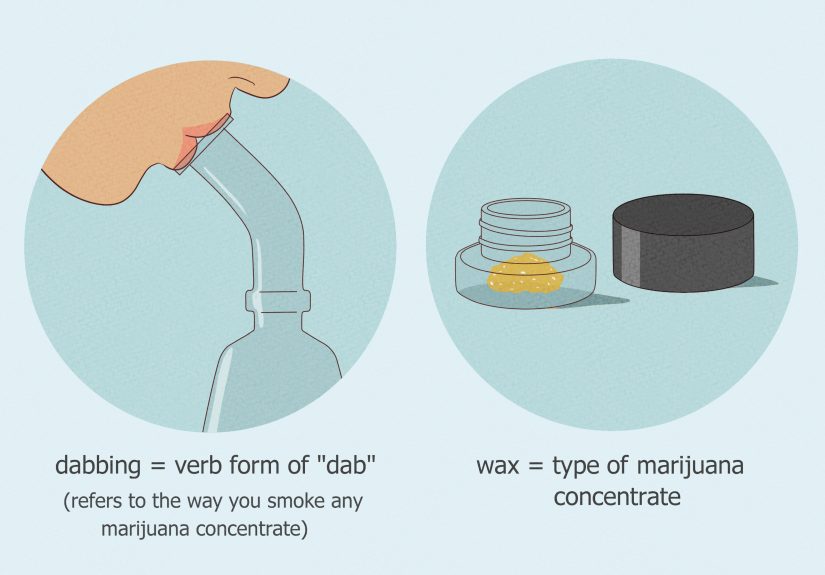
Cannabis wax is a type of cannabis concentrate. It is often made by extracting cannabinoids and terpenes from the cannabis plant, creating a sticky, soft, or crumbly material that may look a little like honey, earwax, or a science experiment that escaped the lab. Wax is commonly grouped with other concentrates such as shatter, budder, crumble, resin, rosin, and oil.
The big difference between wax and regular cannabis flower is potency. Concentrates can contain much higher levels of THC, the main intoxicating compound in cannabis. That means a small amount may have a much stronger effect than someone expects. This is one reason public health organizations pay close attention to concentrates, especially among teens, young adults, people with anxiety or psychosis risk, pregnant people, and anyone with heart or lung concerns.
Why People Search for “With or Without a Rig”
Many people search for how to smoke wax with or without a rig because they have heard about “dabbing,” vape pens, or improvised methods online. A rig is a specialized device sometimes used for cannabis concentrates. Other people wonder whether wax can be used without one. The short answer is that people do use concentrates in different ways, but the bigger question is not “Can it be done?” It is “What are the risks, and is this a safe or legal choice?”
That second question matters more. Concentrates are not beginner-friendly products. They can deliver strong effects quickly, and improvised approaches can add extra hazards such as burns, lung irritation, contamination, device malfunction, or accidental overconsumption. In other words, wax is not the “easy mode” of cannabis. It is more like turning the volume knob from 3 to 11 and then realizing the speakers were not plugged in correctly.
How Wax Differs From Cannabis Flower
Higher THC Concentration
Traditional cannabis flower varies widely in THC strength, but concentrates are designed to be much more potent. Higher potency can increase the chance of uncomfortable effects such as panic, dizziness, confusion, nausea, rapid heartbeat, or feeling out of control. For people who are sensitive to THC, the experience can become unpleasant very quickly.
Faster, Stronger Effects
Inhaled cannabis products tend to act quickly because compounds move through the lungs into the bloodstream. With concentrates, that fast onset can feel intense. Someone may feel fine one moment and overwhelmed the next. This is one reason concentrates are often associated with accidental overuse.
More Risk From Heat and Inhalation
Smoking or vaporizing any substance can affect the lungs. Cannabis smoke contains irritants, and vaporized products may carry risks depending on the device, ingredients, temperature, additives, and product quality. The lungs are excellent at moving oxygen, not at being a filter for mystery aerosols.
Potential Health Risks of Cannabis Wax
Lung Irritation
Inhaling smoke or vapor can irritate the airways. Possible symptoms include coughing, wheezing, chest discomfort, throat irritation, or shortness of breath. People with asthma, bronchitis, allergies, or other respiratory conditions may be more vulnerable.
Anxiety and Panic
High-THC concentrates can trigger anxiety, racing thoughts, paranoia, or panic in some people. A person who expected a relaxing experience may instead feel like their brain opened 47 browser tabs and one of them is playing music but they cannot find it.
Memory and Attention Problems
THC can affect short-term memory, reaction time, learning, and attention. This matters for school, driving, sports, work, gaming performance, and daily responsibilities. It also matters because people may underestimate impairment when they feel “mostly fine.”
Dependence and Cannabis Use Disorder
Frequent cannabis use can lead to cannabis use disorder. Warning signs may include using more than intended, struggling to cut back, needing more to feel the same effect, losing interest in normal activities, or continuing despite problems at school, work, home, or in relationships.
Heart and Circulation Concerns
THC can increase heart rate and may affect blood pressure. People with heart conditions, fainting history, chest pain, or certain medications should be especially cautious and talk with a medical professional.
Contaminants and Product Quality
Not all cannabis products are tested equally. Unregulated or counterfeit products may contain pesticides, residual solvents, heavy metals, synthetic cannabinoids, cutting agents, or other contaminants. Packaging can look professional even when the product is not safe. Shiny labels are not lab results.
Legal Considerations Before Using Wax
Cannabis laws in the United States vary by state, city, age, product type, medical status, and possession amount. Some places allow adult recreational cannabis, some allow medical use only, and others restrict it heavily. Even where cannabis is legal for adults, it is still illegal for minors and remains federally controlled in the United States.
Travel adds another layer. Crossing state lines or flying with cannabis can create legal trouble, even when the product was purchased legally in one state. Schools, employers, sports organizations, and housing providers may also have rules that are stricter than local law.
Why “Without a Rig” Can Be Especially Risky
Online content sometimes suggests improvised ways to use wax without a rig. This article does not provide those methods because they can increase harm. Homemade setups, modified devices, hot surfaces, or untested materials may raise the risk of burns, fire, toxic fumes, broken glass, or inhaling substances never meant to enter the lungs.
A simple rule: if a method depends on a household object doing a job it was never designed for, that is a red flag. The internet is full of creative hacks, but not every hack deserves a gold star. Some deserve a fire extinguisher and a long conversation with common sense.
Safer Questions to Ask Instead
Is This Legal for Me?
Before anything else, check whether cannabis use is legal for your age and location. If the answer is no, the safest choice is not to use it.
Do I Know What Is in the Product?
Only regulated products with transparent testing provide any meaningful information about potency and contaminants. Unknown products are riskier because there is no reliable way to know what they contain.
Am I at Higher Risk?
People with a personal or family history of psychosis, bipolar disorder, severe anxiety, heart issues, lung disease, pregnancy, or substance use concerns should avoid THC products unless they have discussed it with a qualified health professional.
Could This Affect School, Driving, or Responsibilities?
Cannabis can impair reaction time and decision-making. Driving, biking in traffic, operating equipment, swimming, or doing anything risky after using cannabis is unsafe.
What to Do If Someone Feels Too High
If someone has used a high-THC product and feels anxious or overwhelmed, the priority is safety. Move to a calm place, avoid driving, stay with a trusted sober person, sip water, and breathe slowly. Time usually reduces the intensity, but medical help is needed if there is chest pain, trouble breathing, fainting, severe confusion, repeated vomiting, or concern that another substance may be involved.
If the person is a minor, pregnant, has a medical condition, or took an unknown product, it is better to contact a trusted adult, poison control, or emergency services rather than trying to “wait it out” alone.
How to Talk About Wax Without Sounding Like a Health Poster
Conversations about cannabis often become extreme. One side acts like it is harmless; the other acts like one puff will turn your life into a cautionary documentary narrated by a disappointed school principal. The useful middle is honesty. Cannabis wax is strong. Some adults choose to use it legally. It also carries real risks, especially for young people and people with certain health concerns.
If you are writing about this topic for a website, that balanced tone matters. Readers do not need scare tactics, but they also do not need instructions that could put them in danger. A responsible article can explain what wax is, why people use rigs, why “without a rig” searches are common, and why improvised use is risky without turning into a tutorial.
Better SEO Angle for This Topic
The search phrase “how to smoke wax with or without a rig” has strong curiosity intent. However, a safer and more responsible article should satisfy the reader’s question by explaining the topic without giving operational steps. Good subtopics include:
- What cannabis wax is
- Why wax is more potent than flower
- What a rig is, at a high level
- Why homemade methods are risky
- Health risks of high-THC concentrates
- Legal and age restrictions
- What to do if someone feels unwell after using THC
- When to talk to a medical professional
This approach protects readers while still giving search engines useful, relevant, well-structured content. It also avoids thin content, keyword stuffing, and unsafe advice.
Common Myths About Smoking Wax
Myth 1: Wax Is Just “Stronger Weed,” So It Is Basically the Same
Not exactly. Higher THC concentration can change the risk profile. Stronger products may increase the chance of anxiety, overuse, tolerance, and dependence.
Myth 2: If It Is Sold in Nice Packaging, It Must Be Safe
Packaging can be misleading. Counterfeit cannabis products may copy real brands or use professional-looking labels. Testing, regulation, and transparency matter more than design.
Myth 3: No Smoke Means No Lung Risk
Vapor is not automatically harmless. Some aerosols can irritate or injure the lungs, especially when products contain additives or are used in devices not meant for them.
Myth 4: Everyone Reacts the Same Way
People react differently to THC depending on body chemistry, tolerance, mood, sleep, medications, mental health, and product strength. What feels mild to one person may feel overwhelming to another.
Personal Experience-Style Reflections: What People Often Learn the Hard Way
Many people who become curious about cannabis wax start with the same assumption: because the amount looks tiny, the experience must be easy to control. That assumption can be wrong. Concentrates are a classic example of “small package, big consequences.” Like hot sauce, espresso, or a group chat at midnight, intensity can sneak up fast.
One common experience people describe is surprise. They may expect wax to feel like regular cannabis, just a little stronger. Instead, the effects may arrive quickly and feel heavier than expected. That can lead to anxiety, dizziness, racing thoughts, or an uncomfortable sense of being stuck in the experience. For someone who has never used high-potency THC, this can be scary.
Another lesson is that setting matters. Being around people who pressure others, laugh at discomfort, or treat cannabis like a competition can make a bad experience worse. A responsible environment is calm, legal, adult, and free of pressure. Nobody should feel pushed to try a substance to look cool, fit in, or prove something. The coolest sentence in the room is often, “No thanks, I’m good.” It has excellent posture.
People also learn that online advice is not always safe. Some content creators chase views by showing extreme methods, dramatic reactions, or risky shortcuts. What looks entertaining in a video may be unsafe in real life. Edited clips do not show the coughing, panic, cleanup, regret, legal consequences, or medical bills that can happen off camera.
Another experience is the tolerance trap. High-potency products can make lower-potency cannabis feel weak by comparison. Some people begin using more often or choosing stronger products to chase the same effect. Over time, that pattern can make it harder to cut back. It may also affect sleep, motivation, memory, mood, or relationships.
There is also the money side. Concentrates, devices, accessories, and replacement parts can become expensive. For students or young adults, spending money on THC products can quietly replace healthier priorities: food, transportation, hobbies, savings, dates, books, gym memberships, or the sacred emergency pizza fund.
People with anxiety often report mixed experiences. Some say THC feels relaxing at first, but high-potency products may flip the switch in the opposite direction. Instead of calm, they may feel worried, self-conscious, or paranoid. That does not mean the person is weak. It means THC affects the brain, and dose matters.
Another important lesson involves honesty with healthcare providers. If someone has chest pain, breathing trouble, fainting, severe vomiting, or confusion after using cannabis, it is important to tell medical staff what was used. Doctors are not there to roast anyone like a stand-up comedian. They need accurate information to help.
The biggest takeaway from real-world experiences is simple: curiosity is normal, but safety is more important than curiosity. Cannabis wax is powerful, and “with or without a rig” is not the most useful question. A better question is, “What choice protects my health, future, and peace of mind?” Sometimes the smartest move is to step back, learn more, and decide not to use it.
Conclusion
Cannabis wax is a high-potency concentrate that attracts curiosity because of its strength and the many online discussions about rigs, dabbing, and alternative methods. But curiosity should not be confused with safety. Wax can carry stronger risks than cannabis flower, including anxiety, lung irritation, accidental overconsumption, dependence, and legal problems. Improvised methods can add hazards such as burns, toxic exposure, or device failure.
A responsible approach is to understand what wax is, recognize why high-THC products deserve caution, and avoid unsafe or illegal use. For anyone under the legal age, anyone with health concerns, or anyone unsure about product safety, the best choice is to avoid cannabis concentrates and speak with a trusted adult or healthcare professional when needed.