Table of Contents >> Show >> Hide
- Why Spring-Blooming Bulbs Are Worth the Fuss
- When to Plant Bulbs for Spring Flowers
- How to Choose the Best Bulbs
- Pick the Right Spot in Your Yard
- The Right Planting Depth and Spacing
- A Step-by-Step Bulb Planting Guide
- How to Design a Yard Full of Spring Flowers
- Common Bulb Planting Mistakes to Avoid
- How to Care for Bulbs After They Bloom
- Bulb Planting Tips for Warm Climates
- of Real-World Experience: What Gardeners Learn After Planting Bulbs
- Final Thoughts
There are few gardening moves more satisfying than planting a scruffy-looking bulb in fall and getting a full-on spring parade a few months later. It is basically the landscaping version of meal prep, except instead of opening the fridge to leftover pasta, you open the curtains to daffodils, tulips, crocuses, hyacinths, and alliums. Not bad.
If you want your yard to wake up with color instead of yawning into another muddy spring, a solid bulb planting guide is your best friend. Spring-blooming bulbs are among the easiest ways to create early-season drama, extend bloom time, and make your garden look far more organized than it may actually be. The trick is knowing what to plant, when to plant it, how deep to set each bulb, and how to care for the foliage after the flowers fade. Get those basics right, and your yard can go from “winter aftermath” to “main character energy” in a hurry.
Why Spring-Blooming Bulbs Are Worth the Fuss
Bulbs do a lot of heavy lifting in the garden. They bloom early, often before most perennials even think about showing up. They add structure and color to borders, brighten lawns and woodland edges, and help bridge that awkward gap between bare winter beds and lush summer growth. They also give you options. You can create a formal tulip display by the front walk, naturalize daffodils under trees, or tuck tiny crocus bulbs into a lawn for a first sign of spring that feels downright cheerful.
Another big advantage is bloom succession. With smart planning, you can stretch spring flower color across eight weeks or more. Early bloomers like snowdrops and crocus can kick things off, daffodils and hyacinths can take over in mid-spring, and tulips and alliums can carry the show later into the season. In other words, you do not need one magical weekend of flowers. You can build a whole season.
When to Plant Bulbs for Spring Flowers
The golden rule is simple: plant spring-flowering bulbs in fall, after the weather cools but before the ground freezes solid. Bulbs need a cold period to develop properly and enough time in the soil to grow roots before winter locks everything down.
A Handy Timing Rule
In many colder regions, that means late September through October. In moderate climates, October through November is often ideal. In warmer areas, gardeners usually wait until November or even later, especially for tulips and hyacinths. If your winters are mild, some bulbs may need pre-chilling in the refrigerator before planting. Tulips are the classic divas here. Daffodils are generally more forgiving.
Think of it this way: if the soil is still warm enough for mosquitoes to be rude but cool enough that your summer annuals have given up emotionally, you are probably in the bulb planting window.
How to Choose the Best Bulbs
Good spring flowers start with good bulbs. Always look for bulbs that are firm, plump, and free from mold, mushy spots, or major damage. Bigger bulbs usually produce bigger flowers, especially with tulips and daffodils. If a bulb feels lightweight, dried out, or suspiciously soft, leave it behind. Gardening is optimistic, but it should not be delusional.
Best Bulbs for a Spring Yard
- Daffodils: Reliable, long-lived, and often ignored by deer and rodents.
- Tulips: Showy and beloved, though sometimes short-lived in warm or wet climates.
- Crocus: Early bloomers that are perfect for lawns, borders, and rock gardens.
- Hyacinths: Fragrant, colorful, and great near entries or patios.
- Alliums: Late-spring architectural stars with globe-shaped blooms.
- Grape hyacinths and squill: Small bulbs that naturalize well and fill gaps beautifully.
Pick the Right Spot in Your Yard
The best bulb planting guide in the world cannot rescue bulbs from soggy soil. Most spring-blooming bulbs prefer full sun to part sun during their growing season and need well-drained soil. If bulbs sit in wet ground over winter, rot can take over fast.
That does not mean your site must be perfect. It means you should be strategic. Raised beds, sloped areas, and amended planting beds often work better than low, waterlogged spots. If you are planting under deciduous trees, that can be an excellent choice because the bulbs get sun in early spring before the trees leaf out. Just avoid planting too close to thick roots where digging becomes a workout nobody asked for.
Improve Soil Before You Plant
Loosen the soil well below the intended planting depth. If the bed is compacted or clay-heavy, mix in compost or other organic matter to improve drainage and root growth. In poor soil, some gardeners also work in phosphorus at planting time to support root development. A soil test is even better because it tells you whether your bed actually needs extra nutrients instead of letting you throw random garden products around like confetti.
The Right Planting Depth and Spacing
Most bulb planting depth advice comes down to one reliable rule: plant bulbs about two to three times as deep as the bulb is tall. In many cases, large bulbs like tulips and daffodils end up about 6 to 8 inches deep, while smaller bulbs like crocus are often planted 3 to 4 inches deep. Depth is measured from the bottom of the bulb.
Spacing matters too. Crowded bulbs compete. Overly spaced bulbs can look stingy. Large bulbs are usually planted 4 to 6 inches apart, while smaller bulbs can go closer together. For the lushest look, plant in clusters or drifts rather than neat little rows. You are trying to create a spring spectacle, not a floral spreadsheet.
Pointy End Up, Flat End Down
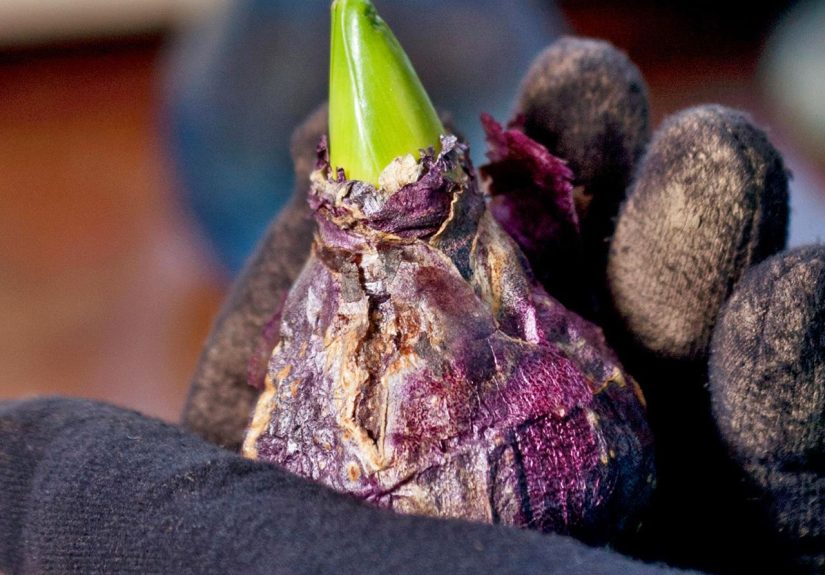
Yes, this matters. Most bulbs have a pointed top and a flatter basal plate where roots emerge. Plant them pointy end up. If you genuinely cannot tell, plant the bulb on its side. Many will still figure it out. Plants, as it turns out, are sometimes more adaptable than people in group projects.
A Step-by-Step Bulb Planting Guide
- Plan your design first. Group bulbs by color, height, and bloom time. Mix early, mid-, and late-spring varieties for a longer show.
- Prepare the bed. Clear weeds, loosen soil, and improve drainage if needed.
- Measure planting depth. Use the bulb’s height as your guide rather than guessing.
- Set bulbs in place. Place them pointy end up, spaced for a natural, full look.
- Backfill gently. Firm the soil without compacting it like you are sealing a trench.
- Water deeply once. A thorough watering helps settle soil and supports root development.
- Add mulch if needed. A light mulch layer can help moderate temperature swings and reduce winter weed pressure.
How to Design a Yard Full of Spring Flowers
If your goal is not just “some flowers” but “wow, who lives here?” then design matters. The most beautiful bulb gardens usually rely on repetition, mass planting, and bloom layering.
Plant in Drifts, Not Dots
Bulbs look best in generous groups. A drift of 25 crocus bulbs reads as intentional and charming. Three lonely crocuses stuck in a straight line look like they got lost on the way to somewhere better. Planting in odd-numbered groups or broad sweeps creates a more natural effect.
Layer Bloom Times
Use early, mid-, and late-season bulbs together to keep color moving through the yard. For example, crocus can start the season, daffodils can dominate the middle act, and late tulips or alliums can close the show. This is one of the easiest ways to make your spring garden look expensive without actually buying a fountain shaped like a swan.
Hide Fading Foliage
Bulb leaves must stay in place after bloom, but they are not exactly glamorous. Solve this by planting bulbs among perennials like daylilies, hostas, ferns, catmint, or hardy geraniums. As those plants fill in, they can camouflage the yellowing bulb foliage while it finishes feeding next year’s flowers.
Try Naturalizing
Naturalizing means planting bulbs in a way that mimics how they might spread in nature. Daffodils, grape hyacinths, squill, snowdrops, and some species tulips are great choices for this. Toss a handful of bulbs across the lawn or under open trees, then plant them where they land. The result feels relaxed, abundant, and very spring-cottage-with-good-taste.
Common Bulb Planting Mistakes to Avoid
Planting Too Early
If the soil is still too warm, bulbs may sprout too soon or struggle to settle properly. Wait for cooler conditions.
Planting in Wet Soil
This is one of the fastest ways to lose bulbs. Drainage is not a bonus feature. It is the whole game.
Cutting Leaves Too Soon
After flowering, bulbs need their foliage to photosynthesize and recharge. Remove spent flowers if you like, but leave the leaves until they yellow naturally, often for at least six weeks.
Forgetting Wildlife
Tulips and crocus can be irresistible to squirrels, chipmunks, and voles. Daffodils are often less tempting. In problem areas, protect new plantings with hardware cloth or chicken wire until spring growth begins.
Planting One Type Only
A yard with only one bloom period can look fabulous for ten minutes and underwhelming the rest of the season. Mix varieties for a longer display.
How to Care for Bulbs After They Bloom
Once the flowers fade, deadhead the spent blooms if you want a tidier look and to stop the plant from putting energy into seed production. Then leave the foliage alone. Yes, even when it starts looking floppy and slightly tragic. That green growth is storing energy back into the bulb for next year’s performance.
Do not braid, tie, or mow down the leaves early. Let them yellow and die back naturally. If you planted bulbs in a lawn, wait to mow until the foliage has fully ripened. If clumps become overcrowded and flowering declines after several years, dig and divide them in fall once the foliage has long disappeared and the bulbs are dormant.
Bulb Planting Tips for Warm Climates
Gardeners in mild-winter areas can still enjoy spring flowers, but strategy matters. Daffodils and some smaller bulbs are usually better long-term choices than classic tulips. Tulips, hyacinths, and some crocus types may need pre-chilling for 8 to 14 weeks before planting. Keep them away from ripening fruit in the refrigerator, since ethylene gas can damage flower buds. Once planted, many pre-chilled bulbs in warm climates are treated as annuals rather than dependable repeat performers.
If your winters are short and your summers arrive like a flamethrower, choose bulb varieties known to tolerate warmth better and give them morning sun with some afternoon protection when possible.
of Real-World Experience: What Gardeners Learn After Planting Bulbs
One of the most common experiences gardeners have with spring bulbs is learning that patience is part of the beauty. You plant in fall when the weather is cooling, the garden feels like it is winding down, and honestly, the whole project can seem a little anticlimactic. You tuck bulbs into the soil, water them in, maybe add mulch, and then nothing dramatic happens. For weeks, the bed looks exactly the same. Then winter arrives, and if you are new to bulb planting, you may wonder whether you buried money in the ground for no reason. That doubt is normal. So is the surprise when tiny green shoots finally appear through cold soil, sometimes when you still have a jacket zipped to your chin.
Another real-life lesson is that bulbs teach restraint. Many gardeners discover the hard way that cutting foliage too early leads to fewer flowers the following year. It is very tempting to clean everything up the moment the blossoms fade. But after one season of over-tidying, most people remember the lesson. Spring bulbs reward gardeners who let the leaves do their quiet, important work. You start to realize that a successful garden is not always the neatest garden every single week. Sometimes the smartest thing you can do is leave a slightly messy patch alone.
Gardeners also learn that placement changes everything. A cluster of daffodils seen from the kitchen window on a gray March morning feels far more magical than the same flowers hidden behind a shed. People often remember their first really successful bulb display because it appears exactly where they needed it most: by the mailbox, along a front path, beside the porch, or under a still-bare tree that suddenly looks alive again. Bulbs are not just plants. They are timing, mood, and perspective all bundled into one small package.
There is also the experience of trial and error. Maybe squirrels dug up your tulips the first year. Maybe your hyacinths sulked in soggy soil. Maybe you planted too few crocuses and realized that what looked generous in the bag looked skimpy in the yard. Almost every gardener has a story like that. The good news is that bulb planting is forgiving enough to encourage a second attempt. With each season, you get better at judging spacing, choosing dependable varieties, and knowing where your yard stays wet, warm, windy, or shady.
Perhaps the best experience of all is the sense of return. Once you establish a good planting, spring bulbs become old friends. You begin recognizing the first signs of each one. Crocus means winter is breaking. Daffodils mean brighter days are ahead. Tulips mean the garden is fully awake. That rhythm gives the yard personality. It also gives gardeners a reason to look forward. And for something that begins as a brown bulb in a paper bag, that is a pretty impressive trick.
Final Thoughts
A thriving spring bulb garden is not built on luck. It comes from smart timing, healthy bulbs, good drainage, proper planting depth, and a little discipline once bloom season ends. If you plant in fall, group bulbs generously, combine bloom times, and let the foliage die back naturally, your yard can deliver wave after wave of spring flowers with surprisingly little drama.
So yes, go ahead and plant the bulbs. Future-you will be thrilled. Winter-you will need hope. Spring-you will feel like a genius.