Table of Contents >> Show >> Hide
- Why Stylish Small Spaces Are Trending Now
- The Organized Home Philosophy: Simple, Useful, Beautiful
- Smart Furniture Makes Small Rooms Feel Larger
- Built-Ins: The Small-Space Superpower
- Small Kitchens: Where Every Inch Needs a Resume
- Small Bedrooms That Feel Calm, Not Crowded
- Entryways: Tiny Zones With Huge Responsibility
- Bathrooms: Small, Busy, and Full of Tiny Bottles
- Style Tricks That Make Small Spaces Feel Bigger
- Storage That Looks Good Enough to Display
- Common Small-Space Mistakes to Avoid
- How to Create a Stylish Small Space Step by Step
- Real-Life Experience: What Stylish Small Spaces Teach You
- Conclusion: Small Space, Big Style
Note: This original, publish-ready article synthesizes real small-space design and organizing guidance from reputable U.S. home, design, real estate, and lifestyle resources; source links are intentionally not included per request.
Small spaces are having a big moment. Not “big” in the mansion-with-seven-powder-rooms sense, of course. Big as in smart, intentional, beautifully edited, and surprisingly livable. The new dream home is not always larger; sometimes it is simply better organized. That is exactly why Trending on The Organized Home: Stylish Small Spaces feels so relevant right now. It taps into a design mood that homeowners, renters, apartment dwellers, tiny-house fans, and anyone with one overstuffed closet can appreciate: less square footage does not have to mean less style.
The best stylish small spaces do not apologize for being compact. They lean into efficiency, charm, and clever storage. They use walls, corners, under-bed zones, built-ins, hooks, baskets, shelves, trays, and multifunctional furniture with the confidence of a seasoned city dweller carrying groceries, flowers, and a coffee up four flights of stairs. Every inch has a job, but the room still feels calm. That is the magic trick.
Inspired by the design philosophy behind The Organized Home and current small-space living ideas seen across major U.S. home design publications, this guide explores how compact homes can feel polished, personal, and practical. Whether you live in a studio apartment, a petite cottage, a narrow townhouse, or a one-bedroom where the dining table also answers emails, these ideas will help you create a home that looks good and works hard.
Why Stylish Small Spaces Are Trending Now
There is a reason small-space organization has moved from “nice idea” to full-blown lifestyle. More people are living in apartments, downsizing, working from home, or trying to make older homes function for modern life. At the same time, design culture has shifted away from owning more and toward owning better. A compact home can be beautiful when it is filled with useful objects, thoughtful furniture, and storage that does not look like it escaped from a utility closet.
The appeal is emotional as much as practical. A stylish small space feels manageable. It is easier to clean, easier to edit, and often easier to personalize. When you have limited room, every decision matters. That sounds stressful, but it can actually be freeing. You stop buying five nearly identical mixing bowls “just in case” and start asking, “Do I love this? Do I use this? Does it deserve rent-free space in my cabinet?” Suddenly your home is not just smaller. It is sharper.
The Organized Home Philosophy: Simple, Useful, Beautiful
The Organized Home approach is rooted in the idea that storage should be both functional and attractive. Instead of hiding chaos behind a curtain and hoping no one opens it, the goal is to create systems that are easy to maintain. That means storing like with like, using containers that fit the task, leaving breathing room, and choosing materials that age well.
In stylish small spaces, this philosophy becomes even more important. There is no spare room where clutter can quietly retire. The entryway, kitchen, bedroom, bathroom, and living area all need to perform. A basket by the door is not just a basket; it is the difference between a peaceful morning and a frantic shoe-hunt featuring dramatic dialogue.
1. Edit Before You Organize
The first rule of small-space living is wonderfully unglamorous: own less stuff. Organization products cannot rescue a home that is storing three versions of every object. Before buying bins, shelves, or drawer dividers, edit. Remove duplicates. Donate items that no longer fit your life. Toss expired toiletries, mystery cords, and the lidless containers that haunt every kitchen cabinet in America.
Editing is not about becoming a minimalist monk with one spoon and a beige blanket. It is about making space for the things you actually use and enjoy. A small home can hold color, art, books, hobbies, and personality. It just cannot hold everything you have ever felt mildly guilty about getting rid of.
2. Use Vertical Storage Like a Design Feature
When floor space is limited, walls become prime real estate. Vertical storage is one of the most effective small-space organization ideas because it lifts objects up and out of traffic zones. Tall bookcases, wall-mounted shelves, peg rails, cabinet-top storage, hanging racks, and over-the-door organizers can transform unused surfaces into functional storage.
The trick is to make vertical storage look intentional. Use matching baskets on upper shelves for seasonal items. Install a slim rail in the kitchen for utensils, mugs, or small pans. Add hooks inside closet doors for scarves, bags, or belts. In a tiny entryway, a simple wall-mounted shelf with pegs underneath can hold keys, mail, jackets, and dog leashes without swallowing the floor.
Vertical storage works especially well when it follows the architecture of the room. Shelves that run above doorways, cabinets that reach the ceiling, and built-ins that frame a window can make a small room feel custom rather than cramped.
Smart Furniture Makes Small Rooms Feel Larger
Stylish small spaces rely on furniture that earns its keep. The sofa may hide storage. The coffee table may lift into a desk. The bed may contain drawers. The dining table may fold flat against the wall between meals. This is not about gimmicky furniture that requires an engineering degree and a motivational speech to operate. It is about pieces that quietly do more than one job.
Choose Leggy Furniture for Visual Breathing Room
Furniture raised on visible legs can make a small room feel lighter because more floor is visible. A sofa, console, nightstand, or media cabinet with slim legs allows light to move underneath, reducing the heavy, boxy feeling that can overwhelm compact rooms. This does not mean every piece needs to look like it is floating nervously above the floor. Balance is key. Pair lighter pieces with one grounded object, such as a sturdy ottoman, woven trunk, or low coffee table.
Invest in Multifunctional Pieces
Multifunctional furniture is the MVP of small-space design. A storage bench at the foot of the bed can hold linens and provide seating. A daybed can work as a sofa by day and guest bed by night. A nesting table set can expand during gatherings and tuck away afterward. A wall-mounted desk can create a home office in a hallway, bedroom corner, or even a wide closet.
The best multifunctional pieces do not scream “space saver.” They look like design choices. A beautiful storage ottoman in boucle, leather, or linen can hide blankets and board games while adding texture. A slim secretary desk can store paperwork and become a writing station. A dining banquette with lift-up seats can hold table linens, craft supplies, or rarely used serving pieces.
Built-Ins: The Small-Space Superpower
If freestanding furniture is helpful, built-ins are heroic. Custom or semi-custom built-ins can turn awkward architecture into storage gold. Think floor-to-ceiling cabinets in a narrow living room, a platform bed with drawers, a window seat with hidden storage, or a kitchen wall that combines pantry cabinets, appliances, and open shelving.
One reason small Paris apartments, New York studios, and compact urban homes often feel so inspiring is their use of built-in storage. A long low shelf can function as seating, office storage, display surface, and room divider. A raised platform can hide drawers underneath. A wall of cabinetry can conceal clothing, cleaning supplies, media equipment, and pantry staples behind calm, matching doors.
For renters or budget-conscious homeowners, built-ins can be simulated. Use modular bookcases, stacked cabinets, wall-mounted rails, and paint to create a custom look. Matching the storage color to the wall can reduce visual clutter and make the room feel larger.
Small Kitchens: Where Every Inch Needs a Resume
Small kitchens can be incredibly efficient when they are organized by task. Instead of spreading items randomly, create zones: prep, cooking, cleanup, coffee, pantry, and everyday dishes. Keep the most-used objects closest to where you use them. Store occasional items higher up or farther away.
Decant, Stack, and Edit
Decanting pantry staples into clear, uniform containers is not just for people who alphabetize their spices for fun. It helps you see what you have, reduces packaging chaos, and makes narrow cabinets easier to use. Stackable bins, lazy Susans, shelf risers, and drawer dividers can double the usefulness of tiny cabinets.
Open shelving can work beautifully in a small kitchen, but only if it is edited. Display everyday plates, glassware, a few attractive jars, and maybe one charming object. Do not use open shelves as a museum for every mug acquired since college. That way lies visual thunder.
Use the Inside of Doors
Cabinet doors are often underused. Add slim racks for spices, wraps, cutting boards, or cleaning cloths. Under-sink doors can hold gloves, brushes, and small supplies. Pantry doors can store snacks, foil, measuring spoons, or lunch-packing essentials. In a compact kitchen, the back of a door is not an afterthought; it is a secret agent.
Small Bedrooms That Feel Calm, Not Crowded
A small bedroom should feel restful, which means storage needs to be quiet. The bed is usually the largest object in the room, so make it useful. Choose under-bed drawers, a storage bed, or low rolling bins for linens, off-season clothing, or shoes. If the room is very tight, wall-mounted sconces can replace bedside lamps and free up nightstand space.
Closets benefit from vertical thinking. Add a second hanging rod, shelf dividers, slim hangers, labeled bins, and hooks. Store luggage, seasonal bedding, or bulky sweaters on upper shelves. A small dresser inside a closet can work better than a larger dresser in the room because it reduces visual weight.
Keep Surfaces Clear
In compact bedrooms, cluttered surfaces make the whole room feel smaller. Limit the nightstand to essentials: lamp or sconce switch, book, water glass, small tray, and maybe one object that makes you happy. A tray is especially useful because it visually gathers small things. Without a tray, three objects look like clutter. With a tray, they look like a lifestyle choice.
Entryways: Tiny Zones With Huge Responsibility
The entryway is where small-space organization either succeeds or collapses into a pile of shoes. Even if your “entryway” is just the two square feet behind the front door, give it structure. Add hooks, a landing shelf, a narrow shoe rack, and a basket for grab-and-go items.
A stylish small entryway does not need much. A peg rail, mirror, woven basket, and slim bench can create a complete system. The mirror bounces light and gives you one last chance to notice that your sweater is inside out. The hooks keep bags and jackets off chairs. The bench provides a place to put on shoes. The basket catches umbrellas, scarves, or reusable totes.
Bathrooms: Small, Busy, and Full of Tiny Bottles
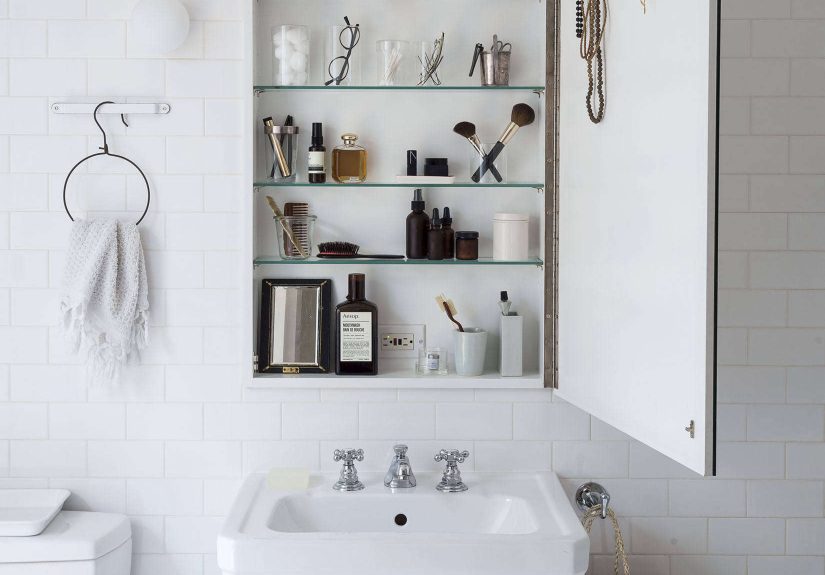
Small bathrooms need ruthless editing because toiletries multiply like they have a five-year growth strategy. Start by removing expired products, duplicates, and items you tried once and politely ignored forever. Then organize by category: daily skincare, hair care, medicine, cleaning supplies, travel items, and backup products.
Wall-mounted cabinets, recessed medicine cabinets, over-toilet shelves, and under-sink bins can all help. Use clear drawers for daily items and labeled containers for extras. If counter space is limited, a tray can keep essentials neat. If there is no linen closet, rolled towels in a basket or on open shelves can look intentional and spa-like.
Style Tricks That Make Small Spaces Feel Bigger
Organization is essential, but visual design matters too. A small room feels more spacious when the eye can travel easily. That means fewer interruptions, better lighting, and a clear relationship between furniture and function.
Use Color With Confidence
White walls can brighten a small room, but they are not the only option. Deep colors can make a compact space feel cozy and sophisticated, especially in powder rooms, bedrooms, or reading corners. The key is consistency. A small room with one confident color story often feels calmer than a small room with five unrelated colors competing for attention.
Define Zones Without Building Walls
In studios and open-plan apartments, zones create order. Use rugs, lighting, furniture placement, flooring changes, or shelving to distinguish sleeping, dining, working, and relaxing areas. A compact desk under a window becomes an office when paired with a task lamp and wall shelf. A small dining table becomes a real eating area when grounded by a pendant light or rug.
Let Light Move
Good lighting can make stylish small spaces feel generous. Use layered lighting: overhead light, task light, and ambient light. Choose sheer window treatments when privacy allows. Use mirrors opposite windows or near lamps to reflect brightness. Avoid blocking windows with bulky furniture. Natural light is free square footage for the eyes.
Storage That Looks Good Enough to Display
In a small home, storage is often visible, so it should look good. Woven baskets, canvas bins, wooden boxes, metal trays, glass jars, and simple hooks can become part of the design. This is why stylish storage solutions are so powerful: they turn practical items into visual assets.
Choose a limited palette of materials. For example, combine warm wood, white metal, and natural baskets. Or use black hooks, clear glass, and linen bins. Repetition makes a room feel organized even when the objects inside the containers are not glamorous. Nobody needs to know that the handsome basket contains phone chargers, dog toys, and one mysterious Allen wrench.
Common Small-Space Mistakes to Avoid
The first mistake is buying storage before decluttering. This usually creates organized clutter, which is still clutter wearing a nice outfit. The second mistake is choosing furniture that is too large. A giant sectional may be comfortable, but if it blocks circulation, the room will feel trapped. The third mistake is ignoring hidden spaces: under beds, above doors, inside cabinet doors, behind sofas, and along narrow walls.
Another mistake is making everything tiny. Small rooms can handle a few normal-size pieces. In fact, one generous sofa may look better than several undersized chairs. The goal is proportion, not dollhouse living. Choose pieces that fit the room and support how you actually live.
How to Create a Stylish Small Space Step by Step
Step 1: Identify the Pain Points
Walk through your home and note the trouble spots. Is mail piling up near the door? Are shoes wandering freely? Is the kitchen counter hosting every appliance you own? Start with the areas that cause daily frustration.
Step 2: Remove What Does Not Belong
Before adding solutions, subtract. Relocate items to the rooms where they are used. Donate duplicates. Recycle packaging. Give yourself permission to stop storing things for an imaginary future version of yourself who makes homemade pasta every Thursday.
Step 3: Add the Right Storage
Choose storage based on the object, not the other way around. Shoes need a rack or cubby. Paper needs a tray or file. Cleaning supplies need a caddy. Blankets need a basket, bench, or ottoman. When each category has a home, tidying becomes much easier.
Step 4: Make It Attractive
Small spaces benefit from beauty because everything is visible. Match hangers. Use baskets that coordinate. Choose hooks you like looking at. Replace noisy packaging with simple containers. The goal is not perfection; it is visual calm.
Real-Life Experience: What Stylish Small Spaces Teach You
Living with or designing a small space teaches lessons that large homes often let people avoid. The first lesson is honesty. A compact home asks direct questions every day: Do you use this? Do you need this? Can this item live somewhere smarter? There is no basement of denial, no spare room of postponed decisions, no extra closet where abandoned hobbies go to nap. At first, that can feel inconvenient. Over time, it becomes refreshing.
One of the most useful experiences in a small home is learning how much daily life depends on landing zones. A tiny tray by the door can prevent lost keys. A hook beside the entry can save a chair from becoming a coat mountain. A drawer divider can turn a stressful morning into a smooth one because the scissors, tape, charger, and lip balm are not wrestling in one chaotic drawer. These changes are small, but they change the rhythm of the home.
Another lesson is that storage should match behavior. If you always drop your bag near the sofa, placing a hook across the room may not work. Put the solution where the habit already happens. If shoes pile up by the entrance, add shoe storage there instead of insisting everyone carry shoes to a closet down the hall. Good organization is not about forcing your life into a fantasy routine. It is about designing systems that your real, slightly tired, coffee-seeking self will actually use.
Stylish small spaces also teach the value of flexible furniture. A folding table can host dinner, work, crafts, and weekend pancakes. A storage ottoman can hide blankets while serving as a seat, footrest, and emergency snack table during movie night. A slim bench can work in an entry, bedroom, or dining nook. When furniture can move, fold, stack, or store, the home becomes adaptable rather than cramped.
The emotional benefit may be the biggest surprise. A well-organized small space can feel deeply comforting. You know where things are. Cleaning takes less time. Purchases become more thoughtful. Instead of chasing more room, you begin to appreciate better room. A compact home with clear surfaces, warm lighting, useful storage, and a few beloved objects can feel more luxurious than a larger home packed with things nobody can find.
Finally, stylish small-space living encourages creativity. You start noticing overlooked corners, blank walls, awkward niches, and underused doors. You learn that a shelf above a doorway can hold books, that a mirror can brighten a narrow hall, that a basket can solve five problems before breakfast, and that a beautiful hook is not a small detail when it saves your floor from another jacket. Small spaces reward attention. Treat them well, and they return the favor every single day.
Conclusion: Small Space, Big Style
Trending on The Organized Home: Stylish Small Spaces proves that compact living is not a compromise when design and organization work together. The most successful small homes are edited, intentional, and personal. They use vertical storage, multifunctional furniture, built-ins, baskets, trays, hooks, and smart zoning to create rooms that feel both beautiful and useful.
You do not need a huge floor plan to create a home that supports your life. You need systems that make sense, furniture that works hard, and the courage to let go of things that no longer serve you. Add warmth, texture, good lighting, and a little humor, and even the tiniest room can feel like the smartest place in the house.