Table of Contents >> Show >> Hide
- What Is Tumescent Liposuction?
- Benefits of Tumescent Liposuction
- Who Is a Good Candidate?
- Important Precautions Before Surgery
- What Happens During the Procedure?
- Recovery: What to Expect After Tumescent Liposuction
- Risks and Side Effects You Should Know
- Tumescent Liposuction Pictures: What Before-and-After Photos Can Really Tell You
- How Much Does Tumescent Liposuction Cost?
- How Long Do Results Last?
- Common Experiences Patients Describe After Tumescent Liposuction
- Final Thoughts
Tumescent liposuction has become one of the most talked-about body contouring procedures for a simple reason: it aims to remove stubborn fat with more precision and, in many cases, less drama than older liposuction approaches. That does not mean it is a casual lunchtime tune-up. It is still a medical procedure, still surgery, and still something that deserves more thought than “my jeans feel rude this week.”
In the United States, liposuction remains one of the most popular cosmetic surgical procedures, and the tumescent technique is a common modern method for treating areas that do not seem interested in diet, exercise, or motivational playlists. The appeal is easy to understand. Tumescent liposuction can target the abdomen, hips, thighs, chin, neck, upper arms, back, and other pockets of fat with a contouring-first approach. But good results depend on choosing the right patient, the right surgeon, and the right expectations.
This guide breaks down what tumescent liposuction is, the main benefits, the precautions worth taking seriously, what before-and-after pictures can actually tell you, how recovery usually feels, and what the procedure may cost in the real world.
What Is Tumescent Liposuction?
Tumescent liposuction is a type of liposuction that uses a large volume of medicated fluid before fat removal. That fluid usually contains a local anesthetic to numb the area, saline to expand the tissue, and epinephrine to shrink blood vessels and reduce bleeding. Once the treatment area is “tumesced,” or swollen and firm from the solution, the surgeon inserts a thin tube called a cannula through tiny incisions and suctions out unwanted fat.
One reason this method became so widely used is that many cases can be performed with local anesthesia rather than full general anesthesia. In plain English, that can mean a more controlled procedure, less blood loss, and a recovery that is often easier than patients fear. It can also take longer than some other approaches because the prep work is part of the treatment itself.
Benefits of Tumescent Liposuction
1. Less Bleeding, Bruising, and Downtime
The standout benefit of tumescent liposuction is the fluid itself. Because the solution constricts small blood vessels and numbs the area, patients often experience less bleeding, less bruising, and less recovery time than with older traditional liposuction methods. That does not mean zero swelling or zero soreness. It simply means the procedure is designed to make the process more controlled and often gentler on the body.
2. More Precise Body Contouring
Tumescent liposuction is best known for removing stubborn fat and improving shape rather than dropping dramatic numbers on a scale. It can slim the hips, flatten the lower abdomen, reduce “saddlebags,” refine the waistline, contour the neck and jawline, and make bulky upper arms look more proportional. Think sculpting, not magic. It can improve the outline of an area, but it does not replace weight loss or redesign biology from scratch.
3. Permanent Removal of Fat Cells
The fat cells removed during liposuction are gone for good. That is a real benefit, especially for people with localized fat deposits that have stubbornly ignored salad, squats, and sheer personal outrage. But permanence has a catch: if you gain significant weight afterward, remaining fat cells in treated or untreated areas can still enlarge. In other words, the results last best when your habits do too.
4. Often Performed as an Outpatient Procedure
Many tumescent liposuction cases are done in an accredited office-based surgical facility or outpatient center. Patients usually go home the same day. That convenience is part of the appeal, though it should never be mistaken for triviality. A same-day discharge does not make surgery casual; it just means the procedure is usually planned for home recovery rather than a hospital stay.
5. May Cost Less Than More Anesthesia-Heavy Approaches
Because tumescent liposuction often uses local anesthesia with or without light sedation, it may be less expensive than approaches that require general anesthesia and more facility time. Cost savings are not guaranteed, but they are one reason this technique remains popular.
Who Is a Good Candidate?
The best candidate for tumescent liposuction is usually an adult who is close to their goal weight, has pockets of excess fat that have not responded well to diet and exercise, and has reasonably firm, elastic skin. Good skin tone matters more than many people realize. If the skin cannot shrink and settle well after fat is removed, the final contour may look looser, bumpier, or less smooth than expected.
In general, ideal candidates are healthy nonsmokers or people willing to stop smoking or vaping before surgery. They should also have realistic expectations. Liposuction can improve shape and proportion, but it is not a treatment for obesity, not a cure for cellulite, and not the best answer for major skin laxity. If your main problem is hanging skin rather than localized fat, a tummy tuck, arm lift, or another skin-tightening procedure may be a better match.
People with certain health conditions may need extra evaluation or may not be good candidates at all. Problems involving circulation, coronary artery disease, diabetes, or a weakened immune system can raise surgical risk. Older adults can absolutely be candidates, but reduced skin elasticity may affect how smooth the result looks.
Important Precautions Before Surgery
Choose the Surgeon Carefully
This is not the time to be seduced by a flashy discount, a suspiciously glamorous social media reel, or a clinic that treats surgery like a flash sale. Ask who will perform the procedure, where it will be performed, what credentials the surgeon has, and whether the facility is accredited. Experience matters. Safety protocols matter. Emergency preparedness matters. Cheap shortcuts are very expensive when they go wrong.
Stop Smoking and Vaping
Smoking and vaping reduce blood flow and can interfere with wound healing. That raises the risk of infection, delayed healing, and disappointing cosmetic results. Most surgeons will tell patients to stop well before surgery, not because they enjoy giving lifestyle homework, but because nicotine makes recovery more difficult.
Review Medications and Supplements
Patients are often told to avoid aspirin, anti-inflammatory drugs, and certain herbal supplements before surgery because they can increase bleeding. Blood thinners and other prescription medications may also need special planning. This is not a DIY moment. Your surgeon needs a full list of what you take, including over-the-counter products and supplements that seem harmless but may not be.
Plan for Recovery Before You Need It
Arrange a ride home, clear your schedule, prep loose clothing, and set up a recovery area where getting in and out of bed does not feel like an Olympic event. If your surgeon expects you to wear compression garments, buy them in advance. Recovery is much smoother when your post-op life is organized before you are tender, swollen, and wondering why opening a water bottle suddenly feels personal.
What Happens During the Procedure?
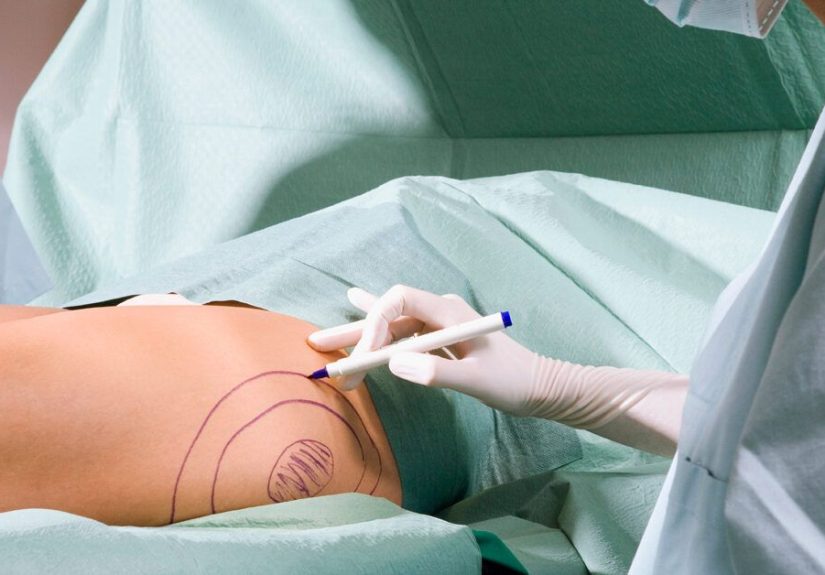
After the treatment area is marked, the tumescent solution is injected into the fat. The area becomes swollen and firm, which helps numb the tissue and reduce bleeding. The surgeon then makes very small incisions, inserts the cannula, and removes the fat with controlled suction.
Some patients remain awake with local anesthesia and light sedation, while others may need a different anesthesia plan depending on the extent of treatment. During the procedure, vital signs such as blood pressure, heart rate, and oxygen levels are monitored. In many cases, the small incisions are left partly open afterward to allow fluid drainage, which can look dramatic but is expected.
Recovery: What to Expect After Tumescent Liposuction
Recovery is usually more “annoying and puffy” than “flat-on-your-back miserable,” though experiences vary. Common early symptoms include swelling, bruising, soreness, drainage from the incision sites, and temporary numbness or burning sensations. Compression garments are often worn for several weeks to help reduce swelling and support the skin as it settles into its new shape.
Many patients who have outpatient liposuction return to desk work within a few days, but that does not mean they feel fully normal. You may feel noticeably better after one to two weeks, while exercise and more strenuous activity often need to wait longer. Final healing takes patience. Swelling can linger, and the most accurate view of your result may not show up for three to six months.
Call your surgeon promptly if you develop severe pain, worsening swelling, fever, shortness of breath, chest pain, or heavy bright-red drainage. Recovery should gradually trend better, not suddenly veer into chaos.
Risks and Side Effects You Should Know
Tumescent liposuction is widely used and often considered safer than older traditional approaches, but it is not risk-free. Common side effects include bruising, swelling, soreness, fluid drainage, and temporary changes in skin sensation. Small scars are expected, though they are usually discreet.
More serious complications can include contour irregularities, seromas, infection, poor wound healing, persistent numbness, loose or rippled skin, deeper tissue injury, blood clots, and anesthesia-related complications. Rare but serious risks of liposuction in general include internal puncture, fat embolism, and problems related to fluid shifts. Because tumescent liposuction uses lidocaine in the injected solution, lidocaine toxicity is another uncommon but important risk, especially when large treatment areas are involved.
Risk tends to rise when too much fat is removed at once, when multiple procedures are combined in one operation, or when the patient is not medically optimized beforehand. Good planning is not boring. Good planning is how people avoid becoming a cautionary tale on page three of the internet.
Tumescent Liposuction Pictures: What Before-and-After Photos Can Really Tell You
Before-and-after pictures can be helpful, but they are not courtroom evidence and they are definitely not sacred truth. A strong photo gallery should show the surgeon’s own patients, not generic stock images floating around the internet in suspiciously flattering lighting. Look for consistency in pose, angle, clothing, and lighting. If one image looks like a passport photo and the other looks like a luxury perfume campaign, be skeptical.
Good pictures can help you judge how a surgeon handles common treatment areas such as the abdomen, flanks, chin, neck, thighs, and arms. They can also show whether results look natural. What you want is improvement, not an overdone “someone edited my torso with a butter knife” effect.
Ask to see photos of patients with a body type, skin quality, and treatment area similar to yours. Also ask when the “after” photo was taken. An image taken too early may still show swelling, while one taken much later may reflect additional weight changes, skin tightening, or other procedures. The most useful gallery is honest, consistent, and boringly transparent. That is a compliment.
How Much Does Tumescent Liposuction Cost?
Cost is where many consultations go from “interesting” to “let me sit down for a second.” According to recent U.S. plastic surgery fee data, the projected surgeon-fee range for body liposuction is roughly $4,300 to $7,500, while smaller areas such as submental or chin liposuction may fall around $3,000 to $5,500. Another current benchmark lists the average liposuction surgeon’s fee at about $4,711.
Here is the important catch: surgeon’s fee is not the whole bill. Your total price may also include facility fees, anesthesia or sedation charges, compression garments, lab work, medications, follow-up visits, and the cost of treating more than one area. Geography matters too. A highly experienced surgeon in a major metro area will not price the same as a smaller practice in a lower-cost region.
Cosmetic liposuction is usually not covered by insurance. That means the money conversation should happen before surgery, not after you are already emotionally attached to your future waistline. Ask for a written estimate and ask what is included. “Affordable” can be a sneaky word when the quote leaves out half the cast.
How Long Do Results Last?
Results can last for years because removed fat cells do not grow back. Still, liposuction is not a force field against future weight gain. If your weight goes up significantly, remaining fat cells can expand and affect your contour. Stable weight, regular exercise, and realistic lifestyle habits are what protect the investment.
It is also worth repeating that liposuction does not tighten loose skin the way many people hope it will. If skin elasticity is limited, you may see some improvement in contour but not the kind of dramatic smoothness you imagined at 1:00 a.m. while zooming into other people’s before-and-after photos.
Common Experiences Patients Describe After Tumescent Liposuction
Many patients describe the first 24 to 72 hours as the strangest part rather than the worst part. They often say the treated area feels heavy, swollen, numb, sore, and weirdly stiff all at once. Some compare it to having done the world’s most aggressive workout with a side of sunburn. Others are surprised by the drainage from the tiny incision sites. It can be messy, but it is usually expected, especially early on. This is one of those moments when dark towels become your best friends and white sheets become an emotional risk.
During the first week, people often notice that they look puffier before they look slimmer. That can be unsettling if they expected an instant reveal. Swelling does not care about your timeline. Bruising may travel, garments may feel tight, and getting dressed can become an unnecessarily dramatic event. Even so, many patients say the pain is manageable and more sore than sharp. Walking around the house usually helps, while sitting completely still tends to make people feel stiffer.
By the second and third weeks, a lot of patients report feeling more like themselves. The drainage usually settles down, tenderness eases, and daily life starts to feel more normal. This is also when patience gets tested. The dramatic swelling may improve, but the final shape is still not ready for its grand entrance. Some areas can feel lumpy, firm, or uneven while healing. That does not always mean something is wrong. Often, it means the body is still sorting itself out and would appreciate less panic-googling.
Emotionally, recovery can be a roller coaster. Some people feel thrilled right away. Others go through a “What did I do?” phase when swelling peaks and the body looks temporarily stranger instead of better. That emotional wobble is more common than people admit. It helps to know in advance that early recovery is not the final result, and the mirror is not always a reliable narrator in the first few weeks.
Longer term, patients who are happiest tend to be the ones who understood the assignment from the start. They did not expect liposuction to fix loose skin, erase cellulite, replace weight loss, or transform them into a different person with magically superior self-esteem and better parking luck. They wanted contour improvement, chose a qualified surgeon, followed aftercare instructions, wore the compression garments, and gave the swelling time to fade.
In practical terms, many patients say the most satisfying moments are small ones: pants fitting better at the waist, a jawline looking sharper in photos, arms feeling better in sleeveless tops, or a lower belly looking flatter despite years of effort. Those everyday improvements are usually what make the experience feel worth it. Not perfection. Just relief, confidence, and the lovely surprise of not having to constantly negotiate with one stubborn pocket of fat anymore.
Final Thoughts
Tumescent liposuction can be an effective option for people who want targeted fat removal with a technique designed to reduce bleeding, bruising, and some of the risks associated with older liposuction methods. It can reshape the body, permanently remove fat cells from treated areas, and offer strong results for the right candidate. But it works best when approached with sober expectations, careful surgeon selection, and a willingness to respect the recovery process.
The smartest way to think about tumescent liposuction is not as a shortcut, but as a contouring tool. In the right hands, and for the right patient, it can do exactly what many people want: refine shape, improve proportion, and help stubborn fat finally take the hint.