Table of Contents >> Show >> Hide
- The Chino Farm: Where Produce Becomes Poetry
- How Vegetables Became a Subject for Block Prints
- What Is a Block Print?
- The Beauty of Imperfect Produce
- Chino Farm and the Farm-to-Table Imagination
- Vegetables as Still Life, But With Better Snacks
- The Design Language of Vegetable Block Prints
- Why Chino Farm Produce Feels Artistic
- How to Style Vegetable Block Prints at Home
- Vegetable Prints as Gifts for Gardeners, Cooks, and Design Lovers
- The Slow Art of Looking Closely
- Experiences Inspired by Vegetables as Art
- Conclusion: When the Harvest Becomes the Artwork
- SEO Tags
Some people see a turnip and think, “Soup.” Others see a turnip and think, “That belongs in a frame.” The second group is our kind of people. In the joyful overlap between agriculture, design, and printmaking, vegetables become more than ingredients. They become shapes, textures, shadows, stories, and tiny edible sculptures that just happen to taste excellent with butter.
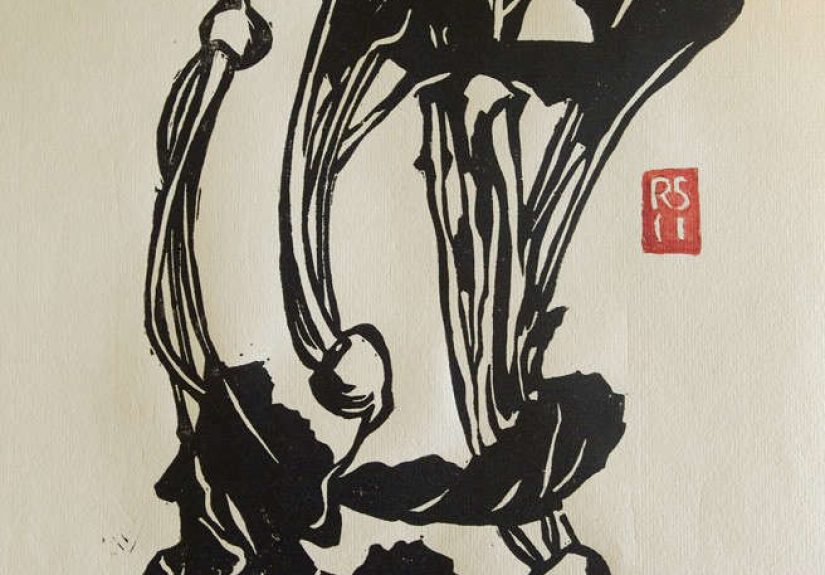
Vegetables as Art: Block Prints Inspired by the Chino Farm celebrates that unusual but completely delightful idea: the humble vegetable as a visual masterpiece. Inspired by the legendary Chino Farm in Rancho Santa Fe, California, vegetable block prints transform produce into bold, graphic artwork. A bunch of Japanese turnips, a curling leek, a head of tatsoi, or a cluster of radishes becomes a study in rhythm, line, negative space, and natural design.
At first glance, this may sound like something only a chef, gardener, or printmaker could get excited about. But spend a little time with a well-made vegetable block print and you begin to understand the magic. The crisp white lines, the hand-printed imperfections, the strong silhouettes, and the farm-fresh subject matter all work together. Suddenly, a cabbage has presence. A carrot has attitude. A beet looks like it knows something you do not.
The Chino Farm: Where Produce Becomes Poetry
Chino Farm, also known as Chino Nojo, has long been admired by chefs, home cooks, and food lovers for its extraordinary produce. Located in Rancho Santa Fe, California, the family-run farm has roots reaching back to the early twentieth century, when Junzo Chino emigrated from Japan and eventually helped establish a farming legacy in Southern California. Today, the farm remains closely associated with careful cultivation, seasonal variety, and produce that makes chefs speak in hushed, reverent tones.
The farm is especially famous for sweet corn, strawberries, tomatoes, and an ever-changing cast of vegetables and fruits. What makes Chino Farm remarkable is not simply that it grows food. Plenty of places grow food. Chino Farm grows food with character. Its vegetables often seem selected by nature’s most detail-obsessed art director: purple stems, tender greens, glossy skins, ruffled leaves, and colors that make grocery store produce look like it needs a vacation.
For decades, chefs connected to California cuisine and the farm-to-table movement have valued Chino Farm’s produce. The farm has supplied celebrated restaurants and inspired cooks who believe flavor begins in the field, not in the sauce pan. That same philosophy also makes it a natural muse for artists. When a vegetable is grown for flavor, freshness, and variety, its visual qualities become impossible to ignore.
How Vegetables Became a Subject for Block Prints
Vegetable block prints inspired by Chino Farm gained attention through the work of Berkeley-based printmaker and illustrator Rigel Stuhmiller, whose vegetable and fruit prints were inspired by time spent around the farm’s produce. Her work helped show how a vegetable stand could become an art studio in disguise. Instead of treating produce as background decoration, these prints place vegetables at the center of the composition.
That choice feels fresh because it is honest. A vegetable already has good design. A turnip has a globe-like body and a leafy burst at the top. A leek has elegant vertical lines. Tatsoi forms a rosette that looks almost architectural. A radish brings a perfect little punch of contrast, with thin roots that behave like calligraphy. The artist does not need to invent drama. The drama is already sitting in the harvest basket, possibly covered in a little soil.
Block printing is especially well suited to this subject. In relief printmaking, the artist carves away the parts of the block that should remain blank. The raised surface is inked and pressed onto paper. This process naturally emphasizes outlines, contrasts, and simplified shapes. Vegetables, with their strong silhouettes and organic irregularities, translate beautifully into this language.
What Is a Block Print?
A block print is made by carving an image into a surface such as wood, linoleum, or another printmaking block. The raised areas hold ink, while the carved-away areas stay blank. When paper is pressed against the inked block, the image transfers in reverse. It is a direct, tactile, slightly stubborn process. In other words, it has personality.
Unlike digital illustration, block printing keeps evidence of the hand. A small wobble in a line, a textured patch of ink, or a slightly uneven edge can make the final print feel alive. That handmade quality is part of the charm. A vegetable block print does not try to look like a perfect photograph. It captures the spirit of the vegetable: the curve of a stem, the weight of a root, the cheerful chaos of leaves.
Why Relief Printing Works So Well for Produce
Relief printing depends on contrast. Black against white. Ink against paper. Shape against space. Vegetables also depend on contrast. Think of dark beet greens against pale stems, the bulbous body of a turnip against wiry roots, or the tight folds of cabbage leaves against open air. The printmaking process simplifies these contrasts without flattening their beauty.
This is why vegetable block prints feel both rustic and modern. They carry the old-world feel of handcraft, but the compositions often look clean enough for a contemporary kitchen, gallery wall, restaurant, or garden room. They have farmhouse soul without falling into cliché. No rooster required. The vegetables can handle the job.
The Beauty of Imperfect Produce
One reason Chino Farm inspires artists is the sheer individuality of its produce. Industrial food systems often train shoppers to expect sameness: identical carrots, identical tomatoes, identical apples lined up like they are waiting for a passport photo. But truly seasonal produce is more expressive. It bends, twists, stretches, curls, and occasionally looks like it has a sense of humor.
Block prints honor that individuality. A slightly crooked carrot may become more interesting than a perfectly straight one. A leafy stem that flops to the side can improve the composition. A root hair that would be trimmed away in a supermarket becomes a delicate visual accent. The print says, “Look closer.” And when you do, the vegetable becomes a small landscape of lines and forms.
This perspective also aligns with a healthier way of seeing food. When we value vegetables as beautiful, we become more attentive to seasonality, farming, and the people who grow what we eat. A print of Japanese turnips is not just kitchen decor. It is a quiet reminder that food has a life before it reaches the plate.
Chino Farm and the Farm-to-Table Imagination
The farm-to-table movement is often discussed in terms of flavor, sustainability, and local sourcing. Those are essential ideas, but there is also an aesthetic side. Farmers’ markets changed how many Americans see food. Instead of viewing vegetables as anonymous products, shoppers began to notice varieties, colors, names, seasons, and growers. Produce became personal.
Chino Farm helped shape this imagination. Its reputation among chefs comes from a commitment to taste and quality, but the farm stand also offers a sensory experience. The eye travels before the hand reaches. Piles of greens, baskets of berries, corn still in its husk, tomatoes in shades from gold to crimsonthis is not just shopping. It is visual education.
Artists respond to that kind of abundance. A farm stand is a living still life, rearranged by weather, harvest schedules, and the mood of the season. In spring, tender greens and young roots may dominate. In summer, tomatoes, corn, melons, and berries steal the show. In fall and winter, hearty greens, squash, and roots bring deeper tones and stronger forms. For a printmaker, every season offers a new portfolio.
Vegetables as Still Life, But With Better Snacks
Artists have painted fruit, flowers, and food for centuries. Traditional still life paintings often used bowls of fruit, game birds, wine glasses, or flowers to explore abundance, mortality, wealth, and beauty. Vegetable block prints belong to that tradition, but they feel more casual and democratic. They do not require silver goblets or dramatic velvet drapery. A bunch of turnips will do nicely.
The vegetable print also feels especially suited to modern homes. It bridges kitchen culture and art collecting. It can hang near a dining table, in a breakfast nook, above open shelves, or in a home office where you need a reminder that the world contains things other than email. Because the subject is familiar, the artwork feels approachable. Because the technique is refined, it still feels intentional.
Why Kitchen Art Matters
Kitchens are often treated as purely functional spaces, but they are also emotional rooms. They hold morning routines, weeknight dinners, birthday cakes, slightly overconfident recipe experiments, and conversations that begin with “just one more bite.” Art in the kitchen should match that energy. Vegetable block prints do exactly that. They are warm, witty, and rooted in daily life.
Unlike generic food posters, hand-pulled vegetable prints carry a sense of craft. They pair especially well with natural materials such as wood, ceramic, linen, stone, and handmade tile. They also complement both minimalist and rustic interiors. A black-and-white radish print can look crisp in a modern kitchen, while a set of vegetable prints can bring charm to a farmhouse-inspired space without making it look like a themed restaurant called The Sassy Parsnip.
The Design Language of Vegetable Block Prints
To understand why these prints work, it helps to look at the design elements hiding inside vegetables. Leaves create movement. Roots create fine lines. Bulbs create weight. Stems create direction. Seeds, veins, and layered leaves create texture. In a block print, these details become graphic marks.
A print of tatsoi might emphasize its circular growth pattern, turning a leafy green into something almost floral. A leek print might focus on vertical rhythm, with long leaves rising like architectural columns. Japanese turnips offer contrast between rounded roots and loose leaves. Garlic and onions provide layered skins and elegant curves. These are not random vegetables. They are natural compositions.
Good vegetable block prints often leave room for breathing space. The blank paper is just as important as the ink. Negative space allows the viewer to appreciate the form. It also gives the print a calm, gallery-like quality. This balance between detail and simplicity is one reason the style remains appealing for interiors.
Why Chino Farm Produce Feels Artistic
Chino Farm’s produce has become legendary partly because of variety. A farm that grows hundreds of fruits and vegetables gives artists a vast visual vocabulary. Instead of being limited to standard supermarket shapes, the artist can study unusual greens, Asian vegetables, heirloom tomatoes, delicate herbs, and roots in different sizes and colors.
That range matters. Art thrives on specificity. “A vegetable” is vague. “A Japanese turnip with leafy tops and thin roots” is an image. “A bunch of tatsoi arranged like a green rosette” is a composition. The more specific the produce, the more memorable the print becomes.
The farm’s reputation also adds meaning. A Chino-inspired vegetable print is not only about form. It points to a place, a family history, a regional food culture, and a relationship between growers, cooks, artists, and eaters. That layered meaning is what makes the work feel richer than simple decoration.
How to Style Vegetable Block Prints at Home
Vegetable block prints are surprisingly flexible in home decor. Their natural subject matter makes them easy to live with, while their graphic style keeps them from feeling too sweet. Here are a few ways to make them shine.
Create a Kitchen Gallery Wall
A set of four or six vegetable prints can turn a blank kitchen wall into a mini farm stand. Choose prints with related themes, such as root vegetables, leafy greens, or alliums. Matching frames create order, while slightly varied subjects keep the arrangement lively.
Pair Prints With Natural Textures
Vegetable prints look beautiful near wood cutting boards, ceramic bowls, woven baskets, linen curtains, and marble or butcher-block counters. The goal is not to make the room look like a barn. The goal is to echo the materials and textures of cooking, gardening, and craft.
Use One Bold Print as a Focal Point
If you prefer minimal decor, choose a single large print. A dramatic leek, cabbage, or turnip can hold a wall on its own. Black ink on white paper is especially strong because it feels clean, timeless, and confident.
Bring Them Beyond the Kitchen
Vegetable block prints also work in dining rooms, mudrooms, breakfast corners, garden sheds, and even nurseries. A radish print in a child’s room? Absolutely. Start them young. One day they may voluntarily eat salad.
Vegetable Prints as Gifts for Gardeners, Cooks, and Design Lovers
One reason vegetable block prints make excellent gifts is that they feel personal without being overly specific. For a gardener, they celebrate the beauty of growing. For a cook, they honor ingredients. For a design lover, they offer strong composition and handcrafted texture. For someone who has everything, they provide something charming, useful, and unlikely to be duplicated by a toaster.
They also carry a sense of season. A tomato print can feel like summer. A squash print can suggest fall. Greens and roots can bring freshness to winter walls. A thoughtful set can reflect someone’s favorite market, garden, or cuisine.
The Slow Art of Looking Closely
The best thing about vegetable block prints may be that they slow us down. They ask us to look at ordinary things with care. In daily life, vegetables are often chopped, peeled, roasted, blended, or forgotten in the crisper drawer until they become a science project. Art gives them a second identity.
Looking closely at a vegetable print can change how you shop and cook. You may notice the purple blush on a radish, the spiral of a cabbage, or the fine lines in a leek. You may start choosing produce not only by recipe but by beauty. This is not shallow. Beauty is one way we build attention, and attention is one way we build respect.
Experiences Inspired by Vegetables as Art
Experiencing vegetable block prints is different from simply seeing them online. The best way to understand their appeal is to bring the idea into everyday life. Start with a farmers’ market visit. Instead of shopping only from a list, walk slowly through the stalls and notice which vegetables catch your eye first. You may be surprised. The most visually interesting item may not be the shiny tomato everyone is admiring. It might be a bunch of turnips with tangled roots, a bundle of scallions with pale bulbs, or a leafy green with dramatic stems.
Once you begin looking at vegetables as possible artworks, the market becomes more playful. Hold a radish bunch by the leaves and observe how the roots hang. Turn a cabbage in your hands and notice the folds. Look at carrots with their tops still attached and see how the feathery greens change the whole personality of the vegetable. It is a little like casting actors for a play, except the actors are edible and do not demand better dressing rooms.
At home, try arranging vegetables on a plain surface before cooking them. A white plate, wooden board, or linen towel can become a temporary studio. Place a leek diagonally. Let a turnip leaf fall naturally. Group small onions in odd numbers. Take a quick photo or sketch the arrangement. This simple exercise helps reveal why printmakers are drawn to produce. Vegetables contain gesture. They lean, curve, point, stretch, and cluster.
For families, this can become a creative weekend activity. Children can choose a vegetable, study its shape, and make a simple stamp or drawing inspired by it. A potato stamp is the classic beginner version, but older kids and adults can experiment with soft linoleum blocks and beginner-safe carving tools. The lesson is not only about art. It is also about food literacy. When children spend time observing a vegetable, they may become more curious about tasting it. No guarantees, of course. Broccoli still has its public relations challenges.
For cooks, vegetable art can influence plating and recipe planning. Once you notice visual qualities, you may slice radishes thinner, leave herb leaves whole, or serve roasted carrots with their shapes intact. Food presentation does not need to be fussy. It simply benefits from awareness. A plate can honor the ingredient instead of hiding it under a landslide of sauce.
For gardeners, the experience goes even deeper. Growing vegetables gives you access to every stage of their beauty: seedling, leaf, flower, fruit, root, and harvest. A gardener may find inspiration in pea tendrils, squash blossoms, beet greens, or the first tomato of summer. These moments are temporary, which makes printmaking especially meaningful. A block print can preserve the feeling of a harvest long after the vegetables have been eaten.
For collectors and decorators, the experience is about living with art that keeps pointing back to real life. A vegetable block print on the wall can make a kitchen feel more grounded, more seasonal, and more human. It reminds us that beauty does not always arrive polished and expensive. Sometimes it arrives in a paper bag, with dirt on the roots, asking politely to be admired before dinner.
Conclusion: When the Harvest Becomes the Artwork
Vegetables as Art: Block Prints Inspired by the Chino Farm is more than a charming design idea. It is a celebration of attention. Chino Farm’s extraordinary produce shows how much beauty can come from patient growing, seasonal knowledge, and respect for flavor. Block printing translates that beauty into bold, lasting images that feel both handmade and timeless.
These prints remind us that art does not always need grand subjects. A turnip can be enough. A leek can be elegant. A bunch of greens can hold a whole composition together. When viewed through the eyes of a printmaker, vegetables become studies in line, form, texture, and place. They connect the farm stand to the kitchen wall, the chef to the gardener, and the everyday meal to the larger culture of craft.
In a world full of fast images and faster meals, vegetable block prints offer a slower pleasure. They ask us to notice what is fresh, local, seasonal, and beautifully imperfect. They prove that the harvest can feed more than the appetite. It can feed the eye, the imagination, and perhaps even the part of us that believes a radish deserves its moment in the spotlight.