Table of Contents >> Show >> Hide
- Why the Black-and-White Globe Light Works So Well
- The “High” Look: Sculptural, Handmade, and Architectural
- The “Low” Look: Affordable, Graphic, and Surprisingly Stylish
- Best Rooms for a Black-and-White Globe Light
- How to Choose the Right Black-and-White Globe Light
- High vs. Low: Which One Should You Buy?
- Styling Ideas for the Black-and-White Globe Light
- Common Mistakes to Avoid
- Personal Experience: Living With the Black-and-White Globe Light Look
- Conclusion: A Small Globe, a Big Design Move
Some home accessories whisper. Others clear their throat, adjust their little brass collar, and announce, “Yes, I am the reason this room suddenly looks edited.” The black-and-white globe light belongs to the second group. It is simple enough to live with, graphic enough to notice, and charming enough to make a plain corner feel like it has a passport, a playlist, and possibly a favorite espresso bar.
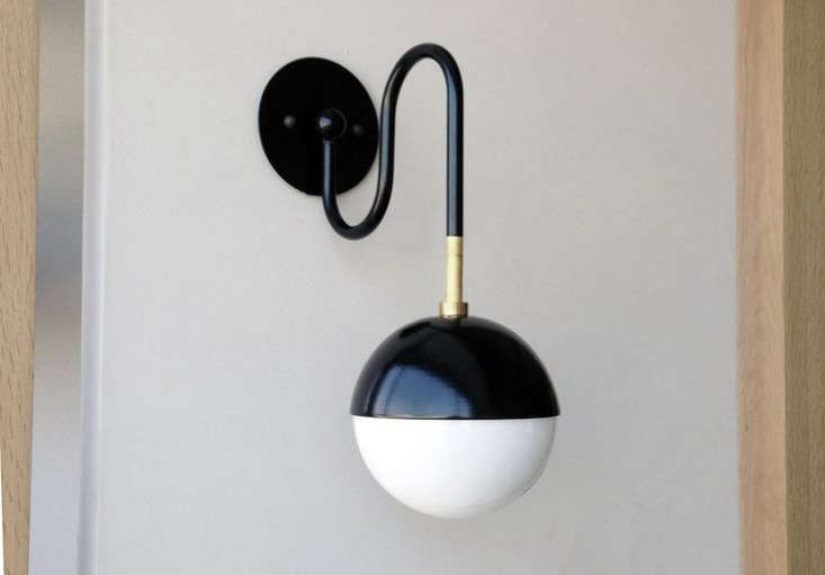
The idea behind a “high/low” comparison is deliciously practical: find a luxurious design piece with serious visual impact, then compare it with a more affordable alternative that delivers a similar mood. In this case, the design star is the black-and-white globe light: a fixture built around milky white glass globes, black metal structure, and often a touch of brass or warm metallic detail. It can appear as a pendant, sconce, table lamp, floor lamp, or chandelier. It can look French, midcentury, industrial, playful, or quietly sophisticateddepending on where you put it and how badly your room needed a personality upgrade.
At its best, a black-and-white globe light does what good lighting should do: illuminate the room, flatter the furniture, and make you feel like your design choices were intentional, even if the rest of your week was held together by coffee and browser tabs.
Why the Black-and-White Globe Light Works So Well
The magic begins with contrast. Black gives the fixture structure, definition, and a crisp outline. White glass softens the effect by diffusing light instead of blasting it around the room like an interrogation lamp. The globe shape keeps everything friendly. A square shade can feel architectural. A cone shade can feel directional. A globe feels calm, balanced, and just a little celestialas if the moon took a part-time job over your dining table.
Black-and-white lighting also plays nicely with many interior styles. In a modern kitchen, it sharpens the space. In a vintage bathroom, it nods to old subway lights and schoolhouse fixtures. In a bedroom, it brings softness without becoming frilly. In a hallway or stairwell, it creates a focal point that says, “Yes, this pass-through space has been promoted.”
Globe lights remain popular because the shape is timeless. The sphere is one of the most recognizable forms in design, and lighting brands continue to reinterpret it through frosted glass, opal glass, metal frames, clustered orbs, linear arms, and sculptural silhouettes. The black-and-white version is especially versatile because it has enough drama to stand out but not so much drama that it starts demanding its own dressing room.
The “High” Look: Sculptural, Handmade, and Architectural
The high-end version of the black-and-white globe light is usually defined by materials, proportion, and craftsmanship. Think black powder-coated steel, opal glass globes, brass details, hand-finished parts, and a silhouette that looks simple at firstuntil you realize every angle has been considered. This is the kind of light that does not merely hang from the ceiling. It composes itself.
A designer fixture such as the Atelier de Troupe Balise Pendant captures this spirit beautifully. Its black metal frame, brass detailing, and white opal glass globes create a graphic, slightly retro look inspired by 1960s design. The result feels playful and elegant at the same time, which is not easy. Most objects that try to be both playful and elegant end up looking like a tuxedo at a trampoline park.
High-end globe lights are often worth considering when the fixture will be a major focal point. Over a dining table, in a double-height entry, above a kitchen island, or beside a dramatic fireplace, lighting can act like functional sculpture. You are not just buying brightness. You are buying the shape that will appear in every photo, reflect in every window at night, and quietly judge your folding-chair phase if you keep it too long.
What Makes the Expensive Version Feel Expensive?
Several design details tend to separate premium globe lights from budget versions. First, the proportions are usually better. The arms do not feel too skinny or too chunky. The glass globes have the right diameter for the frame. The canopy, stem, and joints look intentional rather than assembled from a “close enough” bin.
Second, the materials often feel more substantial. Powder-coated steel, solid brass accents, and true opal glass have a different visual weight than thin painted metal or lightweight plastic diffusers. Third, the finish tends to be more refined. Matte black should look smooth, not chalky. Brass should feel warm, not aggressively yellow. White glass should glow softly, not turn the room into a dentist’s office.
Finally, high-end fixtures often offer better scale. Larger rooms need lighting with presence. A tiny fixture above a big dining table can look like it wandered in from a studio apartment and is now politely panicking.
The “Low” Look: Affordable, Graphic, and Surprisingly Stylish
The low version is where things get fun. Affordable black-and-white globe lights can still deliver a strong design effect, especially if you focus on the essential ingredients: black frame, white glass globe, clean silhouette, and proper placement. You may not get custom metalwork or designer provenance, but you can absolutely get the mood.
Budget-friendly alternatives often include globe table lamps, black schoolhouse pendants, two-globe vanity sconces, milk-glass ceiling lights, and simple pendant fixtures with matte black hardware. Many retailers now offer opal or frosted glass globe lights in black finishes because the look is easy to understand and easy to style. It is modern, but not cold. Vintage-inspired, but not costume-y. Minimal, but not boring. Basically, it is the lighting equivalent of a white button-down shirt with great shoes.
A lower-priced globe lamp can be especially effective in smaller spaces. A black-and-white table lamp on a console, nightstand, or reading table gives you the graphic contrast without requiring an electrician, a ladder, or a household debate about ceiling junction boxes. Floor lamps can also create the look in rental homes, where hardwired lighting changes may be off-limits unless your landlord is unusually generous or has recently discovered meditation.
Where to Save Without Regret
You can often save on a fixture when it is not the primary focal point. For example, a simple black-and-white globe sconce in a hallway does not need to be museum-grade. A small bedside globe lamp does not need to cost more than the bed. In these places, the silhouette matters more than the pedigree.
Also consider saving when you need multiples. Three pendants over a kitchen island can quickly become a financial fitness test. If the design is clean and the glass looks good, a midrange or budget option may give the room the rhythm it needs without leaving your wallet lying dramatically on the floor.
Best Rooms for a Black-and-White Globe Light
The black-and-white globe light is not picky. It has range. Still, some rooms bring out its best qualities better than others.
Kitchen
In the kitchen, globe pendants work well over islands, breakfast tables, and sinks. A white globe diffuses the light, which helps reduce glare, while a black stem or canopy adds definition against white cabinets, stone counters, or pale walls. If your kitchen already has black hardware, black window frames, or dark counter stools, a black-and-white globe pendant ties those details together without making the room feel overly matched.
For island lighting, placement is crucial. A common guideline is to hang pendants roughly 28 to 36 inches above the countertop, adjusting for ceiling height, fixture size, and sightlines. The goal is simple: light the surface, frame the space, and avoid creating a situation where guests must duck under your beautiful new light like they are entering a secret submarine.
Dining Room
Over a dining table, a globe light can be elegant without being formal. A single large globe pendant feels quiet and modern. A multi-globe chandelier feels more dramatic and architectural. Black-and-white works especially well with wood tables, marble tops, cane chairs, black dining chairs, or mixed-metal accents.
The beauty of a globe fixture in a dining space is its softness. A frosted or opal globe creates a warm, even glow, which is exactly what you want when people are eating, talking, and hoping nobody notices they took the last roasted potato.
Bathroom
Black-and-white globe sconces are excellent in bathrooms because they bridge vintage and modern styles. Pair them with subway tile, black mirrors, brass faucets, marble counters, or a classic pedestal sink. A two-globe vanity light can make a bathroom feel polished without becoming too precious. It says “boutique hotel,” not “please do not touch the hand towels.”
Bedroom
In a bedroom, globe lights are best when they support calm. Try a black-and-white table lamp on a nightstand, a pair of wall-mounted globe sconces, or a small pendant in a reading corner. The rounded shape balances harder lines from bed frames, dressers, and window trim.
Entryway or Hall
An entryway is the perfect place for a statement globe light because first impressions are real. A black-and-white fixture can make even a small foyer feel designed. In a narrow hallway, a flush-mount or semi-flush globe light may be safer and more proportional than a long pendant.
How to Choose the Right Black-and-White Globe Light
Before falling in love with a fixture, measure the room. Lighting is emotional, yes, but ceilings are mathematical. Scale, height, and brightness matter as much as style.
1. Match the Fixture to the Room Size
A tiny globe pendant can disappear in a large room. A huge multi-globe chandelier can overwhelm a small breakfast nook. For compact spaces, choose one globe or a simple two-light design. For larger spaces, consider a wider chandelier, a linear multi-globe pendant, or a cluster of globes at varied heights.
2. Pay Attention to Glass Type
Clear glass shows the bulb and throws brighter, sharper light. Frosted or opal glass softens the glow and hides the bulb. For a black-and-white globe light, opal or milk glass usually gives the most classic look. It also helps avoid glare, which is important in kitchens, dining rooms, and bedrooms.
3. Choose the Right Bulb
Warm white bulbs typically make living spaces feel more inviting. Dimmable bulbs are a smart choice, especially for dining rooms and bedrooms. Always check bulb compatibility, maximum wattage, and whether the fixture works with LED bulbs. A great fixture with the wrong bulb is like a great outfit under fluorescent dressing-room lights: technically visible, emotionally damaging.
4. Consider Finish Quality
Matte black is popular because it looks modern and clean. Satin black can feel slightly softer. Glossy black is more dramatic but may show dust and fingerprints more easily. If the fixture includes brass, look for a warm, balanced tone that complements other metals in the room.
5. Decide Whether You Want a Focal Point or a Supporting Player
Some globe lights are designed to be noticed. Others quietly complete a room. A sculptural multi-arm pendant should have breathing room around it. A simple black-and-white sconce can blend into the architecture. Both are useful. The trick is knowing which job you need the light to do.
High vs. Low: Which One Should You Buy?
Choose the high-end black-and-white globe light if the fixture will anchor the room, if you care deeply about craftsmanship, or if the design has unusual proportions you cannot find elsewhere. Premium lighting often makes sense in a forever home, a major renovation, or a space where one fixture can elevate everything around it.
Choose the low or midrange version if you are decorating a rental, updating a smaller area, buying several fixtures, or experimenting with the look. Affordable lighting has improved enormously, and many simple black-and-white globe fixtures can look fantastic when installed at the right height with the right bulb.
The sweet spot for many homeowners is “strategic splurge.” Spend more where the fixture becomes a centerpiece: dining room, entry, or main living area. Save where repetition matters more than perfection: hallways, secondary bedrooms, laundry rooms, or small baths.
Styling Ideas for the Black-and-White Globe Light
Pair a black-and-white globe pendant with white walls and black accents for a crisp gallery effect. Add wood furniture to warm it up. Use brass hardware if you want the fixture to feel more vintage or Parisian. Add chrome or polished nickel if you want it to lean cleaner and more contemporary.
For a bolder look, place the fixture in a room with patterned tile, checkerboard flooring, striped textiles, or black window frames. The globe shape will soften the geometry, while the black-and-white palette keeps the composition cohesive. For a softer look, surround the fixture with cream upholstery, natural wood, linen curtains, and warm neutral walls.
One of the easiest tricks is repetition. A black-and-white globe sconce in the bathroom, a globe table lamp in the bedroom, and a globe pendant in the kitchen can create a subtle design thread across the home. Do not overdo it, though. Too many globes and your house may start to look like a very stylish planetarium.
Common Mistakes to Avoid
The first mistake is hanging the light too high or too low. Too high, and the fixture loses intimacy. Too low, and it becomes an obstacle with a power supply. Always test the height visually before final installation.
The second mistake is ignoring brightness. A pretty globe light that does not provide enough illumination is just a decorative moon with commitment issues. Layer it with recessed lights, sconces, under-cabinet lighting, or floor lamps as needed.
The third mistake is choosing a fixture that is too small. Lighting should relate to the furniture below it. A dining table, kitchen island, or large entry needs a fixture with enough visual weight to feel intentional.
The fourth mistake is mixing too many finishes without a plan. Black-and-white can handle brass, bronze, nickel, or chrome, but the room should repeat the finish somewhere else so the light does not look like it arrived separately and has not made friends yet.
Personal Experience: Living With the Black-and-White Globe Light Look
The first time you bring a black-and-white globe light into a room, you may be surprised by how quickly it changes the atmosphere. Unlike a rug or sofa, a light fixture affects both the physical space and the mood of the space. During the day, it acts as a sculptural object. At night, it becomes the room’s personality engine.
In a kitchen, the experience is especially noticeable. A plain island with basic ceiling lighting can feel purely functional, like a place where toast goes to be judged. Add two black-and-white globe pendants, and suddenly the same island feels like a breakfast bar, homework station, cocktail counter, and casual gathering spot. The white globes soften the light on faces and surfaces, while the black hardware gives the whole area definition. Even simple cabinet hardware starts looking more intentional.
In a bathroom, the effect can be even more satisfying because bathrooms are often small enough for one lighting change to transform everything. A black-and-white globe sconce above a mirror can make white tile feel crisp instead of clinical. If there is brass in the fixture, it can warm up the room and keep the black-and-white palette from feeling too stark. The best part is that the fixture does not need to shout. A small globe light can do the design equivalent of raising one eyebrow, which is sometimes more powerful than yelling.
In a bedroom, the experience is quieter. A globe lamp on a nightstand gives off a gentle, diffused glow that feels calmer than a bare bulb or harsh directional lamp. The black base keeps the lamp from looking too sweet, while the white globe keeps it from looking too severe. This balance is the whole appeal of the style. It is soft and sharp at the same time.
One practical lesson: dust is real, and gravity remains undefeated. White glass globes can collect dust on top, especially in kitchens where cooking oils float around like tiny invisible troublemakers. A quick wipe with a soft cloth keeps the glass glowing properly. If the globe is open, check whether the inside is easy to clean before buying. A beautiful fixture that requires advanced wrist gymnastics is still beautiful, but your future self may send a complaint.
Another lesson is that bulbs matter more than people think. A globe fixture with a cold, bluish bulb can make the room feel flat. A warm, dimmable bulb usually feels more inviting. In dining rooms and bedrooms, dimming is almost non-negotiable. Nobody wants dinner under “operating room chic,” and nobody wants bedtime lighting that says, “Good evening, please complete these tax forms.”
The final experience-based tip is to trust the shape. Globe lights are friendly. They work with curves, straight lines, vintage pieces, modern furniture, and minimalist spaces. If your room feels too boxy, a globe adds softness. If your room feels too plain, black-and-white contrast adds punctuation. If your room feels too trendy, the classic sphere brings it back to earth. That is the real reason this lighting style keeps returning: it is memorable without being exhausting.
Conclusion: A Small Globe, a Big Design Move
The black-and-white globe light proves that a fixture does not need complicated ornament to make a room feel special. Its strength comes from simple ingredients: a round white shade, a dark frame, thoughtful proportion, and a glow that flatters the space around it. Whether you choose a high-end designer pendant or a budget-friendly lamp, the look can bring structure, softness, and a little cinematic charm to your home.
For shoppers, the best approach is not simply “expensive is better” or “cheap is smarter.” The best approach is strategic. Splurge when the light will define the room. Save when the silhouette is enough. Measure carefully, choose warm bulbs, consider dimmers, and give the fixture enough visual space to do its job. The right black-and-white globe light will not just brighten your room. It will make the room feel finishedlike it finally found its punctuation mark.