Table of Contents >> Show >> Hide
- What Causes Ear Pain During a Flight?
- How to Avoid Ear Pain During a Flight: 10 Steps
- 1. Start Swallowing Before Your Ears Start Complaining
- 2. Chew Gum During Takeoff and Landing
- 3. Yawn Like You Mean It
- 4. Try the Valsalva ManeuverGently
- 5. Use the Toynbee Maneuver for a Softer Approach
- 6. Stay Awake During Takeoff and Landing
- 7. Manage Allergies and Nasal Congestion Before You Fly
- 8. Consider Filtered Earplugs Made for Flying
- 9. Think Twice About Flying With a Bad Cold, Sinus Infection, or Ear Infection
- 10. Know When Ear Pain Needs Medical Attention
- Best Tips for Children and Babies With Airplane Ear
- What Not to Do When Your Ears Hurt on a Plane
- Quick Pre-Flight Ear Pain Prevention Checklist
- Personal Travel Experiences: What Actually Helps in Real Life
- Conclusion
Few travel moments are as dramatic as the airplane descent: the seat belt sign dings, the skyline appears, and suddenly your ears feel like they are being squeezed by a tiny invisible gym coach. Ear pain during a flight is common, usually temporary, and often preventable with a few smart habits before and during takeoff and landing.
This discomfort is often called airplane ear, ear barotrauma, or middle ear barotrauma. It happens when cabin pressure changes faster than the air pressure inside your middle ear can adjust. Your eustachian tubessmall passages that connect the middle ear to the back of the nose and throatnormally help equalize pressure. When they open well, you may feel a harmless “pop.” When they are blocked by congestion, allergies, a cold, sinus swelling, or simple bad timing, pressure can build and cause pain, muffled hearing, fullness, ringing, or dizziness.
The good news? You do not need to accept ear pain as the price of visiting Grandma, attending a business conference, or chasing airport coffee at 6 a.m. Below are 10 practical, medically grounded steps to help prevent ear pain when flying, plus real-world travel experience tips to make your next flight easier on your ears.
What Causes Ear Pain During a Flight?
Airplane cabins are pressurized, but the pressure still changes during ascent and descent. The descent is often the toughest part because outside air pressure increases as the plane gets closer to the ground. Your middle ear must pull in more air through the eustachian tube to balance the pressure. If the tube does not open properly, the eardrum stretches inward, and that stretch can hurt.
Adults can get airplane ear, but children are especially prone to it because their eustachian tubes are smaller and more easily blocked. Travelers with colds, sinus infections, nasal allergies, recent ear infections, or chronic eustachian tube dysfunction may also be more likely to experience flight-related ear pressure and pain.
How to Avoid Ear Pain During a Flight: 10 Steps
1. Start Swallowing Before Your Ears Start Complaining
Swallowing is one of the easiest ways to open the eustachian tubes. Every swallow activates small muscles near the tube opening, helping air move between your throat and middle ear. Do not wait until your ears feel like they are staging a protest. Start swallowing during takeoff and especially when the plane begins descending.
Bring water and take small sips. Sucking on a hard candy can also help because it encourages repeated swallowing. For kids old enough to safely have candy, a lollipop can be a clever travel tool. For infants, nursing, bottle-feeding, or using a pacifier during takeoff and landing may help them swallow and equalize pressure.
2. Chew Gum During Takeoff and Landing
Chewing gum is a classic airplane ear remedy because it combines jaw movement with frequent swallowing. It is not magic, but it is surprisingly useful. Think of it as a tiny workout for the muscles that help keep your eustachian tubes open.
Choose sugar-free gum if you want to protect your teeth, and start chewing before the pressure changes become uncomfortable. For descent, begin when the pilot announces the initial approach or when you notice flight attendants preparing the cabin for landing. That is your ears’ cue to get busy.
3. Yawn Like You Mean It
Yawning can open the eustachian tubes and help relieve pressure. If a natural yawn does not appear, fake one. Open your mouth wide, relax your jaw, and gently stretch the muscles around your throat. Yes, you may look like you are trying to swallow the in-flight magazine, but your ears may thank you.
Alternate yawning with swallowing, sipping water, or chewing gum. These simple actions are often enough for mild airplane ear symptoms.
4. Try the Valsalva ManeuverGently
The Valsalva maneuver is a pressure-equalizing technique many travelers use when their ears will not pop. To do it, close your mouth, pinch your nostrils shut, and gently blow as if you are trying to breathe out through your nose. You may feel a soft pop as air moves through the eustachian tubes.
The key word is gently. Do not blast air like you are inflating a pool toy. Forceful blowing can irritate the ear or make discomfort worse. If you have an active ear infection, recent ear surgery, severe pain, or a known eardrum problem, ask a healthcare professional before using pressure maneuvers.
5. Use the Toynbee Maneuver for a Softer Approach
If the Valsalva maneuver feels too intense, try the Toynbee maneuver. Pinch your nose closed and swallow at the same time. This method uses swallowing rather than blowing to encourage the eustachian tubes to open. It is often gentler and can be repeated during descent.
Many frequent flyers alternate between Toynbee, yawning, and sipping water. The goal is not to force your ears open in one dramatic moment. The goal is to keep them adjusting little by little as cabin pressure changes.
6. Stay Awake During Takeoff and Landing
Sleeping through a flight sounds wonderful until your ears wake you up with a tiny thunderclap of pressure. When you sleep, you swallow less often. That means your eustachian tubes may not open enough during the most important pressure changes.
If you are exhausted, try to stay awake for takeoff and the last 30 to 45 minutes before landing. Set an alarm if needed. This is especially useful if you have a history of airplane ear, allergies, or congestion. You can nap during cruising altitude, when cabin pressure is more stable.
7. Manage Allergies and Nasal Congestion Before You Fly
Congestion is one of airplane ear’s favorite sidekicks. Swelling in the nose and throat can block the eustachian tubes, making pressure equalization harder. If you have seasonal allergies, follow your usual allergy plan before travel. Saline nasal spray may help keep nasal passages moist, and prescribed allergy medicines should be taken as directed.
Some adults use a nasal decongestant spray or oral decongestant before flying, especially when congested. However, these products are not right for everyone. Oral decongestants can raise blood pressure, worsen certain heart conditions, interact with medications, and cause jitteriness or insomnia. Nasal decongestant sprays should not be overused because they can cause rebound congestion. Children should not be given decongestants for flight ear pain unless a pediatrician specifically recommends it.
8. Consider Filtered Earplugs Made for Flying
Filtered pressure-regulating earplugs, sometimes sold as flight earplugs, are designed to slow the rate of pressure change at the eardrum. They do not “cure” congestion, but they may reduce discomfort for some travelers when used correctly.
Insert them before takeoff and again before descent, following the product instructions. They work best when paired with swallowing, yawning, gum, hydration, and congestion control. In other words, do not expect earplugs to do the whole job while you sleep through landing like a champion hibernating bear.
9. Think Twice About Flying With a Bad Cold, Sinus Infection, or Ear Infection
If you are severely congested, have a sinus infection, or are dealing with an active ear infection, flying can be painful and may increase the risk of complications. Sometimes postponing travel is the healthiest choice, even if changing plans feels about as fun as losing your luggage.
Of course, not every trip can be rescheduled. If you must fly while sick, talk with a healthcare professional before departure, especially if you have severe ear pain, fever, drainage from the ear, recent ear surgery, a ruptured eardrum, or significant hearing changes. A clinician can advise whether it is safe to fly and whether medication is appropriate.
10. Know When Ear Pain Needs Medical Attention
Mild airplane ear usually improves soon after landing or within a few hours. But certain symptoms deserve medical attention. Contact a healthcare professional if ear pain is severe, lasts more than a day, or comes with hearing loss, ringing that does not improve, dizziness, spinning sensation, fluid or blood from the ear, fever, or intense pressure that will not clear.
Do not poke cotton swabs, earbuds, hairpins, or any “I saw this online” object into your ear canal to fix the problem. The pressure issue is usually behind the eardrum, not something you can scoop out. Your ear is not a junk drawer.
Best Tips for Children and Babies With Airplane Ear
Children may not understand why their ears hurt, so prevention matters. Babies can nurse, bottle-feed, or use a pacifier during takeoff and landing. Older children can sip water, chew gum if safe, suck on a lollipop, or practice yawning. Make it playful: ask them to do “lion yawns” or “big sleepy dragon yawns.” The sillier it is, the more likely they are to cooperate.
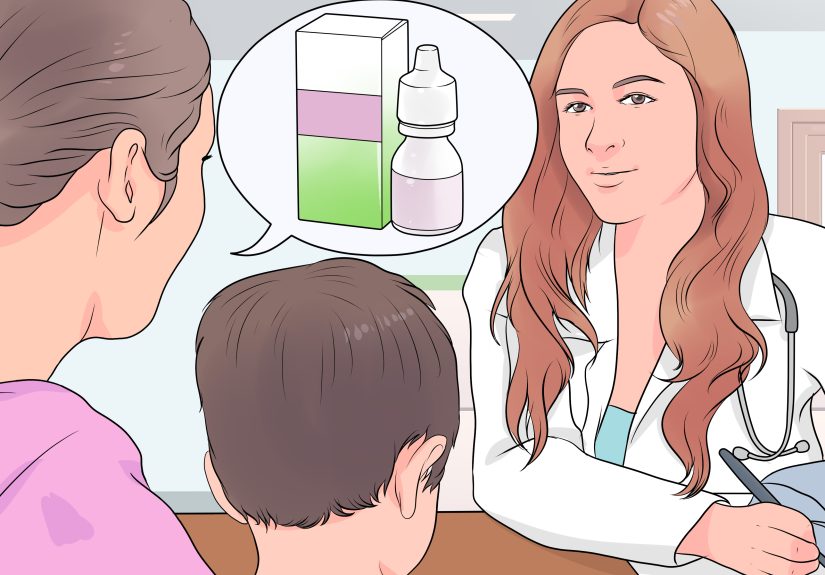
Parents should avoid giving children decongestants or antihistamines solely to prevent airplane ear unless a pediatrician recommends it. These medicines may not help flight-related ear pain in children and can cause unwanted side effects. For children with recent ear infections, chronic ear problems, ear tubes, or severe congestion, it is wise to ask a pediatrician for travel advice before flying.
What Not to Do When Your Ears Hurt on a Plane
Some flight “hacks” sound creative but are not always safe or useful. Avoid placing very hot cups, steaming towels, or hot water near the ear, especially for children. Heat may feel soothing around the outer ear, but burns are a real risk, and steam does not reliably fix pressure trapped behind the eardrum.
Also avoid aggressive nose-blowing, forceful Valsalva maneuvers, or repeatedly trying to “pop” your ears with too much pressure. If your ears will not clear, switch to gentle swallowing, Toynbee, yawning, hydration, and patience. Pain is a signal, not a challenge to win.
Quick Pre-Flight Ear Pain Prevention Checklist
- Pack gum, hard candy, water, or a pacifier for infants.
- Use your regular allergy treatment if you have allergies.
- Consider saline spray for dry or stuffy nasal passages.
- Ask your doctor about decongestants if you are congested and medically able to use them.
- Stay awake during takeoff and landing.
- Use filtered flight earplugs if you are prone to airplane ear.
- Delay travel if you have severe congestion, a sinus infection, or an ear infection and your doctor advises against flying.
Personal Travel Experiences: What Actually Helps in Real Life
Anyone who flies often eventually develops a small “ear survival kit.” It may not look impressivegum, water, saline spray, maybe filtered earplugsbut when the plane starts descending and your ears begin to tighten, that little kit feels like luxury travel.
One common experience is that ear pain often sneaks up during the last part of the flight, not at cruising altitude. You may spend two hours perfectly comfortable, watching a movie and pretending the tiny pretzels count as a meal, then suddenly the plane begins descending and your ears feel blocked. That is why timing matters. The best travelers do not wait until the pain starts. They begin sipping water, chewing gum, or swallowing as soon as descent begins.
Another lesson many people learn the hard way is that congestion changes everything. A flight that feels easy when you are healthy can feel miserable when you have a cold. Even mild stuffiness can make your eustachian tubes sluggish. On congested travel days, it helps to be extra proactive: hydrate well, use saline spray, follow your allergy plan, and ask a doctor or pharmacist whether a decongestant is safe for you. People with high blood pressure, heart rhythm problems, thyroid disease, glaucoma, prostate issues, pregnancy, or certain medication use should be especially careful with oral decongestants.
Parents often report that children do better when they are given something to do before they become upset. A toddler who is already crying may not want to sip water on command. But a child who is handed a drink, snack, pacifier, or chewy food early in descent may swallow naturally and avoid the worst discomfort. Turning it into a game helps: “Let’s see who can do the biggest yawn,” or “Take a tiny sip every time the plane bumps.” Suddenly, ear care becomes entertainment. It is not Broadway, but it beats tears in row 22.
Frequent flyers also learn that not all ear-popping techniques feel the same. The Valsalva maneuver can work quickly, but some people dislike the pressure. The Toynbee maneuverpinching the nose and swallowingfeels gentler. Yawning is even simpler. The best approach is often a rotation: swallow, yawn, chew, Toynbee, sip water, repeat. Small, steady pressure adjustments usually work better than one heroic attempt to pop the ears at the last second.
Filtered earplugs can be useful, especially for people who repeatedly experience airplane ear. The trick is to use them early enough. If they are sitting in your backpack while the plane is already touching down, they are not helping anyone except the backpack. Insert them before takeoff and before descent, and still keep swallowing or chewing. Earplugs are helpers, not superheroes.
Another practical experience: hydration matters more than travelers think. Dry airplane cabin air can make your nose and throat feel sticky, which may worsen the feeling of blockage. Drinking water will not magically open a swollen eustachian tube, but it encourages swallowing and helps you feel less dried out. Alcohol and too much caffeine may leave you feeling dehydrated, so balance them with water if you choose to drink them.
Finally, experienced travelers know when to stop trying DIY fixes. If your ear pain is sharp, one-sided, severe, or followed by drainage, dizziness, or hearing loss, it is time to get medical advice. Most airplane ear is temporary, but persistent symptoms deserve attention. A smooth trip is wonderful, but your hearing is more important than pretending everything is fine.
Conclusion
Learning how to avoid ear pain during a flight comes down to one main goal: help your eustachian tubes equalize pressure before discomfort gets serious. Swallowing, chewing gum, yawning, using gentle ear-clearing maneuvers, staying awake during takeoff and landing, managing congestion, and using filtered earplugs can all make flying easier on your ears.
For most travelers, airplane ear is uncomfortable but short-lived. Still, severe or lingering symptoms should not be ignored. If you often have ear pain when flying, talk with a healthcare professional or an ear, nose, and throat specialist before your next trip. Your ears deserve a vacation too.
Note: This article is for general educational purposes and is not a substitute for medical care. Seek professional advice for severe ear pain, persistent hearing changes, dizziness, ear drainage, fever, recent ear surgery, or symptoms in infants and young children.