Table of Contents >> Show >> Hide
- What Is the Labour & Wait Bread Bin, Exactly?
- Why Bread Bins Still Matter in a Modern Kitchen
- Design Details That Make This Bread Bin Stand Out
- How Well Does It Work for Bread Storage?
- Who Will Love This Bread Bin?
- Who Might Want Something Else?
- How to Use a Bread Bin the Right Way
- Why the Labour & Wait Bread Bin Works as Kitchen Decor
- Final Verdict: Is the Labour & Wait Bread Bin Worth It?
- Extended Experience: Living With a Labour & Wait-Style Bread Bin
- SEO Tags
Some kitchen tools whisper. The Labour & Wait Bread Bin has the confidence to clear its throat, stand up straight, and remind the room that practical design never goes out of style. It is not flashy. It is not digital. It will not connect to your phone, your Wi-Fi, or your emotional support sourdough starter. What it does offer is something rarer: thoughtful, old-school utility wrapped in handsome enamel and a look that makes your countertop feel more pulled together before you even slice the loaf.
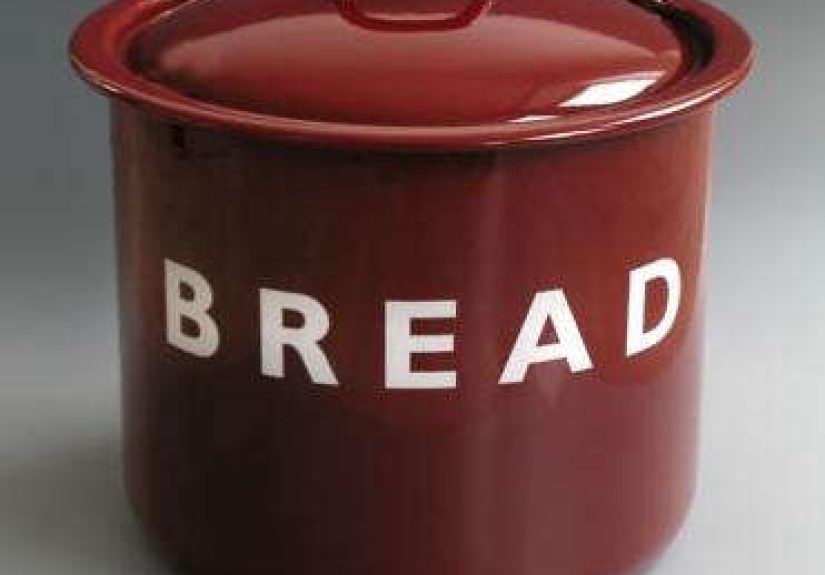
That is the charm of this piece. The Labour & Wait bread bin feels like the kind of kitchen item you buy once, keep for years, and casually pretend you “just happened to find.” Its classic lettering, rounded form, and sturdy enamel build make it one part storage solution, one part design statement, and one part public declaration that yes, you probably care about crumb management more than the average person.
What Is the Labour & Wait Bread Bin, Exactly?
The Labour & Wait Bread Bin is a vintage-inspired enamel bread bin created in the brand’s distinctly functional style. It is known for its clean typography, old-fashioned utility-shop energy, and a silhouette that looks equally at home in a farmhouse kitchen, a city apartment, or that dream pantry you keep pinning and never quite start. The design has long been associated with the brand’s love of timeless household goods: useful, durable, and refreshingly uninterested in trends.
In practical terms, this is a countertop bread storage bin built to keep bread in a more stable environment than leaving it naked on the counter like it has given up on life. Its enamel body is durable and easy to wipe clean, while the venting helps prevent the bin from becoming a stale-air sauna. That detail matters, because bread storage is all about balance. Too much air and bread dries out. Too much trapped moisture and mold starts auditioning for a lead role.
Why Bread Bins Still Matter in a Modern Kitchen
It is fair to ask whether a bread bin is necessary in the era of zip bags, reusable wraps, and people who claim the freezer solves everything. The answer is: it depends on how you buy and eat bread. If you regularly bring home crusty boules, sandwich loaves, bagels, rolls, or homemade sourdough, a bread box can be a very smart middle ground.
Bread goes stale for more than one reason. Yes, moisture loss is part of it, but starch retrogradation also changes the texture over time, making bread firmer and less pleasant even before it feels dry. That is why bread storage advice can sound contradictory. Some experts prefer plastic for very short-term softness, while others prefer breathable storage or a bread box for a better balance of crust, crumb, and airflow. In real-life kitchens, a well-designed bread bin often wins because it is simple, reusable, and easy to live with.
The Labour & Wait version leans into that sweet spot. It is not pretending to suspend time. No bread bin is a magic force field. But it can create a better environment for short-term storage than leaving a loaf exposed, especially if you want your bread accessible, your counter tidy, and your kitchen free from the visual chaos of half-open plastic bags.
Design Details That Make This Bread Bin Stand Out
1. The enamel construction feels purposeful
Enamel has a special talent for making utilitarian objects look both sturdy and charming. On this bread bin, it gives the piece a smooth, polished finish with a subtle workshop-meets-pantry vibe. It feels substantial without looking bulky, which is harder to pull off than many kitchen brands would like to admit.
2. The typography does half the decorating for you
The crisp lettering is part of the appeal. It announces its job clearly, which sounds obvious until you realize how many kitchen containers now try to look like sculpture, performance art, or minimalist confusion. This bin says “bread,” and honestly, that kind of honesty is refreshing.
3. Ventilation is not just decorative
One of the most useful features is the inclusion of air holes. That small design move helps bread “breathe,” reducing the trapped humidity that can encourage mold while still giving the loaf a more protected environment than open-air storage. It is a practical detail hidden inside a pretty object, which is basically the Labour & Wait brand in one sentence.
4. The proportions are compact but meaningful
The round shape gives the bin character, but it also tells you something important: this is not an oversized family bunker for six loaves and a dozen bagels. It is better suited to households that buy bread more thoughtfully and more often, rather than stockpiling enough carbs to survive a weather event. If you keep one or two loaves in rotation, it makes sense. If you shop like a sandwich caterer, you may want something larger and more rectangular.
How Well Does It Work for Bread Storage?
This is where style has to stop posing for the camera and actually do the job. Fortunately, the Labour & Wait bread bin is built around the same principles that make good kitchen bread storage work in the first place: moderate airflow, protection from direct light, and a cleaner, more controlled countertop spot for your loaf.
For many breads, room-temperature storage works best for everyday use. A bread bin can help maintain texture better than the refrigerator, which tends to accelerate staling for many loaves. That is especially true for artisanal bread, sourdough, and crusty breads that suffer when chilled. If you plan to keep bread longer than a few days, the freezer is still the smarter option. But for the usual rhythm of breakfast toast, lunch sandwiches, and the occasional heroic midnight buttered slice, a bread bin is a sensible answer.
The Labour & Wait version is particularly appealing for people who want that practical benefit without bringing an ugly container into the room. Some bread boxes are useful but visually forgettable. This one earns its counter space.
Who Will Love This Bread Bin?
This bread bin makes the most sense for a certain kind of kitchen personality:
The design-minded cook
If you care about everyday objects looking good, this is your lane. The bin has presence, but not in a loud, try-hard way. It looks collected rather than overly styled.
The bread regular
If bread is a constant in your home, not just an occasional grocery aisle fling, a dedicated bin is more useful than you might expect. It creates a repeatable storage habit, which is half the battle in keeping food from going stale or getting forgotten.
The clutter-averse homeowner
A bread bin hides visual mess beautifully. Instead of a loaf clip, a crumpled bag, and mystery crumbs all over the counter, you get one contained storage piece that looks intentional.
The person who likes objects with a story
The Labour & Wait look borrows from classic utility design, and that matters. It feels like something with lineage, not something created in a focus group called “Rustic Chic but Make It Expensive.”
Who Might Want Something Else?
As lovely as this bin is, it is not the universal answer to all bread-related dreams.
If you buy very large sandwich loaves, store multiple bakery items at once, or need a container that doubles as a cutting board, other models may suit you better. Several tested bread boxes on the U.S. market focus on larger capacity, rectangular storage, or built-in board lids. The Labour & Wait bread bin is more about beautiful everyday storage than maximum volume.
It is also a premium pick. You are paying for design, enamel construction, brand identity, and that hard-to-fake feeling of timelessness. If your budget says “practical,” but your heart says “British pantry fantasy,” this may become one of those internal debates that lasts longer than the loaf.
How to Use a Bread Bin the Right Way
Buying a bread bin is only half the story. Using it properly matters too.
Let bread cool completely
Never tuck a still-warm loaf into a closed bin. Warm bread releases moisture, and trapped moisture is basically an engraved invitation for mold.
Clean out crumbs regularly
Crumbs left to linger can trap moisture and attract pests. A quick wipe-out once or twice a week keeps the bin fresher and more hygienic.
Do not treat it like long-term storage
A bread bin is best for short-term use. If you know you will not finish the loaf soon, slice and freeze it instead.
Do not try to “save” moldy bread
If you spot mold on bread, the safest move is to throw the loaf away. Bread is porous, and visible mold is often only the part that decided to become famous.
Why the Labour & Wait Bread Bin Works as Kitchen Decor
One reason people search for the Labour & Wait bread bin is that it solves a very real decorating problem: how to make a kitchen feel warm, useful, and lived-in without tipping into clutter. Good kitchens need hardworking objects, but not every hardworking object deserves an audience. This one does.
On an open shelf or countertop, the bin adds shape, typography, and just enough nostalgic personality. Pair it with a wooden cutting board, a stoneware crock, linen towels, or a few enamel pieces and it looks curated without being precious. It plays well with cottage kitchens, English-inspired interiors, minimalist spaces, and even industrial kitchens that need something softer.
That is the trick. It is decorative because it is useful, not the other way around. The best kitchen accessories always understand this. They are not props. They are coworkers.
Final Verdict: Is the Labour & Wait Bread Bin Worth It?
If you want the cheapest possible place to stash bread, probably not. If you want the biggest bread box on the market, also no. But if you want a stylish bread bin that genuinely improves countertop storage, supports better short-term bread keeping, and adds old-world charm without becoming kitschy, the Labour & Wait Bread Bin makes a strong case for itself.
Its appeal comes from the combination of form and function: enamel durability, purposeful ventilation, beautiful lettering, and a design language that feels timeless rather than trendy. It will not stop bread from aging forever, because sadly no kitchen object has conquered science yet. What it can do is make daily storage easier, neater, and much more attractive.
And honestly, that is enough. In a kitchen full of gadgets promising revolution, a dependable bread bin with manners and style feels downright radical.
Extended Experience: Living With a Labour & Wait-Style Bread Bin
Living with a bread bin like this changes the rhythm of a kitchen in small but noticeable ways. At first, it seems like a simple storage upgrade. You bring home a loaf, lift the lid, tuck it inside, and admire the fact that the counter instantly looks calmer. But after a week or two, the experience becomes less about the bin itself and more about the habits it quietly improves.
For one thing, bread becomes easier to keep track of. Instead of drifting between a grocery bag, the toaster area, and that one random corner of the counter where food goes to be forgotten, it has a home. That sounds minor, but it reduces waste in a very real way. You remember what you have. You use it sooner. You stop discovering a half loaf three days too late and giving it the silent apology of someone who meant well.
There is also a tactile pleasure to using a piece like this. The lid has presence. The enamel surface feels smooth and substantial. The lettering gives it personality without making it cutesy. Opening it in the morning to grab bread for toast feels strangely satisfying, the way using a well-made pepper mill or a sturdy wooden spoon feels satisfying. It is not just storage. It is part of the kitchen ritual.
In households that buy bakery bread or homemade loaves, the bread bin often becomes a better compromise than plastic. Plastic can keep bread soft, but it can also feel flimsy, messy, and a little too eager to trap moisture. A good bread bin feels more balanced. The loaf is protected, but not suffocated. Crusty bread still behaves like crusty bread. Softer sandwich loaves stay organized and accessible. The whole setup feels more intentional and less like you are losing a fight with packaging.
Another common experience is that the bin becomes unexpectedly flexible. Even when there is no bread inside, it can temporarily hold bagels, English muffins, tortillas, or a pastry haul that somehow survived the drive home. Some people even treat a bread bin like a mini larder zone, using it to hide away visual clutter and keep the countertop from looking like a carb convention. It earns its keep even on lighter bread weeks.
Of course, there is a learning curve. You figure out quickly that warm bread should never go straight in. You learn to wipe out crumbs before they form their own little civilization. You realize that a bread bin helps best when your kitchen is not too humid and when you are realistic about timing. It supports freshness; it does not perform miracles. Once you accept that, the experience gets even better, because the bin stops being judged like a gadget and starts being appreciated like a beautifully made everyday tool.
That may be the real appeal of the Labour & Wait Bread Bin. It makes ordinary kitchen life feel a bit more grounded, a bit more orderly, and a bit more charming. Not with drama. Not with technology. Just with good design, useful storage, and a quiet confidence that says bread deserves better than being abandoned next to the coffee maker.